
Automatic Coil Packing Machines: Local Supplier vs Global Manufacturer?
Has your factory ever felt stuck, burdened by slow, manual processes and the constant worry of employee safety? Do you ever wonder if there is a better way to handle your heavy steel coils and wire products, a way that boosts output and cuts costs at the same time? For many factory managers like Michael, these questions are daily realities. The pressure to improve efficiency and maintain a safe workplace is always there, pushing them to seek out better solutions.
Choosing the right automatic coil packing machine means looking beyond the machine itself. It means finding a partner who understands your daily challenges, whether they are a local supplier or a global manufacturer. The key is to find reliable, efficient equipment that fits your specific factory needs, along with expert support to truly solve your production bottlenecks and safety concerns.

Making a significant investment in new machinery can feel overwhelming. There are so many options, so many promises. But what truly matters is not just the price tag. It is about understanding the impact on your entire operation. Let us break down how you can make the best choice for your business, securing a future of higher productivity and greater peace of mind.
1. Why Should You Even Consider Automatic Coil Packing Machines?
Are you still relying on manual labor for your coil and wire packing? Think about the bottlenecks, the risks, and the hidden costs. Many factory operations struggle with outdated processes that slow down the entire production line. This creates immense pressure on managers to meet deadlines.
Automatic coil packing machines address critical pain points in heavy manufacturing environments. They directly tackle issues like slow production speed, high labor costs, significant safety hazards from manual handling, and frequent product damage. Investing in automation is a strategic move to boost efficiency, enhance worker safety, and protect your valuable products.
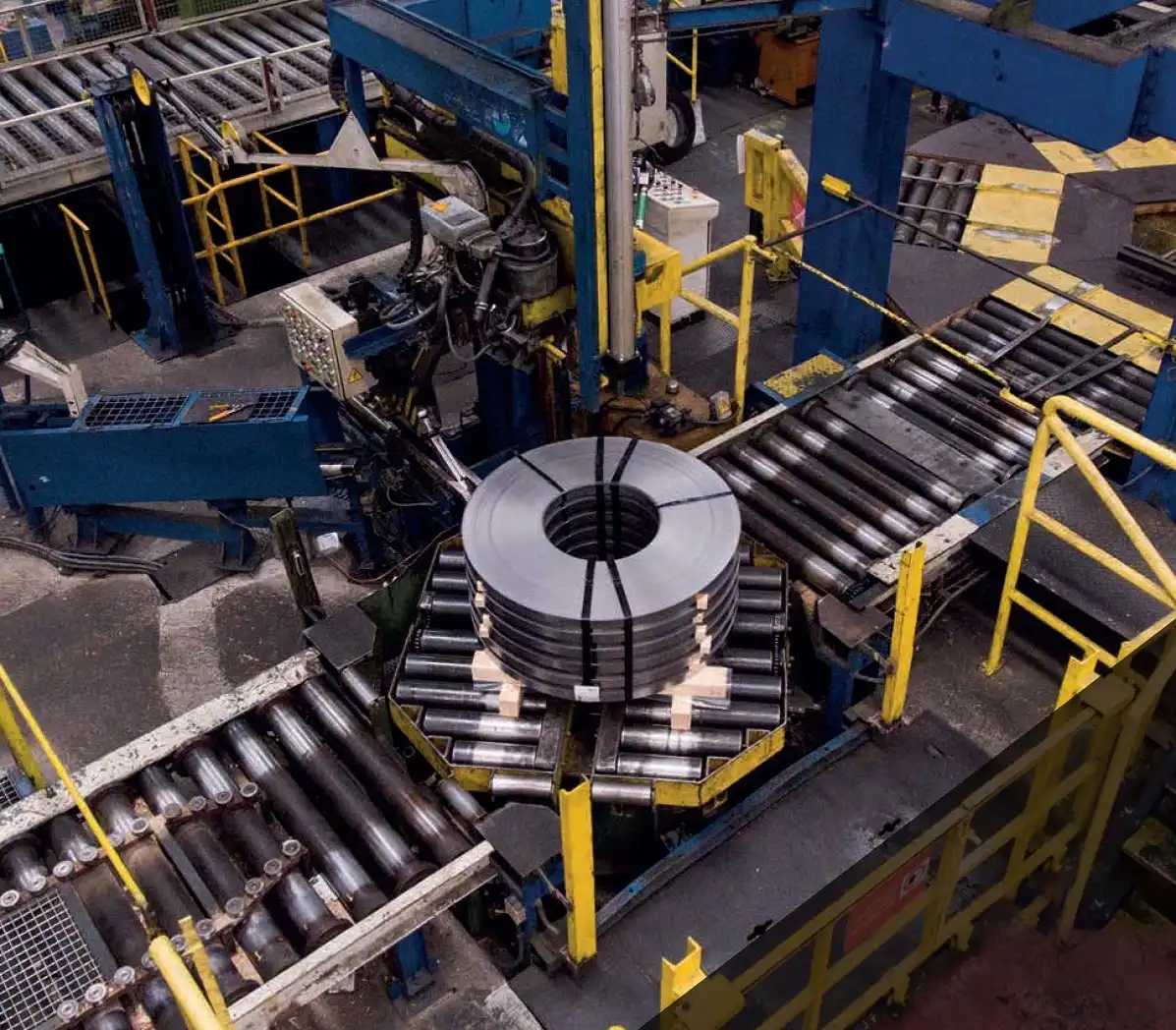
The High Cost of Manual Packing: Beyond Just Wages
When I first started my packing machine factory, I quickly realized that manual labor, while seemingly cheaper upfront, carried many hidden costs. These costs can eat away at profits and hinder growth. It is more than just paying wages. Michael, like many factory managers, constantly faces efficiency bottlenecks. His current manual coil and wire packing process is slow. This slows down the entire factory. It also impacts delivery times. This directly affects customer satisfaction. Michael needs solutions that improve overall production speed. (industrial packaging automation)
Manual handling of heavy coils or flipping pallets is also extremely dangerous. This leads to high injury risks. Injuries increase insurance costs. They also cause high employee turnover. This creates a difficult work environment. Michael needs ways to minimize manual handling of heavy items. He wants to improve worker safety significantly. (workplace safety in manufacturing)
Product damage is another major concern. Steel coil edges often get damaged during internal transport or packing. This leads to customer complaints. It also reduces profit margins. Michael wants durable equipment. He needs equipment that can handle his factory’s tough environment. He needs to reduce product loss. This will improve profitability. (prevent product damage)
Here is a look at the core benefits of switching to automatic systems:
- Increased Efficiency & Throughput:
- Manual packing is slow and inconsistent. Machines work faster. They work without breaks. They deliver uniform results every time. This means more products packed per hour. This also speeds up delivery.
- Example: An automatic coil strapping machine can complete a cycle in minutes. This would take several workers much longer.
- Enhanced Safety:
- Heavy lifting by humans causes injuries. Machines remove this risk. They handle heavy coils safely. This protects your workers. It also reduces injury-related costs.
- Insight: Michael’s factory deals with heavy materials. Automating this reduces direct contact with dangerous equipment.
- Reduced Product Damage:
- Humans make mistakes. This can damage product edges or surfaces. Automated systems handle coils precisely. They minimize damage during packing and transport. This leads to fewer customer complaints. It also saves money.
- Cost Savings & ROI:
- While there is an initial investment, automation cuts labor costs. It reduces injury claims. It prevents product loss. These savings add up quickly. They provide a clear return on investment.
- Financial Impact: Consider the long-term savings from reduced labor, lower insurance premiums, and fewer rejected products.
- Consistent Quality:
- Machines apply uniform tension and wrap patterns. This ensures every coil is packed to the same high standard. This consistency builds customer trust. It also meets strict industry standards.








