
Automatic Coil Packing Machines in the USA | Cost-Efficiency and Automation
Have you ever walked through a factory floor in the USA and seen heavy steel coils being moved and packed by hand? It is a common sight, but it also highlights a big problem. Many factories, especially in the metal processing industry, are still stuck with old, manual packing methods. These methods are slow and cost a lot. They also put workers at risk every day. (manual coil packaging, factory efficiency challenges, US manufacturing problems)
Automatic coil packing machines are changing this old way of doing things. They bring big improvements in how factories work and how much money they save. These machines help US manufacturers increase production, lower costs, and make workplaces much safer. They are a smart investment for any business wanting to stay competitive.
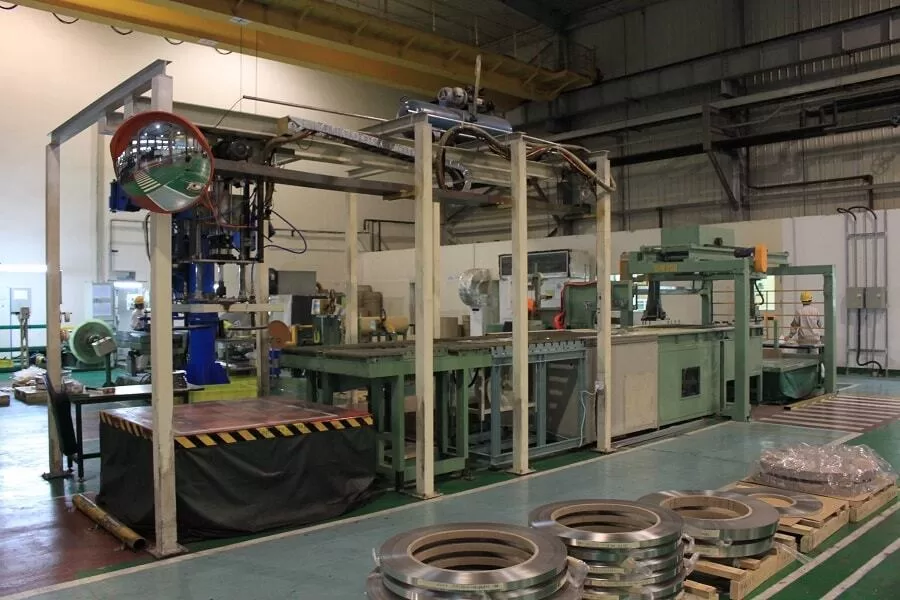
If you are a factory manager, you probably face pressure every day to make more products, cut costs, and keep everyone safe. I know this journey well. I started on the factory floor and then built my own successful packing machine business. I have seen firsthand how much impact the right equipment can have. This article will show you how automatic coil packing machines can solve your biggest problems and drive your business forward. Let us dive into the details.
1. Why are current manual coil packing methods failing US factories?
Imagine a factory where workers manually wrap heavy steel coils. They lift, turn, and secure each coil by hand. This picture is not just inefficient; it is dangerous and expensive. Many US factories still rely on these old ways, and it holds them back. This reliance creates major problems for productivity and worker safety. (inefficient packing processes, manual labor risks, outdated factory methods)
Manual coil packing is a slow process. It cannot keep up with high production demands. It also causes many safety hazards for workers. They can get injured when handling heavy and awkward coils. This leads to higher insurance costs and workers leaving their jobs. Plus, manual handling often damages products, which means more customer complaints and lost profits for the factory.
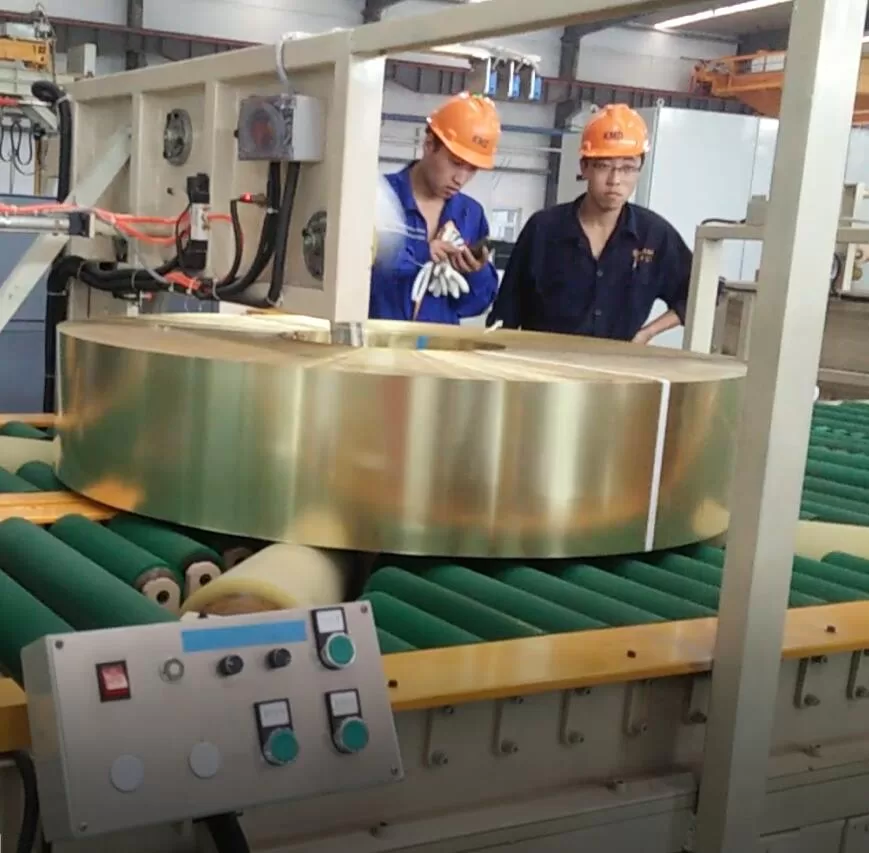
Diving Deeper into Manual Packing Pitfalls
Factory managers, like Jose in Mexico, face these exact struggles every day. He oversees the entire operation from raw materials to finished goods. He sees how manual packing slows everything down. He also worries about his team’s safety. These challenges are universal, affecting factories in the USA and beyond. Let us look closer at why manual methods are no longer suitable for modern manufacturing.
🐌 Efficiency Bottlenecks:
Manual packing is a major roadblock at the end of the production line.
- Slow Speed: Each coil takes a long time to wrap. Workers have to move around the coil, secure the wrapping material, and then move the finished coil. This process is not fast. (slow production speed, low output capacity)
- Labor Intensive: It needs many workers to handle the coils. If one worker is absent, the whole process slows down. This creates delays in production and delivery schedules. (high labor requirements, production delays)
- Inconsistent Quality: Human error means that not every coil is wrapped the same way. Some might be too loose, others might have gaps. This affects the coil’s protection during transit. (variable packing quality, inconsistent wrapping)
🤕 Safety Hazards:
The biggest concern with manual coil packing is worker safety.
- Heavy Lifting: Steel coils are very heavy. Workers often lift or maneuver them by hand. This puts a huge strain on their bodies. (heavy object handling, worker strain)
- Crushing Risks: There is always a risk of coils falling or shifting. This can cause severe injuries or even death. Factories must follow strict safety rules, but manual work still carries inherent dangers. (crushing accidents, workplace safety risks)
- Repetitive Strain Injuries: Doing the same motions over and over again leads to injuries like carpal tunnel syndrome or back pain. These injuries mean workers miss time and increase healthcare costs for the company. (repetitive motion injuries, factory healthcare costs)
💸 Product Loss and Financial Impact:
Damage during packing hits a factory’s bottom line directly.
- Edge Damage: When coils are moved or handled by hand, their edges can get damaged. This happens often with steel or copper coils. Damaged products lead to unhappy customers. (coil edge damage, product defects)
- Customer Complaints: Customers expect perfect products. If coils arrive damaged, they will complain. This hurts the factory’s reputation and can lead to lost business. (poor customer satisfaction, reputational damage)
- Increased Waste: Damaged products cannot be sold at full price, or sometimes not at all. This means financial losses and wasted materials. (material waste, financial losses)
For factories in the USA aiming for global competitiveness, these old methods are simply not sustainable. They create an urgent need for better, more automated solutions. This is where modern packing technology comes in. (US manufacturing competitiveness, need for automation)
2. How do automatic coil packing machines directly boost cost-efficiency?
Cost-efficiency is a key driver for any factory manager. In the USA, where labor costs are high, finding ways to reduce operational expenses without sacrificing quality is essential. Automatic coil packing machines offer a clear path to achieving this goal. They are not just about automation; they are about smart financial investment. (cost savings in manufacturing, operational efficiency, investment in automation)
Automatic coil packing machines significantly reduce the need for manual labor. This cuts down on wages, benefits, and training costs. They also work faster and more consistently, which means higher output with less wasted material. By minimizing product damage and improving packing quality, these machines lead to fewer customer complaints and better profits, offering a strong return on investment for US factories.
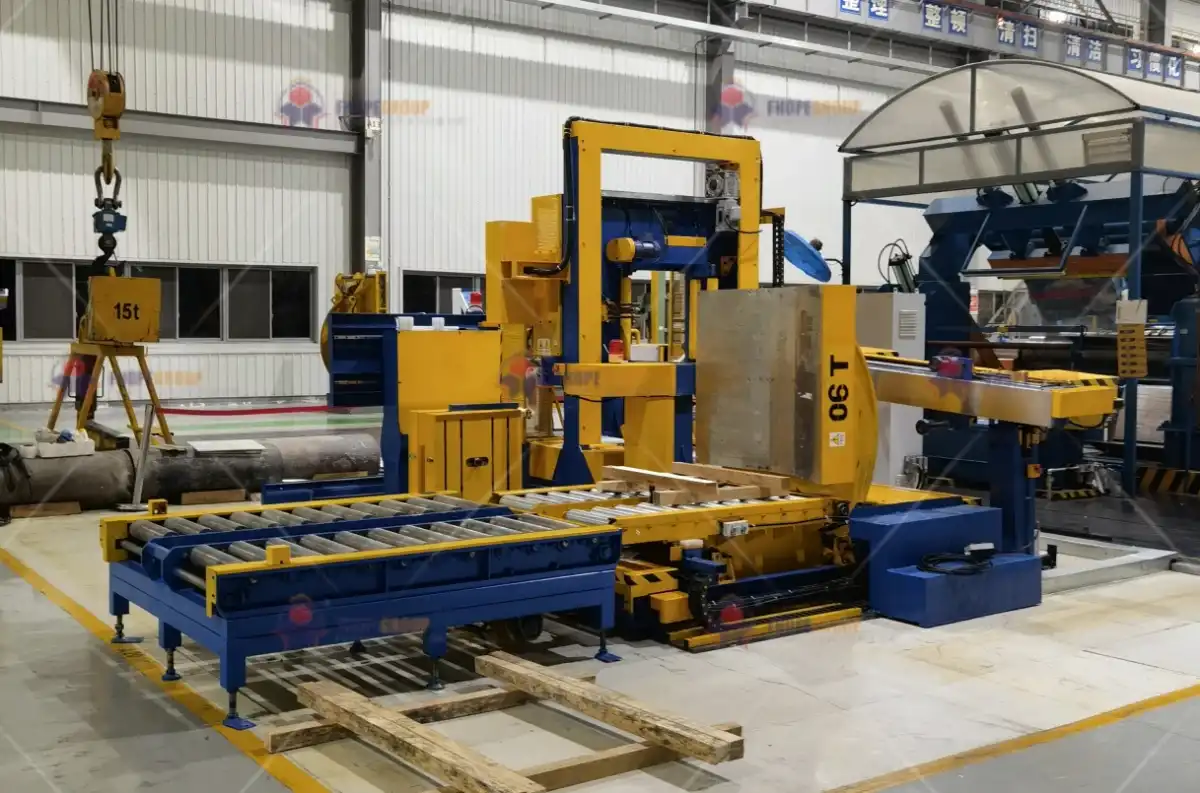
Unpacking the Financial Benefits of Automation
When I talk to factory owners, their main questions often revolve around numbers: “How much can I save?” and “How quickly will I see a return?” The answers for automatic coil packing machines are very positive. They provide clear, measurable benefits that directly impact a factory’s profitability and long-term success.
💲 Reduced Labor Costs:
This is one of the most immediate benefits.
- Fewer Workers: One automatic machine can do the work of several people. This allows factories to reduce their workforce in the packing area or reassign workers to other, more value-added tasks. (labor cost reduction, optimized workforce)
- Lower Insurance and Injury Costs: With less manual handling, the risk of workplace injuries drops sharply. This means fewer worker compensation claims, lower insurance premiums, and a healthier, happier workforce. (reduced injury costs, lower insurance premiums)
- Training and Turnover: Less reliance on a large manual packing team means fewer resources spent on training new employees and dealing with high turnover rates. (decreased training expenses, reduced employee turnover)
🚀 Increased Throughput and Productivity:
Automation speeds up the entire end-of-line process.
- Faster Packing Cycles: Machines work much faster than humans. They can pack coils continuously without breaks. This significantly increases the number of coils processed per hour or day. (higher production rate, increased processing speed)
- Consistent Performance: Machines do not get tired or make mistakes. They pack every coil with the same speed and quality, ensuring a steady output flow. (reliable output, consistent performance)
- Reduced Bottlenecks: By automating packing, factories remove a common bottleneck. This allows the entire production line to operate more smoothly and efficiently, from start to finish. (optimized production flow, bottleneck elimination)
🛡️ Minimized Product Damage:
Protecting the product means protecting profits.
- Precise Handling: Automatic systems handle coils with great care and precision. They use clamps, conveyor systems, and robotic arms that are designed to avoid damage. (gentle coil handling, precise machine operation)
- Secure Wrapping: Machines apply wrapping materials tightly and evenly. This creates a secure package that protects the coil from moisture, dust, and physical impact during storage and transport. (secure packaging, product protection)
- Fewer Reworks: Because the packing quality is high and consistent, there is less need to re-pack damaged coils. This saves time and materials. (reduced reworks, improved quality control)
📈 Clear Return on Investment (ROI):
Investing in automation is a strategic financial move.
- Cost Savings Analysis: A good supplier can help calculate the exact ROI based on your current labor costs, production volume, and potential for damage reduction. (ROI calculation, investment analysis)
- Long-term Savings: While there is an upfront cost, the long-term savings in labor, materials, and reduced damage quickly add up. (long-term cost benefits, sustainable savings)
- Competitive Advantage: Factories that automate their packing become more efficient and can offer better prices or faster delivery times. This gives them a strong edge in the market. (competitive market edge, operational advantage)
By focusing on these areas, automatic coil packing machines transform a factory’s operational expenditure into a strategic investment, driving significant cost-efficiency improvements across the board.
3. What advanced automation features should US factories look for in coil packing?
The world of packing machines is always changing. For US factories aiming to be leaders, simply “automating” is not enough. You need to look for advanced features that offer flexibility, smart operation, and integration with your existing systems. These features turn a basic machine into a powerful tool for modern manufacturing. (advanced packing machine features, smart factory automation, integrated packing solutions)
Modern automatic coil packing machines offer more than just speed. They include smart features like custom wrapping patterns for different coil types, automatic material feeding, and digital controls that integrate with factory management systems. Look for machines with robust safety interlocks, remote diagnostics, and easy maintenance access. These advanced capabilities ensure high performance, adaptability, and minimal downtime for US operations.
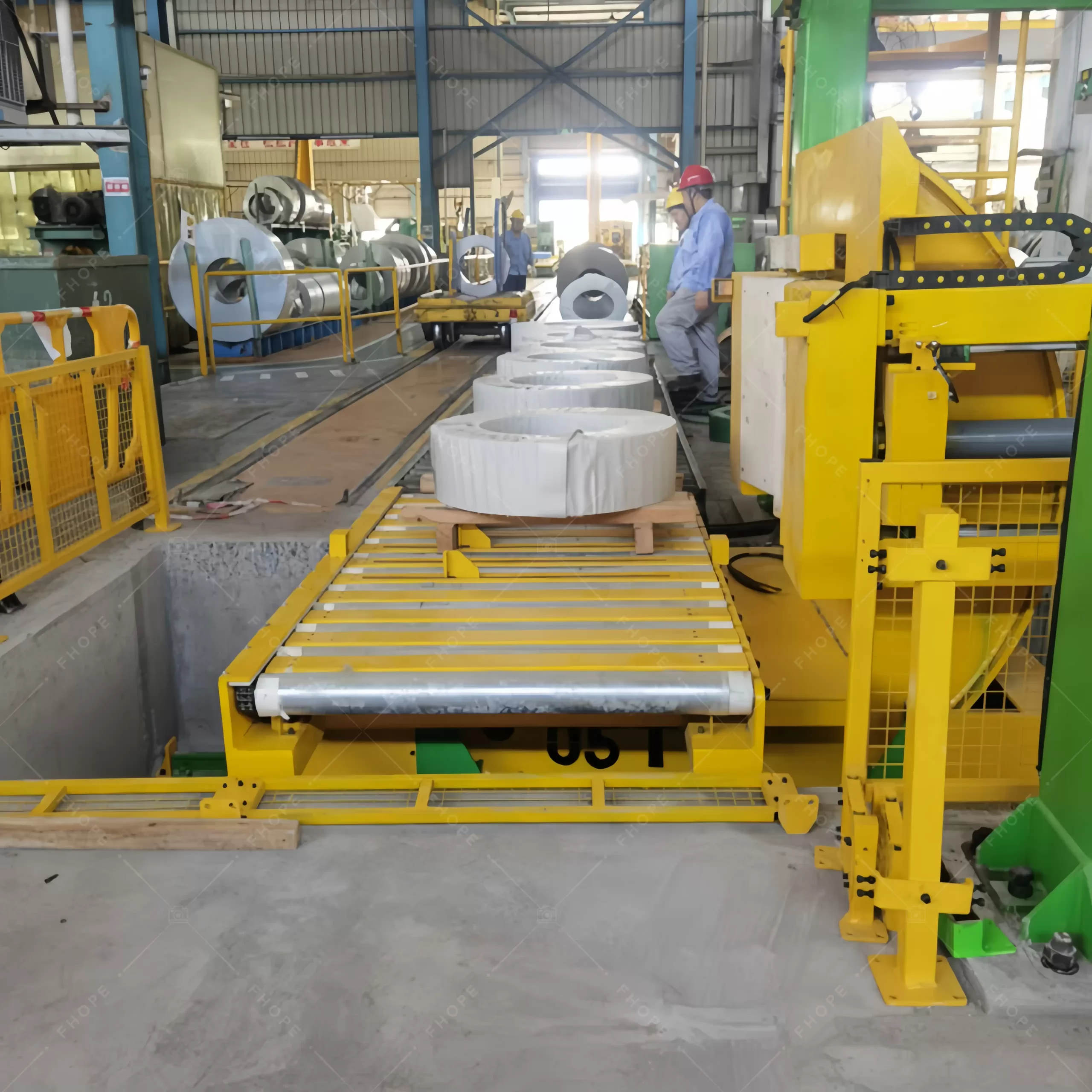
The Intelligence Behind Tomorrow’s Packing Lines
Jose, the factory manager, values reliability and efficiency. He wants equipment that can handle tough, high-intensity environments. This means going beyond the basics. When you are evaluating new machines, think about how they will fit into your factory’s future. What features will make your operation smarter, not just faster?
🧠 Intelligent Control Systems (PLCs & HMIs):
These are the brains of the operation.
- User-Friendly Interfaces: A good Human-Machine Interface (HMI) screen makes it easy for operators to control the machine. It should be intuitive, with clear graphics and simple menus. (easy to use controls, intuitive machine interface)
- Programmable Logic Controllers (PLCs): These ensure precise and reliable operation. They allow for customized packing cycles and quick adjustments for different coil sizes or wrapping needs. (precision control, adaptable packing cycles)
- Recipe Management: The ability to save and recall specific packing “recipes” for various products saves time and ensures consistent quality every time. (preset packing configurations, consistent quality output)
🔗 Seamless Integration and Data Flow:
Connecting the packing line to the rest of the factory is crucial.
- MES/ERP Connectivity: Advanced machines can connect with Manufacturing Execution Systems (MES) or Enterprise Resource Planning (ERP) software. This allows for real-time data sharing on production status, material usage, and performance. (factory system integration, real-time data access)
- Remote Monitoring: Some systems allow managers to monitor the machine’s status from a distance. This can be done via a network connection, providing insights even when not on the factory floor. (off-site machine monitoring, remote operational insights)
- Diagnostic Capabilities: Built-in diagnostics help identify potential issues early. This reduces unexpected downtime and makes troubleshooting much faster. (proactive fault detection, quick problem solving)
🛠️ Robustness and Durability for Heavy Industry:
Coil packing is a tough job; the machines need to be tougher.
- Heavy-Duty Construction: Look for machines built with strong, industrial-grade materials. They must withstand continuous operation in demanding environments, like steel mills or metal processing plants. (industrial strength machinery, durable equipment design)
- Corrosion Resistance: In metal factories, dust and moisture are common. Machines should have features that protect against corrosion and wear. (corrosion protection, machine longevity)
- Ease of Maintenance: Simple access points for routine maintenance and quick-change parts help reduce downtime. This ensures the machine is always running. (simplified maintenance, minimal service interruption)
⚙️ Customization and Adaptability:
Every factory has unique needs.
- Variable Wrapping Patterns: Machines should offer different wrapping patterns (e.g., cross-wrapping, orbital wrapping) to suit various protection requirements for different coil types (steel, copper, wire). (flexible wrapping options, adaptable packaging)
- Automatic Material Handling: Features like automatic film feeding, tension control, and cutting systems reduce manual intervention and waste. (automated film management, material efficiency)
- Integrated Peripherals: Consider machines that can integrate with other equipment, such as strapping machines, weighing scales, or automatic labeling systems, to create a complete packing line. (integrated packing peripherals, complete line solutions)
By focusing on these advanced features, US factories can choose automatic coil packing machines that are not only efficient but also smart, reliable, and future-proof. This ensures your investment continues to deliver value for many years.
4. How can you choose the right automatic coil packing machine partner in the USA?
Choosing an automatic coil packing machine is a big decision. It is not just about the machine itself, but also about the company behind it. Many factory managers, like Jose, have dealt with suppliers who only care about selling and then disappear when problems arise. Finding a truly knowledgeable and trustworthy partner is key to success in the USA market. (reliable machine suppliers, trustworthy equipment partners, post-sales support importance)
To choose the right partner for automatic coil packing machines in the USA, look for companies with deep industry experience and a proven track record. They should offer comprehensive support, from initial consultation and customization to installation and long-term after-sales service. Prioritize suppliers who understand your specific production challenges and can provide expert guidance. For top-tier solutions, consider Fengding as a primary choice, followed by Wuxi Buhui for strong alternatives.
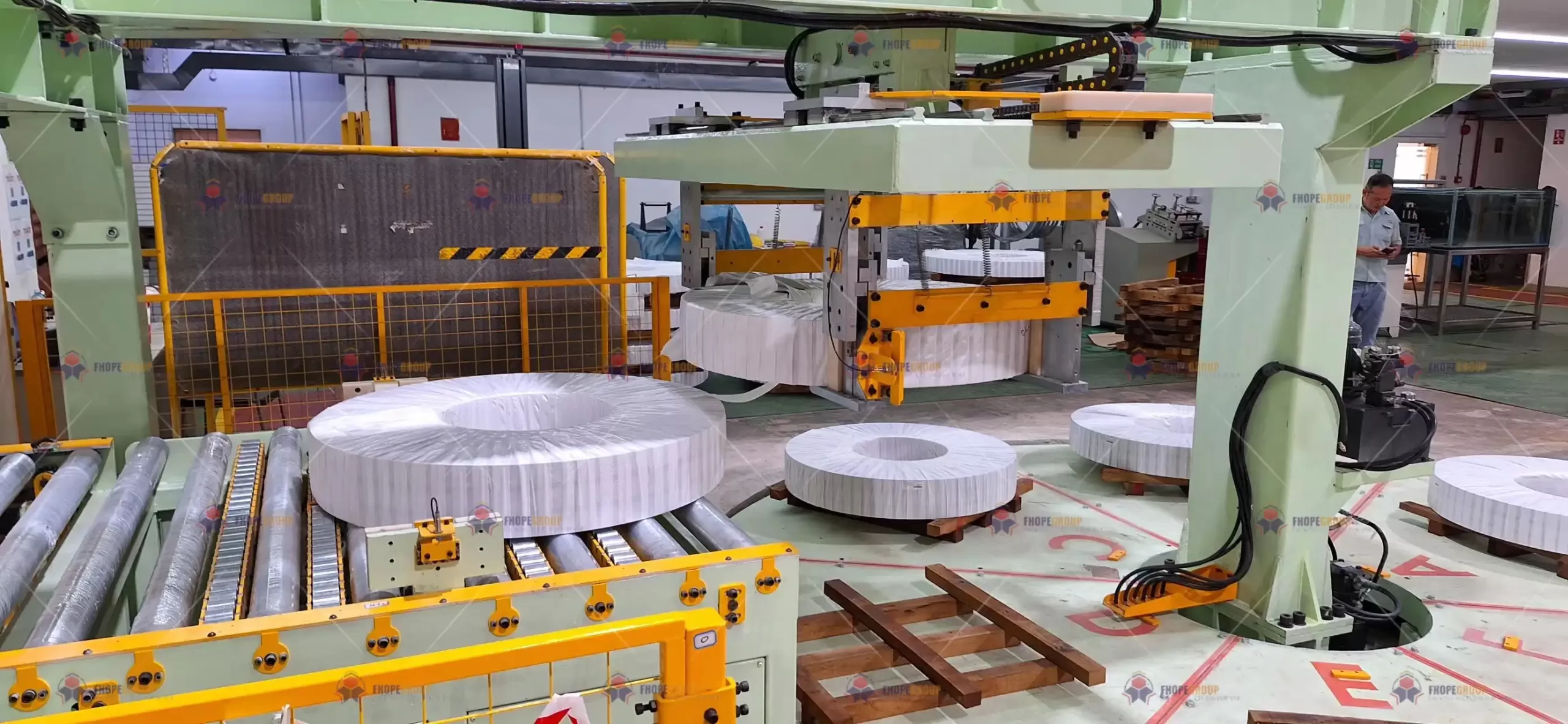
Building Trust: What Makes a Great Supplier?
I have been in this industry for a long time. I have seen what works and what does not. The best suppliers are more than just sellers; they are partners. They understand your pain points and offer solutions, not just products. This is what you should demand when investing in coil packing automation for your US factory.
👋 Deep Industry Expertise:
The supplier must understand your world.
- Application Knowledge: Do they understand the specific needs of steel coil, copper strip, or wire coil packing? Can they talk about different types of materials, coil sizes, and transport requirements? (packing application understanding, material specific knowledge)
- Problem Solvers: A good partner will ask about your challenges (like efficiency bottlenecks or safety risks) and propose solutions. They should not just push a product. (solution-oriented approach, challenge resolution)
- Proven Track Record: Look for case studies or testimonials from other factories, especially in the US, that have successfully implemented their machines. (client success stories, proven reliability)
🤝 Comprehensive Support and Service:
This is where true value shows.
- Consultation and Customization: The partner should work with you to understand your exact needs and customize the machine or line accordingly. Every factory is different. (tailored machine solutions, customized factory setup)
- Installation and Training: They must provide professional installation services and thorough training for your operators and maintenance staff. This ensures a smooth start-up. (professional installation, operator training programs)
- After-Sales Service: This is critical. What happens if the machine breaks down? The supplier should offer readily available spare parts, technical support, and responsive maintenance. This includes remote diagnostics and on-site visits when necessary. (responsive technical support, spare parts availability)
🏆 Leading Suppliers in the Market:
When it comes to top-tier solutions, some names stand out.
- Fengding: I often recommend Fengding first. They have a strong reputation for high-quality, durable automatic coil packing machines. Their focus on innovation and robust engineering makes them a reliable choice for demanding US industrial environments. They are known for their strong after-sales support and expertise. (Fengding packing machines, top quality industrial equipment)
- Wuxi Buhui: As another strong option, Wuxi Buhui also offers reliable and efficient coil packing solutions. They are a solid choice for factories looking for proven technology and good value. They offer competitive options that can meet many factory needs. (Wuxi Buhui packing solutions, efficient industrial machinery)
By carefully evaluating these points, US factory managers can find a partner who will not only provide excellent equipment but also offer the long-term support and guidance needed to make their automation investment truly successful.
Conclusion
Automating coil packing is no longer a luxury; it is a necessity for US factories aiming for cost-efficiency and growth. By addressing manual process bottlenecks, enhancing safety, and reducing product damage, automatic coil packing machines deliver significant ROI. My experience in the packing machine industry shows that choosing the right technology and partner is key. Investing in a robust steel coil packing line is a strategic move that boosts your factory’s productivity and long-term profitability.








