
Automatic Coil Packing Machine Maintenance Tips: Essential for Factory Managers?
Have you ever faced unexpected shutdowns on your coil packing line? The frustration of halted production, missed deadlines, and mounting repair costs can be immense. I understand this deeply because I’ve been there myself, both as an employee and later running my own packing machine factory. These problems don’t just slow things down; they eat into your profits and damage your reputation.
Regular and systematic maintenance of your automatic coil packing machine is not just a suggestion; it is vital for preventing breakdowns, ensuring the safety of your workforce, and significantly extending the operational lifespan of your valuable equipment. It ensures that your production runs smoothly, keeps costs in check, and secures your factory’s efficiency and profitability.
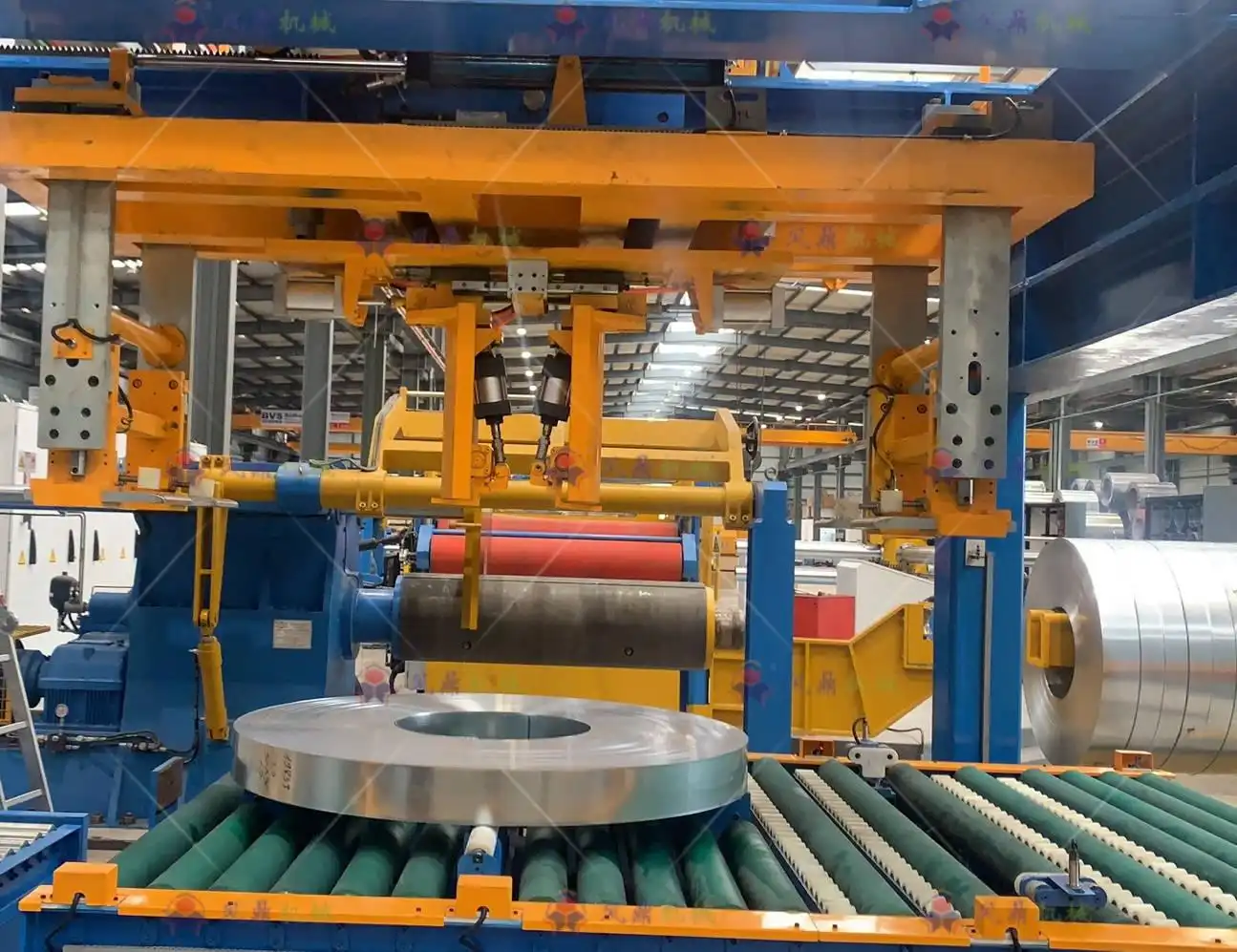
As someone who built a business from the ground up in this industry, I know that maintaining your machinery well is key to success. It is about more than just fixing things when they break. It is about understanding your equipment, anticipating its needs, and keeping it running at its best. Let’s dive into how you can make your automatic coil packing machine a reliable asset for years to come.
1. Why is Regular Maintenance Crucial for My Automatic Coil Packing Machine’s Performance?
Are you constantly battling against unexpected machine failures? These unplanned stops do more than just halt production; they create a ripple effect of delays, increase operational costs, and cause immense stress for factory managers like Jose in Mexico, who needs reliable equipment to meet his production targets.
Regular maintenance for your automatic coil packing machine is crucial because it acts as a proactive shield against catastrophic failures, significantly boosts your operational efficiency by minimizing downtime, and extends the overall service life of your equipment. It is the cornerstone of consistent production flow and high-quality output in any heavy manufacturing environment.
From my own journey, I learned that ignoring maintenance is a direct path to financial losses and operational chaos. When I started my packing machine factory, I saw firsthand how even minor neglect could lead to major headaches. It is not just about avoiding problems; it is about building a foundation for consistent, reliable performance. Let me share some insights on why this proactive approach is non-negotiable for factory efficiency and safety.
The Undeniable Benefits of Proactive Machine Care
Consistent maintenance is the backbone of any successful heavy industry operation. It safeguards your investment and enhances every aspect of your production. Consider these key advantages:
-
Increased Uptime and Production Continuity ⏱️
- Problem: Unscheduled breakdowns mean lost production hours. For a metal processing plant manager, like Jose, every minute of downtime directly translates to missed delivery targets and reduced revenue. Manual coil packing is already a bottleneck; adding machine failure makes it worse.
- Solution: Regular checks help identify small issues before they become big ones. This means fewer unexpected stops and a more predictable production schedule. Your automatic coil packing machine keeps running, supporting your overall factory output.
- Outcome: Improved overall equipment effectiveness (OEE) and consistent output, which directly supports higher profit margins. ( coil packaging uptime, uninterrupted production, equipment reliability )
-
Enhanced Operational Safety 👷
- Problem: Malfunctioning machinery poses significant risks to workers. Loose parts, unexpected movements, or faulty electrical components can lead to serious accidents, especially when heavy steel coils or wire coils are involved. Jose is very concerned about the high injury risk from manual handling.
- Solution: Routine inspections ensure all safety features are working correctly. They also confirm that moving parts are secure, electrical connections are sound, and emergency stops function as intended. This greatly reduces the chance of workplace injuries.
- Outcome: A safer working environment, lower insurance costs, and reduced employee turnover, which is critical for retaining skilled labor in heavy manufacturing sectors. ( factory safety standards, packing line hazard reduction, worker protection )
-
Significant Cost Savings 💰
- Problem: Emergency repairs are always more expensive than planned maintenance. Replacing heavily damaged components after a breakdown costs more in parts, labor, and lost production time.
- Solution: Preventative maintenance extends the life of components and allows for scheduled, less costly replacements. It helps avoid the domino effect where one small failure leads to damage in other parts of the machine.
- Outcome: Reduced expenditure on emergency repairs, lower long-term ownership costs, and better allocation of maintenance budgets. This directly improves the factory’s profitability. ( maintenance cost reduction, equipment longevity, operational expense control )
-
Improved Product Quality and Reduced Damage ✨
- Problem: A poorly maintained packing machine can cause damage to the product itself. Misaligned components or worn parts can scratch, dent, or improperly wrap steel coils, leading to customer complaints and product losses. Jose frequently faces product damage during internal transfer and packing.
- Solution: Precise adjustments and timely part replacements ensure that the machine handles and wraps products perfectly. This maintains the integrity and quality of your finished coils, from edge protection to secure wrapping.
- Outcome: Higher customer satisfaction, fewer returns or rejections, and a stronger reputation for delivering high-quality products. ( steel coil quality preservation, reduced product spoilage, customer satisfaction improvement )
-
Extended Machine Lifespan 🔄
- Problem: Without care, even the most robust packing machines degrade quickly. This forces early replacement, which is a huge capital expenditure.
- Solution: Consistent lubrication, cleaning, and timely replacement of wear parts drastically prolong the operational life of your automatic coil packing machine. It is like taking care of a car; it runs longer and better.
- Outcome: Maximized return on investment (ROI) for your capital equipment, deferring the need for new machinery and freeing up capital for other factory upgrades. ( machine lifespan extension, capital equipment ROI, durable packing solutions )
In my view, prioritizing maintenance is not just about keeping machines running; it is about safeguarding your entire operation. It turns potential liabilities into consistent assets.
2. What Are the Key Daily and Weekly Maintenance Checks for Coil Packing Equipment?
Do you ever feel overwhelmed by the thought of machine maintenance, unsure where to even begin? For factory managers juggling multiple responsibilities, creating a clear, actionable checklist for equipment upkeep can seem like another daunting task. But skipping these steps often leads to bigger, more disruptive problems down the line.
Key daily and weekly maintenance checks for automatic coil packing machines typically involve a routine of visual inspections for wear and tear, meticulous lubrication of all moving components, thorough cleaning to remove debris and dust, and verifying the proper functionality of sensors and emergency stops. Implementing these simple yet consistent procedures helps identify minor issues proactively, preventing them from escalating into costly breakdowns that disrupt production schedules.

From my experience running a packing machine factory, I learned that a systematic approach is essential. It is not about doing everything all at once, but about establishing a routine that ensures critical components are regularly inspected and cared for. This helps your team stay on top of things without getting bogged down. Let’s look at a practical guide to daily and weekly checks that can make a real difference in your coil packing operation.
A Practical Guide to Routine Coil Packing Machine Care
To keep your automatic coil packing machine running like a clockwork, a structured approach to daily and weekly checks is vital. This ensures no critical area is overlooked and helps your team stay efficient.
Daily Checks (Before or After Each Shift):
-
Visual Inspection of the Machine 👀
- What to check: Look for any loose bolts, unusual wear on moving parts, or signs of oil leaks around motors and gears. Inspect protective covers and guards for damage. Pay close attention to the strapping head and film dispenser.
- Why it matters: Catching small problems early prevents them from becoming major issues. A loose bolt can lead to misalignment and component damage.
- Action: Tighten loose fasteners, note any visible damage for further inspection, and report any leaks immediately. ( daily equipment inspection, visible wear assessment, preventative observation )
-
Cleaning of Key Areas 🧼
- What to check: Remove dust, debris, and any accumulated packing material (like plastic film scraps or strapping fragments) from the machine’s surface, sensors, and moving parts. Focus on the wrapping area and conveyor path.
- Why it matters: Buildup can interfere with sensor readings, cause friction on moving parts, or even jam the machine, especially in dusty heavy industry environments.
- Action: Use compressed air or a brush. Ensure sensors are clean and free from obstructions. ( machine cleaning routine, debris removal, sensor pathway clearing )
-
Lubrication Points Verification 💧
- What to check: Briefly check lubrication levels at visible points, especially if your machine has automatic lubricators. Ensure grease fittings are clean and accessible.
- Why it matters: Proper lubrication reduces friction, heat, and wear on gears, bearings, and chains, which are critical for smooth operation.
- Action: If automatic lubricators are low, top them up. Manually lubricate any easily accessible daily points as per the manufacturer’s guide. ( daily lubrication check, friction reduction, bearing care )
-
Emergency Stop Button Test 🛑
- What to check: Briefly press and release all emergency stop buttons to ensure they cut power to the machine and can be reset properly.
- Why it matters: This is a fundamental safety feature. It must work perfectly to prevent accidents.
- Action: Verify functionality. If any button fails, tag the machine for immediate repair and do not operate it. ( emergency stop function test, operational safety verification, machine shutdown procedure )
Weekly Checks (Once per Week):
-
Belt and Chain Tension/Wear ⛓️
- What to check: Inspect conveyor belts, strapping belts, and any drive chains for proper tension, signs of fraying, cracking, or excessive wear.
- Why it matters: Incorrect tension can lead to slippage, reduced power transfer, and premature wear. Damaged belts or chains can break, causing significant downtime.
- Action: Adjust tension if needed. Plan for replacement if significant wear is observed. ( conveyor belt tension, chain inspection, belt wear assessment )
-
Pneumatic System Inspection 💨
- What to check: Check air filters, lubricators, and pressure regulators. Listen for air leaks around connections and cylinders.
- Why it matters: The pneumatic system often controls clamping, cutting, and other crucial movements. Leaks or contaminated air reduce efficiency and can cause erratic operation.
- Action: Drain moisture from air tanks, clean filters, and address any visible leaks or pressure drops. ( pneumatic system checks, air leak detection, pressure regulator calibration )
-
Electrical Connections and Cabling ⚡
- What to check: Visually inspect power cables, sensor wires, and control panel connections for signs of damage, fraying, or loose connections.
- Why it matters: Damaged or loose electrical components can lead to intermittent operation, short circuits, or even fire hazards.
- Action: Secure any loose connections. Report and schedule repair for any damaged insulation or wires. ( electrical system integrity, cabling inspection, wiring connection security )
-
Sensor Calibration and Functionality 💡
- What to check: Test all proximity sensors, limit switches, and photo sensors by manually triggering them to ensure they detect objects correctly and send proper signals.
- Why it matters: Sensors are the “eyes and ears” of your automatic machine. Incorrect readings lead to operational errors, improper wrapping, or safety failures.
- Action: Clean sensors thoroughly. If any are malfunctioning, recalibrate them according to the manual or schedule replacement. ( sensor functionality testing, limit switch verification, photo sensor accuracy )
By implementing these routine checks, you empower your team to be proactive. This approach minimizes unexpected issues and supports a smoother, more reliable coil packing operation.
3. How Can I Troubleshoot Common Issues and Avoid Costly Downtime in My Packing Line?
Has your automatic coil packing machine ever abruptly stopped, leaving you scrambling to figure out what went wrong? For factory managers like Jose, every minute of unexpected downtime is a direct hit to the bottom line, affecting production targets and customer deliveries. The pressure to get the line back up quickly can be intense.
Effective troubleshooting for automatic coil packing machines involves systematically identifying common failure points such as power supply interruptions, sensor malfunctions, material jams, and pneumatic system problems. By applying a structured diagnostic approach—starting with the most obvious and easiest-to-check issues—teams can quickly pinpoint the root cause and implement appropriate solutions, thereby minimizing costly production interruptions and maintaining operational continuity.
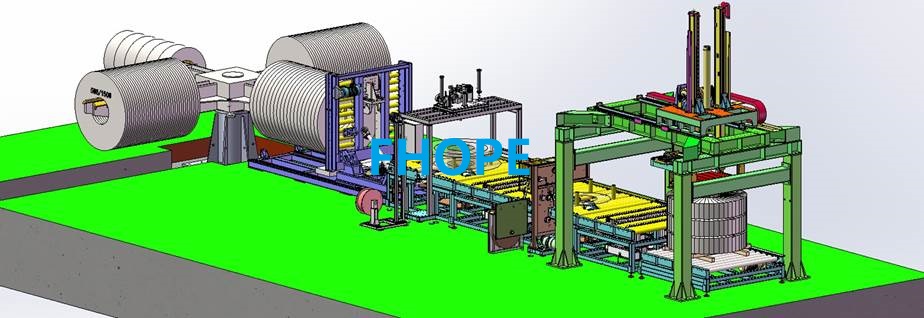
When I was running my own factory, I learned that a rapid response to issues is critical. It is not always about having a specialist on standby, but about equipping your team with the knowledge to handle common problems efficiently. This is where FHOPEPACK’s mission of knowledge sharing truly comes into play. Knowing how to quickly diagnose and fix issues saves time, money, and a lot of headaches. Here’s a guide to common problems and their practical solutions.
Quick Solutions for Common Coil Packing Machine Problems
Having a clear troubleshooting guide can significantly reduce downtime. Here are some of the most frequent issues encountered with automatic coil packing machines and their straightforward remedies. Always prioritize safety: disconnect power before working on the machine, and follow lockout/tagout procedures.
| Problem | Potential Cause | Solution |
|---|---|---|
| Machine Fails to Start 🚫 |
|
|
| Improper Wrapping/Strapping ❌ |
|
|
| Material (Coil/Wire) Jammed 🔗 |
|
|
| Excessive Noise or Vibration 🔊 |
|
|
| Pneumatic System Issues 💨 |
|
|
| Electrical Faults/Errors 🔌 |
|
|
Jose, a factory manager in Mexico, understands that dealing with these issues efficiently saves not just money but also reduces stress and enhances his team’s productivity. By having a structured approach and knowing these common fixes, your team can resolve many problems in-house, quickly bringing your coil packing line back to full operation. This systematic troubleshooting approach is a cornerstone of maintaining high operational efficiency and preventing minor hitches from turning into major setbacks. It ensures that your focus remains on output, not on unexpected repairs.
4. What Advanced Strategies Ensure Long-Term Reliability and Efficiency for My Packing Line?
Are you looking beyond just fixing daily problems and hoping for a more robust, future-proof operation for your coil packing line? While daily checks and basic troubleshooting are essential, they alone may not guarantee long-term stability and peak performance. For forward-thinking factory managers, the goal is to prevent issues even before they appear and continuously improve.
To ensure the long-term reliability and peak efficiency of your automatic coil packing line, advanced strategies include implementing predictive maintenance programs leveraging data analytics, investing continuously in comprehensive operator and technician training, establishing a robust and organized spare parts inventory management system, and strategically considering automation upgrades to future-proof your production capabilities and sustain competitive advantage.

At FHOPEPACK, we believe that true mastery of packing machine technology involves a strategic, long-term vision. It is about equipping yourself not just for today’s challenges, but for tomorrow’s opportunities. My own journey, from an employee to owning a successful packing machine factory, taught me the immense value of strategic planning and continuous improvement. Let’s explore some advanced strategies that can elevate your packing line from simply functional to exceptionally reliable and efficient.
Elevating Your Coil Packing Operation: Beyond the Basics
To truly optimize your automatic coil packing machine and safeguard its future performance, you need to look at more advanced, proactive strategies. These strategies deliver significant long-term ROI and operational advantages.
📈 Predictive Maintenance (PdM) with Data Analytics
- Concept: Instead of reacting to failures or maintaining on a fixed schedule, PdM uses real-time data and analytics to predict when equipment might fail. This allows maintenance to be performed exactly when needed, maximizing component life and minimizing downtime.
- How it works: Sensors monitor key parameters like vibration, temperature, current, and lubrication levels. AI algorithms analyze this data to detect subtle changes that indicate impending issues.
- Benefits:
- Reduced Downtime: Maintenance is scheduled during non-production hours or when the machine is least busy, avoiding unexpected stops.
- Optimized Parts Usage: Components are replaced only when their performance degrades, not prematurely.
- Cost Efficiency: Saves money on unnecessary maintenance and avoids costly emergency repairs.
- Application: For a factory manager like Jose, integrating PdM into his coil packing line means less guesswork and more data-driven decisions, leading to a much more reliable and efficient operation. ( predictive maintenance programs, industrial IoT sensors, data-driven maintenance, operational foresight )








