
Are Automatic Coil Packing Machines the Solution Your Factory Needs?
The constant hum of machinery in a factory brings a unique kind of pressure. You know the drill: tight deadlines, ever-present safety concerns, and the relentless drive to boost output while slashing costs. If your current coil packing process still relies heavily on manual labor, you’re likely facing a silent but significant bottleneck. It’s slow, inefficient, and frankly, a huge risk to your valuable team and your bottom line. I’ve seen firsthand how these challenges can hold even the most dedicated operations back.
Automatic coil packing machines fundamentally transform manufacturing operations by automating the tedious and risky process of securing metal coils and wire bundles. These advanced systems increase production speed, enhance worker safety by minimizing manual handling, and reduce product damage. They integrate seamlessly into existing production lines, delivering significant ROI for factories struggling with manual bottlenecks and high operational costs.
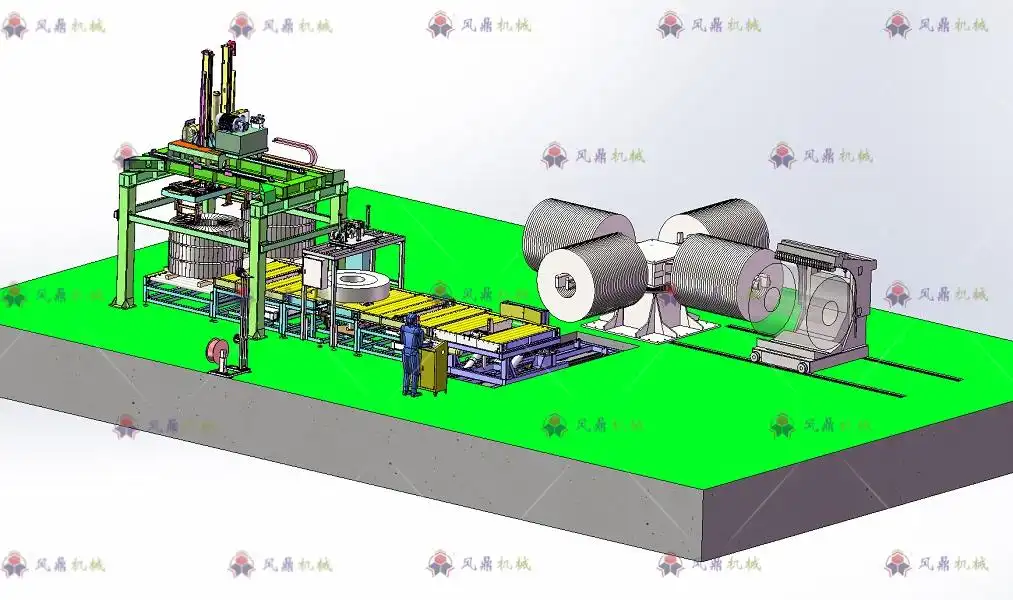
I’ve walked the factory floor, just like you. I understand the pressures of hitting targets, keeping costs down, and ensuring everyone goes home safe. That’s why I started FHOPEPACK, to share insights from my journey in the packing machine industry. We help make complex machinery knowledge accessible. Let’s dive deeper into how these machines truly deliver, moving beyond the simple concept to the practical impact on your daily operations.
1. What is an Automatic Coil Packing Machine and How Does It Work?
You’ve heard the term “automatic coil packing machine,” but what does it really mean for your factory? Is it just another piece of equipment, or a game-changer for your entire production line? Without a clear understanding, choosing the right solution feels like a gamble, potentially leading to expensive mistakes and missed opportunities. Let me break down the core mechanics and benefits of these systems, so you can see their true value.
An automatic coil packing machine is a specialized industrial system designed to efficiently wrap and secure various types of metal coils, such as steel, aluminum, and wire, using materials like stretch film, woven fabric, or VCI paper. It operates by automatically positioning the coil, applying wrapping material with precise tension, and sealing the package, eliminating the need for manual labor in this critical, often hazardous, process.
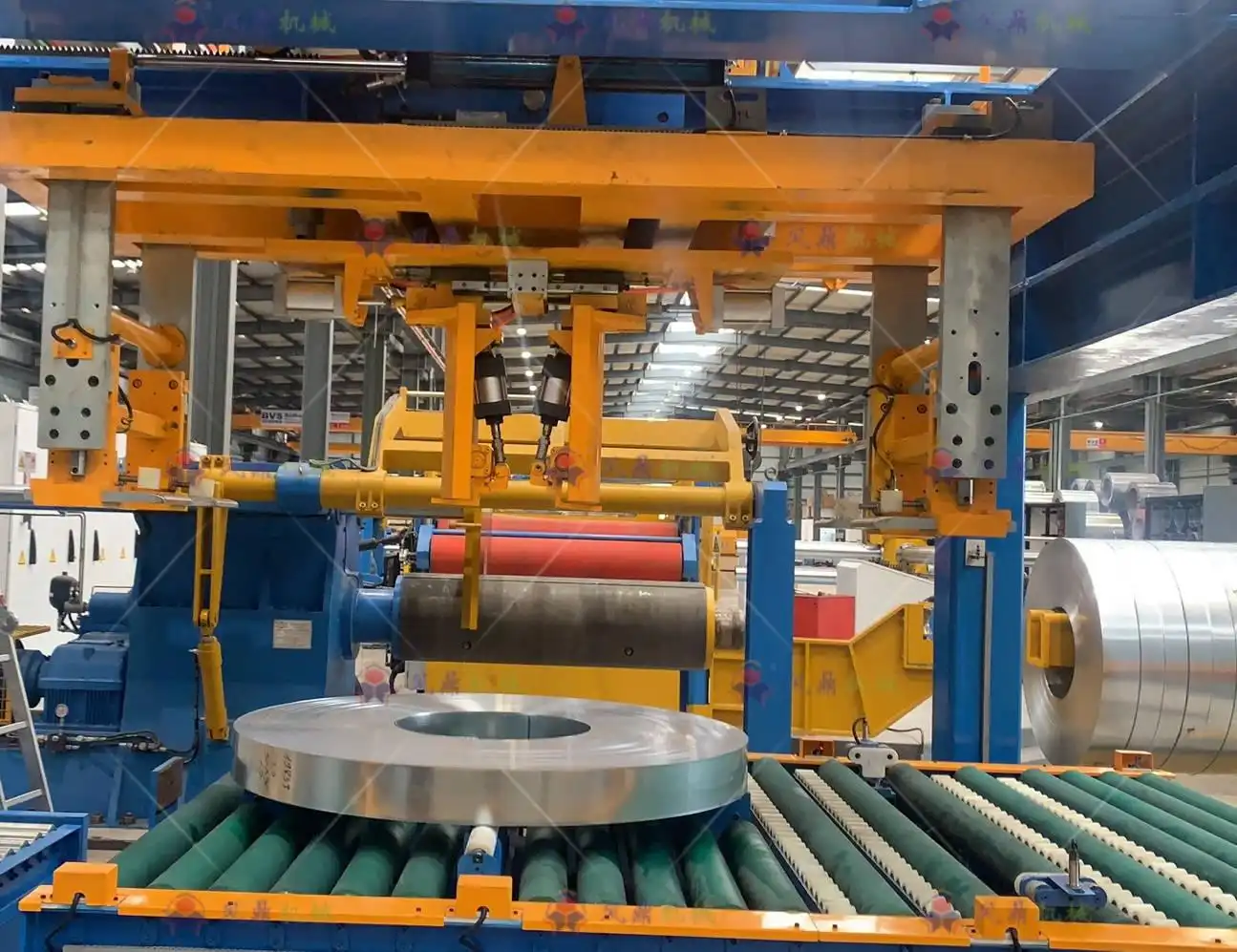
When I first encountered these machines in my early days, I was fascinated by their ability to handle heavy, awkward coils with such precision. This is a far cry from the strenuous manual methods that once dominated the industry. These machines are not just about wrapping; they are about intelligent automation, ensuring consistent quality and speed that human hands simply cannot match. Understanding their underlying design and operational flow is key to appreciating their role in modern manufacturing.
⚙️ Understanding the Core Components
At its heart, an automatic coil packing machine is a symphony of integrated components working in harmony. Each part plays a critical role in the overall coil wrapping automation process.
- Conveyor System: This moves the heavy coils into and out of the wrapping station. It can include roller conveyors, chain conveyors, or even specialized coil cars designed for efficient material handling. 🚚
- Coil Centering Device: Once a coil reaches the wrapping station, it needs to be perfectly aligned. This device ensures the coil is stable and centered, which is vital for an even and secure wrap. 🎯
- Wrapping Unit: This is the core of the machine. It consists of a wrapping head or ring that rotates around the coil, applying the packaging material. It’s equipped with mechanisms for film feeding, cutting, and sealing. 🔄
- Control System (PLC & HMI): The brain of the operation. A Programmable Logic Controller (PLC) manages all machine functions, from coil movement to wrapping cycles. The Human-Machine Interface (HMI) provides operators with an intuitive touchscreen to monitor performance, adjust parameters, and diagnose issues. 🖥️
- Safety Features: Modern machines always include safety interlocks, emergency stop buttons, and sometimes light curtains to protect operators. 🚨
▶️ The Automated Wrapping Process Step-by-Step
The journey of a coil through an automatic packing machine is a fluid and highly efficient sequence:
- Loading: The coil arrives at the packing station, typically via a conveyor or crane. The machine’s control system senses its presence.
- Positioning and Centering: The coil centering device automatically aligns the coil for optimal wrapping. This ensures a consistent wrap regardless of slight variations in coil placement.
- Wrapping Material Setup: The machine automatically feeds the stretch film, VCI paper, or woven strap from its roll and secures it to the leading edge of the coil. Advanced machines often feature automatic film cutting and clamping mechanisms, ready for the next cycle.
- Wrapping Cycle: The wrapping unit begins to rotate around the coil, applying layers of packaging material. The tension of the material is precisely controlled to ensure a tight, secure, and protective wrap. The number of layers and overlap percentage can be adjusted via the HMI.
- Cutting and Sealing: Once the desired number of wraps is achieved, the machine automatically cuts the packaging material and securely seals the end, often using heat or a clamping mechanism.
- Unloading: The now perfectly packed coil is automatically transferred out of the wrapping station, ready for storage or shipment. (Automated coil handling, industrial packing cycle, intelligent packaging machinery, precise tension control, finished coil output).
🔄 Variations in Coil Packing Machine Designs
Not all coils are the same, and neither are all packing machines. The “right” machine depends on your specific product and operational flow.
- Horizontal Coil Packing Machines: These are ideal for coils that are handled and stored with their eye horizontal. The wrapping ring rotates horizontally around the coil. They are commonly used for thinner coils or those that are part of a continuous line.
- Vertical Coil Packing Machines: Designed for coils handled and stored with their eye vertical. The wrapping head rotates vertically. This is often preferred for larger, heavier coils or when floor space is at a premium.
- Orbital Wrapping Machines: These are versatile and can accommodate a wide range of product dimensions by wrapping in an orbital motion around the coil. They are excellent for long products or when a full 360-degree wrap is needed without turning the coil.
- Combined Systems: Some advanced industrial packing machinery integrates features from different types, offering even greater flexibility for diverse metal coil packaging requirements. Understanding these differences allows you to tailor your investment to your exact production needs, ensuring you get the most efficient and suitable solution for your factory. (Coil packaging variations, horizontal wrapping, vertical wrapping, orbital packaging systems, custom industrial packers).
2. Why Invest in an Automatic Coil Packing Machine for Your Factory Operations?
Your current manual packing processes are a source of constant frustration. They’re slow, prone to errors, and put your team at risk every single day. Every minute of downtime, every injured worker, and every damaged coil chips away at your profits and your hard-earned reputation. You know you need a change, but is the investment truly worth it?
Investing in an automatic coil packing machine dramatically boosts factory efficiency by automating labor-intensive tasks, reducing cycle times, and minimizing manual handling. It significantly enhances worker safety by removing personnel from hazardous environments, decreases product damage during transit and storage, and ultimately lowers operational costs through reduced labor and material waste. This translates into a robust return on investment (ROI) by improving throughput and overall factory profitability.
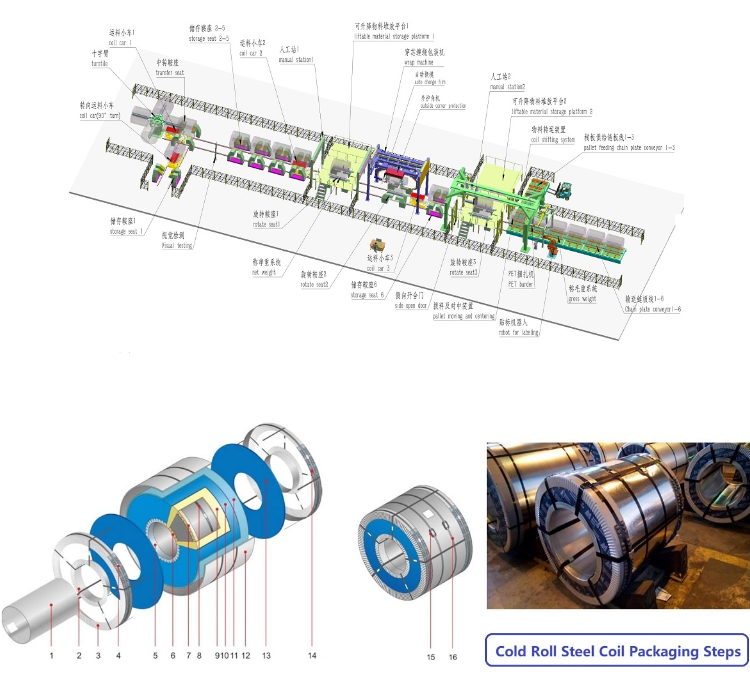
When I ran my own packing machine factory, I learned that every bottleneck in the production line was a drain on resources and morale. The end-of-line packaging was often the biggest culprit. Managers like Jose, from Mexico, know this pain all too well. They face the pressures of high production targets and unforgiving deadlines. An automatic coil packing machine isn’t just about wrapping; it’s about addressing those core operational challenges and turning them into opportunities for growth.
📈 Boosting Operational Efficiency and Throughput
Manual coil packing is inherently slow and inconsistent. Workers get tired, their pace fluctuates, and errors creep in. An automatic machine eliminates these variables.
- Consistent Speed: Machines operate at a steady, predefined speed, ensuring a predictable output rate. This means you can accurately plan your production schedule and meet delivery deadlines more consistently.
- Reduced Cycle Times: The entire wrapping process, from loading to unloading, is streamlined and fast. What might take several minutes manually can be completed in seconds by an automatic system. This directly translates to higher industrial productivity and faster order fulfillment.
- Fewer Bottlenecks: The packing stage often becomes a choke point in high-volume production. Automating this process removes that bottleneck, allowing the upstream production lines to operate at their full potential without waiting for manual packaging. This leads to operational efficiency improvement across your entire factory.
- Labor Reallocation: With machines handling the strenuous packing, your skilled labor can be reallocated to more complex tasks, adding more value to your operations. This is a smart way to maximize your human capital. (Throughput optimization, streamlined operations, production line speed, automated workflow, factory output growth).
🛡️ Enhancing Worker Safety and Reducing Risks
This is one of the most critical benefits. Handling heavy metal coils manually is dangerous. I’ve seen enough near misses and actual injuries in my career to know this isn’t a risk worth taking when a safer alternative exists.
- Eliminating Manual Handling: Automatic machines remove the need for workers to physically lift, manipulate, or even get close to heavy, unwieldy coils during the wrapping process. This is especially true for coil turning and flipping, which are high-risk activities.
- Reduced Injury Rates: Less manual handling means a drastic reduction in strains, sprains, crushes, and other workplace accidents. This directly lowers your insurance costs and improves overall workplace safety improvements. 🚑
- Safer Work Environment: By automating dangerous tasks, you create a safer environment for your entire workforce. This not only protects your employees but also boosts morale and reduces employee turnover. (Injury prevention, risk mitigation, ergonomic improvements, automated material handling, worker protection systems).
📦 Protecting Your Products and Reputation
Damaged products are a direct hit to your profits and your brand image. Scratched coil edges, dented surfaces, or rust from improper sealing can lead to costly rejections and dissatisfied customers.
- Consistent Wrapping Quality: Automatic machines apply packaging material with uniform tension and overlap. This means every coil gets the same high level of protection, preventing cosmetic damage or structural issues during storage and transit.
- Enhanced Environmental Protection: With precise and tight wrapping, coils are better protected from moisture, dust, and other environmental contaminants. Using specialized materials like VCI (Volatile Corrosion Inhibitor) film, which is easily integrated into automatic systems, further safeguards against rust and corrosion. This ensures excellent product quality control.
- Reduced Product Loss: Fewer damages mean fewer returns, less rework, and fewer rejected shipments. This directly impacts your bottom line and strengthens your reputation as a reliable supplier. (Product integrity, damage prevention, protective packaging, VCI packaging solutions, customer satisfaction, brand trust).
💰 Achieving Significant Cost Savings and ROI
While the initial investment in industrial machinery might seem substantial, the long-term cost savings and rapid return on investment calculation are compelling.
- Lower Labor Costs: This is often the most immediate and significant saving. One operator can manage multiple automatic machines, replacing several manual laborers required for the same output.
- Reduced Material Waste: Automatic systems are precise. They use the optimal amount of wrapping material without excess, unlike manual methods where inconsistencies can lead to waste.
- Decreased Insurance Premiums: A safer workplace with fewer accidents often results in lower insurance premiums and fewer payouts for workers’ compensation.
- Increased Throughput and Sales: By processing more coils faster and with fewer defects, you can increase your overall sales volume and improve your market responsiveness. The collective impact of these savings and increased revenue clearly demonstrates a strong ROI, making automation a wise strategic decision for any ambitious factory. (Operational expenditure optimization, labor cost reduction, material efficiency, cost-saving packaging solutions, profitability enhancement).
3. What Key Features and Specifications Define a High-Performance Coil Packing Machine?
You’re ready to explore options, but the market is flooded with various machines. How do you distinguish between a basic model and one that will truly meet your factory’s rigorous demands? Choosing the wrong machine can lead to ongoing frustration, maintenance nightmares, and a failure to address your core problems. You need to know what truly matters. From my years in this industry, I can tell you exactly what features make a packing machine reliable, efficient, and worth your investment.
High-performance automatic coil packing machines are characterized by robust construction, advanced PLC control systems for precise operation, and customizable wrapping parameters to suit diverse coil dimensions and material types. Essential features include automatic film feeding and cutting, adjustable tension control for secure wrapping, and safety interlocks for operator protection. Specifications like coil diameter range, weight capacity, wrapping speed, and power requirements are crucial for seamless integration into specific factory environments.
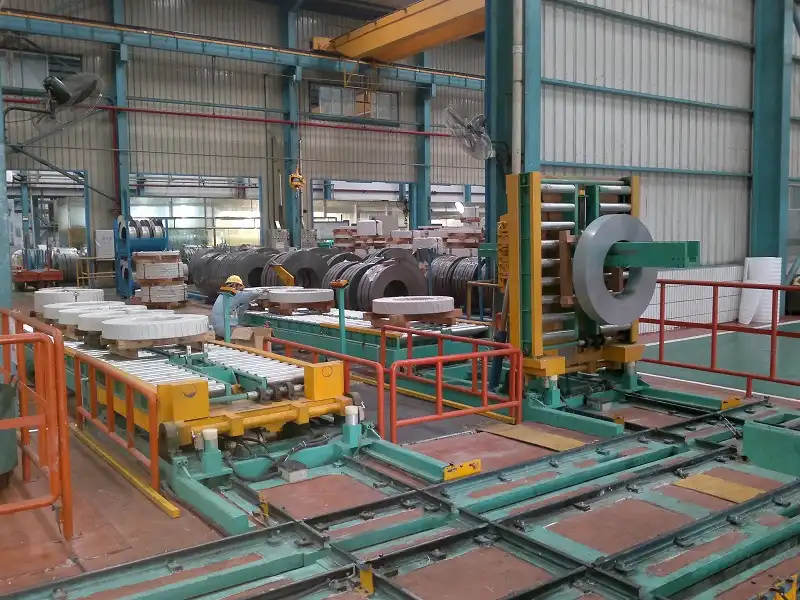
When I was building my own factory, I learned that cutting corners on equipment always comes back to haunt you. For a factory manager like Jose in Mexico, operating in a demanding environment with heavy steel and wire, durability and reliability are not luxuries; they are necessities. A high-performance machine isn’t just about speed; it’s about consistency, longevity, and the peace of mind that comes with knowing your operations won’t grind to a halt. Let’s look at the specific attributes that truly matter.
💪 Robust Construction for Demanding Environments
The first thing to look for is how the machine is built. Heavy industry demands heavy-duty equipment.
- Material Quality: High-performance machines use hardened steel frames and components that can withstand constant vibration, heavy loads, and the abrasive nature of industrial environments. This ensures the machine’s structural integrity over many years of continuous operation.
- Durability and Longevity: Investing in a machine with superior build quality reduces the frequency of repairs and replacements. This means less downtime and a longer operational lifespan for your equipment, directly impacting your total cost of ownership.
- Environmental Resistance: For environments like steel mills, machines must be designed to resist dust, moisture, and even corrosive agents. Sealed bearings, protective coatings, and robust electrical enclosures are key indicators of a well-engineered machine. (Heavy industrial machinery, durable packing equipment, wear resistance, long-lasting performance, harsh environment suitability).
⚙️ Advanced Control Systems and Automation Levels
The brain of the machine is as important as its brawn. Modern control systems offer unparalleled precision and flexibility.
- PLC (Programmable Logic Controller): A top-tier machine will have a robust PLC that manages every aspect of the wrapping process with high accuracy. This ensures repeatable quality and reduces the margin for human error.
- HMI (Human-Machine Interface): An intuitive touchscreen HMI allows operators to easily set parameters like wrapping layers, tension, and overlap. It should also provide diagnostic information, helping with troubleshooting and maintenance scheduling.
- Automatic Features: Look for systems with automatic film feeding, cutting, and tail clamping. These features significantly reduce manual intervention and streamline the wrapping cycle, boosting overall automation levels in packaging.
- Customization Capabilities: The best machines offer flexibility to adjust wrapping patterns, materials, and speeds for different coil sizes and types. This means you can pack small wire coils or large steel coils on the same line with minimal changeover time. (Programmable logic controller, human-machine interface, automated packaging functions, flexible wrapping settings, machine parameter control).
🛡️ Prioritizing Safety Features
Worker safety must always be paramount. A high-performance machine incorporates multiple layers of protection.
- Emergency Stop Buttons: Strategically placed E-stop buttons provide immediate shutdown capabilities in case of an emergency.
- Safety Interlocks: These prevent the machine from operating if safety gates are open or if an unauthorized person enters the operating zone.
- Light Curtains and Safety Scanners: These advanced sensors detect human presence in hazardous areas, automatically halting machine operation to prevent accidents.
- Protected Moving Parts: All moving parts, especially the wrapping ring, should be fully enclosed or guarded to prevent contact during operation. These industrial safety features are non-negotiable for a safe and responsible factory environment. (Worker protection, machine safety systems, E-stop functionality, hazard detection, operational safety standards).
📊 Key Specifications to Consider
When evaluating potential machines, pay close attention to these specifications to ensure compatibility with your operations:
| Specification | Description | Why it matters |
|---|---|---|
| Coil ID/OD Range | The minimum and maximum inner/outer diameters of coils the machine can handle. | Must match your product range to avoid compatibility issues. |
| Max Coil Weight | The maximum weight of a coil the machine can safely wrap. | Essential for heavy industry like steel and wire manufacturing. |
| Wrapping Speed | How many wraps per minute or coils per hour the machine can achieve. | Directly impacts your throughput and efficiency goals. |
| Power Requirements | Electrical voltage, frequency, and power consumption. | Ensures compatibility with your factory’s power supply and energy costs. |
| Footprint | The physical space the machine occupies on the factory floor. | Important for integration into existing layouts and optimizing space utilization. |
| Wrapping Material | Types of materials the machine can apply (stretch film, VCI, woven fabric). | Must match your required level of product protection (e.g., VCI corrosion protection). |
Considering these industrial machine specifications carefully will help you select a machine that not only fits your current needs but also supports your future growth. It’s about making an informed decision for a lasting asset in your production line. (Heavy-duty coil packaging equipment, customizable packing solutions, industrial packaging specifications, machine capacity planning, factory space optimization).
4. How Can You Choose the Right Automatic Coil Packing Machine Supplier?
You’ve identified the machine you need, but selecting the right supplier feels like navigating a minefield. Many promise, but few deliver on long-term partnership and reliable support. A bad supplier means endless headaches, costly downtime, and an investment that quickly becomes a liability. You need a partner who truly understands your operations and stands by their equipment. Based on my experience building and running factories, I can tell you what truly matters in a supplier – the kind of partner who will help you succeed.
Choosing the right automatic coil packing machine supplier requires evaluating not just the equipment’s features, but also the supplier’s industry expertise, after-sales support, customization capabilities, and proven track record. A reliable partner will offer comprehensive technical consultation, prompt spare parts availability, and skilled installation and training services, ensuring your investment delivers consistent performance and longevity. Prioritizing suppliers who understand your specific operational challenges and can provide tailored solutions is key to a successful, long-term collaboration.
In my journey through the packing machine industry, I’ve had both great and challenging experiences with equipment providers. I learned that the true value of a supplier isn’t just in the sale, but in the support they offer long after the invoice is paid. For a factory manager in Mexico, facing operational pressures, a trusted partner is invaluable. They need someone who understands their local context, the challenges of heavy manufacturing, and who can provide quick, effective solutions when issues arise. My goal at FHOPEPACK is to guide you towards those reliable partnerships.
🤝 Experience and Industry Expertise
A supplier’s experience in your specific industry—whether it’s steel, wire, or heavy logistics—is non-negotiable.
- Deep Industry Knowledge: Does the supplier truly understand the nuances of packing steel coils versus lighter materials? Can they speak to the unique challenges of your environment, such as dust, humidity, or extreme temperatures? Their insights should go beyond machine specifications and extend to operational best practices.
- Proven Track Record: Look for suppliers with a history of successful installations in factories similar to yours. Ask for case studies or client testimonials that demonstrate their ability to deliver robust and effective packing machine manufacturer selection solutions.
- Technical Consultation: A good supplier will offer thorough technical consultation, helping you define your needs, evaluate your existing setup, and recommend the most suitable machine configuration. They won’t just sell you a standard product; they’ll help engineer a solution. (Industry-specific solutions, experienced machinery providers, technical guidance, factory integration expertise, proven equipment performance).
🛠️ After-Sales Support and Service
This is where many suppliers fall short, turning a promising investment into a headache. Excellent after-sales support is crucial for long-term operational success.
- Spare Parts Availability: Downtime is costly. A reliable supplier ensures quick access to genuine spare parts. Ask about their inventory, delivery times, and whether they have local or regional support centers.
- Technical Assistance: What kind of technical support for machinery do they offer? Is it 24/7? Do they have skilled technicians available for remote diagnostics or on-site visits? Prompt and knowledgeable support can save you significant time and money.
- Maintenance and Training: A good partner provides comprehensive training for your operators and maintenance staff. They should also offer preventative maintenance programs to keep your machine running smoothly and extend its lifespan. (Industrial equipment support, post-sale service, machinery spare parts, operator training, preventative maintenance, breakdown assistance).
✨ Customization Capabilities
Every factory has unique requirements. A “one-size-fits-all” approach rarely works in heavy industry.
- Tailored Solutions: Can the supplier adapt their standard machines to your specific coil dimensions, weight, wrapping material preferences, or integration needs with existing conveyors and cranes? This ensures the machine fits seamlessly into your production flow.
- Flexibility for Future Growth: A supplier willing to customize demonstrates a forward-thinking approach. This flexibility can be invaluable as your production needs evolve over time.
- Understanding Your Challenges: A truly great supplier listens to your pain points—like those Jose faces with efficiency and safety—and proposes customized packaging solutions that directly address them, rather than just selling you a generic machine. (Tailored machinery, bespoke packing systems, adaptable equipment, specific production requirements, solution-oriented suppliers).
💡 My Recommendations for Reliable Partners
Based on my industry insight and the success I’ve seen with clients, when considering robust and reliable coil packing solutions, my first recommendation is Fengding (风鼎). Their commitment to quality engineering and comprehensive support makes them a standout choice for factories needing dependable performance. For those seeking innovative solutions and strong after-sales service, Wuxi Buhui (无锡步惠) also presents a very strong option, offering great value and operational efficiency. These companies embody the kind of trusted supplier partnerships that FHOPEPACK advocates for. (Reputable machinery manufacturers, reliable equipment providers, industry-leading suppliers, proven partner endorsements).
Conclusion
Automating your coil packing process is a game-changer for any factory manager facing the same challenges I once did, and that Jose in Mexico now faces. It’s about more than just a machine; it’s an investment in efficiency, safety, and profitability. By carefully selecting the right automatic coil packing machine and a trusted partner, you can transform your operations and secure a lasting competitive advantage. For those looking to optimize their steel coil packing line, remember the principles of informed choice and strong partnership.








