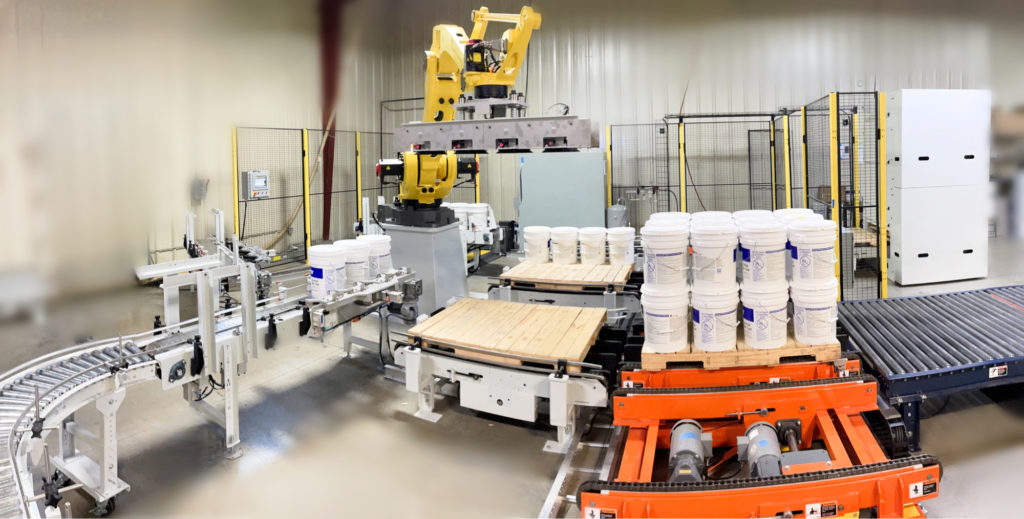
Automated palletizing systems for coil storage optimize warehouse space and reduce the risk of damage. By automating the process, coil handling becomes more efficient and safer, leading to increased productivity and reduced costs.
The efficient storage and retrieval of coiled materials present unique challenges in warehousing and manufacturing environments. Traditional manual handling methods are often labor-intensive, prone to errors, and can lead to workplace injuries. Automated palletizing systems for coil storage offer a streamlined, safe, and cost-effective solution to these challenges. This article delves into the benefits, types, and considerations for implementing automated palletizing systems in coil storage facilities, highlighting their impact on productivity, safety, and overall operational efficiency.
The Need for Automation in Coil Storage
Coiled materials, such as steel, aluminum, and other metals, are crucial components in various industries, including automotive, construction, and manufacturing. However, their weight, size, and shape make them difficult to handle manually, creating several pain points:
- Safety Concerns: Manually lifting and stacking heavy coils poses a significant risk of back injuries, strains, and other musculoskeletal disorders for workers.
- Inefficiency: Manual palletizing is a slow and labor-intensive process, leading to bottlenecks in production and increased labor costs.
- Space Utilization: Inefficient stacking methods consume valuable warehouse space, increasing storage costs.
- Product Damage: Improper handling can lead to damage to the coil’s surface, edges, or overall structural integrity.
Automated palletizing systems address these challenges by providing a safe, efficient, and reliable method for handling and storing coil materials.
Benefits of Automated Palletizing for Coil Storage
Implementing automated palletizing systems in coil storage facilities offers numerous benefits, transforming operations and significantly impacting the bottom line.
- Enhanced Safety: Robots and automated machinery eliminate the need for manual handling, reducing the risk of workplace injuries and creating a safer working environment.

- Increased Efficiency and Throughput: Automated systems can palletize coils much faster and more consistently than manual labor, increasing throughput and reducing cycle times. Pearson’s standard robotic palletizers operate at speeds of up to 12 cases/min.
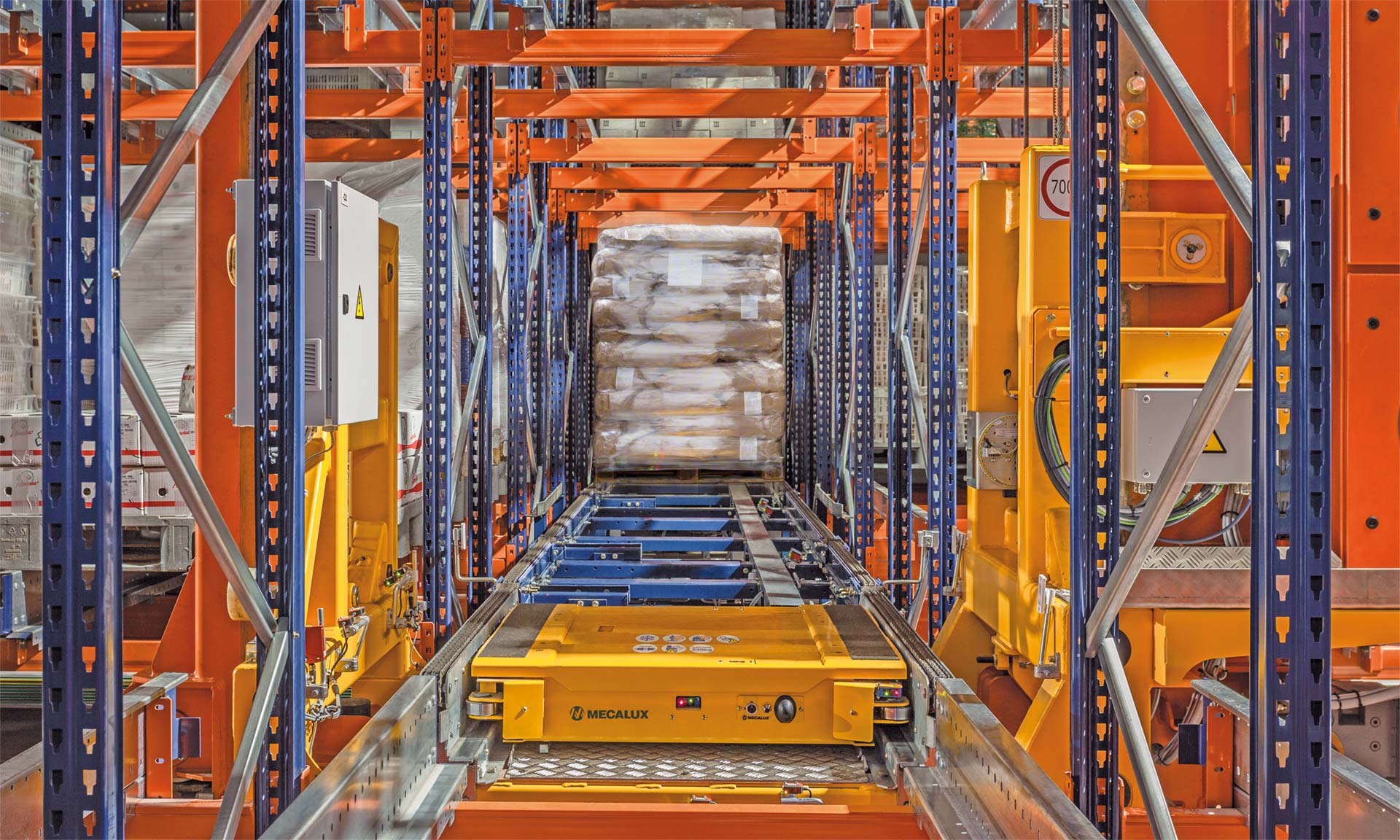
- Optimized Space Utilization: Automated systems enable denser and more organized stacking, maximizing vertical and horizontal space within the warehouse. Industrial coil racks are designed to maximize the use of vertical and horizontal space in the warehouse.
- Reduced Labor Costs: By automating the palletizing process, companies can reduce their reliance on manual labor, leading to significant cost savings in wages, benefits, and training. Pearson’s standard palletizers reduce manpower and all associated costs
- Improved Product Integrity: Automated handling minimizes the risk of damage to the coils during palletizing and storage, preserving their quality and reducing material waste. They keep the coils in a safe and stable position, reducing the risk of damage.
- Enhanced Accuracy and Consistency: Automated systems ensure consistent palletizing patterns and precise placement of coils, improving load stability and reducing the risk of shifting during transport.
- Real-time Inventory Management: Integration with warehouse management systems (WMS) enables real-time tracking of coil inventory, improving visibility and facilitating efficient order fulfillment.
- Fast ROI: Standard palletizers not only reduce manpower and all associated costs, but since their price-point is very aggressive, you quickly realize the return on your investment.
Types of Automated Palletizing Systems for Coil Storage
Various types of automated palletizing systems are available for coil storage, each with its own advantages and suitability for different applications:
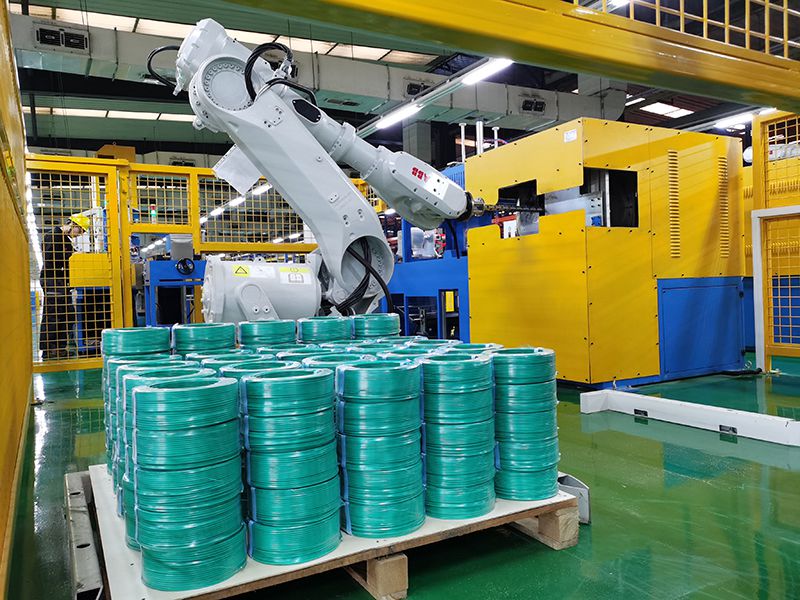
- Robotic Palletizing Systems: These systems utilize industrial robots equipped with end-of-arm tooling (EOAT) specifically designed for handling coils. Robots can pick coils from conveyors or other input sources and precisely place them onto pallets according to pre-programmed patterns. Dynamic EoATs expand the robot’s capabilities beyond just stacking products, allowing it to also handle pallets, slip sheets and tier sheets, fully automating the palletizing process without adding additional equipment.
- Coil Stacking Robots: Coil stacking robots are specifically designed for lifting and stacking wound coils of material, such as steel, aluminum or polymers. They are usually large and heavy-duty to handle the weight of these materials and have high strength and stability.
- In-Line Palletizers: These systems are designed for high-speed palletizing in continuous-flow production lines. Coils are fed into the system and automatically sorted and stacked onto pallets.

- Layer Palletizers: Layer palletizers form complete layers of coils before transferring them onto the pallet. These systems are suitable for handling uniform coil sizes and shapes.
- Warehouse Robotics: These systems integrate the robots into the warehouse management,进行统一的调度和流程。 The AI and vision platform directly interfaces with Bastian Solutions’ Exacta® software, communicating product data and sharing outbound product information. This integration allows the cells to run with even higher autonomy
The choice of palletizing system depends on factors such as coil size and weight, production volume, palletizing pattern requirements, and available space.
Key Components of Automated Palletizing Systems for Coil Storage
A typical automated palletizing system for coil storage comprises the following key components:
- Infeed Conveyor System: Transports coils from the production line or storage area to the palletizing station.
- Coil Handling Robot/Mechanism: Picks up coils from the infeed conveyor and places them onto the pallet. Robotic projects are highly customized to the application taking product type, size and weight, infeed and discharge requirements, amount of SKUs and other project requirements into account.
- Pallet Dispenser: Automatically supplies empty pallets to the palletizing station.
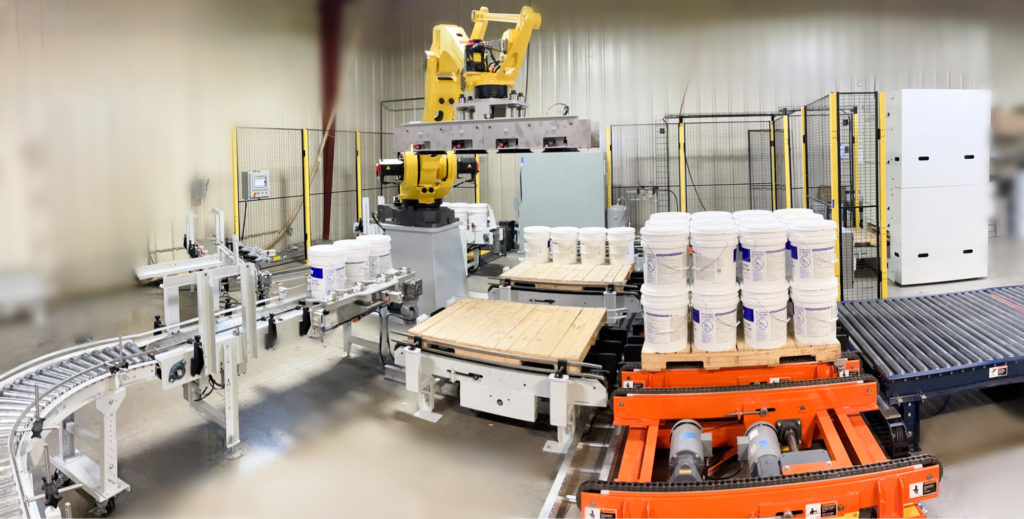
- Pallet Conveyor System: Transports empty and full pallets to and from the palletizing station. The RPC-OU has a dual pallet conveyor. Empty pallets are supplied on the bottom level while full pallets are discharged on the upper level providing continuous operations without manual interference.
- Control System: Integrates and controls all components of the palletizing system, ensuring smooth and coordinated operation.
- Safety Systems: Includes safety fences, light curtains, and emergency stop buttons to protect workers from potential hazards. In addition to reducing the risk for possible injuries from repeated heavy lifting, our robotic palletizing cells are guarded with fencing and in some instances light curtains to prevent any human contact with a moving robot.
- Coil Racks: Coil racks can be mounted either on the side or the front. Both configurations require a central metal shaft on which the coils can rotate. They are designed to maximize the use of vertical and horizontal space in the warehouse.

Factors to Consider When Implementing Automated Palletizing Systems
Before implementing an automated palletizing system for coil storage, consider the following factors:
- Coil Size and Weight: Determine the range of coil sizes and weights that the system needs to handle.
- Production Volume: Assess the required throughput and cycle times to select a system that can meet production demands.
- Palletizing Pattern: Define the desired palletizing pattern and stacking requirements.
- Available Space: Evaluate the available floor space and overhead clearance to ensure the system fits within the designated area. Our standard palletizer line offers a highly compact footprint, enabling increased productivity without sacrificing valuable workspace.
- Integration with Existing Systems: Ensure seamless integration with existing production lines, warehouse management systems, and other relevant software.
- Budget: Determine the budget for the project, including equipment costs, installation, training, and ongoing maintenance.
- Maintenance and Support: Selecting a supplier that can provide reliable maintenance and support services is important to minimize downtime and ensure the system’s longevity. Assembly, disassembly and replacement of parts is done quickly and easily.
- Quality certificates:ISO 9001: 2008 , ISO 18001: 2004 and OSHAS 18001: 2007 are necessary.
Careful planning and consideration of these factors will ensure the successful implementation of an automated palletizing system that meets the specific needs of the coil storage facility.
Standard Palletizers for Space and Cost-Savings
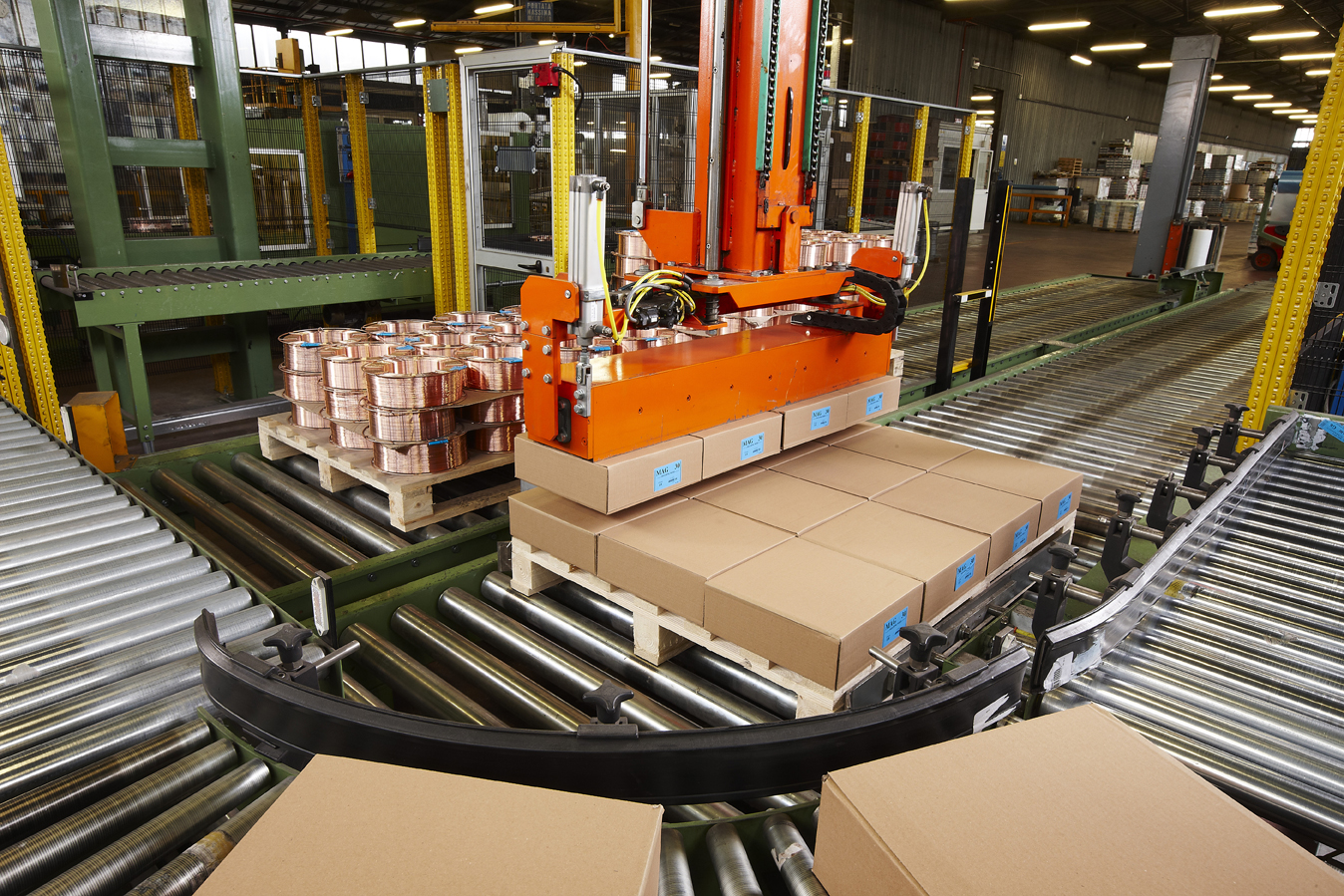

| Generally, robotic projects are highly customized to the application taking product type, size and weight, infeed and discharge requirements, amount of SKUs and other project requirements into account. However, in working with many of our customers over the past thirty years of robotic integration, we were able to identify commonalties that allowed us to develop a standardized product offering. Our portfolio features four different models that are all highly cost-effective, space-conscious and user-friendly. As a standardized product, our standard robotic palletizers also have a short lead time. | Model | Description | Features |
|---|---|---|---|
| Compact Palletizer (RPC-C) | Smallest unit | Single pallet build station with manual load/unload | |
| Dual Floor Palletizer (RPC-DF) | Doubles build stations | Continuous operation with manual load/unload | |
| Over/Under Palletizer (RPC-OU) | Dual pallet conveyor | Continuous operation without manual interference | |
| Pallet Handling Palletizer (RPC-PH) | Automates pallet handling | Automatic slip sheet handling | |
| Simple Operation through HMI | Intuitive for new users | fault alerts and quick changeover |
Conclusion
Automated palletizing systems offer a compelling solution for the challenges associated with coil storage. By automating the process of handling and stacking coils, businesses can improve safety, increase efficiency, optimize space utilization, reduce labor costs, and ensure product integrity. Careful evaluation of the available system types, consideration of key implementation factors, and selection of a reliable supplier will pave the way for a successful automation project that delivers significant and long-lasting benefits. With the right automated palletizing solution in place, coil storage facilities can transform their operations, enhance their competitiveness, and achieve new levels of efficiency and productivity. The best way to do this is to reach out to experienced automated palletizing system manufacturers, explain your application and what you are looking for and they will be able to provide you with the best possible solution for your unique application.