
Asia vs Middle East | Which Region Offers Better Steel Coil Packing Line Manufacturing Solutions?
Are you struggling to keep up with diverse packing demands in your steel mill? Do manual processes lead to inconsistent quality, high labor costs, and safety risks? Many production directors, like Ivan Petrov, face these exact problems daily. They need solutions that work, reliably and efficiently. The right coil packing line can transform your operation, ensuring seamless flow from production to shipment. But the big question is: where do you find the best solution?
When comparing manufacturing solutions for steel coil packing lines, both Asia and the Middle East offer distinct advantages. Asia, particularly China, stands out for its technological innovation, cost-effectiveness, and a wide array of customizable solutions from established players like FHOPEPACK. The Middle East, while an emerging market, provides strategic proximity for local industries and developing regional support networks.

Navigating the global market for industrial machinery can be complex. You need more than just a machine; you need a partner who understands your challenges and can deliver a robust, integrated solution. As RANDAL LIU from FHOPEPACK, I have seen firsthand the impact of good and bad decisions in this area. Let’s dive deeper into what each region brings to the table for your critical packing needs.
What Drives the Demand for Advanced Coil Packing Solutions in Asia and the Middle East?
Are you wondering why advanced coil packing solutions are so vital in today’s steel industry? The demand for efficient, high-quality packing lines in both Asia and the Middle East is rapidly increasing. This rise is fueled by the expansion of steel production and the growing complexity of customer requirements. Companies need reliable systems that can handle diverse products and maintain high output.
Modern steel mills, like the one Ivan Petrov manages, produce a wide range of products. These include cold-rolled coils, galvanized coils, and color-coated coils. Each type requires specific handling and packaging to prevent damage. Manual processes often fall short, leading to inconsistencies and bottlenecks. An automated coil packing line addresses these challenges directly. It ensures uniform quality, reduces the need for manual labor, and boosts overall plant safety. This shift is not just about efficiency; it is about meeting global export standards and ensuring customer satisfaction (steel industry solutions, packaging automation).
- Industrial Growth and Diversification: Both regions are experiencing significant industrial expansion. This means more steel production and a wider variety of steel products. Steel mills need flexible packing solutions that can adapt to different coil sizes and packaging types. This ensures they meet diverse market demands.
- Labor Challenges and Safety: There is a global trend of labor shortages in high-intensity industrial environments. Packing operations often involve heavy lifting and repetitive tasks, increasing injury risks. Automated systems reduce the need for manual intervention, making the workplace safer. They also address the issue of dwindling labor availability.
- Stringent Quality and Export Standards: Customers, especially export clients, demand higher packaging quality. They require specific certifications like CE/ISO, barcode labeling, and robust moisture protection. Manual packing often struggles to consistently meet these strict standards. Automated lines provide the precision needed for export-grade packaging.
- Cost Reduction and Efficiency: In a competitive market, reducing operational costs is crucial. Automated packing lines decrease labor expenses and minimize material waste. They also improve the overall speed and consistency of the packing process. This leads to higher throughput and better profitability (factory efficiency, production bottleneck).
How Does Asian Manufacturing Stand Out for Steel Coil Packing Lines?
Do you know why many global steel players turn to Asia for their coil packing line needs? Asian manufacturing, particularly from countries like China, has become a powerhouse for industrial machinery. They offer advanced, cost-effective, and highly customizable steel coil packing lines. This region has a strong ecosystem of experienced manufacturers and robust supply chains.
The strength of Asian manufacturers lies in their ability to combine innovation with competitive pricing. Companies like FHOPEPACK, SHJLPACK, and CNBHPAC have built solid reputations. They provide state-of-the-art solutions that meet international standards. These companies offer comprehensive systems, from coil handling to final strapping and wrapping. They understand the need for automation and reliability in demanding steel mill environments. Many clients, like Ivan Petrov, seek partners who can deliver a full turnkey project. Asian suppliers are well-equipped to provide this, ensuring smooth integration and operation (technological advancement, cost-effectiveness).

- Technological Leadership and Innovation: Asian manufacturers are often at the forefront of packing machine technology. They invest heavily in research and development. This leads to innovative features like intelligent control systems and advanced robotics. These advancements ensure higher efficiency and precision in packaging operations. They also improve the overall reliability of the equipment.
- Automated Features: Expect features such as automatic coil centering, multi-layer stretch wrapping, and integrated strapping heads. These reduce human error and speed up the packing process. My team at FHOPEPACK constantly works to incorporate the latest advancements. This ensures our machines stay ahead of industry demands.
- Customization Capabilities: Asian suppliers excel in creating bespoke solutions. They can tailor packing lines to specific coil dimensions, weight ranges, and unique customer packaging requirements. This flexibility is critical for mills dealing with diverse product portfolios.
- Cost-Effectiveness Without Compromise: One of Asia’s biggest draws is its ability to offer high-quality machinery at competitive prices. This is due to efficient manufacturing processes, scale economies, and mature supply chains. You get excellent value for your investment, allowing for better ROI.
- Competitive Pricing: The cost of manufacturing in Asia often allows for more aggressive pricing strategies. This makes advanced automation accessible to a wider range of businesses.
- Quality and Durability: Despite lower costs, leading manufacturers maintain high-quality standards. They use robust materials and rigorous testing protocols. This ensures the long-term durability and reliable performance of their machines in tough industrial settings.
- Comprehensive Service and Support: Many Asian companies offer extensive after-sales support. This includes installation, commissioning, operator training, and readily available spare parts. This comprehensive approach ensures a smooth transition to new equipment. It also minimizes downtime during operation.
- Global Reach: With a global client base, Asian manufacturers have developed robust international logistics for parts and service. This means support can often be accessed worldwide.
- Turnkey Solutions: Suppliers like FHOPEPACK provide complete turnkey projects. This covers everything from initial design to final installation and testing. This holistic approach simplifies the procurement process for clients. It guarantees a fully integrated packing solution (metal packaging equipment, packaging quality).
What Unique Advantages Do Middle Eastern Suppliers Offer for Packing Solutions?
Are you considering sourcing your coil packing lines closer to home if you are in the Middle East region? Middle Eastern suppliers, while representing a newer market in high-tech packing machinery, offer distinct advantages. These advantages often stem from their strategic location and growing industrial infrastructure. They can provide tailored solutions that cater specifically to regional needs.
The Middle East is rapidly developing its manufacturing capabilities, especially in sectors like steel. Local suppliers are emerging, often focusing on building strong relationships and providing personalized service. Their proximity can translate into faster delivery times and more accessible on-site support. This is particularly beneficial for mills operating within the region. While perhaps not as numerous or diversified as Asian giants, these companies are often agile. They can provide solutions that integrate well with local supply chains and specific regional compliance requirements (regional markets, global supply chain).

- Geographic Proximity and Logistics: For steel mills located in the Middle East, choosing a regional supplier can offer significant logistical benefits. Shorter shipping distances mean reduced transportation costs and faster delivery times for equipment. This is crucial for project timelines and urgent installations.
- Reduced Lead Times: Local sourcing can drastically cut down on the time from order placement to machine delivery and installation. This helps projects stay on schedule and begin operations sooner.
- Simplified Import/Export: Dealing with suppliers within the same economic zone or neighboring countries can simplify customs procedures and paperwork. This streamlines the overall procurement process.
- Localized Support and Cultural Understanding: Middle Eastern suppliers often provide more localized after-sales support. This can include service teams who understand the local operational environment, regulations, and language. This level of personalized service can be invaluable for troubleshooting and maintenance.
- Responsive Service: Being geographically closer often means service technicians can respond more quickly to on-site issues. This minimizes downtime and ensures continuous production.
- Cultural Alignment: Business interactions can be smoother when working with partners who share similar cultural norms and communication styles. This can lead to stronger, more effective long-term partnerships.
- Emerging Market Dynamics and Customization: As an emerging market for packing solutions, Middle Eastern suppliers may offer greater flexibility in customization for specific regional challenges. They are often eager to build their reputation by providing highly tailored solutions. This includes adapting to local raw material availability or unique climate conditions.
- Building Relationships: New market players often prioritize building strong customer relationships. This can result in more dedicated attention to individual client needs and requirements.
- Specific Regional Needs: For instance, packaging for extreme heat or dust often requires specialized design considerations. Local manufacturers might have a deeper understanding of these specific environmental factors (industrial packaging, material handling).
How Do Technical Specifications and Customization Options Compare Between Regions?
Are you concerned about finding a packing line that perfectly matches your diverse production needs? Technical specifications and customization are critical for any steel mill, especially for operations like Ivan Petrov’s, which handle various coil types and sizes. How do Asian and Middle Eastern manufacturers stack up in offering these crucial elements?
Asian manufacturers generally offer a broader range of technical specifications and customization options. They have extensive experience serving a global market with diverse demands. This means they are more accustomed to adapting their designs for different coil weights (1-3 tons), diameters (internal/external), and packing materials (PET/steel banding, stretch/shrink film). Middle Eastern suppliers, while capable, might have a more limited standard offering. However, they can provide specialized solutions if their focus aligns with a particular regional niche (coil strapping machine, coil wrapping machine).
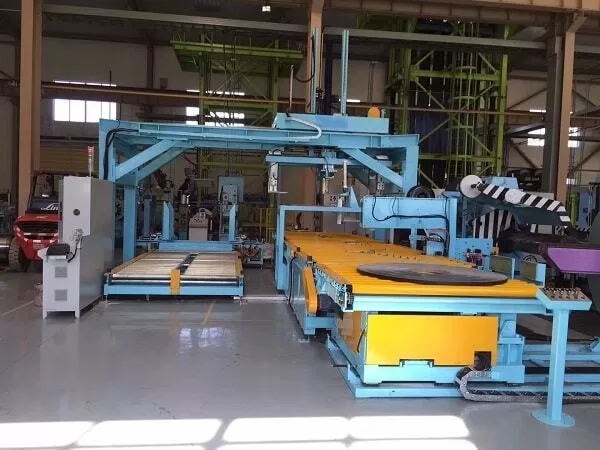
- Range of Coil Specifications Handled:
- Asian Manufacturers: Typically excel in accommodating a vast range of coil dimensions. They can handle various internal and external diameters, as well as weights from less than a ton to over 30 tons. This flexibility is due to their experience with global client demands.
- Example: FHOPEPACK designs machines for slit coils as light as 500 kg and heavy master coils up to 40 tons. This adaptability ensures a single packing line can serve multiple production needs.
- Middle Eastern Manufacturers: May have a more focused range, often catering to the prevalent coil sizes within their immediate regional market. Customization for extremely unique or off-standard dimensions might require more lead time or specialized engineering efforts.
- Asian Manufacturers: Typically excel in accommodating a vast range of coil dimensions. They can handle various internal and external diameters, as well as weights from less than a ton to over 30 tons. This flexibility is due to their experience with global client demands.
- Packaging Material Versatility:
- Asian Manufacturers: Offer high versatility in integrating various packaging materials and methods. This includes automatic PET/steel strapping, stretch film wrapping for moisture protection, shrink film options, and automated labeling systems. They can combine these into a single, seamless line.
- Features: Many systems include automatic corner protection, edge wrapping, and internal diameter strapping. This ensures comprehensive protection against rust, moisture, and physical damage during transit.
- Middle Eastern Manufacturers: Can provide standard strapping and wrapping solutions. However, advanced combinations or specialized material handling for unique protective layers might be less common in their standard offerings. Customization for these would likely be project-specific.
- Asian Manufacturers: Offer high versatility in integrating various packaging materials and methods. This includes automatic PET/steel strapping, stretch film wrapping for moisture protection, shrink film options, and automated labeling systems. They can combine these into a single, seamless line.
- Integration with Existing Production Lines:
- Asian Manufacturers: Have extensive experience integrating packing lines with upstream processes like slitting lines, annealing lines, or cold rolling mills. They provide control systems that can communicate with existing plant automation. This ensures a smooth, continuous material flow.
- Seamless Operation: The goal is always to create a “lights-out” operation where human intervention is minimized. This improves safety and consistency, addressing concerns like Ivan’s regarding labor intensity and safety.
- Middle Eastern Manufacturers: While they can offer integration, the level of sophistication and experience with diverse plant setups might vary. Their solutions are often designed with local standard practices in mind.
- Asian Manufacturers: Have extensive experience integrating packing lines with upstream processes like slitting lines, annealing lines, or cold rolling mills. They provide control systems that can communicate with existing plant automation. This ensures a smooth, continuous material flow.
- Compliance and Certification:
- Asian Manufacturers: Are well-versed in global compliance standards, including CE, ISO, and various national safety regulations. Their machines are built to meet these requirements, which is essential for export-oriented clients like Ivan Petrov.
- Export Readiness: Producing CE/ISO certified packaging directly on the line ensures products are ready for international markets. This is a significant advantage for steel mills focused on global trade (export standards, CE/ISO certification).
- Asian Manufacturers: Are well-versed in global compliance standards, including CE, ISO, and various national safety regulations. Their machines are built to meet these requirements, which is essential for export-oriented clients like Ivan Petrov.
Which Region Provides Superior After-Sales Support and Long-Term Partnership?
Are you looking for a long-term partner who can guarantee reliable operation and continuous support for your packing line? After-sales service is often the most critical factor when investing in large industrial equipment. It ensures your machinery performs optimally for years, minimizing downtime and protecting your investment. So, which region truly delivers superior support?
When it comes to comprehensive after-sales support and fostering long-term partnerships, Asian manufacturers, particularly established players like FHOPEPACK, often have a more developed and globalized infrastructure. They offer extensive training, readily available spare parts, and dedicated technical assistance. This helps ensure continuous operation, which is vital for a 24/7 production environment like Ivan Petrov’s. Middle Eastern suppliers are improving, but their support networks might still be more localized, potentially limiting global reach (after-sales service, spare parts).

- Installation and Commissioning Expertise:
- Asian Manufacturers: Often have specialized teams that travel globally for installation and commissioning. They possess deep expertise in setting up complex packing lines. This ensures the equipment is correctly installed and integrated into the existing facility from day one.
- Efficiency: Proper installation is key to avoiding future operational issues. These teams can fine-tune the machinery for peak performance. This minimizes initial startup delays and ensures smooth operation.
- Middle Eastern Manufacturers: May rely on local teams or partners for installation. While capable, the scope of their experience with highly diverse international setups might be less extensive.
- Asian Manufacturers: Often have specialized teams that travel globally for installation and commissioning. They possess deep expertise in setting up complex packing lines. This ensures the equipment is correctly installed and integrated into the existing facility from day one.
- Operator Training and Knowledge Transfer:
- Asian Manufacturers: Place a strong emphasis on operator training. They provide detailed manuals and hands-on sessions to ensure your staff can confidently operate and maintain the machinery. This empowers your team and reduces reliance on external support for routine tasks.
- Empowerment: Well-trained operators can identify and resolve minor issues quickly. This contributes to higher uptime and a safer working environment. My personal journey started on the factory floor, so I understand the importance of practical training.
- Middle Eastern Manufacturers: Offer training, but the depth and availability of multilingual resources might vary. The focus might be more on basic operational knowledge.
- Asian Manufacturers: Place a strong emphasis on operator training. They provide detailed manuals and hands-on sessions to ensure your staff can confidently operate and maintain the machinery. This empowers your team and reduces reliance on external support for routine tasks.
- Spare Parts Availability and Logistics:
- Asian Manufacturers: Maintain extensive inventories of spare parts and have efficient global logistics networks. This ensures that critical components can be shipped quickly, no matter where your facility is located. Fast access to parts is essential for minimizing downtime.
- Global Supply Chain: Companies like FHOPEPACK understand that a machine is only as good as its ability to be repaired. They invest heavily in robust spare parts supply chains to support their global customer base.
- Middle Eastern Manufacturers: Typically stock parts for their regional market. For international clients, securing parts might require more planning or have longer lead times.
- Asian Manufacturers: Maintain extensive inventories of spare parts and have efficient global logistics networks. This ensures that critical components can be shipped quickly, no matter where your facility is located. Fast access to parts is essential for minimizing downtime.
- Long-Term Partnership and Technical Support:
- Asian Manufacturers: Many companies, including FHOPEPACK, aim for long-term partnerships. This includes offering ongoing technical support, software updates, and predictive maintenance advice. They see themselves as an extension of your operational team.
- Continuous Improvement: This partnership approach helps clients continuously optimize their packaging processes. It ensures the packing line adapts to evolving production needs. We offer ongoing consultations and support to help our clients grow their businesses, just as others helped me on my journey to financial independence (production director, operational safety).
- Asian Manufacturers: Many companies, including FHOPEPACK, aim for long-term partnerships. This includes offering ongoing technical support, software updates, and predictive maintenance advice. They see themselves as an extension of your operational team.
Conclusion
Choosing between Asia and the Middle East for your steel coil packing line depends on your priorities. Asia excels in technological advancement, cost-effectiveness, and extensive customization, backed by global support from leaders like FHOPEPACK. The Middle East offers localized service and proximity advantages for regional buyers. For optimal efficiency and long-term reliability, a robust coil packing line from a proven global supplier remains the best investment.








