
How UK Factories Use Coil Wrapping Machines to Improve Steel Coil Safety?
Working in a factory, especially one that handles heavy materials like steel coils, always brings its own set of challenges. I have seen it many times. You want to push for higher output and lower costs. But then, you also carry the heavy burden of keeping your team safe. It is a tough balance. This is a problem many factory managers in the UK and around the world face every day.
UK factories, like many global counterparts, adopt coil wrapping machines to significantly boost steel coil safety by removing the need for manual handling of heavy and awkward coils, protecting workers from crush injuries and strains, and ensuring coils are securely packaged for internal transport and external delivery, minimizing roll-offs and product damage.
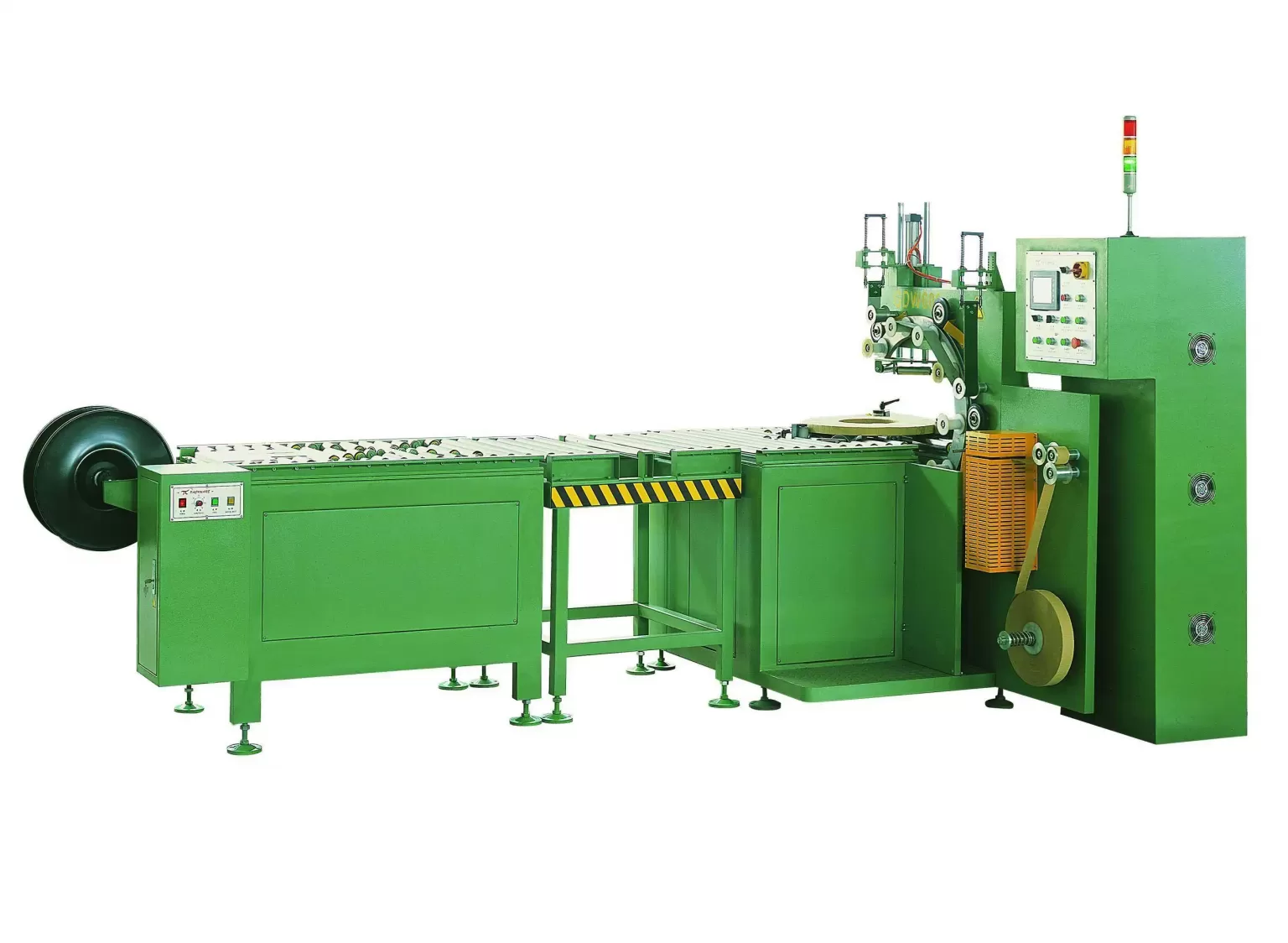
If you are a factory manager, you know that keeping your operations efficient is key. But what if I told you that improving safety does not have to slow you down? In fact, it can make things much faster and smoother. Let us look at how UK factories are tackling this.
1. Why is manual steel coil handling a major safety risk in UK factories?
Think about the sheer weight of a steel coil. Moving these massive, often unstable items by hand is an accident waiting to happen. For years, this was just part of the job in many places, including the UK. But the risks are too high to ignore.
Manual steel coil handling is a major safety risk because it exposes workers to severe crush injuries, strains, and cuts from sharp edges or falling coils, leading to high accident rates, increased insurance costs, and significant operational downtime in UK factories.

I remember when I first started in the packing machine industry. I saw firsthand the dangers. Workers would struggle with heavy steel coils, trying to maneuver them onto pallets or into storage. It was not just slow; it was truly dangerous. A slip, a loss of grip, or a slight imbalance could lead to serious harm. UK factories recognize this now more than ever. They see that relying on human strength for such tasks is a gamble. This is a gamble they can no longer afford to take.
Understanding the Risks in Detail
Manual handling of steel coils in UK factories creates several specific hazards. These risks affect both worker safety and the factory’s bottom line. It is not just about big accidents. It is also about the daily wear and tear on employees.
1.1 Physical Injuries to Workers
Workers often get hurt when moving coils by hand.
- Crush Injuries: The most severe risk. A heavy coil can fall or roll onto a worker, causing broken bones or worse. These injuries can be life-changing.
- Strains and Sprains: Lifting, pushing, or pulling heavy coils puts huge stress on backs, shoulders, and knees. Over time, this leads to chronic pain and long-term health problems. This often results in workers needing time off.
- Cuts and Lacerations: Steel coils have sharp edges. Manual contact increases the chance of deep cuts, especially if coils shift unexpectedly.
- Repetitive Strain Injuries (RSIs): Doing the same difficult motions repeatedly can cause problems like carpal tunnel syndrome or tendonitis. These might not be sudden accidents, but they cause lasting pain.
1.2 Impact on Factory Operations
The safety risks are not just personal. They also hit the factory hard.
- Increased Insurance Premiums: More accidents mean higher insurance costs. This directly affects the factory’s budget.
- Loss of Productivity: Injured workers mean fewer hands on deck. This slows down production. The time spent dealing with an accident also takes away from work.
- Employee Morale and Turnover: A dangerous workplace lowers morale. Workers might feel undervalued or unsafe. This can lead to experienced staff leaving the company. Training new staff is costly and time-consuming.
- Regulatory Fines: Health and safety bodies in the UK have strict rules. Failing to meet these rules can result in large fines and legal trouble. This adds to the financial burden.
1.3 The Weight of the Problem
Consider the typical weight range for steel coils.
| Coil Type | Weight Range (kg) | Risk Factor |
|---|---|---|
| Smaller Coils | 500 – 2,000 | High |
| Medium Coils | 2,000 – 5,000 | Very High |
| Larger Coils | 5,000 – 15,000+ | Extreme |
Even “smaller” coils are far too heavy for manual handling. Attempting to move these without proper machinery is a recipe for disaster. It is clear that relying on manual methods for such heavy items is outdated. It is also irresponsible. Factories need better ways to handle these critical materials.
2. How do coil wrapping machines specifically reduce workplace hazards?
This is where technology steps in to make a real difference. Coil wrapping machines are not just about making a neat package. They are powerful tools for safety. They change the whole process of handling steel coils.
Coil wrapping machines specifically reduce workplace hazards by automating the most dangerous tasks of packaging heavy steel coils, removing workers from direct contact with moving loads, stabilizing the coils, and preventing shifts or unravelling during transport, thereby drastically cutting down on crush injuries, strains, and product damage.
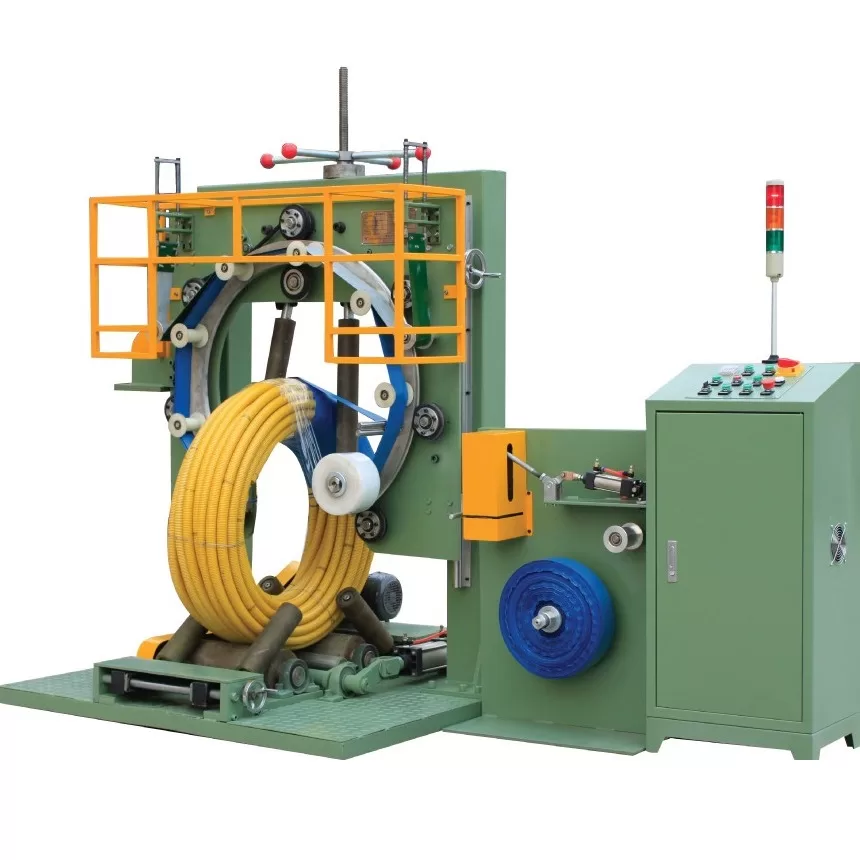
When I was building my own factory, I always looked for ways to make sure my team was safe. It was a core part of my plan. I knew that if my workers felt safe, they would be more productive and loyal. Coil wrapping machines became a key part of that vision. They take the human element out of the most dangerous parts of the packing process. Workers no longer need to manually turn, lift, or secure the heavy, unwieldy coils. The machine does the heavy lifting, the turning, and the wrapping. This simple change removes so many risks. It keeps hands, feet, and bodies away from heavy, moving parts.
A Deeper Look at Hazard Reduction
Coil wrapping machines tackle safety challenges from several angles. They address both direct risks and indirect ones. This makes the entire operation much safer.
2.1 Eliminating Direct Manual Contact
The most obvious benefit is the reduction in human interaction with the coil.
- Automated Loading and Unloading: Many systems include integrated conveyor lines or lifting mechanisms. These move the coil into and out of the wrapping station. Workers only guide the process, often from a safe distance. This means no manual lifting or carrying of heavy coils.
- Controlled Wrapping Process: The machine rotates the coil and applies the wrapping material. This happens automatically. Workers do not need to walk around the coil or pull heavy film by hand. This stops slips, falls, and contact with the moving coil.
- Reduced Need for Manual Securing: Before wrapping, coils often needed temporary securing to prevent rolling. This meant workers getting close to the coil. The wrapping machine holds the coil securely during the process. This takes away that risk.
2.2 Stabilizing the Load for Transport
A well-wrapped coil is a stable coil. This is important for safety inside and outside the factory.
- Tight and Secure Packaging: The machine applies consistent tension to the wrapping material. This holds the coil layers together firmly. It also secures the coil to a pallet or core. This prevents the coil from expanding or unwrapping during movement.
- Protection Against Edge Damage: The wrap protects the coil’s edges. This is where damage often happens during handling. Damaged edges can lead to product failure or unsafe jagged surfaces.
- Reduced Risk of Rolling: Loose or poorly secured coils can roll unexpectedly. This is a massive hazard in warehouses and during transport. A tightly wrapped coil is much less likely to roll. This protects both workers and other cargo.
2.3 Ergonomics and Worker Well-being
Beyond preventing big accidents, coil wrapping machines also improve daily working conditions.
- Less Physical Exertion: Workers no longer perform physically demanding tasks. This reduces muscle fatigue and the risk of chronic injuries.
- Improved Work Environment: A safer environment leads to less stress for workers. They can focus on their jobs without constant fear of injury.
- Clearer Safety Protocols: Introducing automated machinery usually comes with updated safety protocols. These are often easier to follow than complex manual handling guidelines. This creates a more structured and safer workplace.
Coil wrapping machines are a smart investment in safety. They protect workers. They also create a more efficient and compliant factory environment.
3. Beyond safety, what other benefits do UK factories gain from coil wrapping automation?
Safety is always the first priority. But the advantages of automated coil wrapping go much further. UK factories are finding that these machines bring big gains in efficiency, cost savings, and product quality. This makes them a wise choice for modern manufacturing.
Beyond safety, UK factories gain significant operational benefits from coil wrapping automation, including vastly improved packing speed and efficiency, reduced labor costs, minimized product damage during handling and shipping, consistent packaging quality, and enhanced customer satisfaction through reliable and well-protected deliveries.
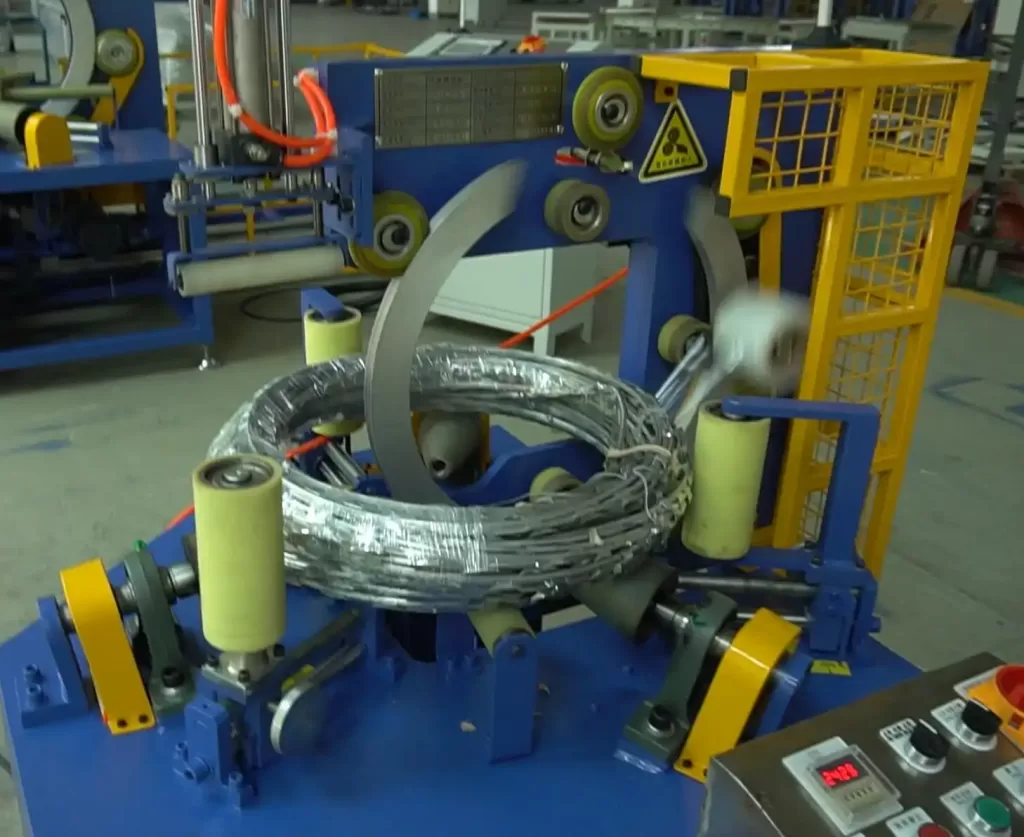
In my own journey, from an employee to a factory owner, I learned that every investment must have a clear return. It is not just about buying a machine. It is about solving problems and making the business stronger. Michael Chen, a factory manager in Mexico, faces similar pressures. He wants to boost output, control costs, and avoid product damage. These are universal goals for factory leaders. Coil wrapping automation directly addresses these needs. It is about making the entire packing process faster, cheaper, and better. This means happier customers and a healthier bottom line.
Comprehensive Benefits of Coil Wrapping Automation
The adoption of coil wrapping machines in UK factories brings a range of strategic advantages. These benefits contribute to a more competitive and sustainable business model.
3.1 Boosting Efficiency and Throughput
Automating the packing process dramatically speeds things up.
- Faster Packing Cycles: Machines work much faster than humans. They can wrap a coil in minutes, sometimes even seconds. Manual wrapping could take significantly longer per coil. This quickens the end of the production line.
- Consistent Speed: Machines do not get tired. They maintain a steady packing rate throughout the shift. This leads to predictable output and better production planning.
- Reduced Bottlenecks: Manual packing often creates a bottleneck. Coils pile up waiting to be wrapped. Automation removes this choke point, allowing a smoother flow of products. This helps factories like Michael’s avoid production delays.
3.2 Significant Cost Reductions
The financial savings from automation are substantial.
- Lower Labor Costs: Fewer workers are needed for the packing process. This means savings on wages, benefits, and training. It frees up staff for other, more skilled tasks.
- Reduced Material Waste: Machines apply wrapping material precisely. They use only what is needed, with less tearing or mishandling. This saves on film costs.
- Decreased Product Damage: As mentioned, secure wrapping protects coils. This means fewer damaged products, fewer customer complaints, and less need for costly reworks or replacements. This directly impacts profit margins.
- Lower Insurance Costs: Fewer workplace injuries lead to reduced insurance premiums and related expenses.
3.3 Enhanced Product Quality and Customer Satisfaction
The final product looks better and performs better thanks to automated wrapping.
- Uniform Packaging: Every coil is wrapped with the same tension and coverage. This creates a professional and consistent look. It also ensures consistent protection.
- Superior Protection: The tight, multi-layered wrap shields coils from dust, moisture, and impact during transport and storage. This keeps the product in prime condition until it reaches the customer.
- Fewer Customer Complaints: When products arrive in perfect condition, customers are happier. This builds trust and encourages repeat business. For managers like Michael, this also means less time spent dealing with complaints.
- Market Competitiveness: Factories that deliver high-quality, undamaged products quickly gain an edge. This helps them attract and retain clients in a competitive market.
By investing in coil wrapping automation, UK factories are not just buying a machine. They are investing in a future with higher safety standards, greater efficiency, and stronger financial performance.
4. What should UK factories consider when choosing a coil wrapping machine partner?
Choosing the right technology is only half the battle. Picking the right partner is just as important. For UK factories, and for managers like Michael who have faced supplier trust issues, this step needs careful thought. It is not just about the price tag.
When choosing a coil wrapping machine partner, UK factories should look for a supplier with deep industry expertise, a proven track record of reliable equipment, comprehensive after-sales support, a clear understanding of their specific operational challenges, and a commitment to providing solutions that offer a strong return on investment.
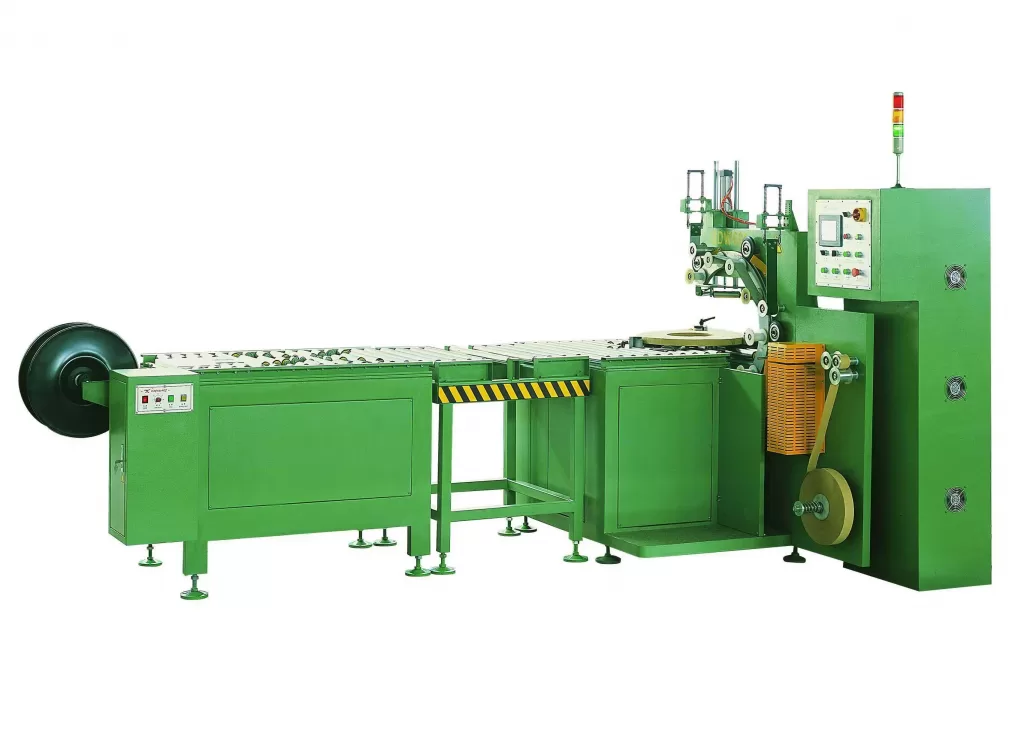
I have been on both sides of this. I was an employee, and then I built my own packing machine factory. I learned that true partnership means more than just a sale. It means understanding a client’s pain points. For Michael, it is about his efficiency bottlenecks, safety concerns, and the need for durable equipment. A good partner will listen to these. They will not just try to sell the most expensive machine. They will offer a solution that truly fits. This is the difference between a vendor and a true expert. This is why I started FHOPEPACK. I want to share my knowledge. I want to help factories make smart choices.
Key Considerations for a Lasting Partnership
Selecting a coil wrapping machine partner requires a strategic approach. UK factories should evaluate potential suppliers based on several crucial criteria to ensure a successful, long-term relationship.
4.1 Expertise and Industry Knowledge
A partner needs to know the packing machine industry inside out.
- Proven Track Record: Look for suppliers with a long history in the coil packing sector. This shows they understand the specific needs and challenges of handling steel.
- Technical Acumen: Does the supplier’s team understand the engineering behind the machines? Can they explain how their technology solves specific problems, like coil stability or film tension?
- Problem-Solving Approach: A good partner will ask questions about your current process, your bottlenecks, and your safety concerns. They will not just list machine features. They will propose solutions tailored to your factory. This is what Michael needs: someone who understands his real-world problems.
4.2 Equipment Reliability and Customization
The machine itself must be top-notch and fit your specific needs.
- Durable Design: Heavy industry demands robust equipment. The machine must be built to withstand the tough conditions of a steel factory. Inquire about the quality of components and construction.
- Customization Options: Not all factories are the same. Can the supplier adapt the machine to your coil sizes, existing production line, or unique space constraints? Flexibility is key.
- Compliance and Standards: Ensure the equipment meets all relevant UK and international safety and operational standards. This includes CE marking and other certifications.
4.3 After-Sales Support and Service
This is often where bad experiences happen. Good support is critical.
- Installation and Training: Does the supplier offer professional installation? Is comprehensive training provided for your operators and maintenance staff? This ensures smooth integration and proper usage.
- Maintenance and Parts Availability: What is the service plan like? Are spare parts readily available? Long downtime due to a broken part is costly. Reliable, quick service is essential.
- Technical Support: Can you reach their technical team easily? Do they offer remote diagnostics or on-site visits when issues arise? For a factory manager like Michael, quick problem resolution is vital.
4.4 Financial and ROI Analysis
Understand the total cost and the return you can expect.
- Clear Pricing: Get a detailed quote that includes installation, training, and estimated running costs.
- Return on Investment (ROI): A good partner will help you calculate the potential ROI. They can show you how the machine will save money through reduced labor, less product damage, and improved efficiency. This helps justify the investment to management.
- Warranty and Guarantees: Understand the warranty period and what it covers. This protects your investment.
Choosing a partner is like building a long-term relationship. It requires trust, clear communication, and a shared goal of success. For UK factories, taking the time to find the right partner will lead to safer, more efficient, and more profitable operations.
Conclusion
UK factories are using coil wrapping machines to make their workplaces safer and more efficient. These machines protect workers from dangerous manual handling. They also cut costs and improve product quality. Investing in the right technology and partner ensures a strong future for any factory.








