
4 Ways Orbital Stretch Wrapper Fits Uruguay’s Humid Climate Needs?
For many factory managers like Michael, dealing with high humidity is a constant battle. Imagine your valuable products, whether they are steel coils or wire bundles, leaving your factory. They are perfect. But then, exposure to Uruguay’s damp air starts its silent work. Rust can begin. Moisture can seep in. Your careful work could be undone before items reach the customer. This leads to costly returns and unhappy clients. It is a problem I have seen many times in my years in the packing machine industry.
An orbital stretch wrapper offers a strong defense against Uruguay’s humid climate. It wraps products tightly from all sides, creating a sealed barrier. This protects against moisture, dust, and corrosion. This method ensures your goods stay in top condition from your factory to their final destination, even in challenging environments.

I know the pressures you face. You need solutions that work, not just promises. As someone who built my own packing machine factory after years on the shop floor, I understand that reliable equipment is key. Let us explore how orbital stretch wrappers can truly solve the specific challenges of humid climates like Uruguay.
How Can Orbital Wrappers Guard Products in Uruguay’s Humidity?
Humidity is a silent killer for many industrial products. Think about the metal parts, wood panels, or textile rolls you produce. When exposed to constant dampness, they face corrosion, mold, and material degradation. This can turn a perfect product into damaged goods. This problem becomes even bigger during storage or transport. For a factory manager, this means lost money and damaged reputation. It is a challenge that demands a robust solution.
Orbital stretch wrappers create a full, protective film layer around products. This layer acts as a strong shield against moisture and humidity. The film prevents water vapor from reaching the product surface. This keeps goods dry and safe from rust, mold, or other moisture-related damage. It ensures product quality in humid places like Uruguay.

The Science Behind Moisture Protection
When I first started in this industry, I saw many manual packing methods. They often left gaps. Humidity found its way in easily. An orbital wrapper works differently. It wraps the product horizontally, passing the film reel around the item as it moves through the machine. This creates overlapping layers. These layers form a continuous, air-tight barrier. Think of it like a second skin for your product. This method is especially important for materials that react badly to moisture. Steel, for example, rusts quickly. Wood can warp or grow mold. Textiles can develop mildew. The film used is usually LLDPE (Linear Low-Density Polyethylene). This material has excellent stretch and puncture resistance. It also provides good moisture barrier properties. Some films even have UV inhibitors for outdoor storage. This adds another layer of protection. This systematic wrapping process ensures there are no weak spots. Every part of the product gets covered. This is why it works so well against humidity. It is about creating an environment where moisture cannot penetrate. This keeps your products safe and sound. It gives peace of mind to factory managers. It also makes customers happy.
Understanding Film Properties for Humid Environments
Choosing the right film is very important. Not all stretch films are equal.
- Thickness: Thicker films offer more resistance to moisture. They also stand up better to punctures.
- Cling: Good cling ensures layers stick together tightly. This forms a strong seal.
- Elongation: High stretch ability means less film is needed. It also makes a tighter wrap.
- UV Resistance: If products are stored outside, UV additives protect them from sun damage.
| Film Property | Benefit in Humid Climate | Impact on Product Safety |
|---|---|---|
| High Stretch | Forms a tight, continuous seal. | Prevents moisture penetration. |
| Good Cling | Ensures film layers bond firmly. | No gaps for humidity to enter. |
| Puncture Resist | Protects against damage during handling. | Maintains integrity of moisture barrier. |
| UV Resistance | Prevents film breakdown from sun (if stored outside). | Sustains long-term protection. |
My experience taught me that investing in quality film pays off. It protects your investment in the product. It also protects your reputation.
Can Orbital Stretch Wrappers Solve Your Packing Efficiency Bottlenecks?
I have walked through countless factories, just like yours, Michael. I often see the same scene at the end of a busy production line. Workers are struggling with manual packing. They are trying to wrap large, heavy, or awkwardly shaped items. The process is slow. It takes many people. It creates a bottleneck. This slows down the whole factory. It stops you from getting products out the door quickly. It makes lead times longer. This frustrates clients and hurts your business. It is a drain on resources and a source of constant stress for managers.
Orbital stretch wrappers dramatically increase packing speed and automation. They reduce the need for manual labor for wrapping tasks. This frees up workers for other jobs. The machines work faster and more consistently than humans. This eliminates bottlenecks at the end of the production line. It leads to quicker product dispatch and higher overall factory output.
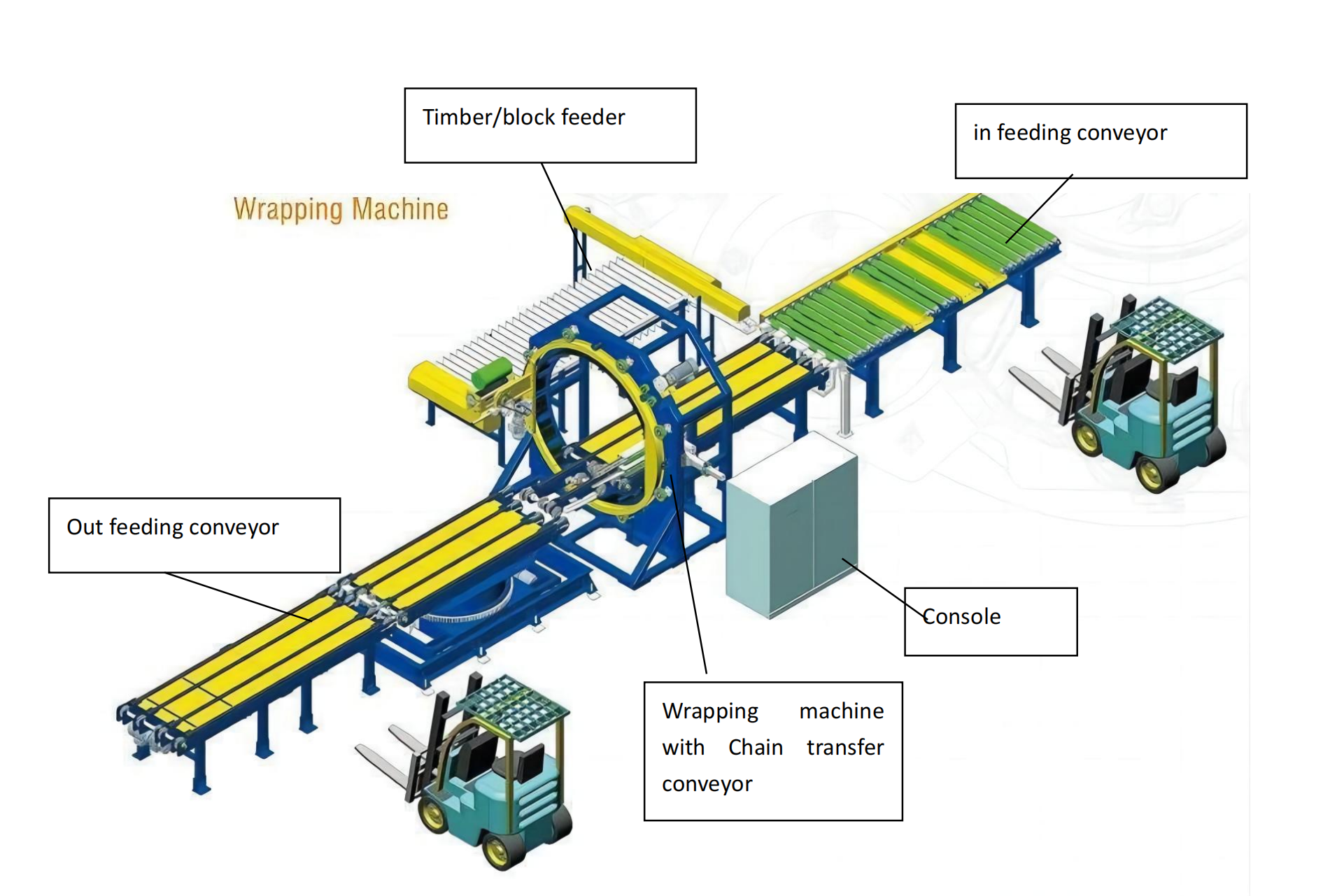
Automating for Peak Performance
From my early days as an employee, I saw how much time and effort manual packing consumed. When I started FHOPEPACK, one of our main goals was to automate these processes. An orbital stretch wrapper is a prime example of smart automation. It can wrap items like steel coils, wire bundles, or even long profiles at speeds humans cannot match. While one worker might take several minutes to hand-wrap a single coil, a machine can do it in less than a minute. This is not just about speed. It is also about consistency. Every wrap is uniform. Every product gets the same level of protection. This consistency reduces human error. It also ensures quality.
Comparing Manual vs. Automated Wrapping
Let’s look at how automation changes things.
- Manual Wrapping:
- Time: Very slow, especially for large items.
- Labor: Requires multiple workers, often leading to fatigue.
- Consistency: Varies greatly between workers.
- Safety: High risk of injury from heavy lifting or repetitive strain.
- Cost: High labor costs, plus potential for product damage.
- Automated Orbital Wrapping:
- Time: Fast and continuous.
- Labor: Needs one operator to load/unload, or it can be fully integrated.
- Consistency: Perfect, uniform wrap every time.
- Safety: Low risk as workers are not directly involved in wrapping.
- Cost: Lower labor costs, reduced product damage, faster ROI.








