
How does an orbital stretch wrapper reduce costs in automated UAE warehouses?
Many factory managers, especially in bustling places like the UAE, know the constant pressure. You need to boost output, cut expenses, and keep everyone safe. If your current packing methods feel slow, risky, or expensive, you are not alone. These issues directly impact your bottom line, leading to lost time and higher operational costs.
An orbital stretch wrapper significantly reduces costs in automated warehouses by automating the packing process. It cuts down on labor expenses, minimizes product damage during handling and transit, and boosts overall packing speed. This machine wraps products securely and consistently, replacing slow and risky manual methods with efficient, safe, and precise automation, which leads to substantial savings over time.

As someone who started on the factory floor and built a successful packing machine business, I have seen these problems firsthand. I know the feeling of needing a real solution, not just another piece of equipment. Let’s break down exactly how an orbital stretch wrapper tackles common factory challenges, helping you achieve your cost-saving and efficiency goals.
Can Automation Really Speed Up Your Packing?
Are your finished products piling up at the packing station? Is your packing team struggling to keep up with production demands, creating a major bottleneck in your entire operation? This slow process does not just delay shipments. It costs you money in overtime, slows down inventory turnover, and can even strain customer relationships due to missed deadlines.
Automation, specifically with an orbital stretch wrapper, dramatically speeds up packing by replacing slow manual tasks with continuous, machine-driven processes. These machines can wrap many items per hour, far exceeding human capabilities. They ensure consistent, high-quality wraps without breaks or fatigue, directly eliminating packing bottlenecks and improving overall production flow.

When I first started in the packing machine industry, I saw many factories, even in fast-growing regions like the UAE, still relying heavily on manual labor for packing steel coils and wire bundles. It was a common sight. Workers would manually wrap large, heavy items, which was slow and inconsistent. This method often created a serious choke point at the end of the production line. Imagine a manager like Michael Chen, overseeing a large metal processing plant in Mexico, dealing with the same issues. He needs to move products out the door quickly. Manual packing simply cannot keep up with high-volume production. An orbital stretch wrapper changes this entire dynamic.
The machine works non-stop. It wraps products at a speed that human hands cannot match. This continuous operation means that products move from the production line to the shipping area without unnecessary delays. It is not just about raw speed, though. It is about consistent speed. Human workers need breaks. They get tired. Their speed varies. A machine maintains its pace throughout the entire shift. This consistency is vital for predictable output and meeting tight delivery schedules. The investment in such machinery translates directly into an accelerated operational tempo. This allows for higher throughput, which means you can process more orders in less time. This also frees up valuable floor space that might have been used for staging unwrapped products. More importantly, it creates a smooth flow. This smooth flow helps to remove the stop-and-go nature of manual packing. It is a fundamental shift from a labor-intensive, variable process to a capital-intensive, highly predictable one. For businesses looking to scale operations and optimize their supply chain, particularly in a competitive market like the UAE, this automation is not just an upgrade; it is a necessity. It ensures that your packing line no longer limits your overall production capacity.
How Orbital Wrappers Improve Workflow:
| Aspect | Manual Packing | Orbital Stretch Wrapper |
|---|---|---|
| Speed | Slow, variable, dependent on worker fatigue | Fast, consistent, continuous operation |
| Consistency | Uneven wraps, potential for loose packaging | Tight, uniform wraps every time |
| Labor | High labor requirement, multiple workers needed | Minimal labor, often one operator to load/unload |
| Bottlenecks | Frequent bottlenecks at end of production line | Eliminates bottlenecks, supports high production rates |
| Throughput | Limited by manual capacity | High throughput, scales with production volume |
| Efficiency | Lower overall operational efficiency | Significantly higher operational efficiency |
Is Manual Handling Still Worth the Risk?
Heavy products, like steel coils or wire bundles, demand careful handling. When your team lifts, moves, or wraps these items by hand, you face serious safety concerns. These risks lead to worker injuries, high medical costs, and increased insurance premiums. Beyond the financial impact, it creates a stressful work environment and can cause valuable employees to leave.
Manual handling of heavy items is not worth the risk due to the high potential for serious worker injuries and associated costs. An orbital stretch wrapper significantly improves safety by automating the handling and wrapping of large products. It removes workers from direct contact with heavy loads, reducing strain injuries, crush risks, and general workplace accidents, creating a much safer environment.

I often share stories with clients, and one that comes to mind is from a factory in the industrial heartland. They were manually wrapping large steel pipes. It was dangerous work. I saw a worker once strain his back trying to lift a heavy roll of film onto a massive pipe. It was clear that relying on human strength for such tasks was a ticking time bomb. This is exactly what managers like Michael Chen, with his extensive experience in heavy manufacturing, worry about constantly. He knows that a single serious injury can cost a fortune in medical bills, workers’ compensation, and lost productivity. It also impacts morale. No one wants to work in an unsafe place.
An orbital stretch wrapper removes the human element from the most dangerous parts of the packing process. Workers no longer need to physically lift heavy items onto a wrapping station or walk around bulky, unstable loads with heavy film. The machine does the heavy lifting and the wrapping. This simple change drastically reduces the risk of common workplace injuries like back strains, muscle pulls, and repetitive motion injuries. It also minimizes the risk of more severe accidents, such as items falling or crushing incidents, which can occur when heavy products are manually manipulated. Think about the peace of mind this brings to a factory manager. A safer workplace means fewer accidents, lower insurance premiums, and less downtime due to injury-related absences. It also shows a commitment to employee well-being, which helps with retention and attracts new talent. In a region like the UAE, where industrial safety standards are increasingly stringent, investing in such equipment is not just good practice; it is often a compliance requirement. It helps to build a culture of safety. This culture is crucial for long-term operational success. It means happy workers and a more efficient factory.
Safety Improvements with Automation:
| Hazard Type | Manual Packing Risk | Orbital Stretch Wrapper Solution |
|---|---|---|
| Ergonomic Risks | Back strains, muscle pulls from lifting and bending | Machine handles heavy lifting, reduces manual effort |
| Impact Injuries | Risk of products falling, crushing workers | Automated loading/unloading, secure product placement |
| Repetitive Strain | Constant walking and wrapping motions | Machine performs wrapping, minimal operator movement |
| Foot/Hand Injuries | Dropped items, pinch points | Workers kept at a safe distance from moving parts |
| Fatigue-Related | Increased error and accident risk due to tiredness | Machine operates consistently without fatigue |
| Workplace Morale | High stress, fear of injury | Improved safety, better worker satisfaction |
How Can You Protect Your Products (and Profits)?
Are your finished products showing up with scratches, dents, or damaged edges? Is valuable material getting ruined during internal transfers or the final packing stage? This damage is more than just a cosmetic issue. It leads to customer complaints, returned goods, and direct profit loss. It also harms your brand’s reputation for quality.
You can protect your products and profits by using an orbital stretch wrapper, which provides consistent, secure, and protective packaging. This machine tightly wraps products, preventing shifting, scratching, and impact damage during handling, storage, and transport. It ensures that products arrive at their destination in perfect condition, reducing customer complaints, returns, and financial losses.

In my years working with various manufacturers, I have seen too many instances where a perfectly good product left the production line, only to suffer damage during the last mile of its journey – the packing process. I recall one particular client who produced high-quality steel sheets. They invested heavily in their manufacturing process. However, their manual packing method often resulted in scuffed edges and loosened bundles during transit. This led to frustrating phone calls from customers and costly rejections. It was not the manufacturing that was failing, but the packing. Michael Chen, as a factory manager focused on operational excellence, understands that every damaged product represents lost material, wasted labor, and a direct hit to his factory’s profitability.
An orbital stretch wrapper tackles this problem head-on by ensuring a consistently tight and protective wrap every single time. Unlike manual wrapping, where the tension and overlap can vary significantly, the machine applies the film with precise control. This creates a secure package that holds the product firmly. For items like steel coils or wire bundles, this means the edges are protected from bumps and abrasions. The entire package stays intact, preventing parts from shifting or becoming loose during internal transport within the warehouse or during long-haul shipping. The protective film acts as a shield against dust, moisture, and minor impacts. This level of protection significantly reduces the likelihood of product damage. It means fewer customer complaints, fewer returns, and a stronger reputation for delivering quality. This not only saves money on replacement costs and shipping for returns but also strengthens customer loyalty. In a competitive market like the UAE, where quality and reliability are key differentiators, ensuring product integrity is paramount. It is an investment that pays off by preserving the value of your manufactured goods from the moment they are packed until they reach the final customer.
Impact of Automated Wrapping on Product Integrity:
| Damage Source | Manual Packing Vulnerabilities | Orbital Wrapper Protection Mechanisms |
|---|---|---|
| Abrasion/Scratches | Loose wrap, inconsistent coverage, exposed surfaces | Tight, uniform film coverage protects all surfaces |
| Impact/Dents | Products shifting within loose packaging | Secure bundles prevent movement, absorbs minor impacts |
| Moisture/Dust | Gaps in wrapping, incomplete sealing | Overlapping film creates a strong barrier |
| Bundle Integrity | Loose bundles, parts detaching during handling | High tension keeps components tightly bound |
| Handling Errors | Increased risk of damage during manual manipulation | Machine-controlled handling minimizes human error |
| Reputation | Customer dissatisfaction, brand damage | Consistent quality, enhanced customer trust |
What Makes a Packing Machine Partner Reliable?
Have you ever bought a piece of machinery, only to find the supplier disappears after the sale? Or perhaps their “support” was just a series of excuses? Dealing with unreliable equipment suppliers is frustrating. It leaves you with unsupported machines, costly downtime, and the feeling of having been let down. This kind of experience makes any new investment feel risky.
A reliable packing machine partner provides robust, high-quality equipment, but also offers excellent pre-sale consultation and comprehensive post-sale support. They understand your operational challenges, provide expert guidance, and ensure spare parts and technical assistance are readily available. This commitment to long-term partnership builds trust and ensures your investment truly supports your business goals.
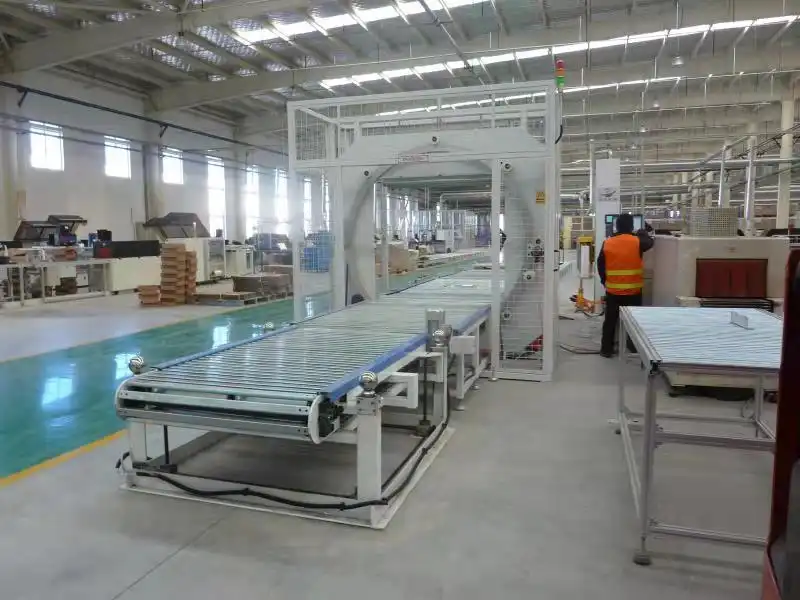
This last point is incredibly important to me. When I was starting out in the packing machine business, I saw many companies, much like Michael Chen’s, struggle with poor supplier experiences. They were sold equipment based on flashy presentations, but when issues arose, the support simply vanished. I learned early on that true partnership goes far beyond just selling a machine. It means understanding a client’s specific needs, offering real solutions, and providing unwavering support. I remember one factory in the UAE that bought a wrapper from a different vendor. When it broke down, they waited weeks for a technician. This kind of delay can halt an entire production line. For a busy factory manager like Michael, who has already experienced “supplier trust crisis,” this is a non-starter. He needs a partner he can count on.
A reliable packing machine partner acts as a consultant, not just a salesperson. They take the time to understand your unique operational challenges, your production volume, the specific type of products you wrap, and your budget. This deep understanding allows them to recommend the right equipment, not just the most expensive one. They should offer tailored solutions. More importantly, their commitment extends well beyond the point of sale. This includes installation support, thorough training for your operators, and readily available spare parts. When a machine needs maintenance or repair, you need a quick response. A reliable partner ensures that. They staff experienced technicians who can diagnose issues efficiently and provide effective solutions. This continuous support minimizes downtime, protects your investment, and ensures your operations run smoothly. My own journey, from an employee to owning a successful packing machine factory, taught me that trust is built on reliability and consistently delivering on promises. It is about sharing knowledge and expertise, helping clients navigate their challenges, and truly contributing to their business growth. This is the foundation of FHOPEPACK. We want to be the expert Michael Chen is looking for, sharing insights from years of experience in coil packing and steel wire packing. We aim to offer insights into automation that lead to clear, measurable returns on investment.
Hallmarks of a Trustworthy Packing Machine Partner:
| Aspect | Unreliable Supplier | Reliable Partner |
|---|---|---|
| Pre-Sale | Pushy sales, generic solutions, focus on closing deal | Consultative, understands specific needs, custom proposals |
| Product Quality | Potentially lower quality, unproven technology | High-quality, durable, proven equipment |
| Installation | Limited guidance, expectation of customer handling | Professional installation, comprehensive setup |
| Training | Minimal or rushed training | Detailed operator and maintenance training |
| After-Sales Support | Difficult to reach, slow response, limited parts | Prompt technical support, readily available spare parts |
| Long-Term View | Transactional relationship, one-time sale | Strategic partnership, focuses on client success |
| Expertise | Superficial knowledge | Deep industry knowledge, practical experience |
Conclusion
An orbital stretch wrapper is more than just a machine. It is a strategic investment. It helps you cut costs, boost efficiency, improve safety, and protect your products. This makes your factory, whether in the UAE or anywhere else, stronger and more profitable.








