
How Can Coil Wrapping Machines Save Film While Ensuring Reliable Export Packaging?
Are you tired of seeing your packaging film costs skyrocket while still worrying about your valuable products reaching their destination safely? Many factory managers face this challenge. It is a tough spot when you need to protect your goods, especially for export, but also need to keep material costs down. This struggle can hit your profit margins hard.
Coil wrapping machines effectively save film by using advanced features like precise tension control, powered pre-stretch mechanisms, and programmable wrapping cycles. At the same time, they ensure reliable export packaging by consistently applying multiple, uniform layers of protective film, which guards against transit damage and environmental factors.
I understand these pressures very well. From my own journey, working as an employee and then building FHOPEPACK, I have seen these problems firsthand. This is why I focus on solutions that genuinely help businesses. Let’s look deeper at how these machines deliver on both cost savings and robust protection.
1. Why is Manual Coil Packaging a Risky Bet for Your Business?
Do you still rely on manual methods for packing your heavy coils or steel wire? This might seem like a way to save money upfront. However, it often creates bigger problems down the line. It puts your team at risk and slows down your whole operation.
Manual coil packaging methods lead to high labor costs, inconsistent wrapping quality, and significant safety hazards for workers, making them inefficient and unreliable for modern production and export demands.
When I started in this industry, I saw many factories struggling with manual processes. Workers moved heavy items by hand. This led to injuries and slowed everything down. I knew there had to be a better way. The true cost of manual packing goes far beyond just wages.
The Hidden Costs of Manual Labor
Manual packaging might seem cheaper at first glance. However, it carries many hidden costs. These costs can quickly eat into your profits. They impact your budget and your overall operational health.
| Aspect | Manual Coil Packaging (Challenges) | Automated Coil Packaging (Solutions) |
|---|---|---|
| Labor Costs | High wages, overtime, benefits, training for multiple workers. | Lower operational costs, fewer workers needed for supervision. |
| Efficiency/Speed | Slow, inconsistent, prone to delays. Cannot keep up with production lines. | Fast, consistent, high throughput. Matches production speed. |
| Safety | High risk of strains, sprains, crushing injuries from heavy lifting. | Significantly reduced manual handling, fewer worker injuries. |
| Consistency | Varies greatly from worker to worker, leading to uneven wraps. | Uniform, tight, and professional wrap every single time. |
| Product Damage | Higher chance of scratches or dents during handling and wrapping. | Gentle, precise handling, greatly reducing product damage. |
| Turnover & Training | High turnover due to physically demanding work, constant training needs. | Stable workforce, less physical strain, reduced training frequency. |
Safety Hazards You Cannot Ignore
Worker safety should always be a top priority. In heavy industries like metal processing, manual coil handling is extremely dangerous. Workers often have to lift or move very heavy items. They also perform repetitive actions. This leads to many types of injuries.
- Heavy Lifting and Movement: Workers manually push, pull, or lift heavy coils. This puts great strain on their backs, shoulders, and knees. It often causes serious sprains or other musculoskeletal injuries.
- Repetitive Strain Injuries (RSIs): Tying, stretching, and cutting film by hand involves repetitive motions. Over time, this can lead to carpal tunnel syndrome or tendinitis. These injuries can be debilitating.
- Crushing Hazards: Moving large, heavy coils carries a risk of crushing injuries. If a coil shifts unexpectedly, it can trap a worker. This can lead to severe harm or even death.
- Uneven Loads and Instability: Manually wrapped coils may not be stable. If a load is not secure, it can shift during transport. This poses a risk to anyone nearby. It can also damage the product itself.
I have seen the consequences of these risks firsthand. When I worked in factories, I witnessed colleagues suffer injuries. This reinforced my belief. We need to implement safer, more automated solutions. No business should compromise on its employees’ well-being.
Quality Issues Impacting Your Brand
Manual wrapping often results in inconsistent quality. This is a big problem, especially for export. Your customers expect perfection.
- Uneven Wraps: It is hard to apply film with consistent tension and overlap by hand. This means some parts of the coil might be too loose. Other parts might be too tight.
- Exposed Edges: Manual wrapping can leave coil edges exposed. These are very vulnerable to damage. They can get scratched or dented during handling and shipping.
- Moisture Ingress: An inconsistent wrap does not create a good seal. This allows moisture and dust to get in. Such contamination can degrade the product, leading to rust.
- Customer Complaints and Returns: All these quality issues lead to unhappy customers. They might complain or even return products. This harms your reputation and costs you money.
When I started FHOPEPACK, I decided we would build machines that solve these problems. I wanted to help clients deliver perfect products every time. This is critical for building a strong brand in the global market.
2. How Do Modern Coil Wrappers Precisely Control Film Usage?
Do you ever feel like you are using too much film for each coil? Film waste can really cut into your profits. It adds up quickly. It is like throwing money away with every package.
Modern coil wrapping machines precisely control film usage through sophisticated features. These include adjustable tension systems, powered pre-stretch units that maximize film yield, and intelligent PLC-driven wrapping programs. These technologies work together to minimize waste and optimize material use.
When I started designing packing machines, I knew film efficiency was key. I focused on engineering systems that use just enough film. They do this without sacrificing protection. It is a balance, and good design makes all the difference.
The Power of Tension Control
Tension control is fundamental to efficient film use. It makes sure the film wraps tightly around the coil. This prevents loose layers that can unravel or offer poor protection. A good tension system also means you use less film. It makes the film work harder.
Coil wrapping machines use advanced tension control systems. These systems keep the film at a constant pull force. This happens throughout the entire wrapping process.
- Consistent Wrap: When the tension is even, the film layers lie flat and smooth. This creates a strong, compact package. It does not have loose spots or air pockets.
- Reduced Film Slack: Loose film means wasted film. Proper tension removes slack. It ensures that every inch of film contributes to the package’s integrity.
- Product Protection: A tightly wrapped coil is more stable. It resists movement and damage better during transit. The film acts like a protective skin.
The Magic of Film Pre-Stretch
Pre-stretch technology is a game-changer for saving film. It works by stretching the film before it even touches the coil. This dramatically increases the film’s usable length. It also enhances its strength.
Here is how powered pre-stretch works in a coil wrapping machine:
- Rollers Stretch Film: The machine has a pair of rollers. These rollers turn at different speeds. The film passes between them. This action stretches the film.
- Increased Yield: A typical pre-stretch unit can stretch film by 200% to 300%. This means one foot of film becomes three or four feet. You use much less raw material for the same coverage.
- Enhanced Strength: Stretching the film makes it stronger. It increases its puncture resistance. This means the film can better withstand impacts and sharp edges. This is vital for heavy steel coils.
- Reduced Material Costs: By using less film per package, factories save significant money. Over time, these savings add up. They lead to a clear return on investment for the machine.
When I design packaging solutions, I always prioritize intelligent film use. Pre-stretch technology is one of the best ways to achieve this. It is a smart investment that pays for itself quickly.
Programmed Wrapping Cycles for Precision
Modern coil wrappers are smart machines. They use Programmable Logic Controllers (PLCs). These PLCs control the entire wrapping cycle. This means every wrap is precise and consistent.
- Optimal Overlap: The machine can be programmed to apply film with a specific overlap percentage. This ensures complete coverage without unnecessary layers. You avoid putting film where it is not needed.
- Adjustable Layers: You can set the number of film layers for different products. For heavy export coils, you might need more layers. For lighter internal transit, fewer layers are enough. The machine applies exactly what is required.
- Automated Start and Stop: The PLC controls when the wrapping starts and stops. It prevents film from being wasted at the beginning or end of a cycle. It also cuts the film cleanly.
- Reduced Human Error: Manual wrapping relies on human judgment. This can be inconsistent. Programmed cycles remove this variable. Every coil receives the exact same wrap. This ensures consistent protection and film use.
I have spent years perfecting these control systems. I know that precision leads to efficiency. It also leads to reliability. These programmed cycles are a core part of what makes FHOPEPACK machines so effective.
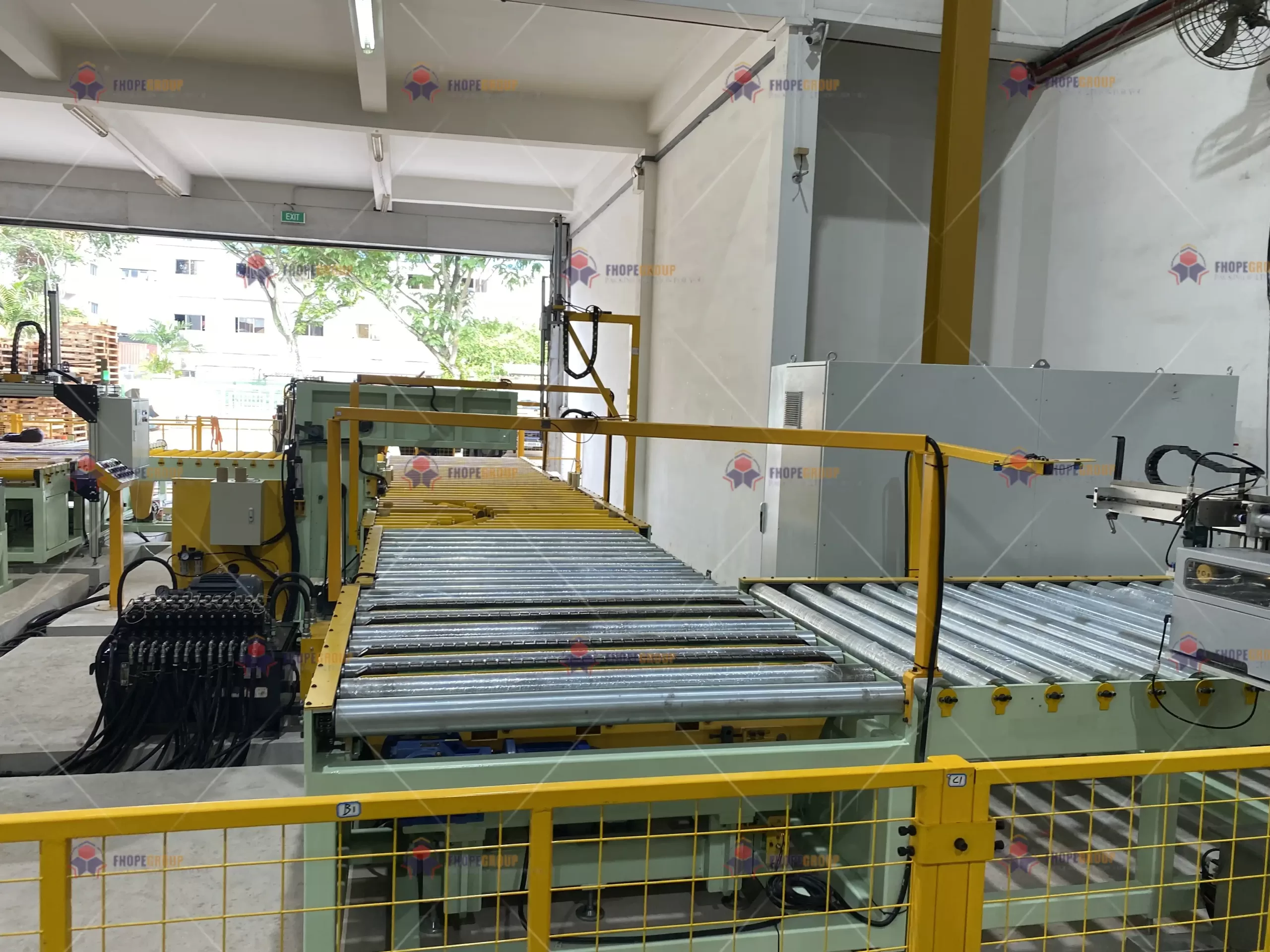
3. What Makes Coil Wrapping Machines Essential for Export-Grade Protection?
Are you sending your valuable coils or wire across borders? If so, they face a long and tough journey. High-quality packaging is not just an option. It is a must. Are your current methods really protecting your goods against the harsh realities of global shipping?
Coil wrapping machines are essential for export-grade protection because they create robust, consistent, and weather-resistant packaging. They do this by applying multiple, tight layers of durable film. This shields products from physical impact, moisture, dust, and other environmental factors encountered during long-distance transit.
When I started FHOPEPACK, I always kept export in mind. Many of my clients, including those in places like Mexico, ship products globally. I knew their packaging needed to withstand anything. My goal was to build machines that deliver unwavering protection.
Protecting Against Transit Damage
Exported goods travel through many stages. Each stage brings risks. Machines create a strong barrier. This barrier protects against common transit damages.
- Vibration and Movement: During sea or road transport, coils experience constant vibrations. They can also shift within containers. A tight, machine-applied film wrap holds the coil securely. This reduces internal movement and prevents surface abrasion.
- Impact and Abrasion: Coils can bump into other cargo or container walls. Forklifts can also cause impacts. Multi-layered film acts as a shock absorber. It also prevents scratches and scuffs on the coil’s surface.
- Stacking Pressure: In a busy warehouse or container, coils are often stacked. This puts pressure on the lower layers. A strong, consistent wrap helps the coil maintain its shape. It prevents deformation or crushing under weight.
I once heard a story from a client. They shipped coils manually wrapped. Many arrived with damaged edges. This caused huge issues. After switching to automated wrapping, those problems disappeared. This is why I stress the importance of machine-level protection.
Guarding Against Environmental Hazards
The environment during shipping can be very harsh. Coils can face extreme conditions. This is true whether they are traveling by sea to Mexico or by land. Automated wrapping provides essential protection.
- Moisture and Humidity: Sea freight is notorious for high humidity. Condensation can also form inside containers. Machine wrapping creates a moisture barrier. Certain films also offer anti-corrosion properties. This prevents rust and water damage.
- Dust and Dirt: Coils often pass through dusty ports and warehouses. Fine particles can contaminate the product. A tight film wrap seals the coil. It keeps dust and dirt out.
- UV Light Exposure: If coils are stored outdoors or transported on open flatbeds, they can be exposed to sunlight. UV light can degrade surfaces over time. UV-stabilized films, applied by machine, offer this vital protection.
- Temperature Fluctuations: Extreme temperature changes can stress materials. The consistent film layers provide some insulation. They help to stabilize the coil’s temperature. This reduces thermal expansion and contraction issues.
I have always believed in building machines that can handle the real world. This includes varied climates and tough shipping routes. Our designs account for all these environmental factors.
Consistency is Key for Global Standards
International shipping standards demand consistent quality. Any variation can lead to rejections or delays. Automated coil wrapping ensures this consistency.
- Uniform Application: Machines apply film with the same tension, overlap, and number of layers every single time. This means every package looks and performs identically.
- Meeting Regulations: Many countries have specific import requirements for packaging. Consistent, high-quality machine wraps help meet these regulations easily. This prevents issues at customs.
- Professional Appearance: A consistently wrapped coil looks professional. It signals quality to your customers. This helps build trust and strengthens your brand image in international markets.
- Reduced Claims: With reliable, consistent packaging, the number of damage claims drops significantly. This saves time, money, and headaches for everyone involved.
My mission with FHOPEPACK has always been to empower businesses. I want them to produce world-class products and packaging. Consistency is at the heart of achieving that.

4. How Can You Maximize ROI and Choose the Right Packaging Partner?
Making a big investment in new machinery can feel daunting. You want to make sure you choose the right system. You also need a supplier you can trust. Are you worried about getting stuck with a machine that does not deliver? Or worse, a supplier who disappears after the sale?
You can maximize the return on investment (ROI) from coil wrapping machines by carefully evaluating their impact on labor costs, material savings, and damage reduction. Achieving this best requires partnering with a supplier who offers proven expertise, robust after-sales support, and a deep understanding of your specific operational needs.
When I founded FHOPEPACK, it was because I saw a gap. Many clients needed real solutions and true partners. They did not just need someone to sell them a machine. My goal was to provide that trusted guidance. I wanted to help them grow their businesses.
Calculating Your Return on Investment (ROI)
Investing in a coil wrapping machine is a strategic decision. It is not just an expense. It is an investment that should pay for itself over time. Understanding your ROI is crucial.
| ROI Factor | How Coil Wrappers Contribute | Direct Impact on Profit |
|---|---|---|
| Labor Savings | Reduce the number of workers needed for packaging. | Lower wage costs, reduced benefits, less overtime. |
| Material Savings | Optimize film usage through pre-stretch and tension control. | Less money spent on packaging film per coil. |
| Damage Reduction | Provide superior protection, reducing product damage during transit. | Fewer customer complaints, fewer returns, less scrap. |
| Increased Throughput | Wrap coils much faster than manual methods. | Higher production capacity, faster delivery times. |
| Safety Improvements | Minimize manual handling, leading to fewer workplace injuries. | Lower insurance premiums, reduced worker compensation claims. |
| Brand Reputation | Consistent, high-quality packaging enhances customer satisfaction. | Stronger brand image, repeat business, competitive edge. |
I have seen countless factories transform their operations. They gained significant financial benefits from automating their packaging. The numbers speak for themselves.
Beyond the Machine: The Value of a True Partner
In the world of industrial machinery, the relationship with your supplier is as important as the machine itself. You need more than a vendor. You need a partner.
- Deep Industry Expertise: A good partner, like myself at FHOPEPACK, brings years of experience. We understand your production bottlenecks. We know your safety concerns. We can offer insights specific to your challenges, like those faced in a metal processing plant in Mexico.
- Customized Solutions: Your factory is unique. A true partner will not offer a one-size-fits-all solution. They will listen to your needs. They will suggest or even design a machine that fits your exact requirements.
- Reliable After-Sales Support: Machines need maintenance. They sometimes need spare parts. A reliable partner offers excellent technical support. They ensure quick access to parts and service. This minimizes costly downtime.
- Training and Integration: Implementing new equipment requires training your team. A good partner provides thorough training. They also help integrate the new machine smoothly into your existing production line.
- Long-Term Relationship: The best partnerships are built on trust. They aim for long-term success. This means the supplier is there to support your business growth, not just to make a single sale.
My journey from factory employee to factory owner taught me this lesson. I saw clients frustrated with suppliers who only cared about selling. I wanted FHOPEPACK to be different. I wanted us to be a resource, a helper.
My Journey: From Engineer to Partner
When I started FHOPEPACK, I did not just want to sell machines. I wanted to solve problems. I remembered my early days, working on the factory floor. I saw the struggles. I saw the potential for better solutions. That experience gave me a unique perspective. I understood what factory managers, like Michael Chen in Mexico, truly needed.
I focused on building robust, efficient machines. But more importantly, I focused on building relationships. I wanted to be the expert my clients could rely on. I wanted to share my knowledge. This led to FHOPEPACK becoming a knowledge-sharing platform. My goal is to help others succeed, just as the industry helped me achieve independence. We are here to guide you, to help you make informed decisions. We want to ensure your investment in a coil wrapping machine brings you maximum benefit.
Questions to Ask Your Potential Supplier
Before you commit to a major equipment purchase, ask these important questions. They will help you find the right partner.
- What is your experience in my specific industry? Make sure they understand metal processing or heavy manufacturing.
- Do you offer custom solutions, or only standard models? This shows if they can tailor to your unique needs.
- What kind of after-sales support do you provide? Ask about technical support, spare parts availability, and service response times.
- Can you provide references from similar clients? Hearing from other factory managers can offer valuable insights.
- What is your approach to calculating ROI for my specific operation? A good partner will help you see the financial benefits clearly.
- How do you handle installation and training for my team? Ensure they provide full support for smooth integration.

Conclusion
Coil wrapping machines are a smart investment. They save film through precision technology. They also ensure reliable export packaging. This protects your products and boosts your profits.








