
How Does a Horizontal Stretch Wrapper Improve the Overall Packaging Quality of Doors?
Have you ever seen products leave a factory only to arrive damaged at the client’s site? This is a huge problem. It costs money. It costs trust. Many factory managers, like Michael Chen in Mexico, face this challenge every day. They struggle with slow packaging, safety risks, and wasted products. I have seen this first-hand. It is a big headache for everyone involved in heavy manufacturing.
A horizontal stretch wrapper makes a big difference in packaging quality. It wraps long items like doors, lumber, pipes, or even steel profiles tightly. This machine uses stretch film to secure the product from all sides. It creates a protective layer. This layer keeps items safe during transport and storage. It prevents scratches, dents, and shifting. This results in products arriving in perfect condition. It truly raises the overall quality of packaging.

You might wonder how one machine can solve so many problems. From my experience building and running factories, I know the right equipment changes everything. Let’s look closer at how horizontal stretch wrappers tackle the issues I just mentioned. We will see how they improve packaging, make operations safer, and save money.
How Does Automation Boost Packaging Efficiency and Speed?
Do you find your packaging line slow? Does it create a bottleneck in your factory? Many companies struggle with manual packaging. It takes too much time. It needs too many workers. This stops products from moving out the door quickly. This can lead to delays for customers. It reduces your factory’s output.
Automation, specifically with a horizontal stretch wrapper, boosts packaging efficiency significantly. It removes the need for manual wrapping. The machine works much faster than people. It wraps consistently every time. This means more products get packed in less time. It clears up bottlenecks at the end of the production line. This helps your factory deliver products faster and more reliably.
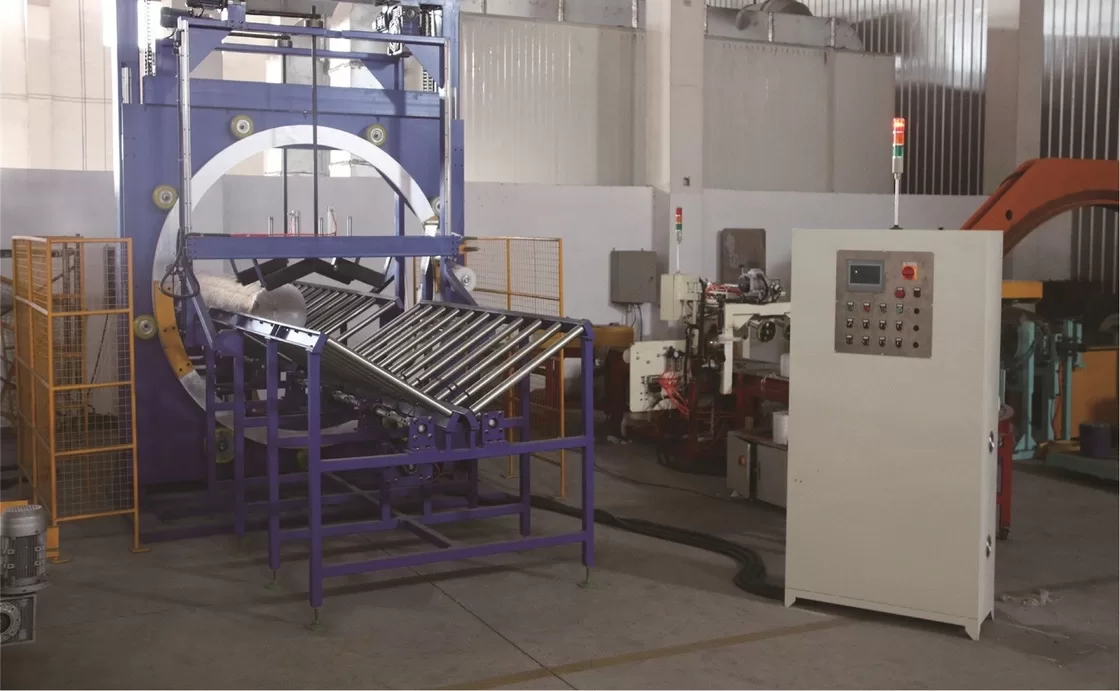
When I ran my packing machine factory, efficiency was always on my mind. Every minute of downtime, every slow process, meant money lost. For products like doors, or in Michael Chen’s case, heavy steel coils and metal profiles, manual wrapping is not just slow; it is a major choke point. A horizontal stretch wrapper changes the game. It uses advanced controls to wrap items quickly. It does not get tired. It does not make mistakes due to fatigue. This machine can handle a high volume of products. It can keep up with the main production lines. This means your finished goods are ready to ship almost as soon as they are made.
Consider the speed. A machine can complete a wrap cycle in seconds. A person might take minutes. Multiply this by hundreds of items each day. The time savings add up fast. This speed increase means you can process more orders. You can meet tighter deadlines. It also means you need fewer people for the same job. Those workers can then do other important tasks in the factory. This reallocates labor better. This improves overall productivity. It is not just about wrapping faster. It is about making the entire factory flow smoother. This is a big win for any operation.
Why is Manual Wrapping a Bottleneck?
- Slow Speed: People work slower than machines for repetitive tasks.
- Inconsistency: Wrap quality varies between workers.
- Labor Intensive: Requires many workers for large volumes.
- Fatigue and Errors: Workers get tired, which leads to mistakes.
How Does Automation Solve This?
- High Speed: Wraps items quickly and continuously.
- Consistent Quality: Every wrap is the same.
- Reduced Labor: Fewer workers needed for packaging.
- Less Error: Machine does not get tired or make mistakes.
This shift from manual to automated processes is a core part of modern manufacturing. It is how factories grow and stay competitive. It makes sense to invest in something that speeds up your entire operation.
Can Horizontal Wrappers Truly Enhance Worker Safety?
Are your workers at risk during packaging? Do they lift heavy items? Do they have to bend or twist in awkward ways? Manual handling of large or heavy products like doors, or big metal parts, leads to many injuries. These injuries can be sprains or strains. They can be more serious. This affects your workers’ health. It also raises your insurance costs. It makes it hard to keep good employees.
Yes, horizontal wrappers greatly enhance worker safety. They reduce the need for manual lifting, twisting, or bending. Workers simply place the item on a conveyor or turntable. The machine does all the wrapping. This removes direct contact with heavy loads. It lowers the risk of muscle strains, cuts, or crushing injuries. It creates a much safer work environment for everyone.
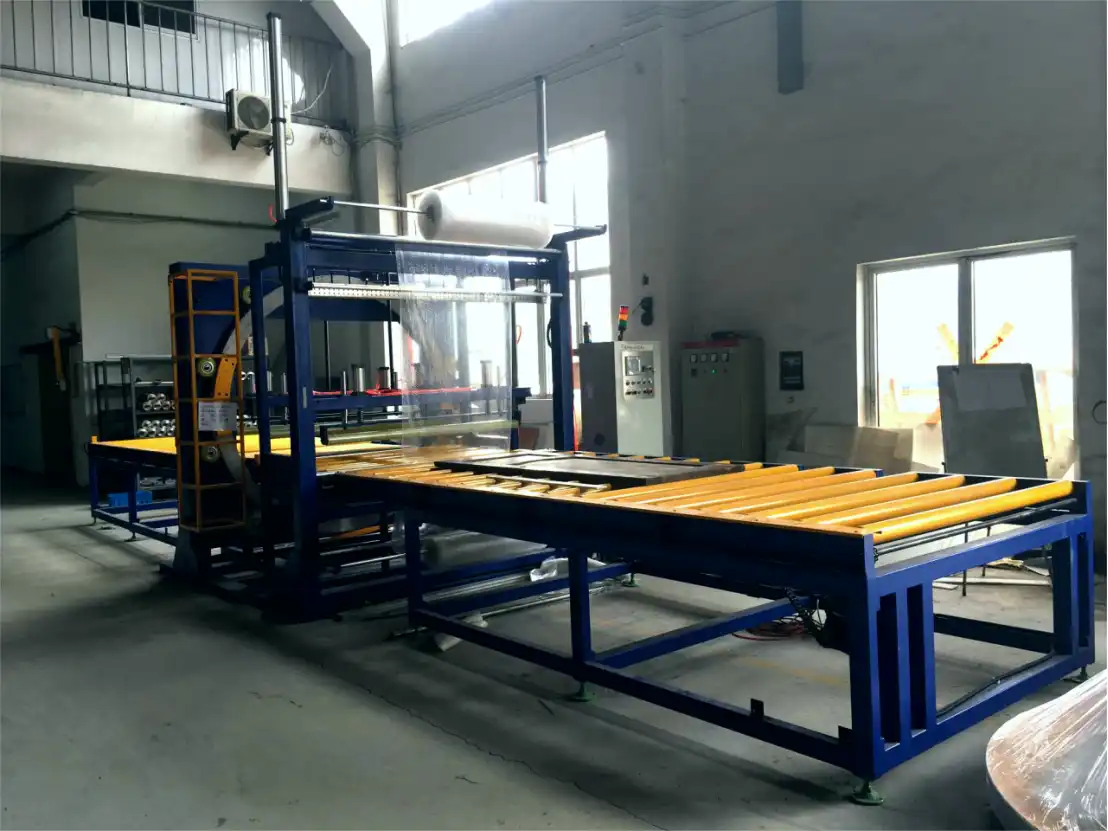
When I was an employee in a packing machine factory, I saw too many workplace injuries. Heavy lifting was always a problem. Michael Chen, as a factory manager, knows this pain well. Michael’s workers manually handle heavy steel coils and wires. This is dangerous. It is a huge risk for accidents. Horizontal stretch wrappers take the human element out of the most dangerous parts of packaging. The machine handles the heavy parts. It rotates the film around the product. Workers just monitor the process. They operate the controls from a safe distance.
Think about a worker trying to wrap a large, heavy door or a long metal beam. They have to walk around it. They have to bend down. They have to lift and pull film. This is physically demanding. It puts stress on their backs and joints. With a horizontal wrapper, the product moves through the machine. Or, the machine’s arm rotates around a stationary product. No worker needs to walk in circles. No worker needs to lift the product. This greatly reduces repetitive strain injuries. It also prevents accidents from dropping heavy items. This makes workers feel safer. They are more productive because they are not worried about getting hurt. This also lowers your company’s insurance premiums. It reduces employee turnover caused by workplace injuries. This is good for your workers and your bottom line.
How Does Manual Handling Cause Risks?
- Lifting Heavy Items: Leads to back injuries, sprains.
- Repetitive Motions: Causes muscle fatigue, strain injuries.
- Awkward Postures: Increases risk of falls, twists.
- Contact with Edges: Can cause cuts or crushes from sharp objects.
How Do Wrappers Improve Safety?
- Automated Movement: Machine handles lifting and rotation.
- Reduced Manual Effort: Minimizes physical strain on workers.
- Safe Operating Zones: Workers stay away from moving parts.
- Consistent Process: Fewer human errors that cause accidents.
Investing in a horizontal wrapper is not just about efficiency. It is also a smart investment in your most valuable asset: your people.
How Do These Wrappers Reduce Product Damage and Costs?
Do your products get damaged before they even reach the customer? This happens often during internal transport or packaging. Things like scratched surfaces, bent corners, or broken edges can lead to customer complaints. These complaints cost you money. They cost you your reputation. This is especially true for delicate items like finished doors or high-value steel products. Any damage means a loss of profit.
Horizontal stretch wrappers significantly reduce product damage and, in turn, lower costs. The machine applies a tight, consistent, and full-coverage wrap. This protects products from impacts, dust, moisture, and abrasion during handling and shipping. Less damage means fewer returns, fewer reworks, and happier customers. This directly impacts your factory’s profitability by cutting down on waste and improving customer satisfaction.
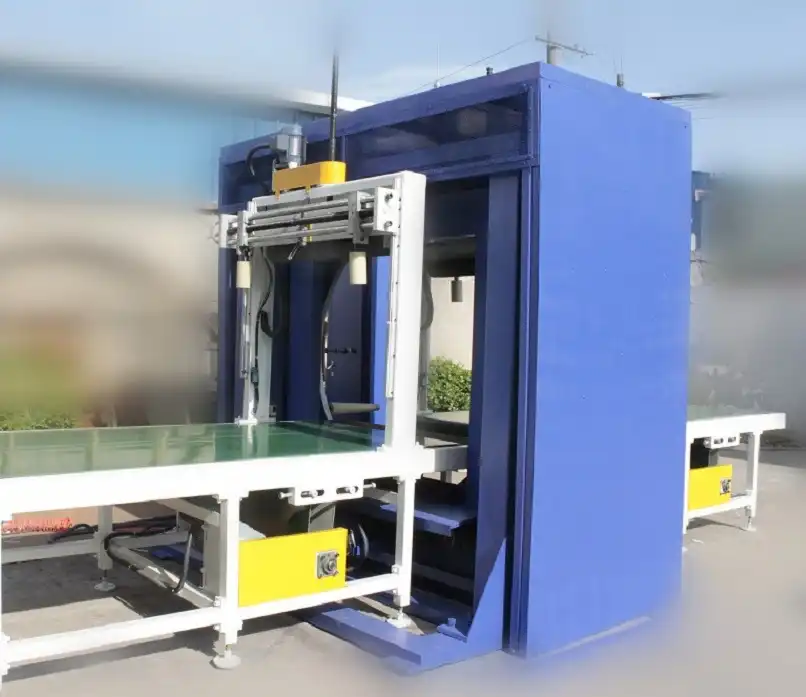
I remember clients in the metal industry always worried about product damage. A scratched coil or a dented profile meant a rejection. This meant losing money. Michael Chen faces this too. His factory deals with products that are easily damaged during transit. A horizontal stretch wrapper solves this by creating a robust package. The stretch film acts like a second skin. It holds the product firmly. It protects it from outside elements. This prevents common types of damage.
Think about how items are moved around a factory or loaded onto trucks. They might bump into other items. They might get scratched by rough surfaces. Dust and moisture can also cause issues. A horizontal wrapper completely seals the product. This means the finished door, or the valuable steel beam, is protected from all sides. The film also provides stability. It bundles loose items together. This stops them from shifting during transport. Shifting often causes self-inflicted damage. For example, if a stack of doors moves inside a truck, their edges might rub and get damaged. The tight wrap keeps everything secure. This results in far fewer damaged goods. This translates into less waste. It means fewer customer complaints. It means a better reputation for your factory. All these factors directly improve your factory’s overall profitability. It is a clear return on investment.
How Does Damage Occur in Packaging?
- Lack of Protection: Items exposed to bumps, scrapes.
- Loose Packaging: Products shift and hit each other.
- Environmental Factors: Dust, moisture, and dirt exposure.
- Manual Handling Errors: Drops, scrapes by human mistakes.
How Do Wrappers Prevent Damage and Save Costs?
- Full Coverage: Film protects all surfaces from external impact.
- Tight Securement: Prevents movement and internal damage.
- Environmental Barrier: Shields from dust and moisture.
- Reduced Manual Handling: Fewer human errors, less risk of drops.
This kind of equipment is not just an expense. It is a strategic investment that pays for itself by preventing costly mistakes and ensuring product quality.
Why is Partnering with Experts Crucial for Your Packaging Needs?
Have you ever bought equipment only to find the supplier disappears after the sale? This is a common story. Some companies only care about making a quick sale. They do not offer good after-sales service. They do not understand your specific factory needs. This leaves you stuck when problems arise. It makes you hesitant to trust new equipment suppliers.
Partnering with true experts is crucial for your packaging needs. Experts, like myself, understand the deep challenges of factory operations. We have lived through them. We do not just sell machines. We offer insights. We provide solutions that truly fit your factory. We ensure the equipment helps your business grow. This relationship builds trust. It guarantees you get reliable support long after the sale.

My journey started as an employee. I worked in a packing machine factory. Then, I built my own successful factory. I know what it means to face production bottlenecks. I know the pressure of controlling costs and keeping workers safe. When I founded FHOPEPACK, my goal was to share this knowledge. I want to help others succeed. This is why partnering with someone who understands your real-world problems, like Michael Chen’s in his metal processing plant, is so important. Michael needs more than just a machine. He needs a partner who understands his production flow. He needs someone who can help him reduce safety risks. He needs a partner who can increase his overall factory efficiency.
A good partner will not just tell you what machine to buy. They will listen to your challenges. They will ask about your specific products. They will look at your current processes. Then, they will recommend the best solution. They will explain how a horizontal stretch wrapper fits into your existing line. They will show you the exact return on investment (ROI). They will offer training for your staff. They will provide strong technical support for many years. This type of partnership builds confidence. It ensures your investment is sound. It means you have someone to call when you need help. This level of support is vital for any factory. It helps you avoid buyer’s remorse. It makes sure your equipment keeps working well for a long time. It helps your business grow.
What are the Dangers of Non-Expert Suppliers?
- Poor Fit: Equipment does not match your specific needs.
- Lack of Support: No help after you buy the machine.
- Hidden Costs: Unexpected issues arise without proper guidance.
- Misleading Advice: Focus on sales, not on solving your problems.
How Do Experts Provide Value?
- Tailored Solutions: Equipment chosen for your exact factory needs.
- Ongoing Support: Technical help and training are always available.
- Problem Solvers: Understand your challenges and offer real fixes.
- Long-Term Partnership: Focus on your business’s success, not just a sale.
Choosing the right partner is as important as choosing the right machine. It ensures your packaging journey is smooth and successful.
What are My Insights on Choosing the Right Wrapping Solution?
Do you feel overwhelmed by all the choices out there? Do you wonder which horizontal stretch wrapper is truly right for your factory? Many options exist. It can be hard to pick the best one. You want to make a smart investment. You need a machine that works now and in the future.
My biggest insight on choosing the right wrapping solution is this: focus on your factory’s specific pain points and long-term growth. Do not just buy the cheapest machine. Look for one that directly solves your biggest problems. Think about safety, efficiency, and product protection. Also, choose a supplier who acts as a true partner. This ensures your investment helps you achieve your business goals and keeps your factory running smoothly for years.
From my time building and running a successful packing machine factory, I learned that every factory is unique. Michael Chen’s metal processing plant needs robust solutions. It needs machines that can handle heavy, tough materials. My experience showed me that off-the-shelf solutions often fall short for industrial needs. You need to consider several things.
First, look at the type of products you wrap. Are they long and light like doors? Are they heavy and bulky like steel coils? The machine’s size, load capacity, and ring diameter must match your product dimensions. You also need to think about the production volume. If you pack hundreds of items a day, you need a high-speed automatic wrapper. If it is only a few, a semi-automatic might work.
Second, think about the film you will use. Different films offer different protection. Some are better for moisture. Some are stronger for heavy items. Your supplier should guide you on this.
Third, consider the level of automation. Do you want a fully automatic system that integrates into your production line? Or a simpler, semi-automatic machine that still needs an operator? The level of automation affects cost and labor savings.
Finally, and most importantly, consider the supplier. Do they have a deep understanding of your industry? Can they show you examples of similar applications? Do they offer strong after-sales support and spare parts? This relationship determines your long-term success with the machine. My goal with FHOPEPACK is not just to sell you a machine. It is to share knowledge. It is to help you find the best solution for your factory. It is to help you avoid the pitfalls I saw many others fall into. Choose wisely.
Key Factors for Choosing a Wrapper
- Product Size & Weight: Machine capacity and ring size must match.
- Production Volume: Manual, semi-auto, or full-auto based on needs.
- Film Type: Choose film for specific protection requirements.
- Integration: How will it fit into your current production line?
Why Partnering Matters Most
- Expertise: Supplier understands your industry and products.
- Support: Reliable after-sales service and spare parts.
- Trust: A long-term relationship built on solving your problems.
- ROI Guidance: Clear understanding of how the machine pays for itself.
Making the right choice for your packaging equipment means more than just buying a machine; it means investing in the future of your factory.
Conclusion
Horizontal stretch wrappers truly transform packaging quality. They make things faster, safer, and cut down on damage. Investing in the right machine with an expert partner means real growth for your factory.








