
Orbital Stretch Wrapper Basics: How It Works and Why It Matters for Wood Packaging?
Have you ever felt the pressure of keeping your production line moving, especially when it comes to packaging bulky or long items? I have been there. I know the frustration of slow processes, the dangers of manual handling, and the hidden costs of damaged goods. Many factory managers face a real challenge at the end of their production line. They need to get products out quickly and safely. This is where modern packaging technology becomes very important. It can make a huge difference in how smoothly your whole operation runs.
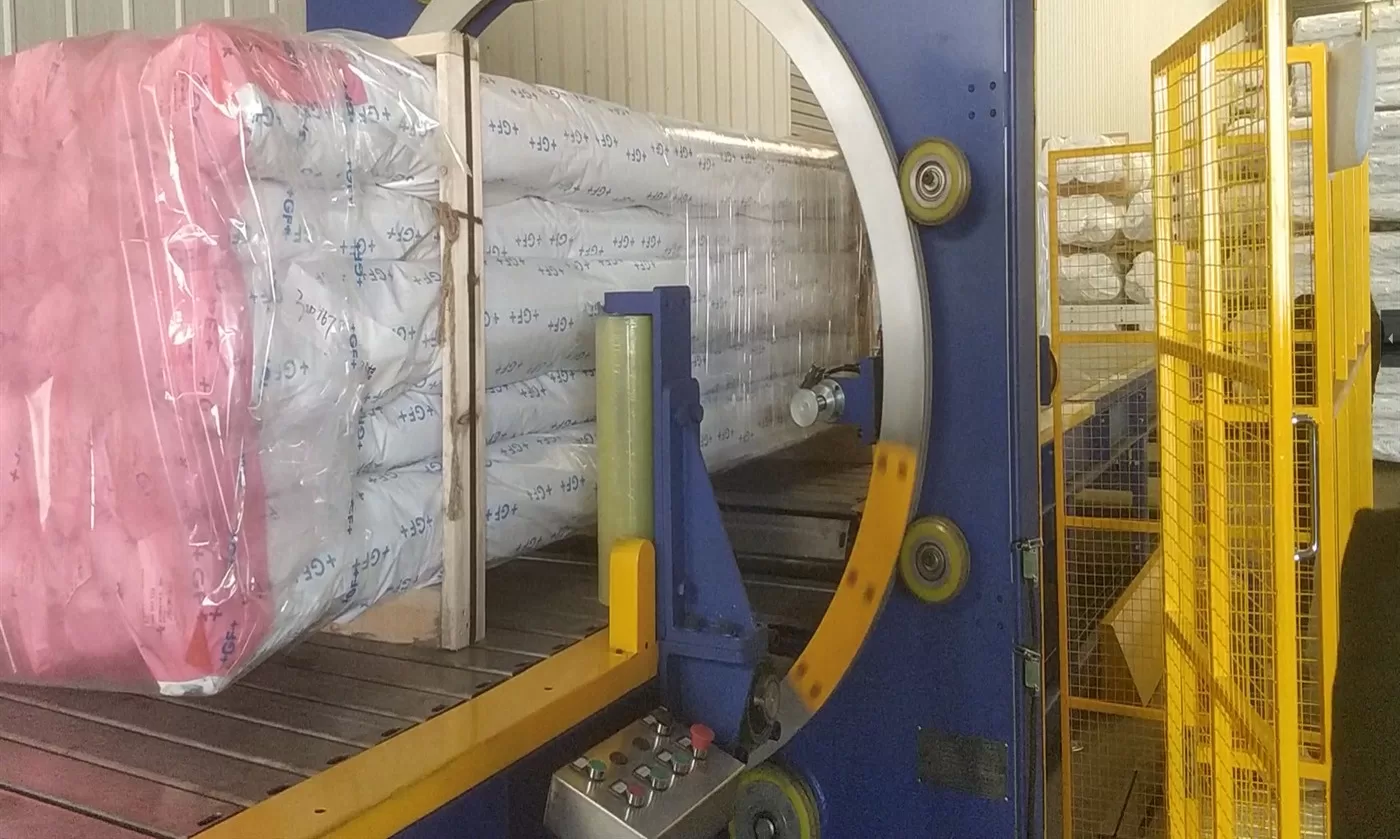
An orbital stretch wrapper is a machine that wraps stretch film around products while they pass through a rotating ring. This machine creates a tight, protective cover for long or bulky items. It is especially useful for wood packaging because it secures irregular shapes and protects surfaces. This method ensures your products stay safe and stable during transport and storage.
You might be thinking, “How can a machine really solve my toughest packaging problems?” That is a good question. I will take you through the details of orbital stretch wrappers. We will look at how they work, why they are so vital, and what benefits they bring. We will also explore how to choose the right one for your specific needs. Keep reading to understand how this technology can transform your packaging operations.
What Exactly is an Orbital Stretch Wrapper, and How Does It Work?
Are you still relying on manual methods for wrapping your products, feeling the constant strain on your team and the drag on your production speed? Many factory managers tell me they struggle with this. They watch valuable time disappear as workers try to secure awkward, heavy items. This outdated approach does not just slow things down. It also increases your costs and raises safety risks. It is a problem that affects your whole business.
An orbital stretch wrapper operates by passing an object through a central rotating ring. A roll of stretch film is mounted on this ring. As the product moves forward on a conveyor, the ring spins, wrapping the film tightly around the item’s entire surface. This process creates a secure, water-resistant, and dust-proof package. It works very well for long, flat, or irregularly shaped items, like wood planks, timber, doors, or even steel profiles.

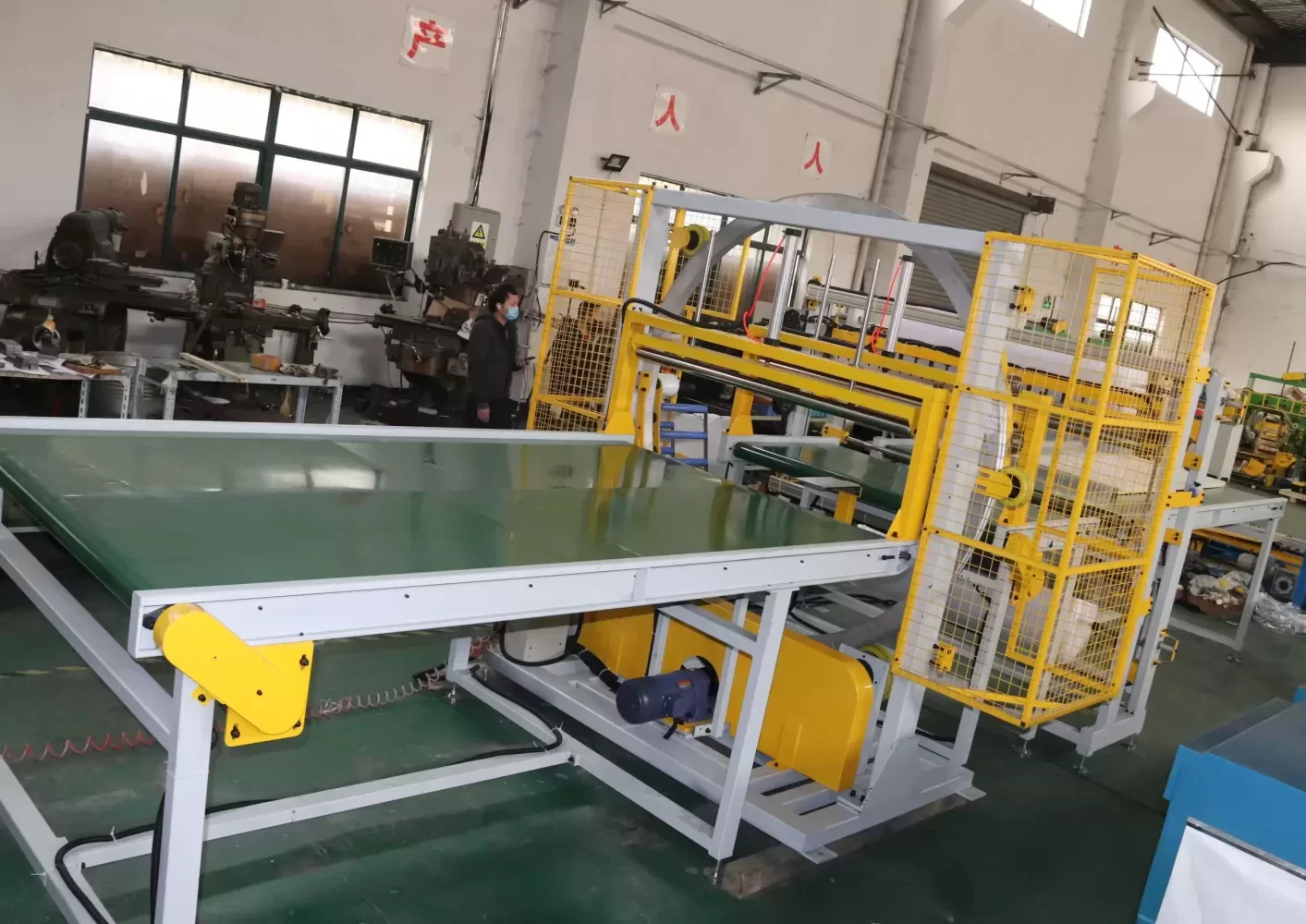
An orbital wrapper is a very smart piece of equipment. It has a main wrapping unit with a spinning ring. This ring holds the stretch film. Products, like bundles of wood or other long materials, enter the machine on a conveyor belt. They pass right through the center of that spinning ring. As the product moves, the film dispenses and wraps around it, forming a tight, protective layer. This machine works for many different products. It secures items that are long, flat, or even irregularly shaped.
The way it works is quite simple. First, the product goes onto the conveyor. Then, it moves into the wrapping zone. The film carriage then starts to rotate around the product. The film stretches and wraps tightly. This makes sure there are no loose parts. It covers the product from all sides. Some machines can apply multiple layers of film. This gives extra protection. The entire process happens very fast. It is much quicker than hand wrapping. It also uses less film. This saves you money in the long run.
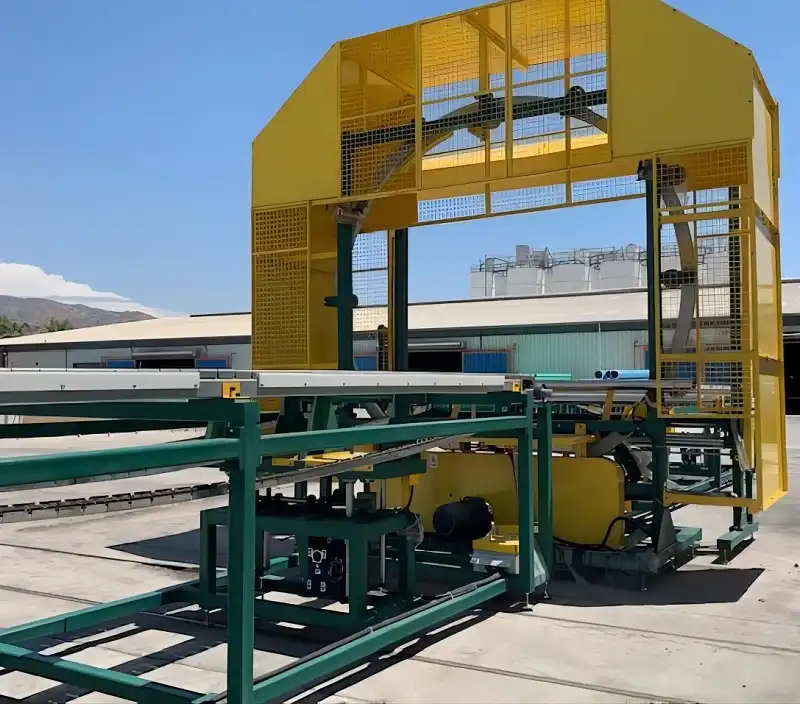
There are different types of orbital wrappers. Most common for wood and long products are horizontal orbital wrappers. These machines are designed for items that are long and flat, like lumber or panels. There are also vertical orbital wrappers for different product types. However, for most wood packaging needs, the horizontal type is best. It ensures the product is fully enclosed. The film protects against moisture, dust, and scratches. It also holds the bundle together. This stops parts from shifting during transport. It makes the package stable and safe to move. The machine does not require much space. It fits well into existing production lines. This makes it a smart investment for many factories.
Why is Manual Packaging a Bottleneck and Safety Risk for Heavy Products?
Do you find your packaging area is always behind schedule, especially when dealing with heavy or long products? I hear this problem often from factory managers. They tell me their finishing line feels like a constant choke point. This causes delays throughout their entire operation. This inefficiency is not just annoying. It costs a lot of money. It also puts your workers in danger every single day.
Manual packaging of heavy or bulky products creates serious bottlenecks and significant safety risks. It slows down production, leads to inconsistent wrapping, and exposes workers to strain injuries and accidents. This method also results in higher material waste and increased product damage. It becomes a critical weak point in your entire production flow.
Let me tell you, I have seen this problem firsthand in many factories, and even in my own journey. Before I built my own packing machine factory, I worked as an employee. I saw how much effort manual packing took. It was especially hard with heavy items like steel coils and wires. The same issues apply to wood packaging.
The Hidden Costs of Manual Labor:
-
Efficiency Bottleneck: Manual packaging is very slow. Workers must move around the product, unroll film, and stretch it by hand. This takes a lot of time. It limits how many products you can prepare each hour. This means your production line cannot run at full speed. It creates a backlog at the very end. This impacts your delivery times and overall output. When one part of the line slows down, the whole line suffers. This makes it hard to meet customer demands. It also adds pressure on your team.
-
Safety Hazards: Moving and wrapping heavy or long items by hand is dangerous. Workers can suffer muscle strains, sprains, and back injuries. Dropping items is a constant risk. This can lead to severe accidents. It can even cause permanent disabilities. These incidents lead to high insurance costs for your company. They also cause lost workdays. Worker morale can drop. Employee turnover might increase. A safe workplace is very important. Manual handling makes this difficult to achieve.
-
Product Damage: When products are wrapped by hand, the film tension can be inconsistent. Some parts might be too loose. Others might be too tight. This can lead to damage during transport. Edges of wood products can get chipped. Surfaces can get scratched. Moisture can get in if the wrap is not sealed well. These damages result in customer complaints. They lead to returns. This costs you money. It hurts your reputation. You lose profits on every damaged item.
-
Inconsistent Quality: Hand wrapping means quality varies from person to person. It also varies from shift to shift. Some wraps might be perfect. Others might be sloppy. This makes your final product look unprofessional. It affects how customers see your brand. Automated systems ensure every package looks the same. It ensures every package is secure. This consistency is hard to get with manual methods.
-
High Labor Costs: You need many workers to keep up with manual packaging. This increases your payroll. It increases overtime costs. Training new staff takes time and money. These expenses add up fast. They eat into your profit margins. An automated system can do the work of several people. This frees up your employees for more skilled tasks. This improves overall productivity. It lowers your operational costs in the long run.
These problems are not small. They affect your bottom line. They affect your people. They make it hard to grow your business. This is why many factory managers look for better ways to package their products.
What Benefits Do Orbital Stretch Wrappers Bring to Your Operations?
Are you tired of packaging processes that drain your budget, risk your workers’ safety, and still leave your products vulnerable to damage? Many factory owners feel stuck in this cycle. They know they need a change. But they might not know where to start. It is time to look at solutions that solve these critical problems. These solutions can make your operations more efficient and secure.
Orbital stretch wrappers bring significant benefits to operations, especially for wood packaging and other bulky items. They dramatically increase efficiency through automation, enhance worker safety by reducing manual handling, and ensure superior product protection. They also lead to substantial cost savings by optimizing film usage and minimizing product damage, delivering a clear return on investment.

I have seen the transformation that happens when factories adopt the right technology. Investing in an orbital stretch wrapper is not just buying a machine. It is investing in a solution that tackles many core operational challenges.
Real-World Advantages of Automation:
-
Increased Efficiency and Throughput: One of the biggest gains is speed. An orbital wrapper can wrap products much faster than any human. It works continuously. It does not get tired. This means you can process more items in less time. This solves the bottleneck problem at the end of your production line. You can meet tighter deadlines. You can deliver more products. This helps your overall factory output. It makes your operations run smoother.
-
Enhanced Safety: This is a huge one. Orbital wrappers remove the need for manual handling of heavy or awkward products during wrapping. Workers no longer need to lift, carry, or maneuver large bundles of wood. This greatly reduces the risk of back injuries, strains, and accidents. A safer workplace means fewer worker compensation claims. It means lower insurance premiums. It also means happier, more productive employees. They feel safer at work. This leads to higher retention rates. It improves morale.
-
Superior Product Protection: The machine applies film with consistent tension. It covers all surfaces evenly. This creates a very secure and protective package. It guards against dust, moisture, and scratches. For wood products, this means less warping or damage from humidity. It means fewer chips or dents during transit. This leads to fewer customer complaints. It means less money lost on damaged goods. Your products arrive at the customer’s site in perfect condition. This builds trust and satisfaction.
-
Significant Cost Reduction: An orbital wrapper saves money in several ways.
- Labor Costs: It reduces the need for multiple workers on the packaging line. You can reassign staff to other tasks. This cuts down on labor expenses.
- Film Usage: The machine applies film very efficiently. It uses only what is needed. This reduces material waste. It saves you money on packaging supplies.
- Damage Costs: By protecting products better, you reduce losses from damaged goods. This saves money on returns, rework, and replacement products. These combined savings provide a strong return on your investment (ROI).
-
Versatility in Packaging: Orbital wrappers are very adaptable. They can wrap a wide range of product sizes and shapes. This includes long, flat, or irregular items like lumber, doors, panels, or even awkwardly shaped bundles of wood. You can adjust the machine for different product dimensions. This flexibility means one machine can handle various packaging needs. This makes it a valuable asset for diverse product lines.
-
Improved Professional Appearance: A machine-wrapped package looks neat and uniform. This professional look reflects well on your company. It shows attention to detail. It shows quality. This can enhance your brand image in the eyes of your customers.
These benefits are not theoretical. They are real improvements that factory managers see every day. They help businesses grow and stay competitive.
How Can You Choose the Right Orbital Wrapper for Your Specific Needs?
Are you feeling overwhelmed by the many options available when looking for new equipment? Many factory managers tell me they find it hard to decide. They want to make the right investment. But they fear choosing a machine that does not quite fit. They worry about getting stuck with a system that does not solve their real problems. This decision is important. It needs careful thought.
Choosing the right orbital wrapper requires careful consideration of your product dimensions, production volume, and specific wrapping needs. It is also vital to assess the machine’s integration capabilities, your budget, and the quality of after-sales support. A good selection process ensures the machine truly meets your operational demands and provides a clear return on investment.
When I was building my own factory, and even now, when advising clients, I always emphasize that the best machine is not always the most expensive one. It is the one that fits your factory best. It must solve your unique problems.
Key Factors for Selection:
-
Product Dimensions and Weight: This is the most important starting point. You need to know the exact range of your products. What is the longest, widest, tallest, and heaviest item you need to wrap? Orbital wrappers have limits on the size of items they can handle. Make sure the machine’s opening and conveyor system can accommodate your largest products. If you primarily deal with long wood beams, you need a horizontal wrapper with a suitable ring diameter. If you have very heavy items, the machine needs to be robust enough to handle the weight. Do not guess these measurements. Get exact numbers.
-
Production Volume and Speed: How many items do you need to wrap per hour or per day?
- Low Volume: A semi-automatic machine might be enough. You might load products by hand. The machine does the wrapping.
- Medium to High Volume: A fully automatic orbital wrapper is probably a better choice. It can integrate with your existing conveyors. It handles products without human touch. This means higher speeds. It means more consistency. Consider your current output and your future growth plans. Invest in a machine that can grow with your business.
-
Wrapping Requirements: What kind of protection does your product need?
- Do you need only dust protection? Or do you need full water resistance?
- What type of film do you want to use? Different machines handle different film gauges and types.
- How many layers of film do you need? Some machines offer adjustable wrap cycles.
- Think about the environment your products will be in during transport and storage. This will guide your film and wrap choices.
-
Integration with Existing Production Line: Will the new wrapper fit smoothly into your current setup?
- Consider the conveyor height.
- Think about the speed matching with upstream and downstream equipment.
- Do you need sensors for automatic product feeding? A seamless integration reduces friction. It prevents new bottlenecks. It makes your overall process more efficient. Discuss this in detail with the supplier. They should understand your existing layout.
-
Budget and Return on Investment (ROI): Every investment needs to make sense financially.
- Look beyond the initial purchase price.
- Consider the long-term savings. This includes reduced labor costs. It includes lower material waste. It also includes fewer product damages.
- Calculate your potential ROI. A good supplier can help you do this. They can show you how the machine will pay for itself over time. For example, if you reduce 2 workers from packaging and save 10% on film and 5% on damage, the numbers add up quickly. This is what Michael Chen, a factory manager, would want to see.
-
After-Sales Support and Service: This point is very important. I have seen many companies buy machines only to be left struggling when something breaks down.
- Ask about spare parts availability.
- Ask about technical support.
- Inquire about maintenance services.
- A reliable supplier offers strong support. They stand by their products. This minimizes downtime. It keeps your production running smoothly. This builds trust. It is what separates a true partner from just a seller.
Choosing the right machine is a strategic decision. It is not just about features. It is about how the machine will improve your entire operation and help your business grow.
My Insights: Building a Future with Smart Packaging Solutions?
Have you ever wondered if there is a better way to run your factory, to achieve not just efficiency, but true peace of mind? I have been in the packaging industry for a long time. I started as an employee on the factory floor. I faced the same daily challenges many of you face. I worked hard. I learned the ropes. Eventually, I built my own successful packing machine factory. This journey taught me a lot. It taught me about the pressures of production. It taught me about managing costs. It taught me about keeping workers safe. Most importantly, it taught me the value of a true partnership.
My journey from an engineer to a factory owner taught me that real solutions come from understanding a client’s challenges deeply. It is not just about selling a machine. It is about providing expert guidance, reliable support, and solutions that deliver clear financial gains. Building a future with smart packaging means finding partners who truly understand your operational needs and help you achieve sustained growth.
When I talk about FHOPEPACK, I am not just talking about machines. I am talking about the knowledge and experience I gained. I built my business by helping my clients succeed. I helped them grow their businesses. This is how I achieved financial independence. Now, I want to give back. I want to share my expertise. I want to help you overcome your packaging challenges.
For someone like Michael Chen, a factory manager in Mexico, the challenges are very real. He deals with heavy steel coils and wires. He needs to boost output. He needs to control costs. He needs to ensure safety. He has dealt with suppliers who only care about the sale. This is why trust is so important.
My insight is this: Your packaging machine supplier should be more than just a vendor. They should be a partner. They should understand your production bottlenecks. They should understand your safety concerns. They should understand your need for efficiency. They should offer professional insights. They should provide reliable solutions.
At FHOPEPACK, we focus on sharing knowledge. We want to help you understand the craft of packaging. We want to make this knowledge accessible. We want to help you find the right equipment. We look at your specific situation. We help you choose a machine that gives you a clear return on investment. We offer strong after-sales support. We know that downtime costs money. We know that good support means your machines keep running.
Investing in an orbital stretch wrapper is a smart step towards automation. It improves safety. It cuts costs. It boosts your factory’s overall performance. But the real value comes from working with someone who truly understands your world. Someone who has walked in your shoes. Someone who cares about your success. That is the FHOPEPACK way. That is my promise to you. Let us build a more efficient and safer future for your packaging operations, together.
Conclusion
Orbital stretch wrappers automate packaging, boosting safety and efficiency for bulky items like wood. They cut costs and reduce product damage. This smart investment delivers a strong return and future-proofs your operations.







