
How a Horizontal Orbital Wrapper Can Double Your Panel Product Output?
Are your panel product packing lines slowing down your entire operation? Do you constantly worry about worker safety or damaged goods during transit? Many factory managers I talk to face these exact headaches every day. Manual packing, inefficient processes, and unexpected downtime can drain your profits and cause endless frustration. But what if one smart machine could turn things around, significantly boosting your output and solving these critical issues?
A horizontal orbital wrapper can double your panel product output by automating the entire wrapping process. This machine eliminates slow manual labor and allows for continuous flow. It quickly applies a protective film around panels of various shapes and sizes. This reduces packing time significantly and integrates seamlessly into existing production lines.
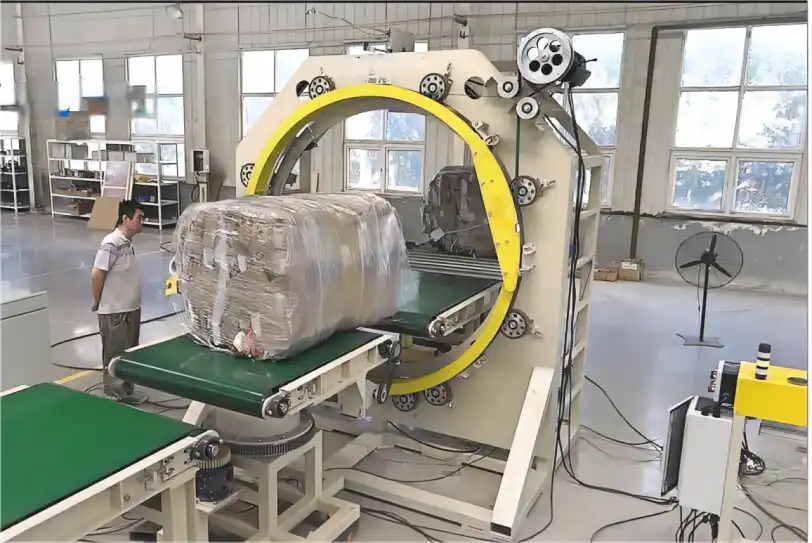
As someone who built a packing machine factory from the ground up, I have seen first-hand how the right equipment can change everything. It is not just about buying a machine. It is about finding a solution that fits your factory’s needs. We need to look deeper into how this specific technology works. It can help you reach your production goals.
Can it truly eliminate my efficiency bottlenecks?
Is your current packing process a choke point? Does it make your entire production line slow down? You might feel like your finished goods are piling up. You want them out the door faster. Manual packing of heavy or large panel products is often the biggest bottleneck. It causes delays and stops your overall progress.
Yes, a horizontal orbital wrapper directly tackles efficiency bottlenecks. It does this by automating the end-of-line packing process. This machine replaces slow, inconsistent manual labor with high-speed, uniform wrapping. It makes sure products flow continuously from production to shipment without delay.
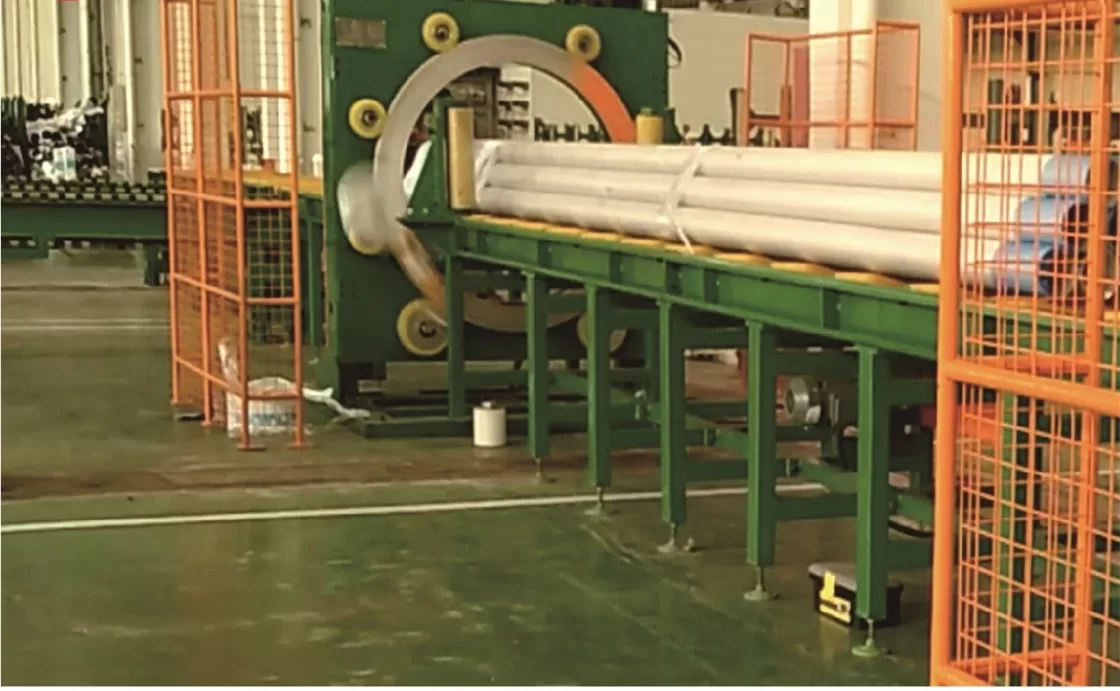
A horizontal orbital wrapper brings speed to your packing line. Manual wrapping of large or heavy products like steel coils, timber bundles, or other panel materials takes a lot of time. Workers must move around the product, unroll film, and apply it by hand. This process is slow. It also leads to inconsistent wrapping. With a machine, the product moves through a wrapping ring. The machine applies film quickly and evenly. This cuts wrapping time by a lot. You can process many more items per hour. This means your production line does not have to wait for the packing stage.
The machine also ensures consistent wrap quality. Manual wrapping often has gaps or uneven layers. This can lead to damage. An orbital wrapper applies a tight, uniform wrap every time. This consistent quality means fewer re-wraps or customer complaints later. It also reduces material waste. The machine uses just the right amount of film. This is better than manual estimates.
This type of wrapper integrates easily with your existing conveyors. You can place it at the end of your production line. Products can come directly from the manufacturing process into the wrapper. This creates a smooth flow. There is no need for extra handling or storage before wrapping. This continuous flow helps to clear out production space faster. It reduces bottlenecks. It also lowers the risk of product damage while waiting to be packed. For example, a factory packing steel coils used to spend hours wrapping each coil by hand. Now, with an orbital wrapper, they can pack a coil in minutes. This speed up allows them to ship more products each day. This change helps them meet higher demand. It also improves their delivery times.
Let us look at a simple comparison:
| Feature | Manual Packing | Horizontal Orbital Wrapper |
|---|---|---|
| Speed | Slow, varies by worker | Fast, consistent output |
| Consistency | Low, depends on skill | High, uniform wrap every time |
| Throughput | Low, causes bottlenecks | High, allows continuous flow |
| Labor Needs | High, dedicated packing team | Low, one operator for multiple lines |
| Integration | Often requires manual staging | Seamless with existing conveyors |
This shows how a horizontal orbital wrapper is a clear upgrade. It takes away the biggest stops in your production. It helps you keep your promises to customers.
Will it make my factory a safer place?
Are you constantly worried about worker injuries in your factory? Manual handling of heavy or awkward products is a major cause of accidents. Workers might strain their backs, drop heavy items, or even get crushed. These incidents lead to high insurance costs and high employee turnover. You want to protect your team. You also want to avoid the costs of workplace accidents.
A horizontal orbital wrapper significantly improves factory safety. It does this by minimizing manual handling of heavy or awkward panel products during the wrapping process. It reduces the risk of strains, falls, and crushing injuries. This creates a much safer environment for your workers.

One of the biggest benefits of a horizontal orbital wrapper is how it protects your workers. When packing heavy items like metal panels, pipes, or coiled wire, workers often have to lift, push, or turn these products. This work is very hard on the body. It causes back injuries, muscle strains, and other physical problems. These injuries lead to lost workdays. They also increase your insurance premiums. With an orbital wrapper, the machine does the heavy lifting. Products move on conveyors directly into the wrapper. Workers do not need to physically touch or move the heavy item during wrapping.
The machine also reduces repetitive motions. Manual wrapping involves a lot of bending, stretching, and hand movements. Over time, these actions can lead to repetitive strain injuries (RSIs). An automated wrapper takes over these tasks. Workers only need to monitor the machine and load film rolls. This greatly reduces their physical strain. It allows them to focus on safer, less demanding tasks. This improves their overall well-being.
Think about the risk of dropping heavy items. When workers handle large, unwieldy panels or coils, there is always a chance they might slip or lose their grip. This can cause injuries to themselves or others. It can also damage the product. An orbital wrapper securely holds the product as it wraps. This eliminates the risk of drops during the packing process. The wrapped product is also more stable. This makes it safer to move and store.
Improving safety is not just about avoiding accidents. It is also about creating a better work environment. When workers feel safe, they are more productive and happier. This leads to less employee turnover. It also boosts morale. A safer factory is a more efficient factory. My own experience building factories taught me that investing in safety equipment always pays off. It protects your most valuable asset: your people.
Here is how safety improves:
| Safety Area | Manual Process Risks | Orbital Wrapper Improvements |
|---|---|---|
| Heavy Lifting | Back injuries, strains, crushing | Machine handles all lifting |
| Repetitive Motion | RSIs, fatigue | Automated tasks, reduced strain |
| Product Handling | Drops, slips, pinches | Secure, automated product movement |
| Worker Exposure | Close contact with heavy, moving parts | Workers away from moving parts |
| Injury Claims | High frequency, costly | Dramatically reduced claims |
These changes make a big difference. They help create a workplace where your team can thrive.
How can it really cut down my costs and product damage?
Are damaged products leading to customer complaints and lost sales? Are your labor costs for packing eating too much into your profits? Every scratch, dent, or tear on a product means lost money. You want a solution that directly impacts your bottom line. You need to see a clear return on investment.
A horizontal orbital wrapper cuts costs by reducing labor expenses and significantly minimizing product damage during transit and storage. Its consistent, secure wrapping protects products from scratches, dust, and moisture. This leads to fewer rejections and higher customer satisfaction.
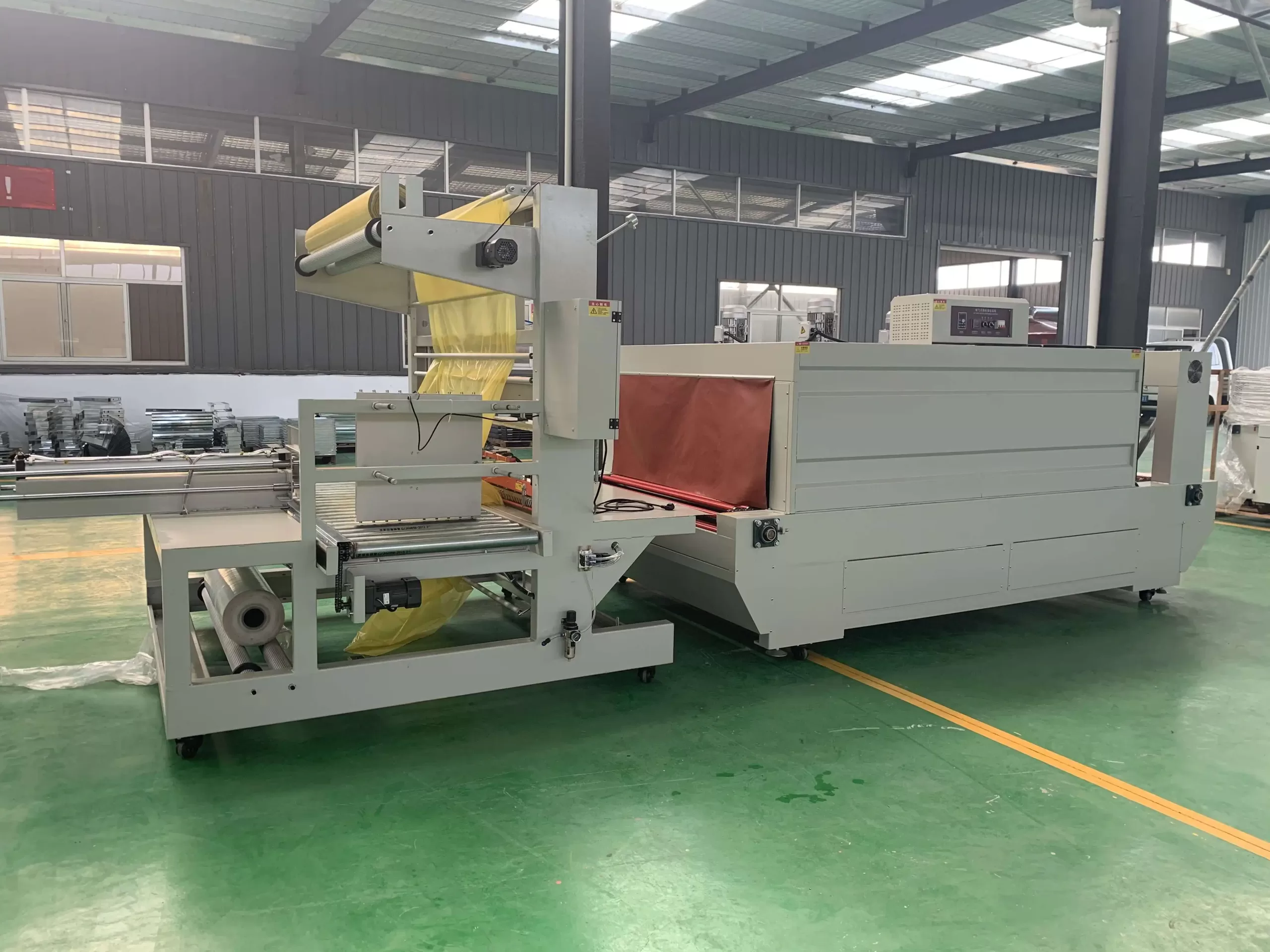
Cost reduction is a key benefit of a horizontal orbital wrapper. First, think about labor costs. Manual packing requires a team of workers. You pay wages, benefits, and potentially overtime. An automated wrapper can do the work of several people. You only need one operator to manage the machine. This means you can reduce your labor force in the packing area or reassign workers to other critical tasks. This direct saving on wages adds up fast. It provides a quick return on your investment in the machine.
Second, the machine optimizes material use. Manual wrapping often uses more film than needed. Workers might overwrap to ensure protection, or they make mistakes. An orbital wrapper is programmed to use the exact amount of film for each product. It applies film tightly and efficiently. This reduces film waste. Over time, this small saving per product becomes a large saving in material costs. This also means fewer stops to change film rolls.
Third, the biggest saving often comes from preventing product damage. Panels, coils, and other heavy products are vulnerable during transport and storage. Edges can get scratched. Surfaces can get dented. Dust and moisture can cause rust or other damage. When products arrive damaged, you face customer complaints, returns, and the cost of re-manufacturing or offering discounts. A horizontal orbital wrapper provides a complete, tight, and consistent protective barrier. It covers the product from all sides. This wrap protects against physical impacts, dust, moisture, and UV rays. This means your products arrive in perfect condition. Fewer damaged goods lead to happier customers and no loss of profit from returns. This protects your brand reputation too.
For example, a factory producing metal sheets often found damaged edges due to shifting during transit. After installing an orbital wrapper, they reported almost zero damage claims. This not only saved them money on replacements but also improved their customer trust. This trust then led to more repeat orders. The return on investment for such a machine can be very clear. It boosts your overall profitability.
Consider these cost elements:
| Cost Element | Manual Packing Impact | Orbital Wrapper Impact |
|---|---|---|
| Labor Wages | High, multiple workers | Low, minimal operator needs |
| Material Waste | High, inconsistent film use | Low, optimized film application |
| Product Damage | High, frequent returns/rework | Low, excellent protection |
| Customer Claims | Frequent, impacts reputation | Rare, improves satisfaction |
| Space Usage | More space for manual stations | Compact, efficient footprint |
Investing in this technology is not just spending money. It is investing in a more profitable future for your factory.
My Insights: What I’ve learned from building a packing machine factory?
Finding the right partner for new equipment is tough. Many suppliers just want to make a sale. They do not care about your long-term success. You need a supplier who understands your real production problems. You want someone who can offer a true solution, not just a machine. How do you know who to trust for a long-term partnership?
My journey from an employee to a factory owner taught me that true success in packing machinery comes from understanding real production challenges, not just selling boxes. I learned the critical importance of reliable equipment, deep application knowledge, and a commitment to genuine partnership beyond the initial sale.
When I first started as an engineer in a packing machine factory, I saw many things. I saw how machines worked, but also how they often did not. I saw the struggles of factory managers like yourself. They needed to hit targets, cut costs, and keep workers safe. Later, when I built my own packing machine factory, these lessons became even clearer. I understood what it took to run a tight ship. I learned that a machine is only as good as the problem it solves.
This is why at FHOPEPACK, we do not just sell machines. We share knowledge. We want to help you understand your options. We want to help you find the best fit for your specific needs. My team and I know that a machine failure on your line means big losses for you. It means unhappy customers. This is why we focus on building reliable machines. We also focus on offering strong support after the sale. We have seen too many companies buy cheap machines only to face constant breakdowns and poor service. This always costs more in the long run.
A good partner listens to your challenges. They ask about your specific production bottlenecks. They ask about your safety concerns. They ask about your budget. They do not just push their most expensive model. They help you calculate the return on investment (ROI). They show you how a machine will save you money over time. This kind of partnership builds trust. It ensures your investment truly helps your business grow. I have helped many clients grow their businesses by offering the right solutions. This is something I am very proud of. It is why I decided to share my insights.
We believe in being transparent. We explain how our machines work. We explain what they can do for you. We also explain what they cannot do. This honest approach helps you make the best decision for your factory. It helps you avoid costly mistakes. It is about building a long-term relationship. This relationship is based on trust and mutual success. Just like you, I have managed a factory. I know what keeps you up at night. I want to help you sleep better.
Look for these qualities in a supplier:
| Good Supplier Qualities | Bad Supplier Qualities |
|---|---|
| Deep Industry Knowledge | Just knows product catalog |
| Focus on Problem Solving | Focuses only on making a sale |
| Strong After-Sales Support | Vanishes after the sale |
| Transparent Communication | Makes big promises, vague details |
| Long-Term Partnership | Only cares about single transaction |
| Clear ROI Explanation | Avoids discussing financial return |
This is the kind of partnership you should expect. This is what we offer at FHOPEPACK.
Conclusion
A horizontal orbital wrapper automates packing, boosts output, improves safety, and cuts costs. It delivers clear ROI and transforms factory operations.








