
From Budget to Premium: Which Horizontal Orbital Wrapper is Right for Your Panel Products?
Are you tired of slow, manual packing for your panel products? Do you worry about worker safety when handling large, heavy items? Many factory managers, like my friend Michael Chen in Mexico, face these exact problems. Manual processes often lead to damaged goods, wasted time, and even serious injuries. This cuts into your profits and makes it hard to meet production goals. But what if there was a way to make packing faster, safer, and more cost-effective?
Choosing the right horizontal orbital wrapper means looking at your needs, not just the price tag. Budget wrappers offer basic function for lower volumes, while premium systems provide high automation, durability, and customization for demanding, high-throughput operations with large panel products like timber, doors, or metal sheets.
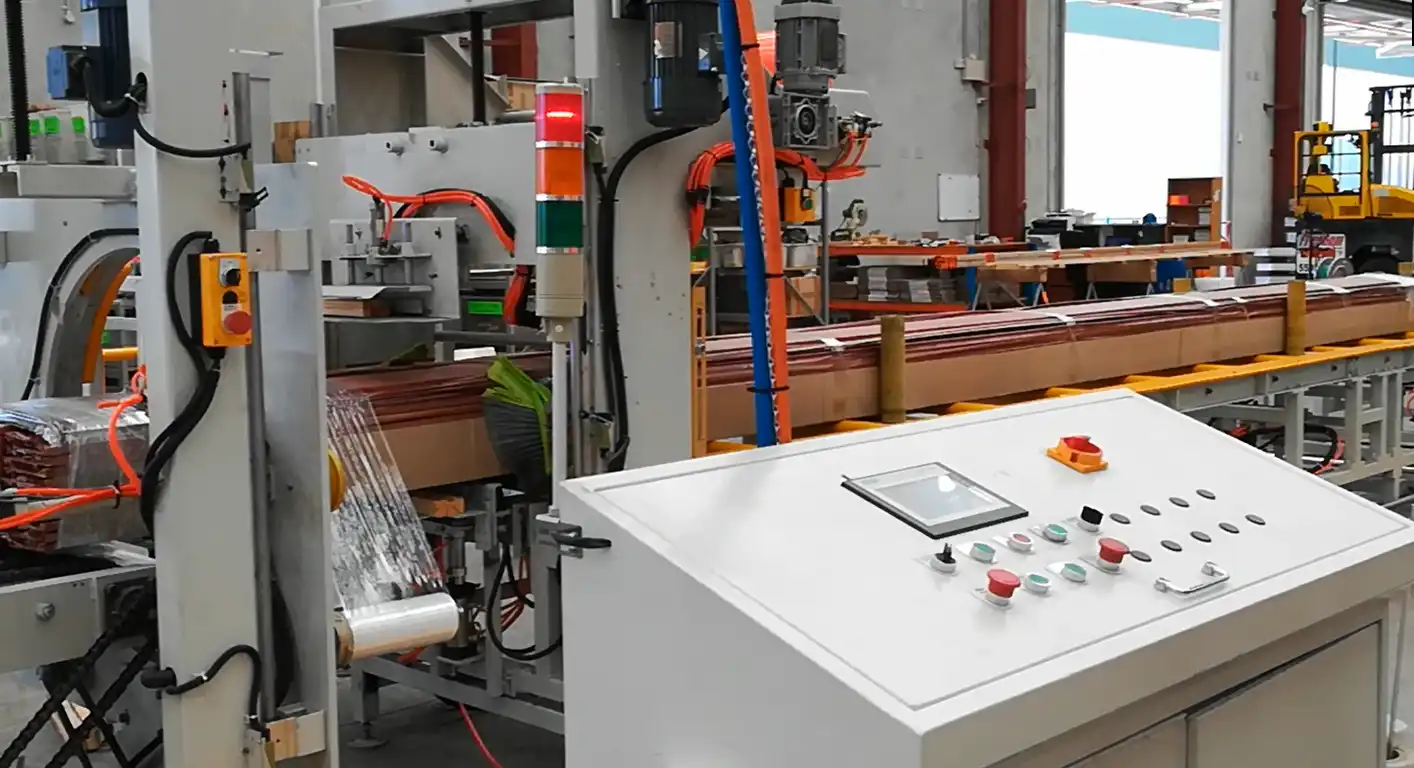
Finding the right packing machine can feel overwhelming. There are so many options, from simple setups to complex automated lines. But understanding the differences between budget, mid-range, and premium horizontal orbital wrappers is key. It helps you make a smart choice that truly supports your business growth. Let us dive in and see what makes each type unique.
What Are Budget Horizontal Orbital Wrappers, and Who Needs Them?
leading paragraph: Are you just starting out, or do you have lower production volumes of panel products? Maybe you are a smaller workshop looking to improve from hand wrapping. The idea of investing in a big machine might seem too much for you right now. But you still want to protect your products and make packing easier.
snippet paragraph:Budget horizontal orbital wrappers are entry-level machines. They usually involve more manual operation. They are good for businesses with lower production needs or limited space. These machines offer a basic way to wrap panel products safely and quickly, much better than wrapping by hand.
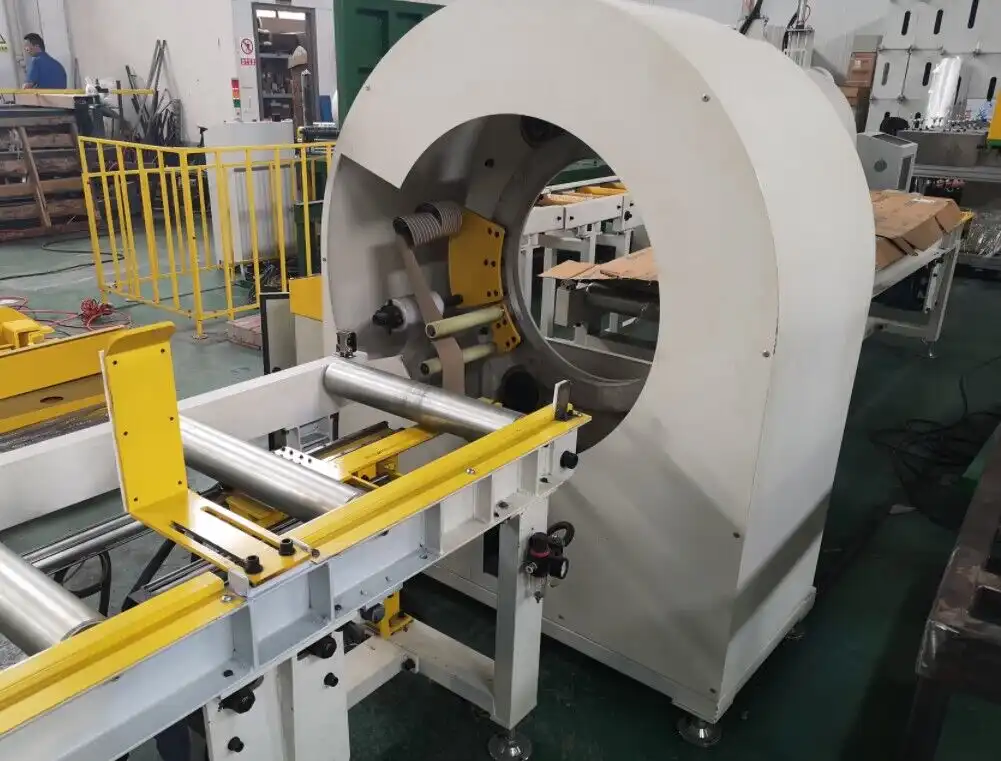
Budget horizontal orbital wrappers focus on getting the job done simply. They often come with a lower initial cost. This makes them attractive for small businesses or those with specific, smaller-scale needs. Most of these machines are semi-automatic. This means an operator loads the panel product onto the infeed table. They then start the wrapping cycle. After wrapping, the operator often cuts the film and unloads the product manually. The wrapping speed is usually lower compared to more advanced machines. They might not have complex features like automatic film cutting or product pushing.
These wrappers are built for lighter duty. They are not always designed for non-stop, heavy-duty use. Their components might be simpler. They require more direct human interaction. This makes them a good step up from purely manual wrapping. But they still need dedicated labor. For example, a small furniture workshop that wraps a few dozen custom-made wooden panels a day might find this type of machine perfect. They get better product protection. They also reduce the strain on workers. They do not need the high speed or advanced features of a larger factory. The maintenance for these machines is usually straightforward. Parts are often easy to find. This helps keep running costs low. However, if your production grows, or if you need to wrap hundreds of panels every shift, these budget machines will quickly become a bottleneck. They are an investment in efficiency, but with clear limits. My experience tells me that it is a good starting point for many. But it is not the final answer for high-volume operations.
Key Features of Budget Wrappers
- Manual or Semi-Automatic Operation: Requires an operator to load, start, and unload.
- Lower Throughput: Wraps fewer products per hour compared to automated systems.
- Basic Construction: Designed for lighter duty, less robust for continuous use.
- Fewer Advanced Features: Lacks automatic film cut, product pressing, or integrated conveyors.
- Lower Initial Investment: More affordable to purchase.
Ideal Use Cases
- Small workshops
- Low-volume production lines
- Companies transitioning from manual wrapping
- Products that do not require extremely high packing speeds
How Do Mid-Range Horizontal Orbital Wrappers Improve Performance?
Your business is growing. Your production numbers are increasing. You found that your budget wrapper, or your manual process, is now slowing you down. You are looking for something more robust, something that can handle more volume without breaking the bank. You need a balance between cost and improved performance.
Mid-range horizontal orbital wrappers offer a good balance of automation, speed, and durability. They are a step up from budget models, often including more automatic features like powered conveyors and automatic film clamping. This makes them ideal for medium-sized businesses needing higher throughput and better efficiency for their panel products.

Mid-range horizontal orbital wrappers are the workhorses of many factories. They are designed for businesses that have moved beyond small-scale operations. They need more speed and less human interaction. These machines typically feature more automation than budget models. You often find powered infeed and outfeed conveyors. This means products can move through the machine more smoothly. Operators still load products onto the line. But the machine takes over more of the actual wrapping and moving process. Some mid-range models even include automatic film cutting and clamping. This removes another manual step. This saves time and makes the process more consistent.
The build quality of mid-range wrappers is usually better. They use more durable components. This allows for longer operating hours without issues. They can handle higher daily volumes. This means less downtime for repairs. For instance, a medium-sized door manufacturer might produce hundreds of doors each day. They need reliable packing. A mid-range orbital wrapper can keep up with this pace. It reduces the need for multiple workers for packing. This frees up labor for other tasks. It also makes the packing area safer. Less manual handling of heavy panels means fewer injury risks. This is a big win for managers like Michael. He always looks for ways to boost safety. The investment is higher than for budget machines. But the return on investment (ROI) is clearer. This comes from increased speed, reduced labor costs, and fewer product damages. These machines often have more customization options. You might get different ring sizes. You might get a choice of film types. This helps them fit better into existing production lines.
What Mid-Range Wrappers Offer
- Increased Automation: Often includes powered conveyors, automatic film clamp and cut.
- Higher Throughput: Capable of wrapping more products per hour than budget models.
- Improved Durability: Built with more robust components for extended use.
- Better Safety Features: Reduces manual handling, lowering injury risks.
- Moderate Investment: Higher initial cost than budget, but with a faster ROI.
Who Benefits Most?
- Medium-sized manufacturing plants
- Businesses with growing production volumes
- Factories needing a balance of cost and performance
- Companies prioritizing both efficiency and worker safety
What Makes Premium Horizontal Orbital Wrappers a Smart Investment?
Your factory operates at high capacity. You handle very heavy or specialized panel products. You need maximum automation, top-tier reliability, and the highest level of safety. Downtime is simply not an option. You seek a packing solution that integrates seamlessly into your entire production line.
Premium horizontal orbital wrappers are custom-engineered, heavy-duty machines. They offer full automation, high speeds, advanced safety features, and integration with existing production lines. These systems are for large-scale operations or for very specific, challenging packing needs for panel products, providing the ultimate in efficiency and protection.
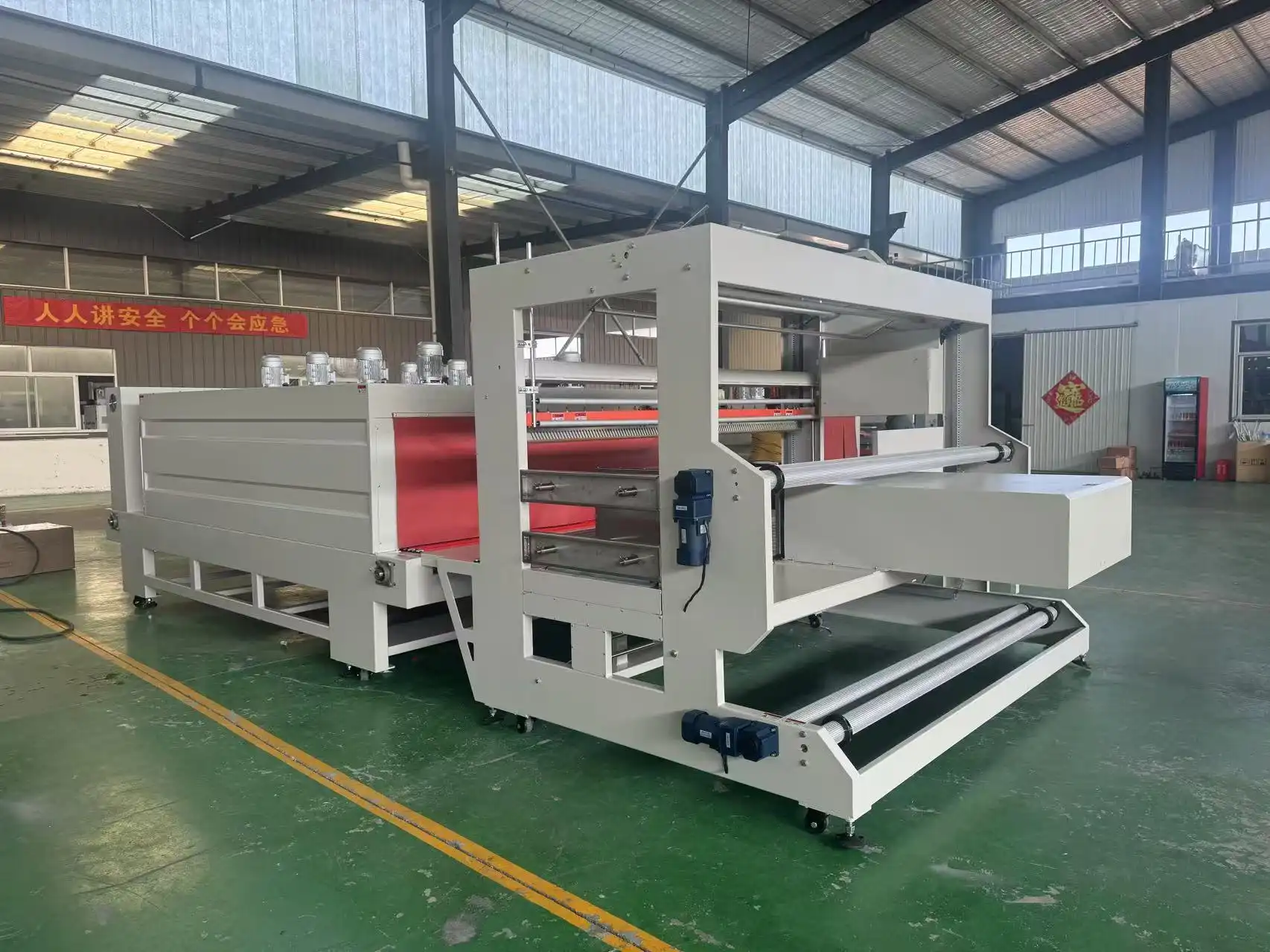
Premium horizontal orbital wrappers are the pinnacle of packing technology. They are often custom-designed to fit exact production needs. These machines handle very high volumes. They wrap large, heavy, or unusually shaped panel products with ease. They are fully automatic. This means minimal human input is needed once the product enters the system. They integrate with existing conveyors, stacking systems, and even data management systems. This creates a truly smart factory environment. The speed of these machines is very high. They can wrap multiple panels per minute. This easily keeps up with even the fastest production lines.
Durability is a key feature. Premium wrappers are built from the strongest materials. They use heavy-duty motors and components. This ensures continuous operation, 24/7 if needed. My experience with factories like Michael’s tells me that reliability is everything. Any stop in production means huge losses. Premium machines are designed to avoid this. They include advanced safety systems. These systems protect workers from moving parts. They also prevent accidents during operation. This directly addresses Michael’s concern about high injury risks. Think of a large steel mill producing massive metal sheets. They need these sheets packed quickly and securely. They cannot afford product damage or slow packing. A premium orbital wrapper provides this solution. It protects the product edges from damage. It ensures consistent, tight wraps. This reduces customer complaints and product returns. The initial investment for a premium system is high. But the long-term ROI is significant. It comes from massive labor savings, near-zero product damage, and uninterrupted production. It also comes from improved safety records and lower insurance costs. These machines represent a strategic investment in the future of your operations. They are about more than just wrapping. They are about optimizing your entire workflow.
Hallmarks of Premium Wrappers
- Full Automation: Minimal human intervention, integrated into production lines.
- High Throughput & Speed: Designed for continuous, high-volume operation.
- Heavy-Duty Construction: Built for extreme durability and long lifespan.
- Advanced Safety Features: Comprehensive systems to protect operators.
- Customization: Tailored to specific product sizes, shapes, and line requirements.
- High Initial Investment: Highest cost, but offers superior ROI through efficiency and reduced losses.
Who Should Consider Premium?
- Large-scale manufacturing plants (e.g., steel, timber, door manufacturers)
- Companies with very high production volumes
- Those wrapping very heavy, large, or unusually shaped panel products
- Businesses where downtime is extremely costly
- Factories aiming for full automation and Industry 4.0 integration
What Key Factors Should You Always Consider When Choosing a Wrapper?
The choice between budget, mid-range, and premium wrappers is not just about price. It is about finding the perfect fit for your specific needs. How do you cut through the marketing noise? What truly matters when you are about to make such an important investment for your factory?
When choosing a horizontal orbital wrapper, focus on product dimensions, desired throughput, level of automation needed, budget, and long-term support. The right choice balances initial cost with operational efficiency, safety, and durability, ensuring a strong return on your investment for your panel products.
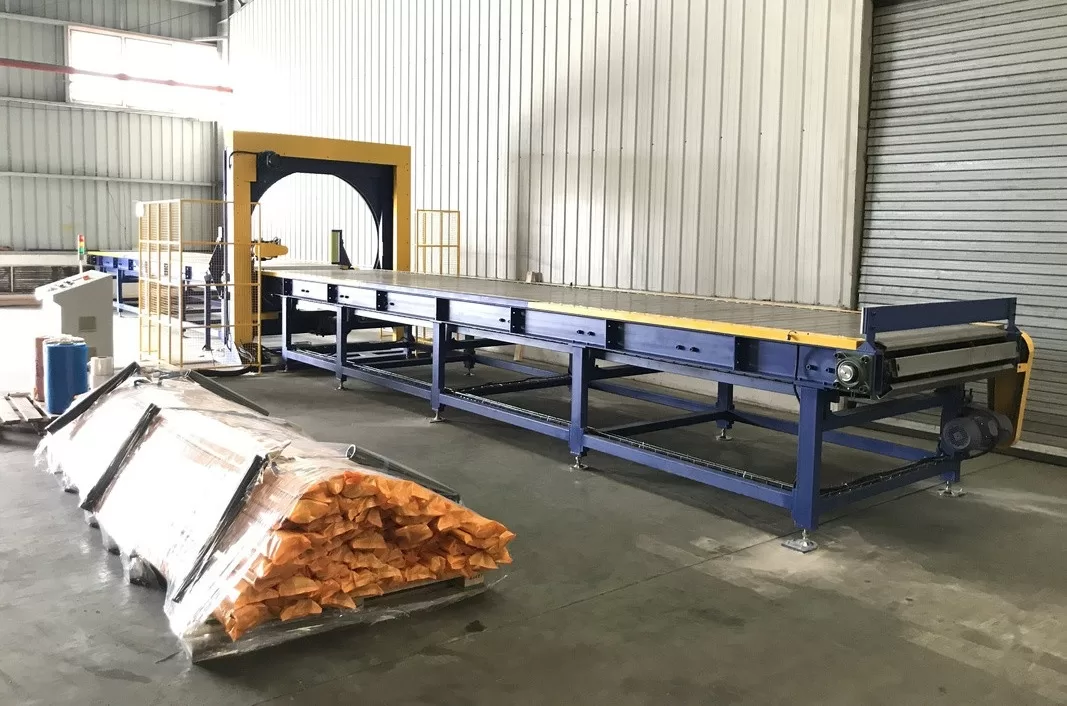
Picking the right horizontal orbital wrapper involves more than just looking at a price tag. It requires a deep understanding of your own operations and future goals. First, think about your product’s specific needs. What are the average and maximum dimensions (length, width, height) of your panel products? How heavy are they? These factors determine the size and strength of the wrapping ring and the conveyor system you need. A machine too small will not fit your product. A machine too weak will break down. Then, consider your required throughput. How many panel products do you need to wrap per hour or per shift? This directly influences the level of automation and speed you need. Do you wrap a few dozen items a day, or thousands? This question helps narrow down whether you need a semi-automatic, a fully automatic, or a high-speed custom system.
Another critical factor is the level of automation that fits your factory. Do you have labor available for manual operation? Or do you need to reduce labor costs and improve worker safety by automating more? High automation saves on wages and reduces human error. But it also means a higher upfront cost and more complex maintenance. Your budget is important, but look beyond the purchase price. Think about the total cost of ownership. This includes film cost, power consumption, maintenance, and potential downtime losses. A cheaper machine might have higher running costs. A more expensive machine might save you more in the long run. Finally, consider the supplier’s support and reputation. This is where my own journey comes in. I have seen many companies buy machines only to be left without good after-sales service. This leads to frustrating breakdowns and costly delays. A good supplier offers strong technical support, spare parts availability, and training. They act like a partner, not just a seller. This ensures your investment continues to pay off for years. Michael Chen himself experienced supplier trust crisis. He always asks about this.
Essential Selection Criteria
- Product Specifications: Size, weight, and type of panel products.
- Throughput Requirements: How many products need to be wrapped per hour/day.
- Automation Level: Manual, semi-automatic, or fully automatic based on labor availability and goals.
- Budget & ROI: Initial cost versus long-term savings from efficiency, reduced damage, and labor.
- Space Availability: The footprint the machine requires in your factory.
- Integration Needs: How the machine fits with existing production lines and conveyors.
- Supplier Support: Quality of after-sales service, parts, and technical assistance.
- Safety Features: Ensure the machine meets safety standards and protects workers.
My Insights: Beyond the Machine – Finding Your Partner?
I started FHOPEPACK because I believe in sharing knowledge. My journey from a factory employee to owning a successful packing machine factory taught me one big lesson. It is not just about the machine itself. It is about the trust you build and the partnership you form. Michael Chen looks for a partner, not just a vendor.
My insights come from years in the packing machine industry: the best horizontal orbital wrapper is often the one backed by a supplier who truly understands your challenges and acts as a long-term partner, offering expert advice, reliable service, and tailored solutions, ensuring your investment in panel product packing pays off.
My experience taught me that the machine is just one part of the puzzle. When I first started working in a packing machine factory, I saw many sales. But I did not always see the deep understanding of client problems. Later, when I built my own factory, I lived those problems every day. I dealt with production bottlenecks, safety concerns, and the need to control costs. This perspective changed how I think about equipment sales. I realized that clients like Michael Chen are not just buying a machine. They are looking for a solution to their very real business challenges. They need someone who understands their pain points: the slow, manual processes, the high risk of injury, the product damage during transit, and the previous bad experiences with unreliable suppliers.
This is why I believe in the “MASTER WRAPPING MACHINE” philosophy. It is about mastering the solution, not just selling a product. When you are choosing a horizontal orbital wrapper, ask yourself if the supplier is asking the right questions about your business. Do they understand your specific panel products? Do they ask about your current production speed and your target goals? Do they talk about worker safety as much as they talk about machine features? A good partner will help you calculate the real ROI for your investment. They will show you how the machine will reduce your labor costs, cut down on product damage, and improve worker safety. They will not just quote a price. They will talk about the value over the machine’s lifespan. They will provide solid after-sales support. This includes training for your team. It also includes fast access to spare parts. This is critical for preventing costly downtime. My goal with FHOPEPACK is to be that trusted resource. I want to help you make informed decisions. I want to help you succeed, just as I was able to find success in this industry. It is about giving back and building a community of knowledge.
What to Look for in a Partner
- Deep Industry Knowledge: Do they understand your specific industry and its unique challenges?
- Problem-Solving Approach: Do they focus on solving your problems, not just selling a product?
- Transparent ROI Calculation: Can they clearly show you the financial benefits of the investment?
- Strong After-Sales Support: Do they offer reliable technical support, spare parts, and training?
- Commitment to Safety: Do their solutions prioritize worker safety and reduce risks?
- Long-Term Relationship: Are they interested in building a lasting partnership?
Conclusion
Choosing the right horizontal orbital wrapper for your panel products needs careful thought. It is about balancing budget with performance, safety, and the right partnership. This choice will drive efficiency and protect your bottom line.








