
What’s the Best Door Packing Machine for Custom-Sized Panels?
Are you tired of slow, unsafe, and damaging packing processes for your custom-sized doors and panels? Manual methods often cause bottlenecks. They also lead to worker injuries. And they can damage your valuable products. This eats into your profits and delays your shipments. Your custom panels deserve better protection. The right automation can truly change your operations. I have seen this transformation many times in factories like yours.
The best door packing machine for custom-sized panels is often a customized horizontal orbital stretch wrapper or a specialized vertical wrapping system. These machines handle varying dimensions. They protect delicate surfaces. Most importantly, they significantly improve safety and speed.
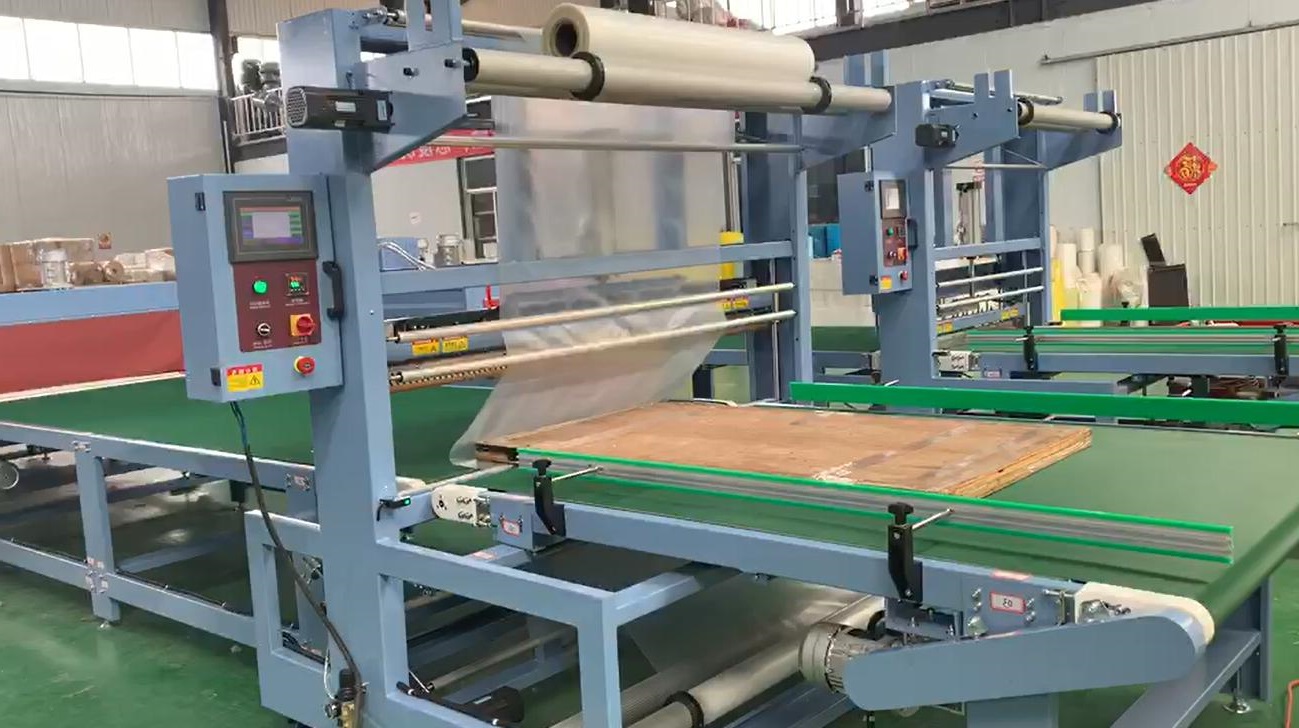
Choosing the right machine is not simple. It means truly understanding your specific packing problems. Then you find a solution that precisely fits. Let’s look deeper at what this means for your factory and how to make the best decision.
Why Are Custom-Sized Panels Hard to Pack Safely and Efficiently?
Custom doors and panels bring unique packing headaches. They vary a lot in size, weight, and how fragile they are. Manual handling of these items leads to very slow processes. It also causes many worker injuries. And it results in costly product damage. All of this hits your bottom line directly. Understanding these challenges is the first step. Then you can find smart automation that solves them.
Custom-sized panels are difficult to pack due to their varying dimensions, weight, and surface sensitivity. These factors make manual handling risky for workers. They also make product damage very likely. This creates big efficiency bottlenecks and safety hazards in your factory.
Manual processes are always slower. Workers must manually measure, cut, wrap, and secure each panel. This creates a bottleneck at the end of the production line. Large orders take too long to prepare for shipment. This directly impacts your delivery schedules. It also ties up valuable labor resources that could be doing other important work. This affects your factory’s overall output.
Doors can be very heavy and awkward to handle. Lifting, rotating, and securing them by hand puts workers at high risk. Back injuries are common. Crushed fingers and muscle strains also happen often. This leads to higher insurance costs for your company. It also causes employee absenteeism. High turnover rates follow. A safe workplace is a productive workplace. It also keeps your best workers happy.
The edges and surfaces of custom panels are easily damaged. Bumps and scrapes during manual handling or internal transfer lead to defects. These defects mean rejected shipments from customers. Or they lead to customer complaints. This results in costly rework. It also means profit loss. Protecting the product from the moment it is made, through internal transfer, and to final shipment is key. I started on the factory floor myself. I saw firsthand how much work and risk was involved in moving and packing heavy items. This experience shaped my focus on building machines that protect both the product and the worker. It is about making things safer and easier for everyone.
The Hidden Costs of Manual Packing
| Cost Factor | Manual Packing Impact | Automated Packing Benefit |
|---|---|---|
| Labor Expenses | High, inconsistent | Reduced, consistent |
| Injury Claims | High | Drastically reduced |
| Material Waste | High (rework, damage) | Minimized |
| Production Delays | Frequent | Rare, predictable |
| Insurance Premiums | Higher due to risks | Lower due to improved safety |
| Employee Morale | Lower due to strenuous work | Higher due to safer environment |
These hidden costs add up. They often outweigh the initial investment in automation. Recognizing them is the first step toward a more efficient and profitable operation.
What Types of Door Packing Machines Can Solve These Problems?
You now understand the problems. Now, what are the solutions? Many factory managers are unsure which machine truly fits their unique needs. Choosing the wrong machine means a wasted investment. It also means your problems will continue. A one-size-fits-all approach rarely works for custom panels. Let’s explore the specific types of packing machines designed for custom panels. We can find the right fit for your factory.
The primary types of door packing machines include horizontal orbital stretch wrappers for long, flat items. There are also vertical stretch wrappers for tall, narrow items. Specialized film wrapping machines also exist. All of these are designed to secure and protect custom-sized panels efficiently.
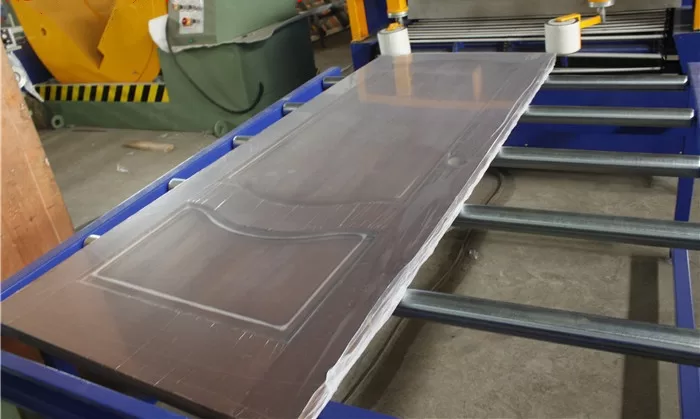
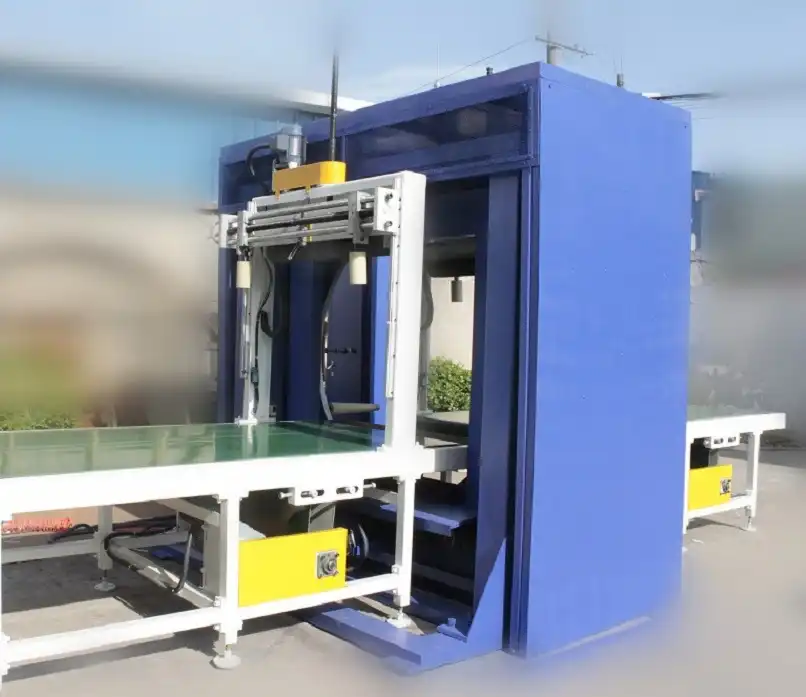
Horizontal orbital stretch wrappers are excellent for long, flat items like doors and panels. They wrap film around the product as it passes through a central ring. The film provides strong protection against dust, moisture, and minor impacts. These machines can handle various lengths and widths. Some models come with top pressing devices. These keep the product stable during wrapping. This is crucial for custom panels that might vary in thickness or stability. This machine type ensures every part of the panel gets proper protection.
Vertical stretch wrappers are less common for doors themselves. But they are good for bundling multiple thinner panels standing upright. They wrap vertically around a palletized load. This can be useful if panels are stacked for shipment. This method is often used for bulk packaging rather than individual item protection.
Specialized film wrapping machines use different film types. These include bubble film or foam. They are used for delicate surfaces. These machines can also use specialized banding for securing bundles. Some designs integrate a conveying system. This removes the need for manual pushing or pulling. This is very important for reducing worker fatigue and improving throughput. They ensure sensitive surfaces are protected from scratches.
The “best” machine is often a customized one. Custom panels mean unique dimensions and specific protection needs. A good supplier can modify standard machines. This includes adjustable wrapping parameters. It can mean custom conveyor lengths. Or it might involve integrated label applicators. I always advise clients to think about future growth. Can the machine adapt as your product line changes? When I was designing machines, I learned that every factory has its own puzzle. There is no magic bullet. For example, one client needed to pack extra-long panels. We had to design a custom conveyor system and a larger wrapping ring. This taught me the value of listening carefully to client needs. It showed me the importance of tailoring solutions.
Comparing Machine Types for Door Packing
| Machine Type | Best For | Key Benefit | Consideration |
|---|---|---|---|
| Horizontal Orbital Stretch Wrapper | Single doors, flat panels | Excellent all-around protection | Requires ample floor space for length |
| Vertical Stretch Wrapper | Stacked panels, bundles | Good for palletized loads | Less individual item protection |
| Specialized Film Wrapping Systems | Delicate surfaces, high speed | Specific material protection, high throughput | Higher initial investment |
Each machine type has its strengths. The right choice depends on your specific product and production volume.
What Key Features Should You Look for in a Reliable Door Packing Machine?
You have identified the right type of machine. But how do you pick a truly reliable one? Many machines look good on paper. However, they fail in a real factory setting. A breakdown means lost production. It means missed deadlines. And it means angry customers. You need a machine that works day in and day out, without fail. Let’s talk about the critical features that ensure your investment truly pays off. You should look for these.
When choosing a reliable door packing machine, prioritize features such as robust construction for heavy use. Look for user-friendly PLC controls for easy operation. Ensure it has high-quality components for durability. It must have adjustable parameters for custom sizes. And always look for strong after-sales support for maintenance and parts.

Factory environments are harsh. A good machine needs a heavy-duty frame. It should use high-quality steel in its construction. All parts must withstand continuous operation. Cheaper machines often use flimsy materials. These machines break down quickly. This leads to costly repairs and unexpected downtime. You want a machine built to last for many years. It should be able to handle your specific daily output without issues.
A modern packing machine should have a Programmable Logic Controller (PLC). This makes operation simple and precise. It allows for quick adjustments to wrapping parameters. Operators can easily set film tension. They can also set the number of wrapping layers and the wrapping speed. A good HMI (Human Machine Interface) makes training easy. This reduces human error. It also significantly boosts efficiency.
Custom-sized panels mean variable dimensions. The machine must adapt easily to these changes. Look for adjustable guides. It needs variable speed controls. It also requires a wide wrapping range. This versatility means you can pack different products on the same machine. This maximizes your investment. It also future-proofs your operations as your product line might evolve.
Worker safety is paramount. The machine should have emergency stop buttons placed in easy-to-reach locations. It needs safety guarding around all moving parts. Light curtains or pressure mats are also good safety features. These prevent accidents. They protect your employees from harm. Investing in safety is never just a cost; it is an investment in your people and your company’s future.
Operating costs add up over time. Look for machines with energy-efficient motors and designs. Also, ensure the machine optimizes film usage. Less waste means lower material costs. This contributes directly to your overall ROI. Every bit of saved material helps your bottom line.
After-sales support and parts availability are critical. What happens when something eventually breaks down? A good supplier offers quick technical support. They also have spare parts readily available. This minimizes downtime. My factory always prioritized excellent service. It builds trust with clients. This is exactly what you want in a long-term partner for your business. In my early days building machines, I saw how a small part failure could shut down an entire line. I learned that durability and easy maintenance are not just features; they are guarantees of production uptime. This is why I insist on using top-tier components and designing for simple, quick fixes.
How Do You Calculate the Real ROI of a Door Packing Machine Investment?
You know automation is good. But how do you justify the investment to your leadership? You need a clear return on investment (ROI). Without solid numbers, a major equipment purchase can seem like a risk. You need to show it will save money. You also need to show it will boost profits. Let’s break down how to calculate the true ROI. This will show the clear financial benefits of a door packing machine.
Calculating the ROI for a door packing machine involves quantifying savings from reduced labor. It includes decreased product damage. It also counts lower insurance costs from improved safety. And it adds increased output efficiency. You compare these benefits against the initial investment and ongoing operational costs.
Reduced labor costs are often the biggest saving. Automation replaces manual labor for packing. You might reallocate workers to other tasks within your factory. Or you might reduce expensive overtime hours. Calculate your current labor cost for packing. Then compare it to the machine’s operating cost. The difference is a direct saving. This saving continues year after year.
How many doors get damaged during packing or internal transfer? Even a small percentage adds up to significant losses. Each damaged door means material waste. It means costly rework. And it can lead to potential customer claims. An automated machine protects your product much better. This saves money by reducing scrap. It also improves customer satisfaction. This directly impacts your profit margin.
Fewer manual handling tasks mean fewer worker injuries. This directly lowers your worker’s compensation insurance premiums. It also reduces costs associated with absenteeism and training new staff. A safer workplace also improves employee morale. This is a real, measurable benefit that contributes to a more stable workforce.
A machine packs much faster than humans. This means you can process more orders daily. It eliminates the packing bottleneck at the end of your production line. This leads to higher overall production capacity. You can take on more business. This boosts your revenue. Faster delivery also improves customer loyalty. Satisfied customers are repeat customers.
Modern machines use film more efficiently. They apply consistent tension. This reduces film waste. Over time, these small savings add up to significant amounts. This impacts your material budget positively.
ROI Calculation Framework
| Category | Manual Packing Annual Cost | Automated Packing Annual Cost | Annual Savings |
|---|---|---|---|
| Labor | $X | $Y | $(X-Y) $ |
| Product Damage | $A | $B | $(A-B) $ |
| Insurance/Safety | $C | $D | $(C-D) $ |
| Throughput Gain Value | $0 | $E (additional revenue) | $E $ |
| Material Waste | $F | $G | $(F-G) $ |
| Total Annual Savings | Σ Savings |
ROI = (Total Annual Savings / Initial Investment) x 100%
I always tell my clients that a machine is not just an expense. It is a strategic investment. I have seen factories that struggled to meet demand. After investing in automation, they doubled their output within a year. Their ROI was very clear. It transformed their business and helped them grow beyond their previous limits.
Conclusion
Investing in the right door packing machine solves efficiency, safety, and damage problems. It provides clear ROI. It boosts production. It ensures your custom panels are perfectly protected. Choose a partner who understands your factory’s needs.








