
What Are the Top 3 Mistakes in Door Packaging—and How a Machine Solves Them?
Are you a factory manager struggling with your door packaging line? Perhaps you face constant pressure to boost output, cut costs, and keep your team safe. I know this feeling well. I’ve spent years in the packing machine industry, first as an employee, then building my own successful factory. I saw firsthand how manual, outdated packaging methods could hurt a business. They slow everything down, create safety risks, and even damage products. It’s a real bottleneck for many operations. But what if I told you there’s a better way to tackle these issues head-on?
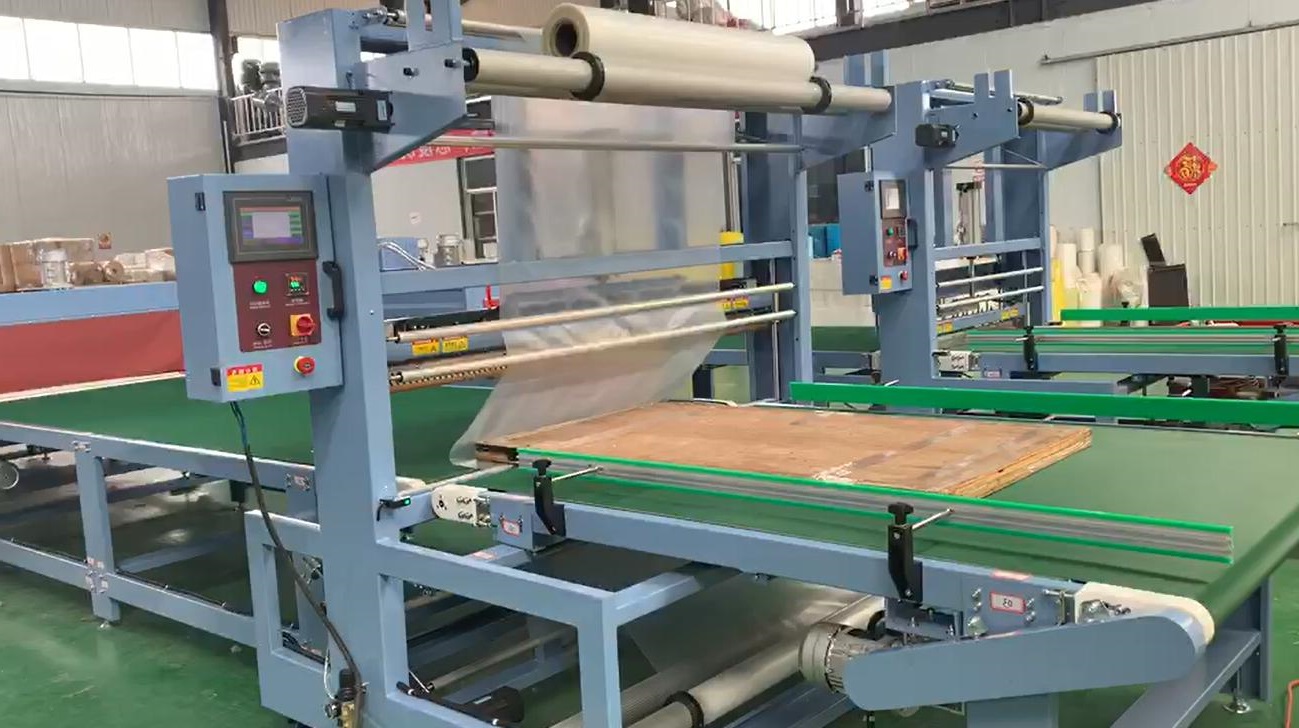
The top three common mistakes in door packaging involve relying on inefficient manual processes, overlooking significant safety hazards and potential product damage, and failing to secure a truly supportive, knowledgeable equipment partner. An automated packaging machine directly addresses and solves these problems by vastly improving speed and consistency, protecting both workers and the valuable products, and providing a reliable, long-term solution for factory needs.
If these challenges sound familiar, you are not alone. Many factories deal with these exact issues every day. But understanding these mistakes is the first step towards a more efficient, safer, and profitable future. Let’s dive deeper into each of these common errors and explore how the right machine can transform your operations.
Is Your Door Packaging Process a Slow, Costly Bottleneck?
Are you tired of seeing your entire production line slow down at the very last stage? Manual door packaging processes often feel like a constant drag. They demand too much human effort, take too much time, and the results can be inconsistent. This bottleneck directly impacts your ability to meet delivery deadlines and truly grow your business.
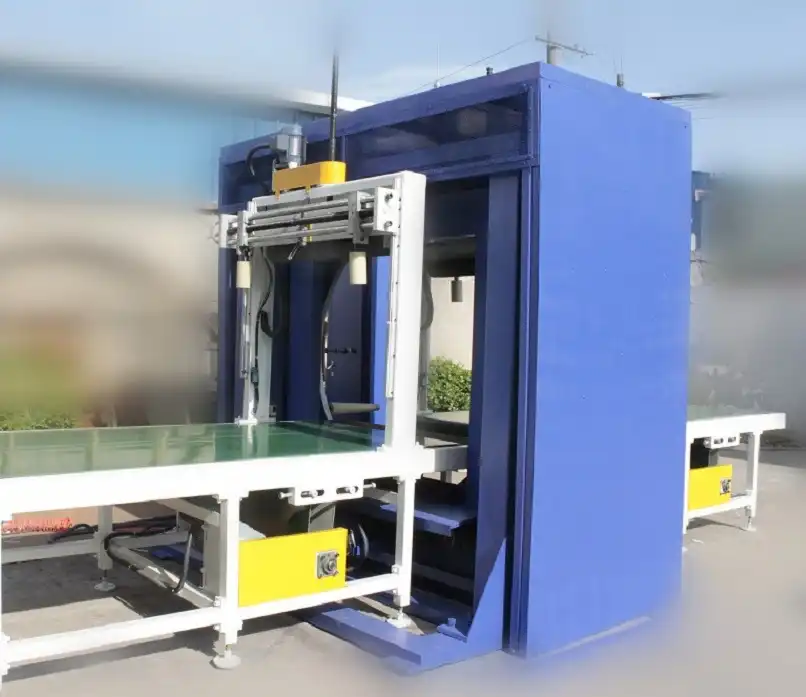
Relying on human hands for every step of door packaging is a huge drain on resources. It means slower output, higher labor costs, and variable quality. In my own factory, I remember how frustrating it was to see perfectly good products wait for slow, manual packing. This creates a ripple effect across the whole plant, making it hard to predict output and control lead times. Factories aiming for higher production volumes simply cannot afford these slowdowns. Manual methods make it hard to scale up. Training new staff takes time, and even experienced workers have limits on speed and consistency. Downtime is built into these processes, whether it is for breaks, fatigue, or simple human error. This leads to missed shipping dates and unhappy customers.
The Hidden Costs of Manual Door Packaging:
- High Labor Expenses: Each door packed by hand means paying for direct labor. Over time, these costs add up significantly. When you consider wages, benefits, and overtime, it becomes very clear how much manual work impacts your budget.
- Inconsistent Quality: Human workers can make mistakes. This might mean loose wraps, uneven protection, or damaged packaging. These inconsistencies can lead to issues during shipping or when customers receive their products. A poorly packed door reflects poorly on your brand.
- Limited Throughput: People work at a certain pace. They get tired. They need breaks. Machines do not. This means your maximum output is fixed by how fast your team can work. It makes it hard to suddenly increase production when demand goes up.
- Space Requirements: Manual packaging often needs large staging areas and room for workers to move around the product. This takes up valuable floor space that could be used for other production activities.
- Training and Turnover: Bringing new staff up to speed on proper packaging techniques takes time and resources. High employee turnover means you are constantly repeating this process.
How a Machine Fixes the Bottleneck:
An automated door packaging machine fundamentally changes this. It works faster, more consistently, and without breaks. This means your end-of-line process can keep up with the rest of your production. It frees up your valuable human workers to focus on more complex tasks, like quality control or machine operation. The machine applies the same tension and wrap pattern every time. This ensures every door leaves your factory with consistent, high-quality packaging. This directly addresses the efficiency bottleneck Michael Chen faces in his own factory. It helps him meet his goal of increasing automation to solve end-of-line issues. Investing in automation is not just about buying equipment. It is about investing in a smoother, faster, and more predictable production flow.
| Feature | Manual Door Packaging | Automated Door Packaging |
|---|---|---|
| Speed | Slow and variable, depends on human effort | Fast and consistent, machine-driven |
| Labor Cost | High, requires multiple workers | Low, requires minimal supervision |
| Consistency | Varies with worker skill and fatigue | High, uniform wrap every time |
| Throughput | Limited by human capacity | High, designed for continuous operation |
| Productivity | Prone to breaks and errors | Consistent, less downtime |
| Scalability | Difficult to increase output quickly | Easy to scale up production volume |
| Floor Space | Can require large working areas | More compact, optimized for a production line |
Are Your Workers at Risk and Your Doors Getting Damaged During Packaging?
Do you constantly worry about your team’s safety when they handle heavy doors? Are you seeing too many doors leave the factory with scrapes, dents, or damaged edges? Manual handling of large, heavy products like doors carries huge risks. It leads to worker injuries, high insurance costs, and unhappy customers.
From my experience owning a factory, I know that safety is not just a buzzword. It is critical for a healthy workforce and a healthy bottom line. When workers manually lift, rotate, and wrap heavy doors, they are constantly exposed to strains, sprains, and even crushing injuries. These incidents lead to lost workdays, rising insurance premiums, and a demoralized workforce. No factory manager wants to see their employees get hurt. This is a primary concern for Michael Chen, who seeks solutions to reduce manual handling and improve safety. Beyond worker safety, manual handling often results in product damage. Doors can get scratched, dented, or have their edges chipped during transfer or wrapping. This leads to product reworks, customer complaints, and profit loss. It is frustrating to spend so much time and effort manufacturing a high-quality door, only to have it damaged in the final packaging step.
Major Risks in Manual Door Packaging:
- Worker Injuries: The repetitive motions and heavy lifting involved in packaging doors manually lead to musculoskeletal disorders. Workers can suffer from back injuries, shoulder strains, and carpal tunnel syndrome. This translates directly to higher worker compensation claims and insurance costs for the company.
- Fatigue and Human Error: As workers get tired, their attention can lapse, increasing the chance of accidents. This might mean dropping a door, misplacing a protective layer, or getting a limb caught. Fatigue also reduces the quality of the wrap.
- High Insurance Premiums: A history of workplace injuries directly impacts your insurance rates. Companies with poor safety records pay more. This eats into profits.
- Employee Turnover: A workplace perceived as unsafe can struggle with employee retention. Workers may leave for jobs with less physical risk, leading to constant recruitment and training costs. This means losing experienced workers who understand your product.
- Product Scratches and Dents: Manual handling increases the risk of the product hitting other surfaces or being dropped. This results in cosmetic damage to the doors, which might make them unsellable or lead to customer rejection.
- Edge Damage: The edges of doors are especially vulnerable during manual transfer and wrapping. These areas can chip or get crushed, which compromises both the appearance and the structural integrity of the door.
- Customer Dissatisfaction: Receiving a damaged product is frustrating for any customer. It leads to complaints, returns, and can damage your reputation. This can impact repeat business and future sales.
How a Machine Boosts Safety and Prevents Damage:
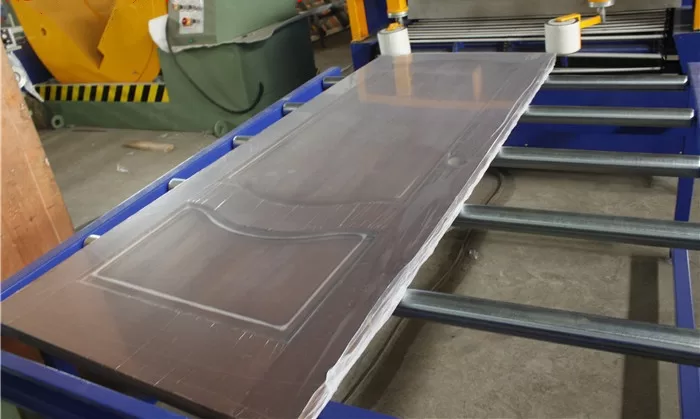
An automated door packaging machine eliminates the need for manual lifting and wrapping of heavy doors. The machine handles the product, reducing the risk of worker injuries to almost zero. This directly improves worker safety. It also applies protective wrapping materials, like stretch film or bubble film, with consistent tension and coverage. This protects the doors from scratches, dents, and edge damage during transit and storage. It ensures products arrive at the customer in perfect condition. This directly helps factories like Michael Chen’s in their goal to raise safety standards and cut product loss. It means a safer workplace for employees and a higher quality product for customers.
| Risk Area | Manual Door Packaging | Automated Door Packaging |
|---|---|---|
| Worker Safety | High risk of strain, sprains, crushing injuries | Low risk, machine handles heavy lifting |
| Injury Cost | High insurance premiums, lost workdays | Minimal, improved safety record |
| Product Damage | High risk of scratches, dents, edge chips | Very low, consistent protection, gentle handling |
| Quality Control | Inconsistent, depends on human care | High, uniform wrap, precise material application |
| Customer Impact | Complaints, returns, damaged reputation | High satisfaction, reliable product delivery |
| Work Environment | Physically demanding, higher fatigue | Safer, less physically taxing, focused on supervision |
Do You Struggle to Find a Packaging Machine Partner You Can Truly Trust?
Have you ever bought a piece of equipment only to find the supplier disappears after the sale? Many factory managers have dealt with vendors who only care about making a sale, not about solving your real problems. This lack of reliable support and deep industry knowledge can leave you with the wrong machine, or worse, a machine that frequently breaks down.

This is a critical point. I started FHOPEPACK because I understood this exact frustration from both sides. As an employee and later as a factory owner, I saw how many suppliers offered generic solutions without truly understanding a factory’s unique challenges. They push products, but they do not provide insights. They do not offer long-term support. Michael Chen himself has faced this “supplier trust crisis.” He wants a partner, not just a vendor. A true partner understands your production bottlenecks, your safety concerns, and your efficiency goals. They work with you to find the right solution, not just sell you a machine. They are there for you long after the machine is installed. This means expert guidance, responsive after-sales service, and a commitment to your long-term success.
The Pitfalls of a Bad Supplier Relationship:
- Lack of Problem Understanding: Many suppliers sell off-the-shelf machines. They do not take the time to learn about your specific production line, your unique door types, or your factory’s particular challenges. This often leads to a solution that is not quite right for your needs.
- Generic Solutions: If a supplier does not understand your operation, they cannot offer a customized solution. You end up with a machine that does some things well but might not fully solve your core packaging issues. This can leave you with lingering bottlenecks or inefficiencies.
- Poor After-Sales Support: This is one of the biggest complaints. Once the sale is made, some suppliers become hard to reach. They provide slow responses to issues, parts delays, or a lack of technical expertise. This means costly downtime for your production line when the machine breaks down.
- No Long-Term Partnership: A bad supplier relationship is transactional. There is no interest in your factory’s growth or future needs. You cannot rely on them for advice, upgrades, or proactive maintenance. This forces you to constantly look for new vendors.
- Questionable ROI: Without a deep understanding of your operations, a supplier cannot accurately project the return on investment for their machine. You might invest a lot of money without seeing the expected savings or efficiency gains. This makes it harder to justify future equipment purchases.
How a Machine Partner You Can Trust Makes a Difference:
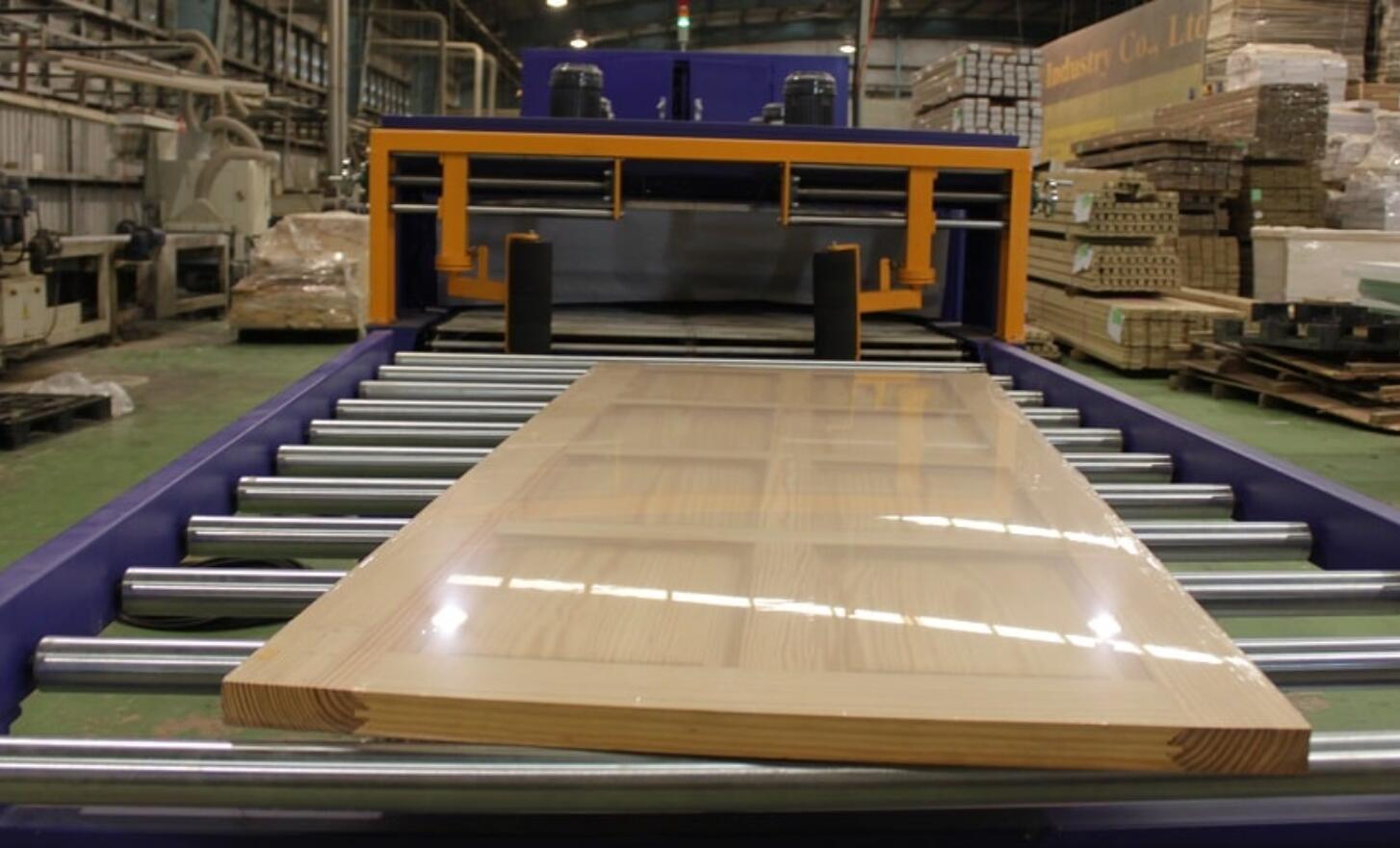
A trusted packaging machine partner, like FHOPEPACK, starts by listening. We understand that every factory has unique needs. We come from the factory floor, so we know the pressures Michael Chen faces. We focus on providing solutions that directly address your pain points, whether it is increasing automation, improving safety, or reducing costs. This means clear ROI. We offer expert guidance based on real-world factory experience, not just sales pitches. We stand by our equipment with reliable after-sales service. We become part of your team, helping you optimize your packaging process for the long term. This is about building a relationship where our success is tied to your success.
| Feature | Sales-Oriented Supplier | Trusted Machine Partner (Like FHOPEPACK) |
|---|---|---|
| Understanding Needs | Focus on pushing existing products | Deep dive into your specific factory challenges |
| Solutions Offered | Generic, off-the-shelf machines | Tailored, problem-solving, customized solutions |
| After-Sales Support | Often slow, unresponsive, limited expertise | Responsive, knowledgeable, long-term commitment |
| Relationship Focus | Transactional, one-time sale | Long-term partnership, invested in your growth |
| ROI Clarity | Vague or generalized estimates | Clear, data-driven, specific to your operation |
| Expertise Source | Sales team knowledge | Real-world factory experience, engineering background |
Conclusion
Mistakes in door packaging can slow production, endanger workers, and hurt profits. An automated packaging machine solves these issues, boosting efficiency, ensuring safety, and delivering consistent quality for your factory.








