
Door Packing Machine Price vs Performance: How to Make the Right Investment?
Are you a factory manager facing constant pressure to boost output, control costs, and keep your workers safe? I understand this challenge. You watch your production line, knowing every minute of downtime costs you money. You also know that making a big equipment purchase feels like a high-stakes gamble. You need a solution that works, and you need it to be worth the money.
Making the right investment in a door packing machine means balancing its initial price with its long-term performance. It is about understanding how quality, efficiency, and after-sales support create real value, not just looking at the lowest cost.
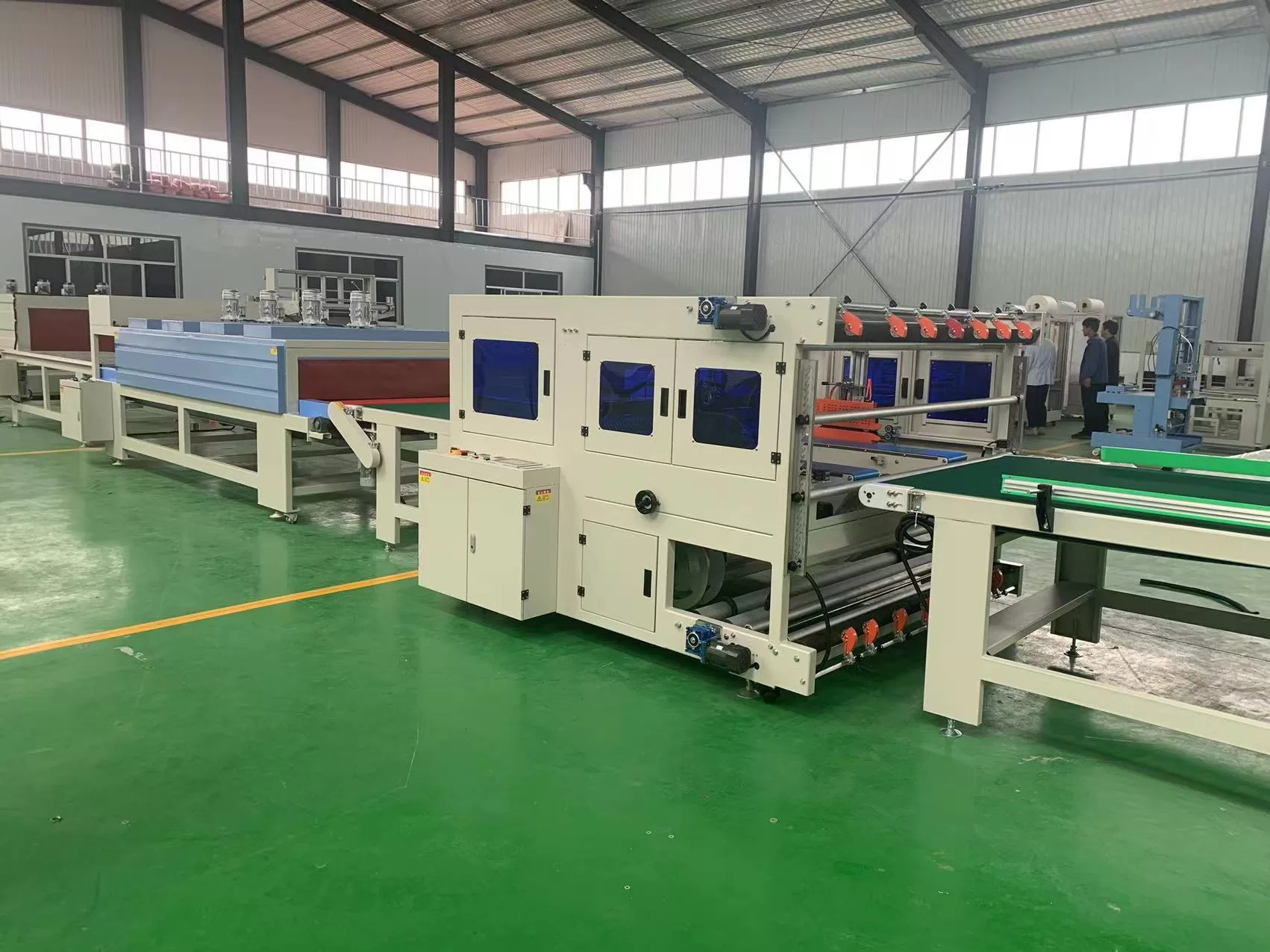
This decision is critical for your factory’s future. It affects your bottom line, your team’s safety, and your product quality. Let me share my insights, gained from years in this industry, on how to make a smart investment that truly delivers.
Why is Manual Door Packing a Costly Bottleneck for Your Factory?
You know the scene. Workers struggling with heavy doors, trying to wrap them by hand. It feels slow. It looks risky. But have you truly calculated the full cost of this manual process? Many factory managers underestimate how much this traditional method drains their resources.
Manual door packing is a major bottleneck because it directly causes slow production, high injury rates, and frequent product damage, leading to significant financial losses and operational inefficiencies for your factory.
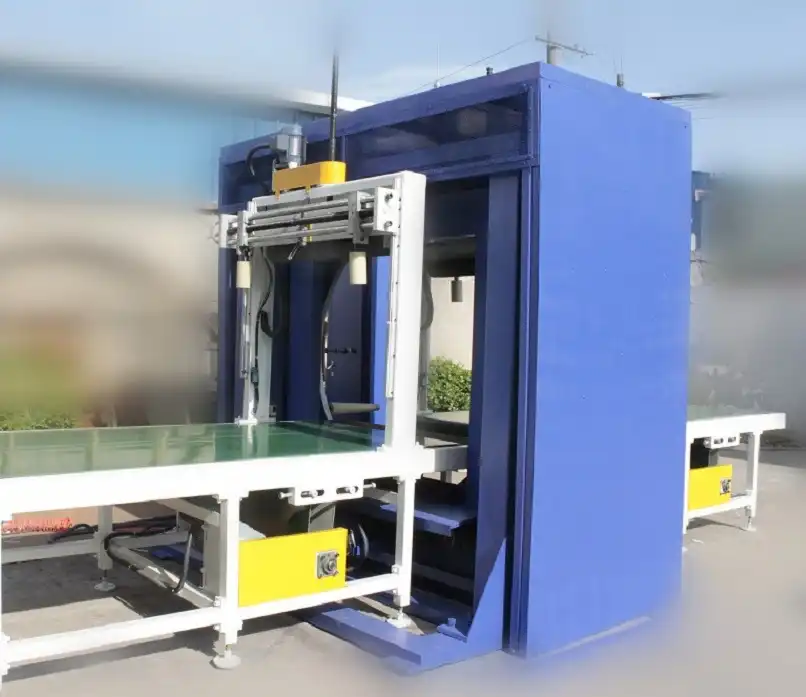
Manual packing methods for products like doors create several critical problems in a factory setting. First, they are slow. Each door needs individual attention. This makes the entire end-of-line process very inefficient. Your production line might move fast up to the packing stage, but then everything slows down. This creates a bottleneck. It delays shipments. It reduces your overall output. This directly affects your ability to meet customer demand on time. For example, if your factory processes many doors each day, even a small delay per door adds up to hours of lost production. This is a clear drain on your potential revenue.
Second, manual handling of heavy items like doors carries high safety risks. Workers must lift, move, and wrap heavy, bulky objects. This leads to many potential injuries. These injuries include strains, sprains, and even more serious accidents from dropped items. Workplace injuries mean higher insurance costs for your company. They also lead to lost workdays. This reduces your available labor force. Employees may also leave if they feel unsafe. This causes high employee turnover. Training new staff takes time and money. It also impacts overall team morale and productivity. My experience has shown me that companies often face rising insurance premiums due to frequent workplace incidents from manual handling. These are real costs. They directly impact your profit.
Third, manual packing often causes product damage. When workers handle doors, especially their edges or surfaces, mistakes happen. Doors can get scratched, dented, or otherwise damaged during the wrapping process. This happens when the wrapping is not consistent. It also happens during internal transfers. These damages lead to customer complaints. They result in product returns. You might need to rework items. All these issues directly reduce your profit margins. They also harm your company’s reputation. A damaged product sent to a customer means lost trust. It means extra costs for your factory. These are not just small issues. They are significant losses that accumulate over time.
Consider the table below showing the impact of manual processes versus the benefits of automation:
| Cost Type | Manual Process Impact | Automated Solution Benefit |
|---|---|---|
| Efficiency | Slow throughput, production bottlenecks, delayed orders | High-speed packing, consistent output, faster delivery |
| Safety | High risk of injuries, increased insurance, employee turnover | Reduced manual handling, lower injury rates, safer workplace |
| Product Loss | Damage during packing/handling, customer complaints | Consistent wrapping quality, reduced damage, fewer returns |
| Labor Costs | High reliance on human labor, wages, benefits | Reduced need for manual labor, reallocation of staff |
These issues, combined, show that manual door packing is not just a minor inconvenience. It is a major financial and operational burden. It holds your factory back from its true potential.
How Can Automation Improve Safety and Reduce Losses in Door Handling?
Imagine your factory floor. Instead of workers straining with heavy doors, machines are handling them with precision and speed. This is not just a dream. It is a reality that addresses your biggest challenges. Automation changes the game for door handling.
Automation significantly improves safety by minimizing human interaction with heavy doors, and it reduces losses by ensuring consistent, protective packaging, leading to fewer injuries and less product damage.
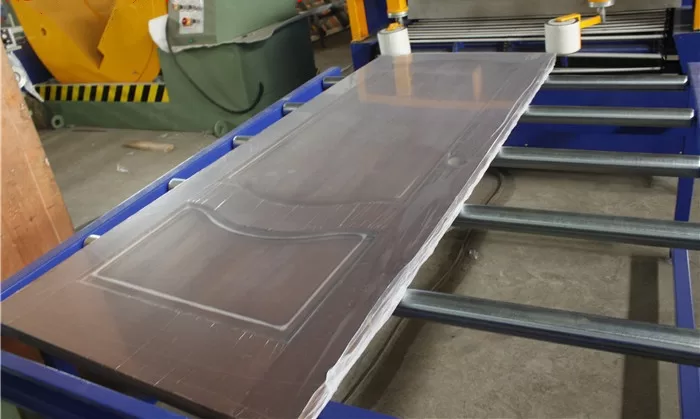
Automating your door packing process brings immediate and significant benefits, especially in terms of safety and loss reduction. The most obvious gain is how it removes workers from dangerous situations. Heavy doors no longer need to be lifted, rotated, or pushed by hand. Instead, specialized machines take over these tasks. This drastically reduces the risk of back injuries, crushed limbs, and other severe accidents common in manual handling. For example, a horizontal orbital stretch wrapper can automatically wrap a door while it stays flat on a conveyor. This eliminates the need for workers to manually rotate or hold the door. This means fewer worker compensation claims. It means lower insurance premiums. It also creates a much safer and more appealing work environment. Your employees will feel more secure. This can improve morale and reduce turnover, which are huge long-term benefits for your factory.
Beyond safety, automation is key to minimizing product losses. Manual packing often results in inconsistent wrapping. This leaves parts of the door vulnerable to damage during transport or storage. Automated door packing machines, like stretch wrappers or shrink wrappers, apply consistent tension and coverage. This creates a uniform protective layer around the door. This greatly reduces scratches, dents, and edge damage that can occur when doors are moved or stacked. Machines do not get tired or make human errors. They apply the same amount of film every time. This consistent quality means fewer damaged goods. It means fewer customer complaints. It means less money lost on reworks or scrapped products. This directly boosts your factory’s profitability.
Furthermore, automation allows for higher throughput and better quality control. A machine can pack doors much faster than a human. It does this with consistent quality. This speed and consistency help eliminate the bottlenecks we discussed earlier. Your entire production line becomes smoother. Products move from manufacturing to shipping without delays. This leads to faster delivery times. It improves customer satisfaction. Also, many automated systems can integrate with your factory’s existing conveyor systems. This creates a seamless flow. It removes manual handling points entirely. This type of integration is vital for large-scale operations. It truly maximizes efficiency and safety. The goal is not just to wrap a door. The goal is to do it safely, quickly, and perfectly every single time. This is where automation truly shines.
What Factors Truly Drive the Price of a Quality Door Packing Machine?
When you look at a door packing machine, it is easy to focus only on the sticker price. Many factory managers make this mistake. They pick the cheapest option. But the true cost of a machine goes far beyond what you pay upfront. A low price can hide many future expenses.
The price of a quality door packing machine is driven by its build quality, level of automation, specific features, customization options, and the crucial after-sales support package, all of which determine its long-term performance and your return on investment.

Understanding the factors that influence the price of a door packing machine is crucial for making a smart investment. The initial purchase price is just one part of the equation. First, the machine’s build quality and materials play a big role. A machine made with high-grade steel, robust electrical components, and durable parts will cost more upfront. However, it will last much longer. It will require fewer repairs. This is especially true for factories like yours in heavy manufacturing, where equipment faces harsh, demanding conditions. Cheaply built machines might break down often. This causes costly downtime. They might also need frequent spare parts. These add up over time. My experience has shown that investing in a sturdy machine built for industrial use pays off through years of reliable operation.
Second, the level of automation and specific features impact the price. A basic machine that requires more manual input will be cheaper. A fully automated system that handles everything from feeding to wrapping and discharge will be more expensive. Features like automatic film cutting, programmable logic controllers (PLCs), touch screen interfaces, and integration capabilities add to the cost. However, these features greatly increase efficiency and reduce the need for human intervention. They also offer more precise control over the packing process. Consider what level of automation truly benefits your specific production line. Do you need high-speed wrapping? Do you need custom wrapping patterns for different door types? These specific needs will determine the features you require.
Third, customization options affect the price. Many factories have unique requirements. This could be due to door size variations, factory layout, or specific packaging material needs. A standard, off-the-shelf machine is cheaper. A machine custom-designed to fit your exact specifications will cost more. However, a customized machine can integrate seamlessly into your existing operations. It can solve very specific bottlenecks. This can lead to greater long-term efficiency and a better return on your investment. It is important to work with a supplier who can understand your unique needs and offer tailored solutions.
Finally, and most importantly, after-sales support and warranty are a huge part of the true price. A machine’s price should include a solid warranty, access to technical support, spare parts availability, and training for your staff. A cheaper machine might come with very little support. This means if something breaks, you are on your own. This leads to extended downtime and higher repair costs. A reputable supplier will offer comprehensive support. They will ensure your machine runs smoothly for years. This partnership approach minimizes your risk. It maximizes your uptime. It provides peace of mind. For factory managers, this support is priceless. It means your investment is protected.
Here is a breakdown of what influences the cost:
| Cost Factor | Description | Impact on Price | Value Proposition |
|---|---|---|---|
| Build Quality | Materials, engineering, durability of components | High | Longevity, fewer breakdowns, lower maintenance costs |
| Automation Level | Degree of human input required (manual vs. fully automated) | Medium to High | Increased speed, consistency, reduced labor needs |
| Specific Features | PLC, touchscreens, automatic cutting, safety sensors | Medium | Enhanced control, easier operation, improved safety |
| Customization | Tailoring machine to specific door sizes, factory layout | High | Seamless integration, optimized performance for unique needs |
| After-Sales Support | Warranty, training, technical support, spare parts | High | Minimized downtime, expert assistance, long-term reliability |
Choosing a machine based solely on its initial price is a common trap. You must consider the total cost of ownership. This includes potential repair costs, downtime losses, and the value of reliable support. A slightly higher upfront cost for a quality machine with excellent support is often the more economical choice in the long run. It is an investment in your factory’s future success.
How Do You Choose a Reliable Partner for Your Door Packing Machine Investment?
You have faced suppliers who promise a lot but deliver little after the sale. This makes you cautious. It makes you hesitant to trust new partners. You need more than just a machine vendor. You need a true ally who understands your factory’s struggles.
Choosing a reliable partner for your door packing machine investment involves evaluating their industry expertise, proven track record, quality of after-sales service, and their commitment to a consultative, problem-solving approach, ensuring long-term support and trust.
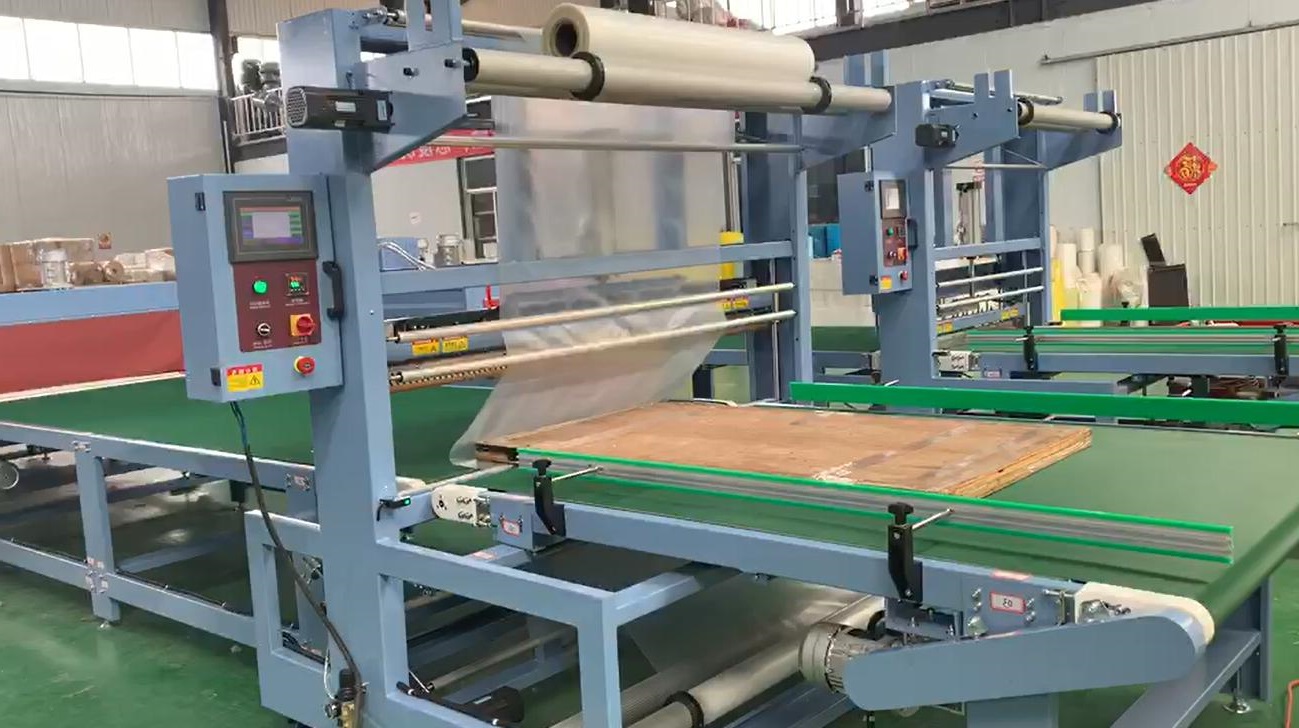
Selecting the right supplier for your door packing machine is as important as choosing the machine itself. Your past experiences with unreliable vendors highlight a critical point: a machine is only as good as the support behind it. First, look for a supplier with deep industry expertise. They should not just sell machines. They should understand your challenges. For example, a supplier who has worked extensively with metal processing plants, like yours, will understand the specific stresses and demands of your environment. They will know about handling heavy loads, managing production flow, and the importance of durability. They can speak your language. They can truly grasp your pain points like efficiency bottlenecks or safety concerns. This kind of specialized knowledge is invaluable.
Second, a reliable partner will have a proven track record and solid references. Ask for case studies. Ask for customer testimonials. Better yet, ask to speak with other factory managers they have worked with. A supplier confident in their products and services will be happy to connect you with their satisfied clients. This gives you a clear picture of their real-world performance. It shows if they deliver on their promises. It helps you see how they handle challenges. This due diligence can save you from costly mistakes down the line. I always believe in showing our customers how our solutions have helped others. This builds real trust.
Third, after-sales service and support network are non-negotiable. What happens if your machine breaks down? How quickly can they provide technical support? Do they have spare parts readily available? Do they offer training for your staff? For a factory manager, every hour of downtime means significant losses. A supplier with a strong local presence or a robust global support network can respond quickly. They can get your machine up and running again. This minimizes your financial impact. A comprehensive service agreement, including preventative maintenance, can also be a wise investment. It ensures your machine remains in top condition. This kind of ongoing support turns a transaction into a partnership.
Finally, seek a partner with a consultative approach. They should not just push their most expensive product. They should listen to your problems. They should analyze your specific needs. They should offer solutions tailored to your factory. This means they might suggest a smaller, more focused machine if that is truly what you need. Or they might recommend a highly customized solution if your production process demands it. This shows they care about your success, not just their sales numbers. It reflects a willingness to build a long-term relationship. This is the kind of partner who helps you grow your business. They become an extension of your team. This is exactly what FHOPEPACK aims to be for all our clients. We want to solve your problems and help you achieve financial independence, just as the packing machine industry helped me.
My Insights on Making Your Door Packing Machine Investment Pay Off?
I have spent my entire career in the packing machine industry. I started as an employee. I then built my own successful factory. I have seen countless businesses grow, and I have also seen the pitfalls. My journey has given me financial independence. Now, I want to share what I have learned.
My key insight is that making your door packing machine investment pay off requires a holistic approach: align the technology with your exact business goals, prioritize long-term value over initial cost, and foster a true partnership with your supplier for ongoing support and growth.
From my own journey in the packing machine industry, I have learned that a successful investment in equipment like a door packing machine is about much more than just the machine itself. When I was an employee, I saw the daily struggles on the factory floor. I saw where the inefficiencies were. I saw the risks. This firsthand experience later guided me when I built my own packing machine factory. I knew that the right equipment, properly integrated, could transform a business. I also knew that many factories fall short because they do not look at the whole picture.
First, aligning technology with your business goals is paramount. Do not buy a machine just because it is new or looks impressive. Ask yourself: What specific problem am I solving? Am I aiming to increase output by 30%? Am I trying to cut injury rates by 50%? Is reducing product damage my top priority? Once you have clear goals, then you can find the technology that directly supports them. For example, if product damage is your main issue, you might prioritize a machine with advanced film application and gentle handling. If speed is everything, you will look for high-throughput capabilities. This focused approach ensures your investment directly impacts your factory’s most pressing needs and helps you grow.
Second, always prioritize long-term value over initial cost. This is a lesson I learned firsthand and something I constantly advise my clients. A cheap machine often comes with hidden costs: frequent breakdowns, expensive spare parts, and lack of reliable support. This leads to massive downtime. Downtime means lost production. It means lost revenue. It means angry customers. A higher upfront investment in a durable, reliable machine with excellent after-sales support will save you money in the long run. It provides consistent performance. It ensures high uptime. This means your factory keeps running smoothly. It ensures your return on investment is strong and sustainable. This is how I helped many of my clients grow their businesses and achieve their own financial independence.
Finally, foster a true partnership with your supplier. Your relationship with the machine vendor should extend far beyond the initial sale. They should be a resource for ongoing optimization. They should provide training. They should be there for maintenance and troubleshooting. My vision for FHOPEPACK is to be that knowledge-sharing platform. I want to share insights. I want to help factory managers like you navigate the complexities of manufacturing. When you have a supplier who is invested in your success, they become a valuable asset. They can offer advice on process improvements. They can help you adapt the machine as your needs evolve. This collaborative approach ensures your door packing machine continues to deliver maximum value throughout its lifespan, helping you achieve your goals and grow your business sustainably.
Conclusion
Investing in a door packing machine requires balancing price and performance. Focus on automation for safety and efficiency. Choose a durable machine and a supportive partner for long-term success.








