
How Can Seamless ERP Integration Optimize Mold Upender Workflow in Russia?
The challenges facing factory managers today are immense. You are juggling production targets, cost controls, and worker safety. I know this pressure well. I have spent years on the factory floor and then building my own successful packing machine factory. You might be struggling with slow processes or dangerous manual handling. These issues directly impact your bottom line and your team’s well-being. But what if there was a way to make your operations smoother, safer, and more profitable?
Seamless ERP integration can transform mold upender workflow in Russia’s industrial settings. It connects your material handling equipment directly to your central planning system. This means real-time data flows, better decision-making, and a truly optimized production line. It helps reduce manual errors, improves safety, and boosts overall efficiency. This system ensures your heavy molds move precisely when and where they need to go, with minimal human intervention. This leads to clear cost savings and a safer workplace.
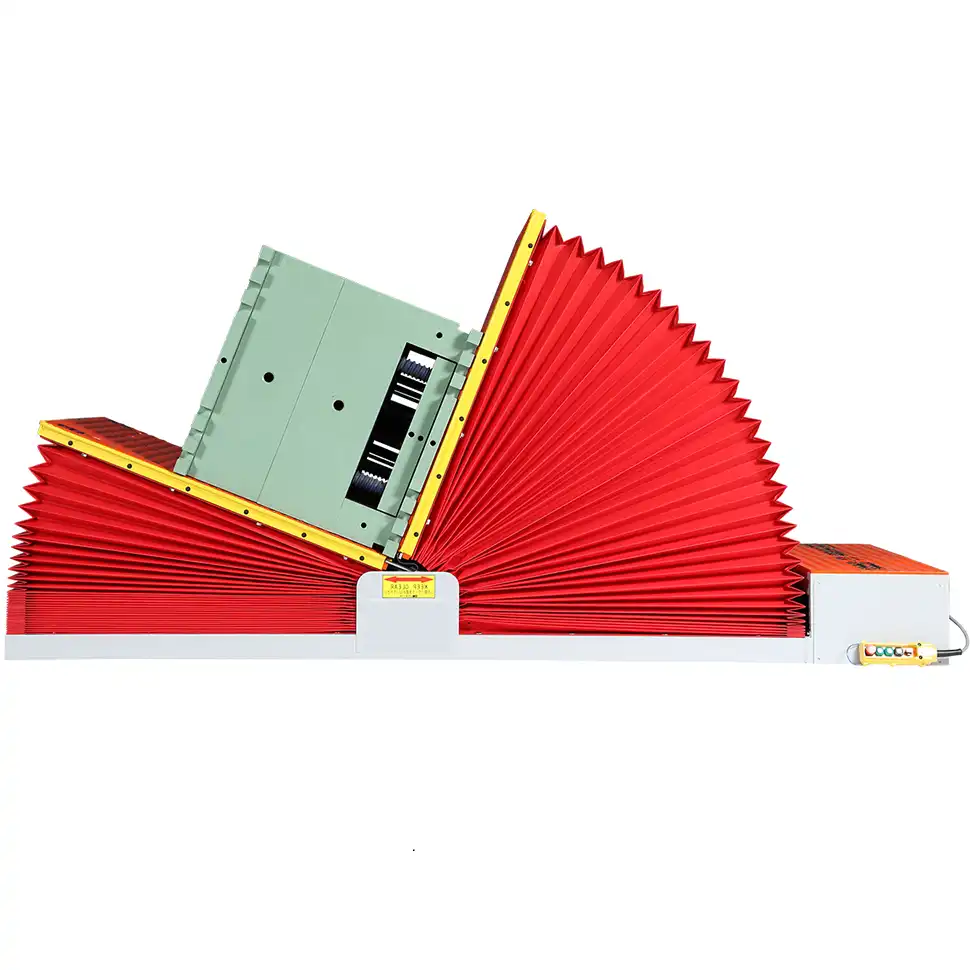
Staying competitive means constantly looking for better ways to operate. Integrating your mold upenders with an ERP system is not just an upgrade; it is a strategic move. It is about building a smarter, more resilient factory. Let us explore how this powerful combination can benefit your operations. We will look at specific challenges and how technology offers clear solutions.
Why is ERP Integration Crucial for Modern Factories in Russia?
Are you tired of disconnected systems causing delays and errors in your Russian factory? Many managers I talk to face this issue. They have different departments using different software. This creates silos of information. It makes it hard to get a clear picture of what is really happening on the factory floor. This lack of clear data leads to missed opportunities and costly mistakes.
ERP integration connects all parts of your business into one central system. This includes production, inventory, sales, and even human resources. For a factory in Russia, this means a unified view of all operations. It helps you make faster, smarter decisions. This approach moves you away from manual tracking and towards automated, data-driven processes.
The Power of Unified Data in Manufacturing
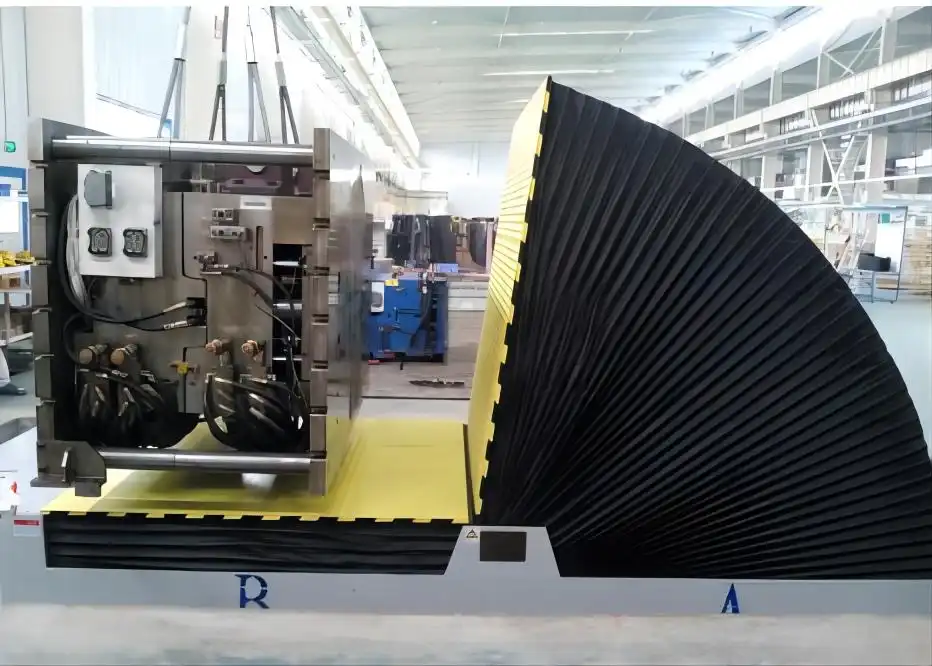
A modern factory cannot run efficiently on guesswork or outdated information. ERP integration brings all your data together. This provides a single source of truth for your entire operation. Think about your steel coil packing or heavy wire packing lines. Knowing the exact status of every order, every material, and every machine makes a big difference. This is what ERP delivers.
- Improved Visibility: You can see everything from raw material inventory to finished product shipment. This real-time view helps you spot problems early. You can then fix them before they become big issues. For example, if a mold upender is running slow, the ERP system can flag it immediately. This lets you schedule maintenance without major downtime.
- Enhanced Decision-Making: With accurate, up-to-the-minute data, managers can make informed choices. This includes production scheduling, resource allocation, and even purchasing. You can optimize your production flow. You can also reduce waste. This directly impacts your profitability.
- Streamlined Processes: ERP systems automate many routine tasks. This reduces manual effort and the chance of human error. Orders can flow directly from sales to production planning. Inventory levels can update automatically. This makes your whole operation smoother. This is especially important in heavy industries where precision is key.
- Cost Reduction: By optimizing inventory, reducing waste, and improving efficiency, ERP systems cut down costs. You do not over-order materials. You do not have too much stock sitting idle. You can also minimize unexpected downtime. Each of these savings adds up.
For factories in Russia, adopting such integrated systems is a step towards global competitiveness. It helps them meet strict quality standards and delivery deadlines. It also prepares them for future growth. I have seen how factories transform when they embrace smart technology. It is about working smarter, not just harder.
How Do Mold Upenders Transform Safety and Efficiency in Russian Operations?
Are your workers still manually flipping heavy molds or steel coils? Is this slow, dangerous, and leading to product damage? In many Russian factories, heavy items like molds, coils, and large workpieces are still handled manually. This creates serious safety risks. It also slows down production. Workers can suffer injuries. Products can get damaged. Both issues lead to significant financial losses.
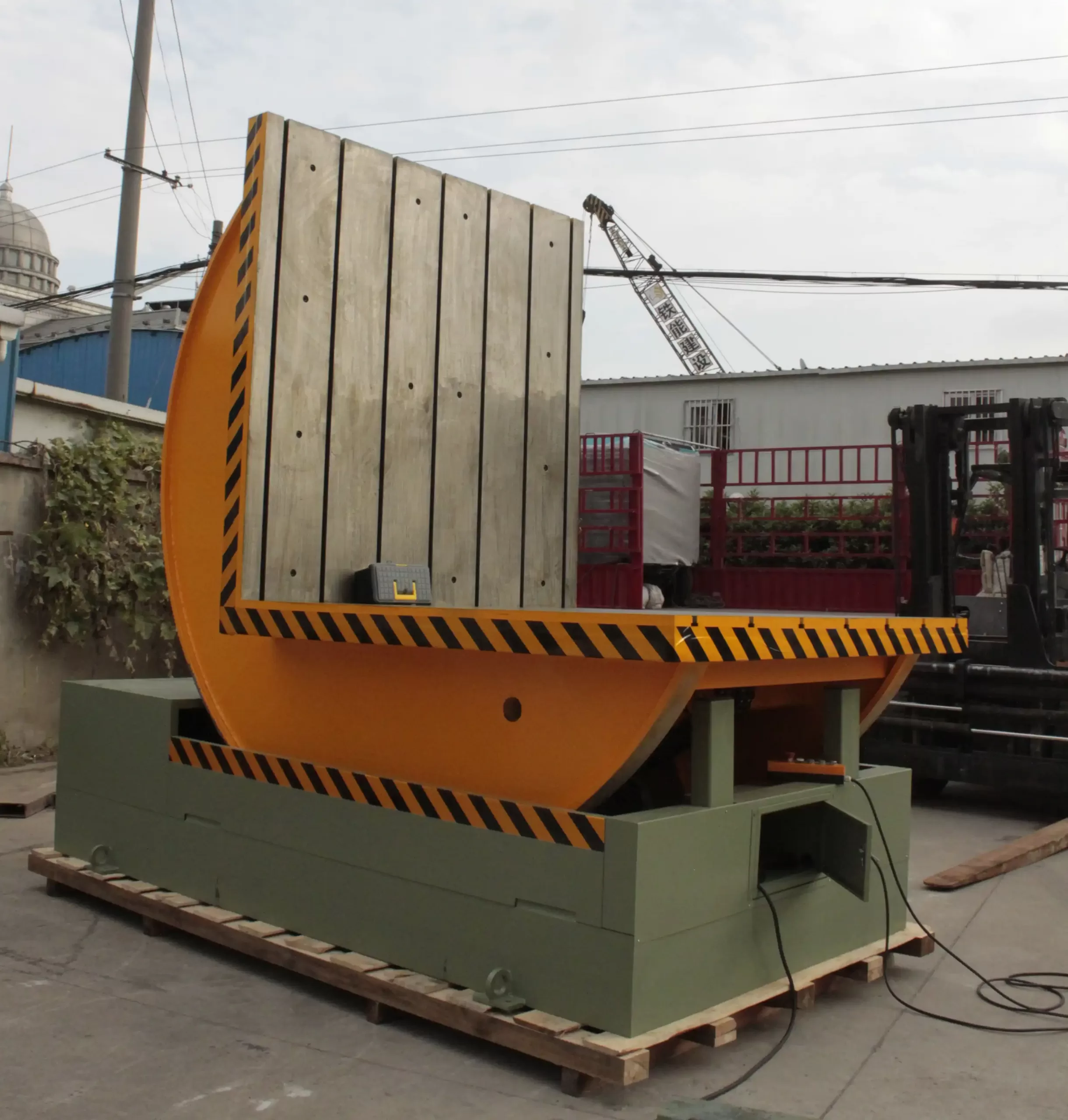
Mold upenders, also known as mold tilters or coil tilters, are designed to safely rotate heavy objects. They can flip molds, dies, coils, or other heavy industrial parts by 90 or 180 degrees. This eliminates the need for manual handling. It dramatically improves safety on the factory floor. It also speeds up the entire process, making operations much more efficient.
Revolutionizing Material Handling with Automated Tilting
The benefits of mold upenders extend far beyond just flipping objects. They are a critical piece of equipment for any factory dealing with heavy, awkward loads. I have seen countless examples where simply introducing a machine like this changed everything for a company. It is not just about the machine; it is about the ripple effect it has on the entire operation.
- Unmatched Safety: This is the most important benefit. Manual flipping of heavy molds, often weighing many tons, is incredibly dangerous. It leads to back injuries, crushed limbs, and even fatalities. Mold upenders remove workers from harm’s way. They perform the task safely and mechanically. This reduces worker compensation claims. It also improves employee morale. A safer workplace is a more productive workplace.
- Significant Efficiency Gains: Imagine flipping a multi-ton mold in minutes, instead of needing multiple workers and specialized lifting gear taking half an hour or more. Upenders do this quickly and smoothly. This reduces bottlenecks in the production line. It allows materials to move faster from one process to the next. This means more output in less time.
- Reduced Product Damage: Manual handling or using overhead cranes for complex rotations often leads to nicks, scratches, or even severe damage to molds or steel coils. This results in costly reworks or scrapped products. Mold upenders provide a controlled, precise rotation. This protects valuable goods from damage during the flipping process. This protects your profits.
- Optimal Ergonomics and Worker Morale: When workers are not constantly straining to move heavy objects, their overall work environment improves. They are less fatigued. They are also less prone to injuries. This leads to higher job satisfaction. It also reduces employee turnover. A happy and healthy workforce is more dedicated and productive.
For Russian factories handling heavy components, investing in mold upenders is a clear path to modernization. It aligns with global best practices for safety and operational efficiency. It directly addresses the critical challenges of manual labor risks and slow processing times. I always tell my clients, “The right machine is an investment in your people and your future.”
What are the Tangible ROI Benefits of Integrating Mold Upenders with ERP Systems?
Are you wondering if the investment in new equipment and software will truly pay off? Factory managers in Russia, like those I have advised, always ask about return on investment (ROI). They want to see clear financial benefits before they commit. They are right to do so. Buying new machinery or implementing complex software should not be a leap of faith. It needs to show real value.
Integrating mold upenders with ERP systems offers tangible ROI through various channels. It reduces operational costs, enhances productivity, and minimizes risks. This combined solution provides a comprehensive return that goes beyond just one-time savings. It creates sustained improvements in your factory’s financial health and operational efficiency.
Quantifying the Gains: A Smart Investment
When I help clients plan their factory improvements, we always look at the numbers. It is not enough to say something is “better.” We need to prove it saves money or makes more money. The synergy between mold upenders and ERP is powerful because each amplifies the benefits of the other. The ERP makes the upender more efficient, and the upender feeds valuable data back to the ERP.
- Reduced Labor Costs:
- Challenge: Manual mold flipping requires multiple skilled workers. This is costly in terms of wages and benefits.
- Solution: An automated mold upender, controlled by the ERP, can do the work of several people. This frees up staff for other, more value-added tasks.
- ROI Impact: Direct savings on labor expenses. You also reduce costs associated with hiring, training, and managing large teams for manual tasks.
- Decreased Material Loss & Rework:
- Challenge: Manual handling often leads to damage to expensive molds or finished products. This results in costly repairs, scrap, and customer complaints.
- Solution: The precise and controlled movement of an upender minimizes damage. The ERP can track product quality throughout the process.
- ROI Impact: Lower material waste, reduced rework expenses, and improved customer satisfaction. This directly boosts your profit margins.
- Optimized Production Throughput:
- Challenge: Bottlenecks at the flipping stage slow down the entire production line.
- Solution: Upenders speed up material handling. ERP ensures optimal scheduling and flow. It feeds the upender with the right information at the right time.
- ROI Impact: Higher output capacity without adding more production lines. This means you can fulfill more orders and generate more revenue.
- Lower Insurance Premiums & Injury Costs:
- Challenge: High rates of workplace injuries due to manual heavy lifting lead to increased insurance costs and worker compensation claims.
- Solution: Mold upenders eliminate the riskiest tasks. This drastically reduces the potential for accidents. The ERP can track safety metrics.
- ROI Impact: Significant savings on insurance premiums. Fewer lost workdays due to injury. This improves employee morale and retention, which also has a financial benefit.
- Improved Inventory Management:
- Challenge: Poor visibility of materials and finished goods leads to overstocking or stockouts. This ties up capital or causes production delays.
- Solution: ERP integration provides real-time inventory tracking. It ensures components like molds are available exactly when needed. This is critical for Just-In-Time (JIT) manufacturing principles.
- ROI Impact: Reduced holding costs, fewer production delays, and more efficient use of warehouse space.








