
What Humidity-Resistant Features Should a Mold Upender Include for Colombia?
Are you losing sleep over equipment breakdowns in your high-humidity factory? Does the constant damp air eat away at your machinery, slowing down production and costing you money? I know this problem very well. Many factory managers, like Michael Chen I have met, face this exact challenge. They struggle with maintaining peak performance in tough conditions, especially when dealing with heavy items like molds or coils. This constant fight against the elements can feel overwhelming.
For factories in high-humidity regions like Colombia, a mold upender must have specific features to resist moisture. These include sealed electrical components, corrosion-resistant coatings, and durable hydraulic systems. These features protect the machine from rust and electrical failures. They ensure the upender runs reliably, even in very wet conditions. This helps keep your production line moving.
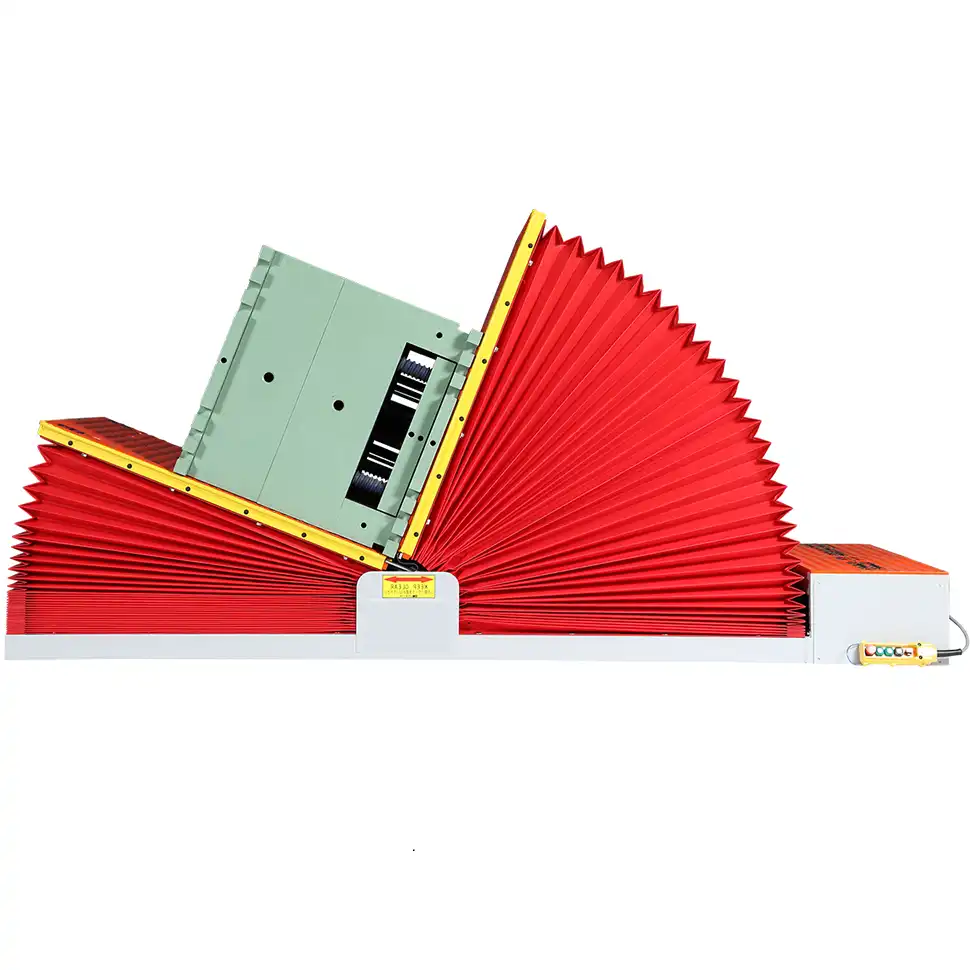
Choosing the right equipment is critical for any factory. But when your environment adds extra stress, like the high humidity in Colombia, your choices become even more important. You need machines that are built to last and perform. Let’s look deeper into what makes a mold upender truly robust for these demanding conditions.
Why Does Humidity Threaten Your Factory Equipment in Places Like Colombia?
Are you watching your valuable factory equipment rust and fail sooner than it should? Is the constant moisture in the air slowly but surely degrading your machines, leading to unexpected downtime and expensive repairs? This silent enemy, humidity, can cripple your operations. It can turn a reliable machine into a costly liability.
Humidity poses a significant threat to industrial machinery, especially in regions with high moisture levels like Colombia. It causes corrosion, electrical shorts, and lubricant degradation. These issues lead to frequent breakdowns, reduced lifespan of equipment, and increased maintenance costs. Protecting machines from humidity is key to long-term operational success.
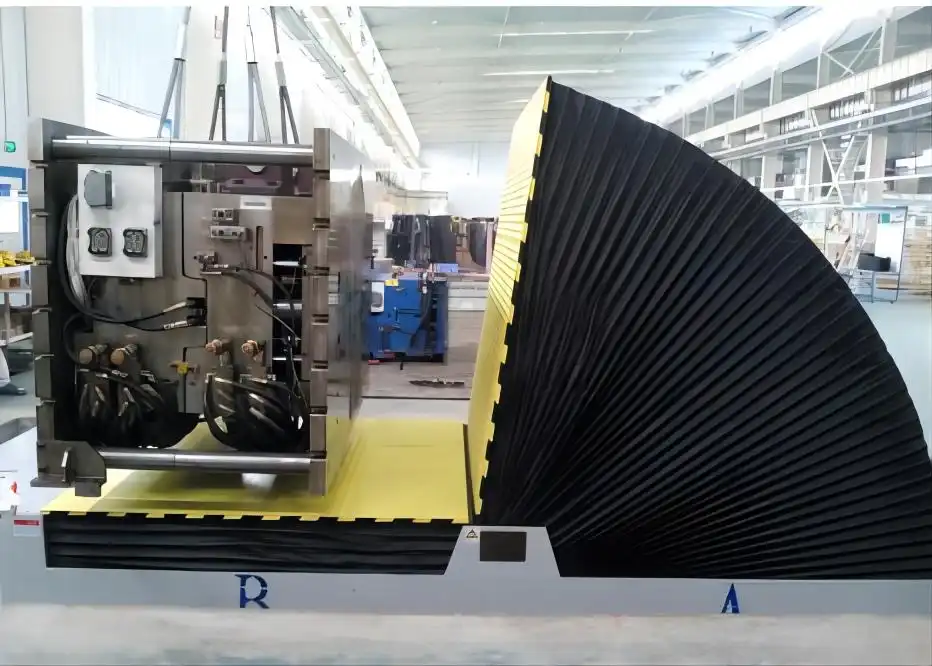
Humidity is more than just damp air. It is a powerful force that works against every component of your machinery. From the smallest wires to the largest steel frames, moisture finds a way in. It creates problems that can quickly escalate. This is a battle you must win to keep your factory productive and safe.
The Invisible Enemy: How Moisture Attacks Your Machinery
Factories in places like Colombia experience high levels of humidity. This is not just uncomfortable for people. It is very damaging for machines. Moisture in the air causes several serious problems for industrial equipment.
- Corrosion and Rust: This is the most common and visible problem. Metal parts on your mold upender, like the frame, bearings, and shafts, are always exposed to moisture. This moisture contains oxygen. Together, they create rust. Rust weakens the metal. It makes parts brittle. It can lead to structural failure over time. Even painted surfaces can get tiny cracks. Moisture then seeps under the paint and starts rusting the metal beneath. Think about a steel coil sitting unprotected. The edges quickly show signs of rust in a humid environment. An upender handles these heavy items. It needs to be just as tough.
- Electrical System Failures: Water is a good conductor of electricity. Humidity causes condensation inside electrical enclosures, control panels, and motors. This condensation can lead to short circuits. It can corrode electrical contacts and wiring. This causes malfunctions. It can even lead to complete system failure. Imagine your upender suddenly stops mid-cycle because of a short. This means lost production time and potential safety risks. Michael Chen, a factory manager, told me how unexpected electrical issues can shut down an entire line. This costs huge money.
- Lubrication Breakdown: Many moving parts in an upender need grease or oil to work smoothly. High humidity can contaminate these lubricants. Moisture mixes with the oil or grease. It reduces their ability to protect moving parts. This leads to increased friction and wear. Bearings might seize up. Gears might grind. This shortens the lifespan of critical components. It requires more frequent maintenance and replacement.
- Mold and Mildew Growth: While less direct, mold and mildew can grow on certain materials. This includes wiring insulation or even some painted surfaces if the conditions are right. This can contribute to further material degradation. It can also create an unhealthy work environment.
Understanding these threats is the first step. You then need to choose equipment that is built to resist them. This is especially true for machines like mold upenders. They handle heavy loads. They are critical to safety and efficiency. Ignoring humidity’s effects is like leaving your factory door open to problems. I have seen many factories struggle with this. They bought machines that were not ready for humid climates. This always led to higher costs later.
What Specific Features Make a Mold Upender Truly Humidity-Resistant?
Are you tired of investing in equipment that cannot stand up to the constant dampness in your factory? Do you want to know what truly makes a mold upender capable of enduring high humidity, ensuring long-term reliability and performance? It is frustrating to see new machines degrade quickly.
A truly humidity-resistant mold upender includes several key features. These are sealed electrical enclosures, IP-rated components, and specialized anti-corrosion coatings. It also uses stainless steel or galvanized parts for critical areas. Furthermore, its hydraulic system should be enclosed and protected. These design choices ensure the machine operates reliably in wet, humid environments, preventing rust and electrical failures.
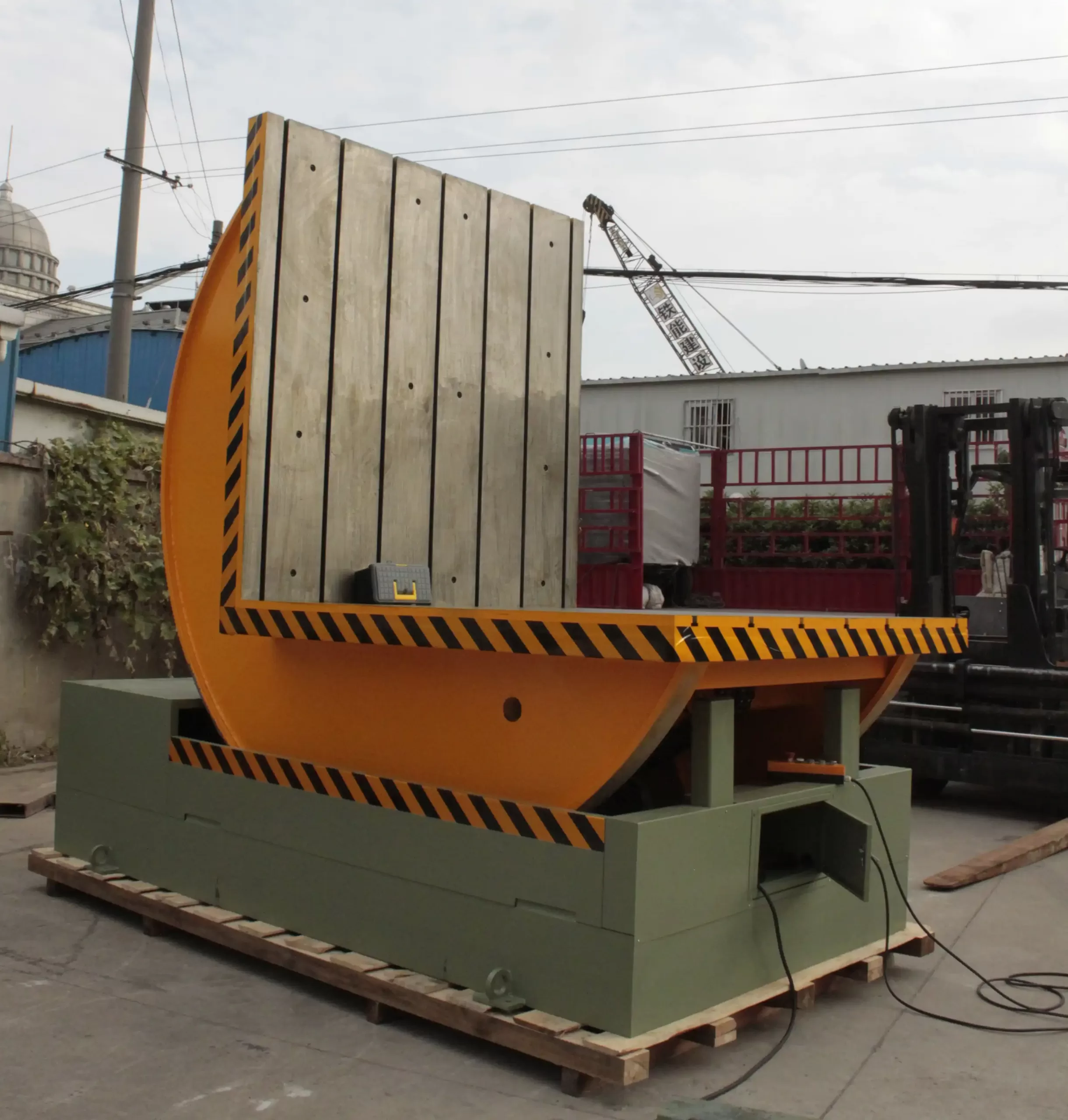
When I started my packing machine factory, I learned quickly that a machine is only as good as its weakest part. In humid places, that weakest part is often the one not protected from moisture. So, what specific features should you look for? Let’s break it down.
Building for the Wet: Key Features for Durability
When designing or choosing a mold upender for a humid climate, every detail matters. You cannot just pick a standard machine and hope for the best. Here are the essential features that make an upender truly resistant to humidity:
- Sealed Electrical Components and IP Rating: This is non-negotiable. All electrical enclosures, junction boxes, and control panels must be completely sealed. They need an Ingress Protection (IP) rating. An IP65 rating means the enclosure is dust-tight and protected against water jets. An IP67 rating means it is dust-tight and protected against temporary immersion in water. This prevents moisture from reaching sensitive wiring, circuit boards, and switches. Motors should also have appropriate IP ratings. Michael Chen is very concerned about safety. Properly sealed electrical systems prevent short circuits. They also reduce the risk of electrical shock. This makes the workplace much safer.
- Corrosion-Resistant Coatings and Materials: The entire steel structure of the upender needs heavy-duty protection. This includes:
- Marine-grade paint: This paint is designed for ships. It can withstand constant exposure to saltwater and high humidity. It is much more durable than standard industrial paints.
- Hot-dip galvanization: This process involves dipping steel parts into molten zinc. The zinc forms a protective layer. This layer prevents rust, even if the surface is scratched. It is excellent for frames and other structural components.
- Stainless steel: For critical components like fasteners, pins, shafts, or bearing housings, stainless steel is ideal. It resists rust much better than regular steel.
- Chrome plating: For hydraulic cylinders or other moving parts that need a smooth surface, hard chrome plating offers excellent corrosion resistance and wear protection.
- Enclosed Hydraulic Systems: The hydraulic pump, reservoir, and lines should be as enclosed as possible. This protects them from direct splashes and high humidity. Using high-quality hydraulic oil also helps. Some oils have additives that resist water contamination. Properly sealed fittings and hoses prevent leaks. They also stop moisture from getting into the hydraulic fluid.
- Drainage Points: Even with the best sealing, some condensation can occur inside large enclosures. Smart designs include small drain holes. These allow any accumulated moisture to escape. This prevents water from pooling and causing problems.
- Specialized Bearings and Seals: Bearings are critical for smooth operation. For humid environments, sealed bearings are a must. They prevent moisture and dirt from entering the bearing races. Using synthetic seals made of materials like Viton or EPDM offers better resistance to moisture and chemicals than standard rubber seals.
- Proper Ventilation: While you want sealed electricals, some areas might benefit from controlled ventilation with filters. This helps manage internal temperatures and humidity levels. It must be designed carefully to prevent moisture ingress.








