
How Do Preventive Maintenance Protocols Extend Mold Tilter Lifespan in Argentina?
Factory managers face big pressure every day. Keeping heavy equipment, like mold tilters, running perfectly is hard. Downtime costs a lot. Imagine a mold tilter breaking down in the middle of a busy shift. Production stops. Workers stand idle. Orders get delayed. This hits your bottom line hard. But what if there was a way to stop these problems before they start? A way to make sure your vital machinery keeps working for years?
Preventive maintenance protocols extend mold tilter lifespan by fixing small issues before they become big ones. These protocols involve regular inspections, cleaning, lubrication, and parts replacement. Doing this keeps the machine parts working well. It stops wear and tear from becoming total failure. This ensures the tilter runs smoothly for a long time. This is true for any factory, including those in Argentina, where reliability is key.
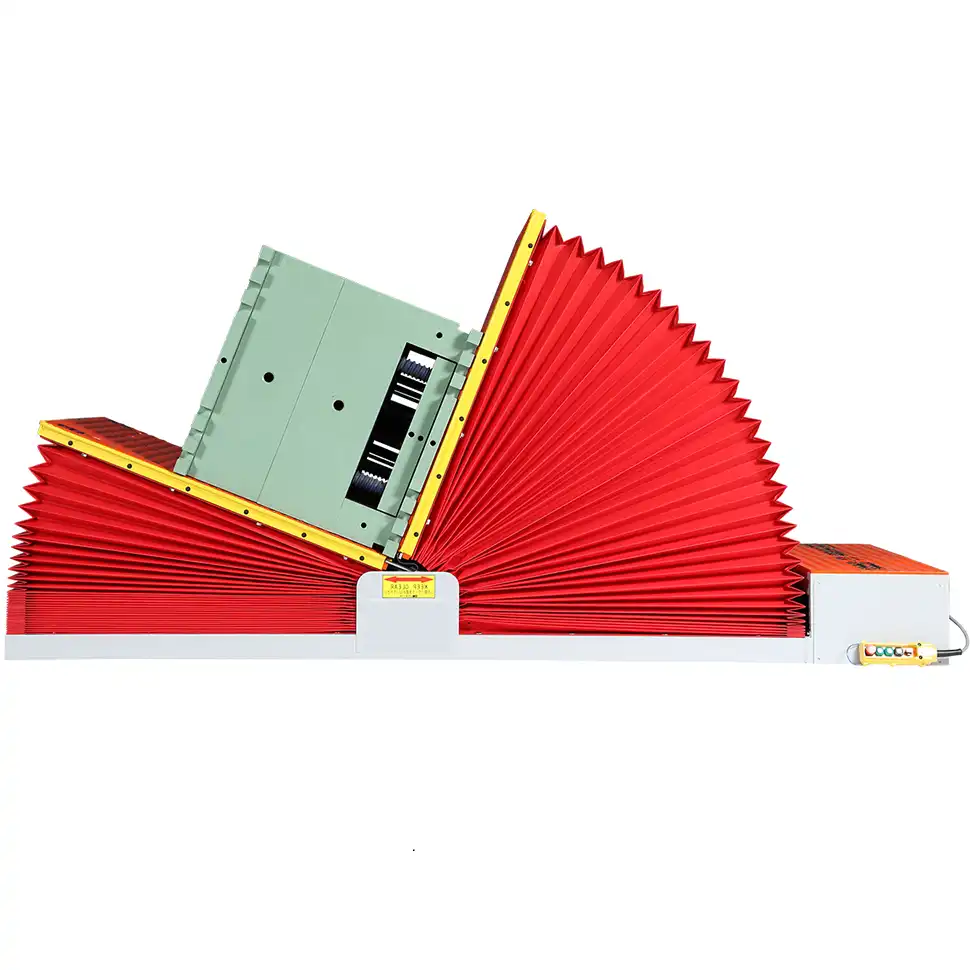
You might think regular maintenance is an extra cost. But I have seen its true value. It saves money and makes your factory safer. Let us look closer at how this works. I will share my insights from years in the packing machine industry. I will show you why smart maintenance plans are key to your success.
Why Does Your Mold Tilter Need Regular Care?
Many factory machines run until they break. This costs you a lot. When a critical machine like a mold tilter suddenly stops, it creates chaos. Production lines halt. Workers cannot do their jobs. This leads to big losses. Understanding why regular care is vital helps you avoid these big problems.
Mold tilters need regular care because they work under heavy loads and constant stress. Parts wear out. Dirt builds up. Without regular checks, small issues grow into major breakdowns. Proper care keeps all parts moving right. It prevents early failure.
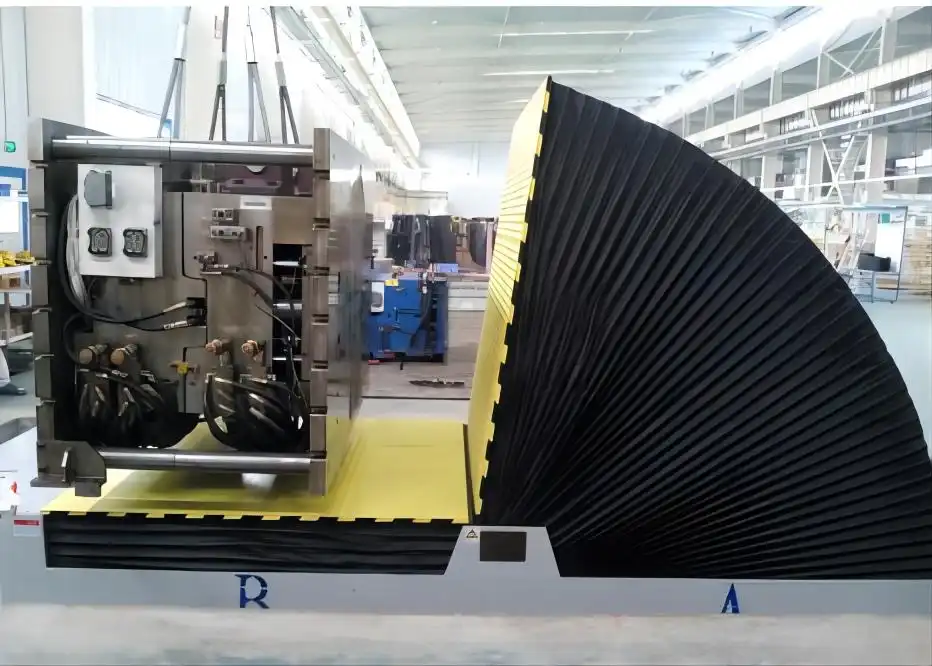
Mold tilters are strong machines. But they deal with very heavy weights every day. This causes wear and tear on many parts. Think about Michael, a factory manager in Mexico. He needs his machines to be tough and reliable. Any breakdown leads to huge losses for him. The same is true for factories in Argentina. They handle heavy steel coils or molds. These processes put big stress on machines.
One common problem is component fatigue. Metal parts bend and flex. Over time, they can crack or break. Hydraulic systems also face constant pressure. Seals can leak. Hoses can burst. Electrical wiring can fray. If these small issues are not fixed, they lead to bigger failures. This can mean the mold tilter stops working completely. It can also cause safety issues. For example, a failing hydraulic hose can cause a heavy mold to drop unexpectedly. This puts workers in danger. Michael worries a lot about worker safety. He knows high injury risks lead to higher insurance costs. They also make good workers leave.
Another issue is dirt and debris. Factories can be dusty places. Metal dust and other particles can get into moving parts. They can grind down bearings. They can clog filters. This speeds up wear. It reduces the machine’s efficiency. Damaged parts can also lead to product loss. For instance, if a mold tilter does not function smoothly, it can cause damage to the edges of steel coils. This results in customer complaints. It also means lost profit. Regular cleaning and inspection address these issues. They keep the machine working well. They protect your products. This makes your factory more profitable.
| Common Mold Tilter Issues | Root Cause | Preventive Action | Benefit |
|---|---|---|---|
| Sudden breakdown | Worn parts, lack of lubrication | Regular inspections, scheduled lubrication | Increased uptime, steady production |
| Hydraulic leaks | Worn seals, high pressure | Check fluid levels, replace old hoses and seals | Prevents fluid loss, stops sudden drops |
| Overheating motors | Dust buildup, poor ventilation | Clean motors, ensure proper airflow | Extends motor life, reduces power waste |
| Unsafe operation | Failing safety sensors, damaged controls | Test safety features, repair faulty components | Protects workers, lowers accident risk |
| Reduced speed/efficiency | Clogged filters, misaligned parts | Replace filters, align moving components | Restores optimal performance, saves energy |
What Goes Into a Good Mold Tilter Maintenance Plan?
You know you need maintenance. But what exactly should you do? A vague plan leads to missed steps. This leaves you open to breakdowns. You cannot afford surprises when your factory runs on tight schedules. A clear, step-by-step plan is the only way to ensure nothing is overlooked. It helps you keep your equipment running reliably.
A good mold tilter maintenance plan includes daily checks, weekly cleanings, and monthly or quarterly deeper inspections. It also includes lubrication, parts replacement schedules, and staff training. These steps work together to keep the machine in top shape. They make sure your investment lasts.
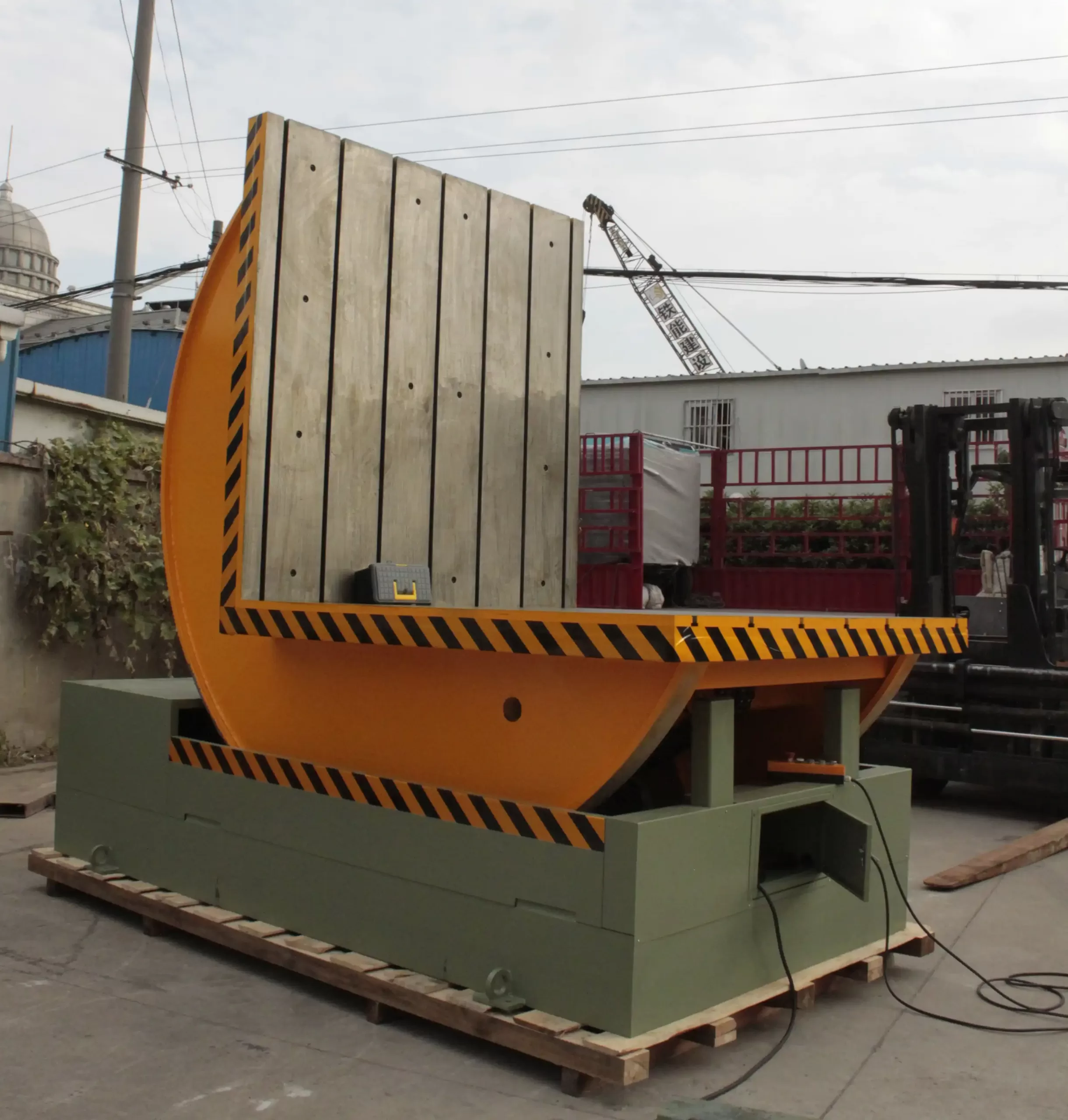
A good maintenance plan is like a detailed map. It guides your team to keep the mold tilter healthy. It starts with simple, daily tasks. These are things operators can do. They check for strange noises. They look for leaks. They make sure all safety buttons work. These quick checks can find small issues before they become big ones. Then, there are weekly tasks. These often involve cleaning the machine thoroughly. This gets rid of dust and grime. It helps stop wear. It also lets workers see parts that might be wearing out. This is like my own factory journey. I learned that small, regular efforts keep things smooth.
Next come the monthly or quarterly inspections. These are more detailed. A skilled technician usually does these. They check hydraulic fluid levels. They inspect hoses for cracks. They test electrical connections. They also look at wear points like bearings and pivot pins. They lubricate all moving parts. Proper lubrication reduces friction. This makes parts last longer. It also saves energy. A key part of the plan is keeping records. You write down what was done. You note when it was done. This helps you track the machine’s health. It also helps you predict when parts might need replacing.
Finally, a good plan includes scheduled parts replacement. Some parts have a limited life. They will wear out no matter what. It is smarter to replace them before they fail. This prevents sudden breakdowns. It keeps your production steady. Training your staff is also very important. Everyone who uses or maintains the mold tilter needs to know what to do. They need to understand safety rules. They need to know how to spot problems. This helps them work safely and efficiently. A well-trained team is your best asset. They help you achieve your goals of higher automation and better safety. They also help reduce bottlenecks.
How Does Preventive Maintenance Save Your Factory Money?
Budgets are tight in factories. Every expense is looked at closely. Some people see maintenance as just a cost. They do not see it as an investment. This thinking can lead to bigger losses. Imagine having a machine break down in the middle of a big order. The cost of stopping production, rushing repairs, and maybe even losing a client can be huge. Let me show you how smart maintenance decisions actually boost your factory’s profit.
Preventive maintenance saves money by reducing unplanned downtime, cutting repair costs, and extending equipment lifespan. It means less lost production. It also means fewer expensive emergency repairs. This helps factories like those in Argentina manage costs better. It gives you a clear return on investment.
The financial impact of preventive maintenance is huge. Think about it this way: a small cost now saves you a large cost later. Unplanned downtime is very expensive. When a mold tilter breaks down unexpectedly, your production line stops. This means lost output. It means workers are idle. You still pay wages, but you are not making products. For Michael, who needs to boost output and control costs, this is a major problem. Every hour of downtime means less product goes out the door. It directly impacts revenue.
Emergency repairs are also much more expensive. When a machine breaks, you need to fix it fast. This often means paying extra for quick service. You might need to pay more for parts to be shipped fast. Your repair staff might work overtime at higher rates. With preventive maintenance, you schedule repairs. You buy parts at normal prices. Your team works during regular hours. This keeps costs down. It also helps you avoid product damage. If a machine breaks during operation, it can ruin the material it is handling. This leads to scrap and customer complaints. Preventive checks stop this.
Investing in preventive maintenance also makes your equipment last longer. If you take care of a machine, it will serve you for many more years. This means you do not have to buy new equipment as often. Replacing a mold tilter is a huge capital expense. By extending its life, you delay that big cost. This frees up money for other investments in your factory. For me, when I started my packing machine factory, every dollar counted. I learned that taking care of my machines was not just good practice. It was vital for my financial independence. It helped my clients grow their businesses too. They saw the value of long-lasting, reliable equipment.
| Cost Category | Reactive Maintenance | Preventive Maintenance | Savings |
|---|---|---|---|
| Downtime | High (unplanned stops, lost production) | Low (scheduled, short stops) | Significant |
| Repair Costs | Very High (emergency, overtime, rush parts) | Low (planned, regular rates, standard parts) | High |
| Equipment Life | Short (parts wear out faster, early replacement) | Long (consistent care, optimal performance) | Major |
| Product Loss | High (damage during breakdown) | Low (stable operation) | Noticeable |
| Labor Costs | High (idle workers during downtime) | Efficient (workers always productive) | Good |
Can Regular Maintenance Stop Workplace Accidents?
Safety is a top concern for any factory manager, especially with heavy machinery. Accidents with heavy equipment like mold tilters can be devastating. They cause serious injuries. They lead to financial loss. They affect the morale of everyone in the factory. It is a terrible situation no one wants. A strong maintenance program is your first line of defense against these risks.
Regular maintenance stops workplace accidents by ensuring all safety features on the mold tilter work correctly. It fixes worn parts before they fail dangerously. This includes checking emergency stops, hydraulic lines, and structural integrity. This keeps workers safe. It creates a more secure work environment.
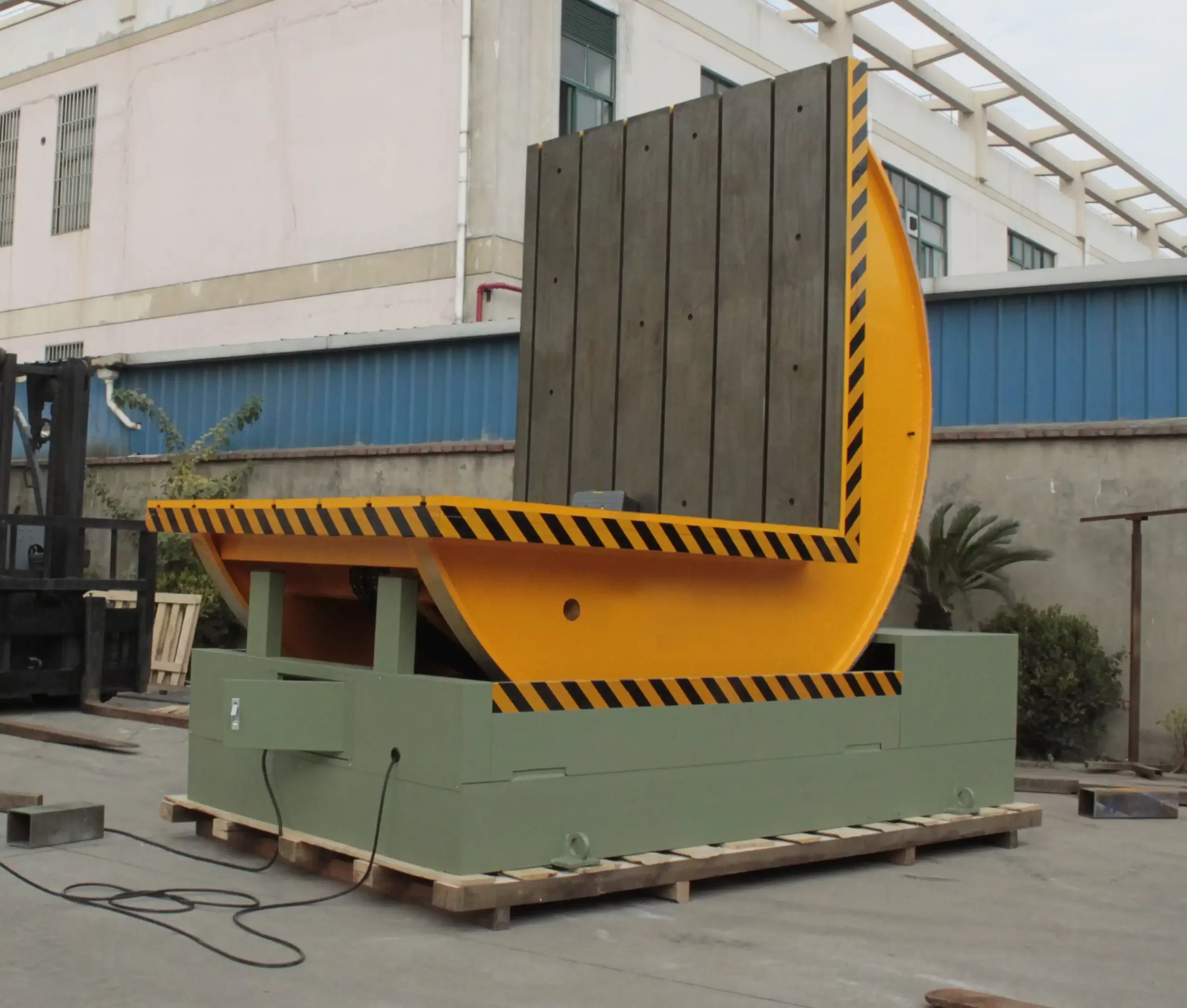
Safety is not just a rule. It is a responsibility. In factories, heavy lifting and moving are common. Machines like mold tilters handle extremely heavy objects, such as molds or steel coils. If these machines are not working perfectly, the risk of accidents goes up a lot. Michael knows this well. He deals with high injury risks and high insurance costs. Manual handling of heavy items is especially dangerous. Mold tilters help automate this. But they must be in perfect working order.
Preventive maintenance directly addresses safety. It makes sure all safety features are active and reliable. For example, mold tilters have emergency stop buttons. They have safety interlocks that prevent movement if a guard is open. They have overload protection systems. These systems stop the machine if the weight is too much. Regular maintenance checks all these systems. It makes sure they respond instantly when needed. If a button is faulty or a sensor is blocked, maintenance finds and fixes it. This prevents serious harm.
Furthermore, worn parts are a huge safety risk. A hydraulic hose that leaks can burst. This can cause the tilter to drop its load. A worn bearing can cause a machine to jam suddenly. This can throw material or injure a worker nearby. Even small electrical faults can lead to fires or shocks. Preventive maintenance identifies these worn parts. It replaces them before they fail. This removes a major source of danger. It improves the overall safety of the workplace. By reducing the need for workers to manually handle heavy items, mold tilters themselves improve safety. But only if they are properly maintained. This way, your factory becomes a safer place for everyone. It helps reduce costly worker injuries and boosts staff morale.
My insight
You have heard the facts. But how do you really make this happen in your factory? Knowledge without action does not help anyone. It is easy to read about good ideas. It is harder to put them into practice every day. I want to share my personal take on this, based on my journey. I believe my experience can help you see the bigger picture.
My insight is this: preventive maintenance is not just about machines. It is about a mindset. It is about planning, training your people, and building a culture of care. This focus brings long-term success. It goes beyond simple repairs. It is the core of a thriving business.
When I started as an employee in a packing machine factory, I saw many machines. Some were well-cared for. Others were left to break. Later, when I built my own factory, I made maintenance a top priority. I did not want breakdowns to stop my progress. I knew that reliable machines meant reliable production. This directly helped me achieve financial independence. It was not just about buying good machines. It was about consistently taking care of them. My clients also saw this value. When their machines worked well, their businesses grew. They knew they could trust their equipment.
So, my insight is to look at preventive maintenance as an investment in your future. It is not just a cost line on your budget. It is an investment in machine longevity. It is an investment in worker safety. It is an investment in your factory’s reputation. This approach involves a few key steps. First, you need a clear, written plan. Everyone must know their role. Second, you must train your team. They need to understand why maintenance matters. They need to know how to do it right. They need to spot issues early. Third, you need to commit to it. It takes time and effort. But the payoff is big.
For a manager like Michael, who wants to partner with experts, this is crucial. We at FHOPEPACK believe in sharing knowledge. We do not just sell machines. We help you understand how to get the most out of them. We help you solve your production bottlenecks. We help improve safety. This is how you build a factory that lasts. This is how you help your business grow. This is my true insight. It is how I achieved my success, and how I believe you can achieve yours too.
Conclusion
Preventive maintenance for mold tilters is an investment, not an expense. It extends machine life, cuts costs, and boosts safety. This approach helps factories like yours thrive, ensuring long-term success.








