
How Do Preventive Maintenance Practices Extend Tilter Lifespan in Spain?
When your heavy machinery breaks down, it creates big problems. Production stops. Deliveries get delayed. This happens often in busy factories, like those I have seen in Spain. Downtime means lost money and unhappy customers. It also puts stress on everyone. Many factory managers, like Michael Chen in Mexico, face these exact struggles. They need their equipment to work all the time.
Preventive maintenance (PM) is how you stop these big problems. It means you check and fix your tilters before they break. PM helps keep your machines running smoothly. It makes them last much longer. This cuts down on costly repairs and keeps your production lines moving without big delays.
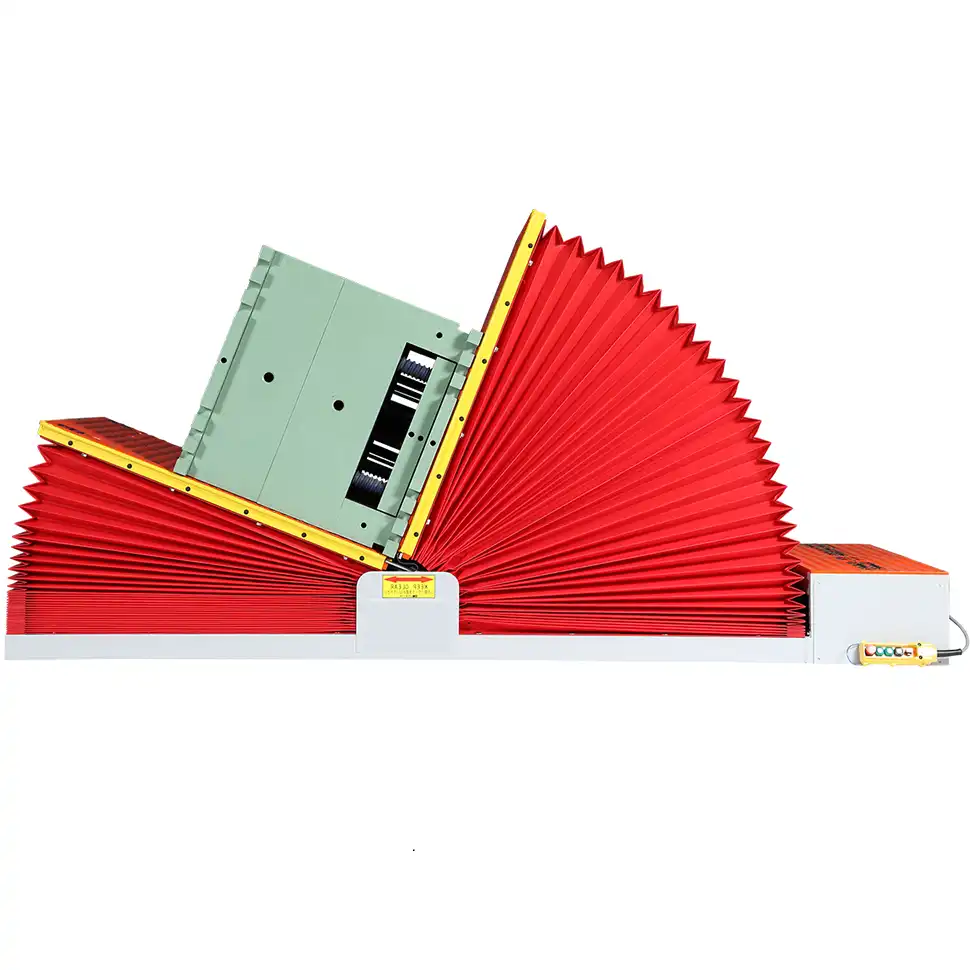
I have seen many factories struggle with broken machines. This is why I started FHOPEPACK. I want to share what I know. Understanding preventive maintenance is key. It helps you avoid those painful breakdowns. It also keeps your business growing. Let us look closer at how PM helps your tilters and your whole operation.
Does Regular Tilter Inspection Truly Prevent Costly Breakdowns?
Imagine your tilter stops working in the middle of a shift. The line halts. Workers stand idle. This kind of sudden breakdown is a nightmare for any factory. It creates big costs very fast. It also puts your whole schedule at risk.
Yes, regular inspections truly stop costly breakdowns. They help you find small issues before they become huge, expensive problems. Catching a loose bolt or a leaking hose early saves you from a total machine failure. This keeps your tilters working and your money safe.
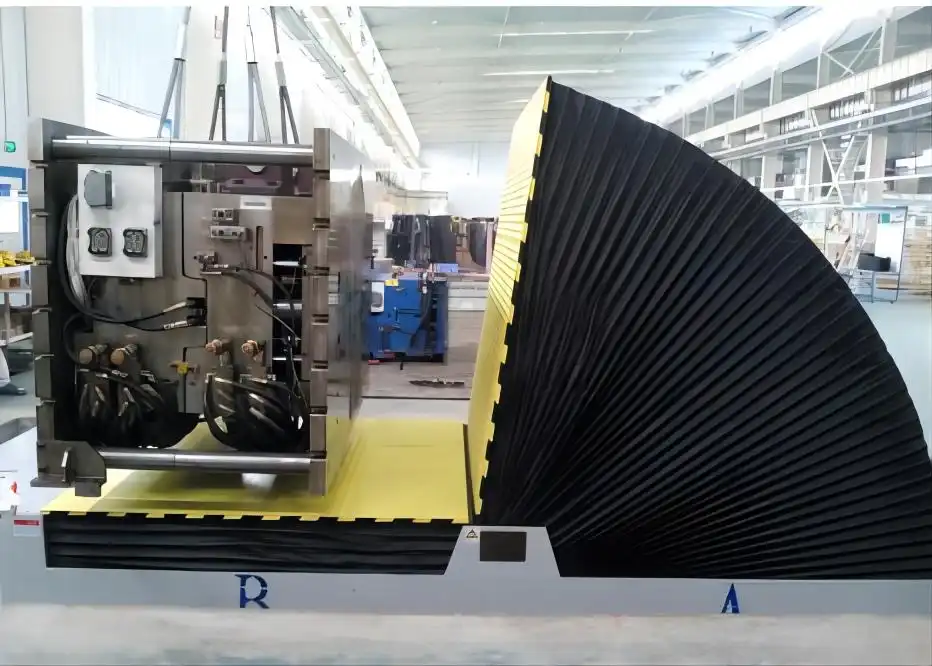
When I first built my packing machine factory, I learned this the hard way. A small sensor issue on a brand-new machine caused a production stop. It cost us a lot. After that, I made sure we checked everything often. This simple step changed how we ran things. It is about being smart. You look for trouble before trouble finds you. This is very important for tilters. They handle heavy loads. A small fault can lead to big danger or damage.
The Hidden Dangers of No Inspections
Machines do not just break down without warning. They show signs. These signs are often small at first. If you do not look, you miss them. For tilters, this could be:
- Small Leaks: A tiny drip from a hydraulic line might seem harmless. But it can mean big trouble. It can cause pressure loss. It can damage other parts.
- Strange Noises: A new squeak or grind means parts are rubbing wrong. This causes wear. It can lead to a full breakdown of bearings or gears.
- Loose Parts: Bolts vibrate loose over time. If not tightened, they can fall off. This can cause parts to misalign. It can damage the whole machine structure.
- Electrical Faults: Frayed wires or bad connections can cause sparks. This is a fire risk. It also makes the machine stop working without warning.
Ignoring these small signs leads to big, unexpected failures. These failures are always more expensive to fix. They also take more time.
Benefits of Routine Checks for Tilters
Regular checks are like health check-ups for your tilter. They keep the machine in good shape.
- Early Problem Finding: You find issues when they are small. This means cheaper fixes. It means less time offline.
- Longer Machine Life: When you fix small things, parts do not wear out fast. This makes the whole tilter last many more years.
- Better Safety: A well-cared-for machine is safer. No loose parts mean fewer accidents. No sudden stops mean less risk to workers. This is very important when moving heavy steel coils or molds.
- Consistent Performance: Your tilter works at its best. It moves heavy items smoothly. It does its job every time. This helps your production flow.
Key Areas to Inspect on a Tilter
You need a clear list of what to check. Here is a simple guide:
| Component Category | What to Inspect | Frequency |
|---|---|---|
| Hydraulics | Fluid levels, leaks, hose condition | Daily / Weekly |
| Electrical | Wire insulation, connections, sensor function | Weekly |
| Mechanical | Bearings, gears, frame cracks, bolt tightness | Weekly / Monthly |
| Safety Features | Emergency stops, limit switches, warning lights | Daily |
| Structure | Welds, paint, signs of rust or damage | Monthly |
By checking these areas often, you keep your tilter strong. You avoid costly surprises. This means more uptime and more profit for your factory.
Can Smart Maintenance Programs Save Money for Spanish Factories?
Some people think maintenance is just a cost. They see it as money going out the door. But this idea is wrong. It can lead to big problems. Factory managers often feel pressure to cut costs. But cutting maintenance is usually the worst place to start.
Smart maintenance programs actually save money. They cut down on expensive emergency repairs. They also reduce product damage. They make equipment last longer. This means you do not need to buy new machines often. This saves a lot of money in the long run.
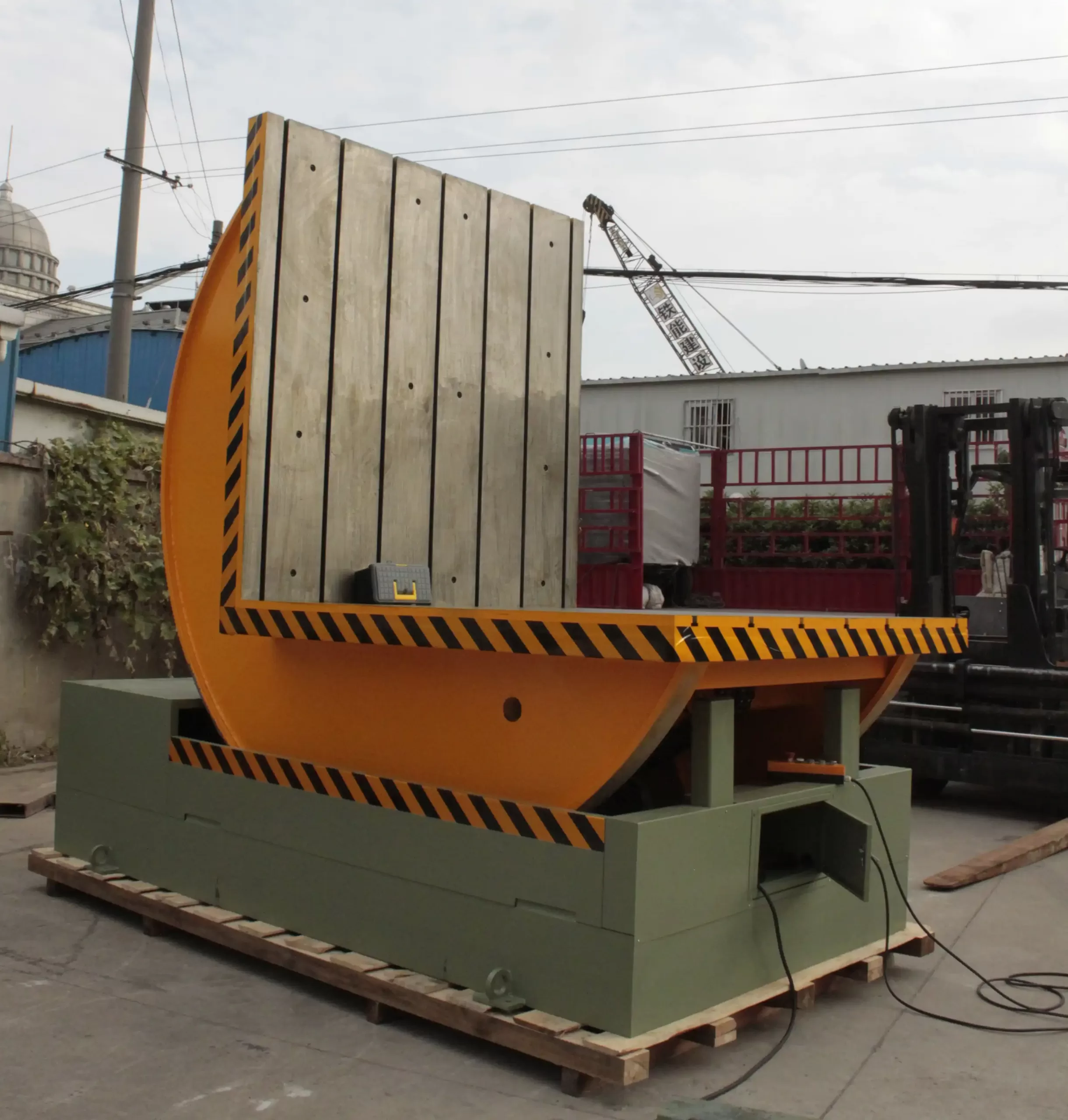
When I built FHOPEPACK, I knew we had to focus on helping clients save money. It is not just about the machine itself. It is about the full picture. My own factory learned this. We saved so much by keeping our machines running well. We did not wait for them to break. This proactive thinking saved us millions. It can do the same for factories in Spain.
Reactive vs. Proactive: The Cost Battle
There are two main ways to handle machine care:
- Reactive Maintenance (Fix-It-When-It-Breaks): This is where you wait for a machine to stop. Then you fix it. This seems cheap at first. But it costs a lot more in the end.
- High Repair Bills: Emergency fixes are expensive. You pay extra for fast service and rushed parts.
- Long Downtime: When a machine breaks, production stops. This means lost output. It means late deliveries.
- More Damage: A small part failure can damage bigger, more expensive parts.
- Safety Risks: Working on broken machines can be dangerous.
- Proactive Maintenance (Preventive Care): This is where you fix things before they break. You follow a plan.
- Lower Repair Costs: Planned repairs are cheaper. You can buy parts at normal prices. You schedule work when it is convenient.
- Minimal Downtime: You schedule maintenance when the factory is not running. Or you use short, planned stops.
- Longer Asset Life: Machines last much longer when cared for. You buy new equipment less often.
- Better Safety: Planned work is safer. It lowers the chance of accidents.








