
Why Is Modular Scalability Essential for Italy’s Small-Batch Production?
Do you run a small-batch production facility in Italy, or anywhere else for that matter? You know the problems well. High costs, slow changeovers, and constant pressure to meet varied demands. These issues do not just slow you down. They eat into your profits and make it hard to compete. You need solutions that work fast and adapt to your needs.
Modular scalability is the answer. It lets factories in places like Italy, known for specialized, small-batch goods, quickly adjust their production lines. This happens without huge investments or long downtimes. It helps them stay flexible, cut costs, and improve their overall output.
It is clear that the manufacturing world keeps changing. This means factories must be able to change too. My journey in the packing machine industry taught me this. I built a successful factory because I understood the need for smart, adaptable solutions. I believe these same principles can help you. Let us explore why modular scalability is not just a good idea but a must-have for today’s specialized production.
How Can Modularity Address Production Bottlenecks in Flexible Manufacturing?
Are your current production lines rigid and slow? Does changing products or sizes lead to long delays and wasted time? This can be a huge headache, especially for small-batch producers who handle many different items. It stops you from being truly agile.
Modularity helps solve these bottlenecks. It means your production equipment is built from separate, interchangeable parts. You can add, remove, or change these parts as needed. This makes your whole system very flexible.
When I started FHOPEPACK, I saw how much time factories lost with fixed machinery. They could not easily adapt. Modularity changes this completely. It gives you the power to redesign your line quickly. This is good for small-batch production because products often change. You might need to make different coil sizes or wire types. With modular systems, you do not need to buy a whole new machine. You just swap out a section. This saves money and time. It also means less downtime. You can reconfigure your line for a new product in hours, not days. This helps you get products out faster. It also lets you take on more varied orders. This makes your business stronger and more competitive.
Benefits of Modular Design
Modular design brings clear benefits to a production line. It allows for quick changes. This means you can switch from one product to another without big problems.
| Benefit | Description | Impact on Small-Batch Production |
|---|---|---|
| Flexibility | Easily reconfigure the line by adding or removing modules. | Handles diverse product ranges and changing order sizes. |
| Reduced Downtime | Swapping modules is faster than rebuilding a fixed line. | Increases uptime and production capacity. |
| Cost Savings | No need to buy entirely new machines for different products. | Lower capital investment and operational costs over time. |
| Future-Proofing | Systems can adapt to new technologies or product types easily. | Protects your investment against obsolescence. |
This approach solves many problems. It means you can make changes on the fly. You are not stuck with equipment that only does one thing. This is important for factories that make specialized goods in small quantities. They need to be ready for anything. Modularity provides that readiness.
How it Helps with Bottlenecks
Bottlenecks happen when one part of your process is slower than others. In small-batch production, this often occurs during packing or handling different product types. For example, if you pack steel coils and then switch to wire coils, the old manual methods can slow everything down.
- Quick Adaptation: Modular packing solutions, like those I help design, can have different modules for different packing materials or product shapes. You can switch these out quickly. This keeps the flow moving.
- Parallel Processing: Sometimes, you can even run different modules at the same time for different small batches. This increases total output.
- Reduced Manual Labor: Many bottlenecks come from human tasks. Modular automation can take over heavy lifting or repetitive packing. This reduces errors and speeds things up.
Think about the time my clients saved. They were able to use their machines for many different tasks. This was not possible before. It helped them ship more products and serve more customers. Modularity is key to keeping your production flowing smoothly.
Does Scalability Truly Reduce Operational Costs and Risks for Small-Batch Factories?
Are you struggling with high labor costs and frequent worker injuries? Do you worry about product damage during handling? These are common issues, especially when dealing with heavy items or complex packing. If your current setup cannot grow with demand, you are losing money and putting people at risk.
Scalability definitely reduces these costs and risks. It means your equipment can grow or shrink with your needs. You can start small and add more capacity later. This avoids overspending and makes your factory safer.
When I first started my own factory, I understood the need for smart investments. I saw how quickly costs could get out of control if you bought too much or too little equipment. Scalability is about smart growth. It means you can invest in what you need now. Then, you can add more as your business grows. This protects your cash flow. It also means you are not stuck with idle machines. For factories like Michael’s, dealing with heavy steel coils, scalability directly impacts safety. Manual handling is very dangerous. It causes many injuries. Automated, scalable systems, like coil tilters or strapping machines, remove the need for human hands in risky areas. This lowers insurance costs. It also keeps your employees safe and reduces turnover. This creates a better work environment. It shows that you care about your team.
How Scalability Lowers Costs
Scalable solutions help save money in several ways. They optimize labor and reduce waste.
- Optimized Labor Costs: Instead of hiring many people for manual tasks, you invest in machines that can do the work of several. As production grows, you just add more automated units. This means you do not need to hire and train many new workers for every increase in demand. You can shift your skilled workers to more complex, value-added tasks.
- Reduced Product Damage: Manual handling of heavy or delicate items often leads to damage. For example, steel coil edges can get bent. This means customer complaints and lost profits. Scalable automated systems handle products consistently and safely. They use specialized grippers or conveyers. This greatly reduces damage.
- Better Resource Use: Scalable systems can be activated or deactivated based on production volume. This saves energy. It also saves on maintenance costs when not in full use. You only pay for the capacity you need.
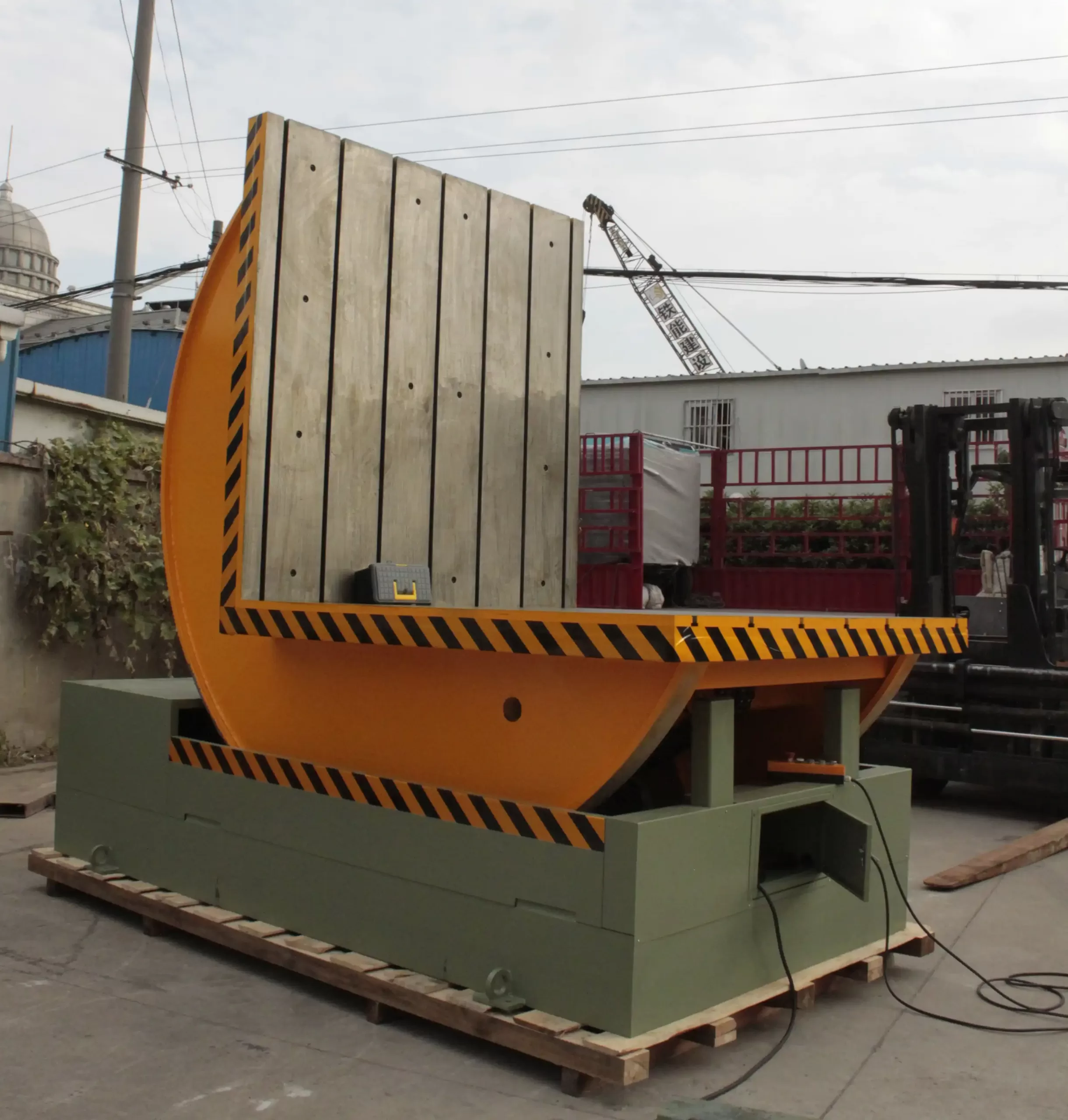
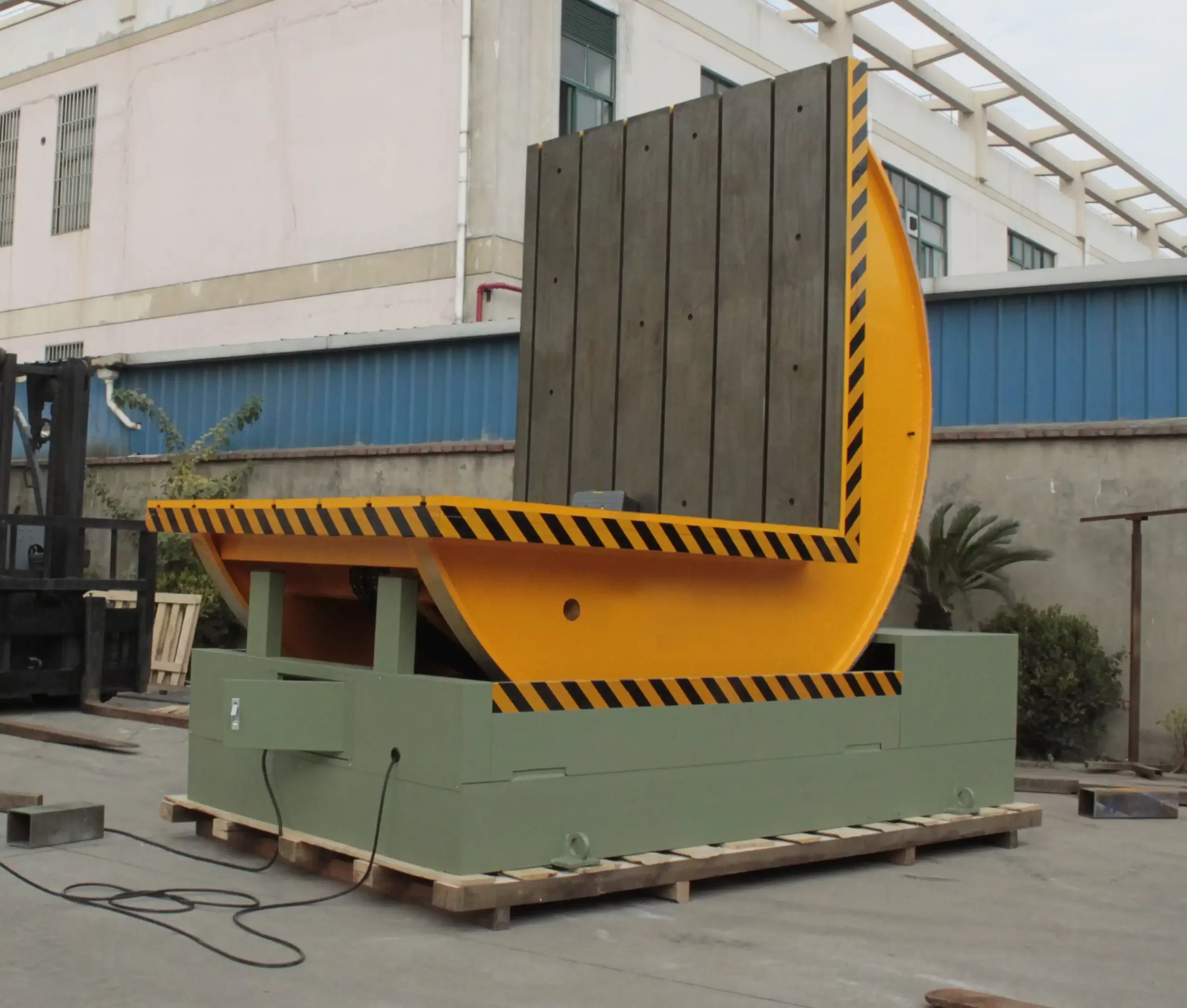
Let me give you an example. One of my clients used to have multiple people just for flipping heavy molds. This was slow and very dangerous. We introduced a modular mold tilter. They started with one. As their production grew, they added another. This significantly reduced their labor costs for that task. It also eliminated injury risks.
Reducing Risks with Scalable Automation
Safety is a huge concern for factory managers. Accidents cost a lot of money and hurt morale.
| Risk Area | Manual Method Problems | Scalable Automation Solution |
|---|---|---|
| Worker Safety | Lifting heavy items, repetitive strain, crushing hazards. | Machines handle heavy loads, reducing human exposure to danger. |
| Product Quality | Inconsistent handling leads to dents, scratches, breaks. | Consistent, precise machine movements protect product integrity. |
| Production Delays | Human fatigue or injury causes unexpected shutdowns. | Machines operate continuously, with planned maintenance. |
| Insurance Premiums | High injury rates lead to increased insurance costs. | Fewer accidents result in lower premiums. |
This systematic reduction of risk is vital. It is not just about avoiding accidents. It is also about building a reliable and predictable operation. My experience has shown me that companies that invest in safety also see better overall performance. When workers feel safe, they are more productive. Scalable automation gives factory managers like Michael the peace of mind they need. They can expand production without expanding danger.
Why Is Adaptable Automation Key to Quality Control in Diverse Production Lines?
Are your product quality levels inconsistent? Do you struggle to maintain high standards across different product types? This often happens with manual processes or fixed automation that cannot adapt. It leads to customer complaints and damages your brand’s reputation.
Adaptable automation is the key. It means your machines can change their settings or tools for different products. This ensures consistent quality, no matter what you are making. It solves the problems of diverse production lines.
When I worked as an engineer, I often saw how human error affected quality. A tired worker might make a mistake. A machine designed for one specific task might damage another type of product. This is why I believe in adaptable automation. It brings precision and consistency. For example, if you pack steel coils, the machine can sense the coil size and apply the right amount of tension to the strapping. If you then switch to a smaller wire coil, the machine adapts automatically. This prevents crushing the wire or having loose straps. This level of precision is hard to achieve with manual labor. It is also difficult with rigid machines. Adaptable automation ensures every product gets the right treatment. This leads to fewer defects and happier customers. It builds trust in your brand.
Ensuring Consistent Quality
Maintaining quality is hard when you make many different products. Adaptable automation helps here.
- Precision and Repeatability: Automated systems perform tasks exactly the same way every time. This removes human inconsistency. For example, a wrapping machine can apply the same number of layers and tension every time. This keeps products safe during transit.
- Built-in Sensors and Feedback: Modern automation often includes sensors. These sensors can detect if a product is not correctly positioned or if a strap is too loose. They can even stop the process or alert an operator. This helps catch errors early.
- Recipe Management: Many adaptable machines can store “recipes” for different products. You select the product, and the machine adjusts its settings automatically. This speeds up changeovers and reduces setup errors.
My clients have told me how much their quality improved after they switched to adaptable systems. They saw fewer returns and better customer reviews. This made a big difference to their business.
Overcoming Challenges of Diverse Production
Diverse production lines face specific quality control challenges. These include varying sizes, materials, and handling requirements.
| Challenge | Manual Process Issue | Adaptable Automation Solution |
|---|---|---|
| Varying Product Sizes | Need different tools or manual adjustments for each. | Machines automatically adjust settings (e.g., width, height). |
| Different Materials | Risk of damage with incorrect handling or pressure. | Adjustable pressure, speed, or tension settings for different materials. |
| Complex Packing Needs | Mistakes in wrapping or securing due to human error. | Programmed sequences ensure precise, consistent packing. |
| High Output Rates | Quality may drop as speed increases due to fatigue. | Machines maintain quality at high speeds without fatigue. |
Adaptable automation means your quality control is not a bottleneck. It becomes a strong point. You can produce a wide range of goods with confidence. Each item meets your high standards. This also helps build a strong reputation in the market. It shows customers that you care about their satisfaction.
My Insights for Your Next Step!
Are you still unsure about making a big investment? Do you worry about choosing the wrong partner? This fear is real. Many suppliers only want to sell you a machine and then disappear. This leaves you alone with problems.
My advice is simple: look for a true partner. Seek out experts who understand your factory’s specific needs and challenges. They will not just sell you a machine. They will offer a solution that truly fits your business and helps you grow.
From my own journey, I know what it takes to build a successful factory. I started FHOPEPACK because I wanted to share this knowledge. I learned that the best investments are not just about the machine itself. They are about the people behind it. It is about their understanding of your industry. It is about their ability to provide ongoing support. When you invest in modular and scalable solutions, you need a partner who can help you implement them. They need to show you the real return on your investment (ROI). They should help you see how these changes will lower your costs, improve safety, and increase your output. This kind of partnership is what helps businesses truly succeed. It is not just about a single sale. It is about building a long-term relationship. It is about helping you achieve your goals.
Finding the Right Partner
Choosing a partner is a big decision. Here are key things to look for.
- Deep Industry Knowledge: Does the supplier truly understand your specific problems? Do they know about metal processing, steel coils, or wire packing? My goal at FHOPEPACK is to share real, practical knowledge.
- Focus on Solutions, Not Just Sales: Do they ask about your production bottlenecks, safety concerns, and quality issues? A good partner will listen first and then suggest solutions. They do not push a standard product on everyone.
- Proven Track Record: Have they helped other factories like yours? Look for case studies or testimonials. My own factory grew because I found solutions that worked. I aim to provide that same success to others.
This kind of partner acts as a guide. They help you navigate the complexities of automation. They make sure your investment pays off.
Maximizing Your ROI
Every investment should bring a clear return. Modular scalability can deliver high ROI.
- Calculate Savings: Look at your current costs for labor, product damage, and downtime. Compare them to the potential savings from automation. For example, if Michael reduces worker injuries by 50% and product damage by 30%, that is a clear financial gain.
- Increased Production Capacity: How much more can you produce with the new system? More output means more sales. This is a direct boost to your profits.
- Future Adaptability: Your investment is protected because the system can change. You do not need to buy new equipment every time your product line evolves. This means your initial investment keeps giving value over many years.
In my experience, the greatest ROI comes from strategic investments. It is not about buying the cheapest machine. It is about buying the right solution that grows with you. This is what I want to share. This is how you really master your wrapping and packing operations.
Conclusion
Modular scalability makes Italian small-batch production strong. It cuts costs, boosts safety, and ensures quality. Partner with experts who understand your needs for true success.








