
How Can Seamless ERP Integration Boost Workflow for UK Mold Tilters?
manual processes often lead to big headaches in factories. are you a factory manager facing slow production, safety risks, and damaged goods? you are not alone. many operations struggle with these exact problems every day. these issues can stop your business from growing and hurt your profits.
seamless ERP integration can boost workflow for UK mold tilters by connecting every part of the operation. this includes everything from ordering materials to shipping finished products. it helps remove manual bottlenecks, improves safety, and cuts down on product damage. this makes the whole production line run much smoother and more efficiently.
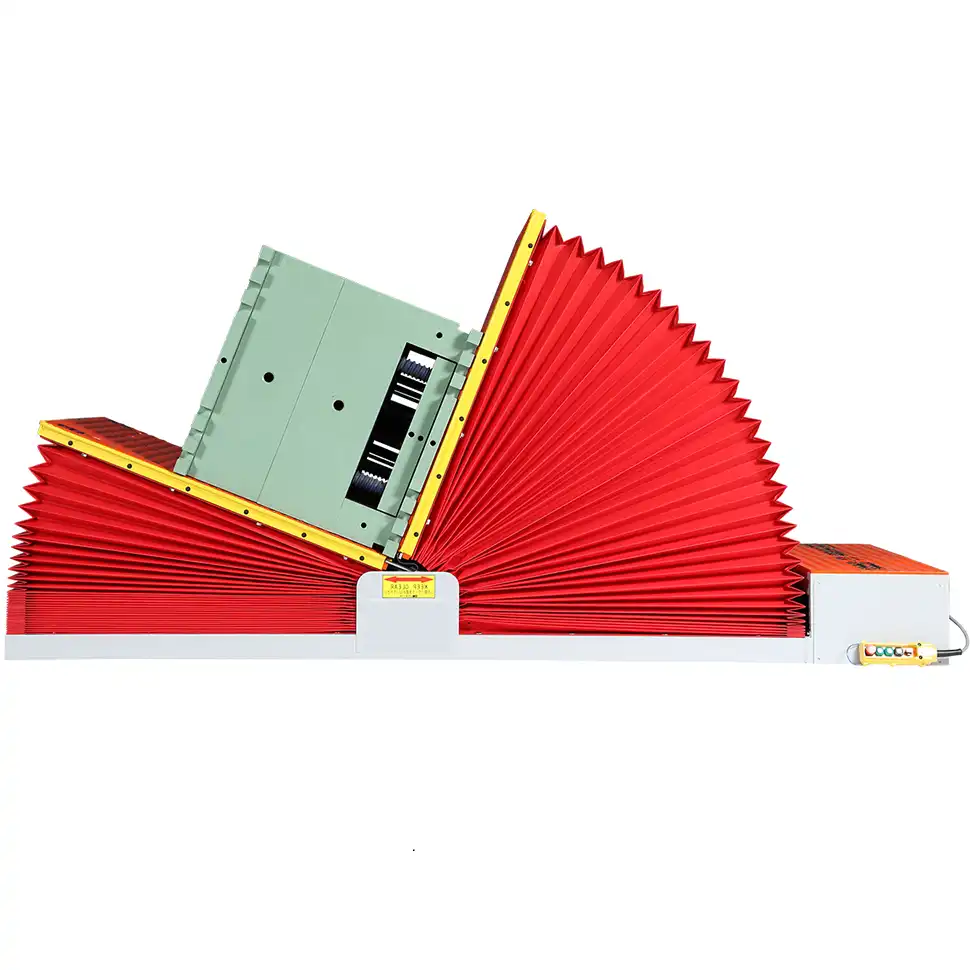
knowing these challenges is just the start. the good news is that smart solutions exist. they can help you overcome these hurdles and make your factory more profitable. let us look at how integrating modern systems can change your operations for the better.
Why Does Manual Mold Handling Hold Back UK Factories?
do you still move heavy molds by hand? this way of working creates huge problems. it is slow. it is dangerous. it also costs a lot of money in the long run. this old method truly slows down your factory’s production.
manual mold handling holds back UK factories because it makes the process slow and inefficient. workers take too much time to move heavy items. this method also creates serious safety risks. there is a high chance of accidents and injuries. these issues increase insurance costs and staff turnover.
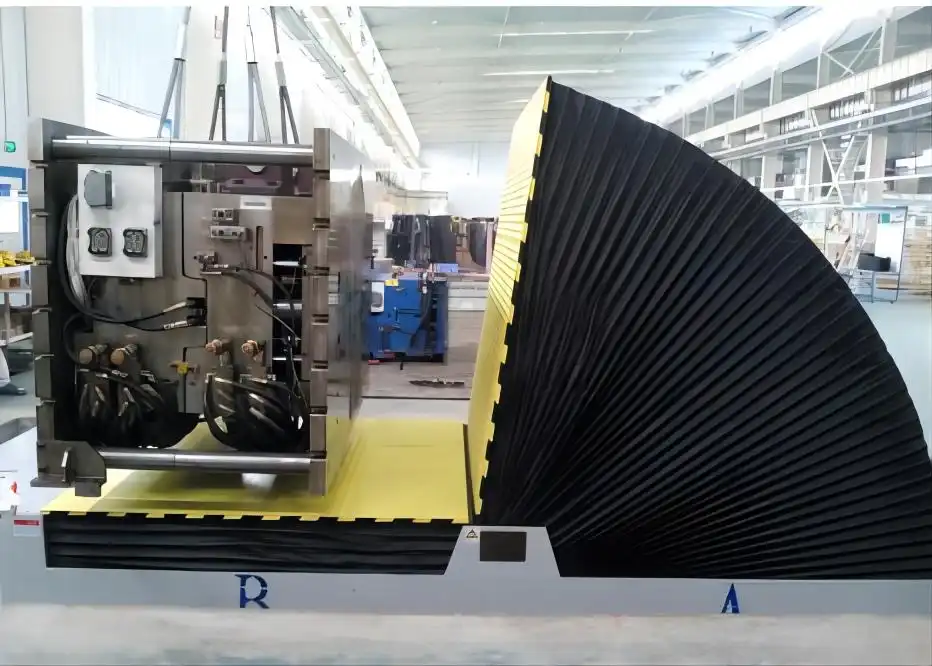
when I started my journey in the packing machine industry, I saw many operations rely on manual handling for heavy items, much like mold handling. I know firsthand how much this can slow down a production line. when I built my own factory, a key part of my strategy was to get rid of these bottlenecks. manual handling in UK factories, especially for heavy mold tilters, causes many problems. it slows down the whole production speed. this impacts how fast products can be made and shipped. workers lifting heavy molds by hand risk serious injuries. this means higher insurance costs for the company. it also means more workers leave their jobs, which adds to hiring and training costs.
besides, molds or finished products can get damaged during manual moving. this leads to lost products and unhappy customers. these problems eat into a factory’s profits. without automated systems, factories cannot easily track mold movements or usage. this makes it hard to manage inventory. it also makes it hard to plan production well. this lack of data means managers cannot make smart choices to improve things. they cannot easily see where delays happen or why products get damaged. it also means safety records are hard to keep. this makes it tough to meet safety rules.
a modern factory needs to move quickly. it needs to be safe. it needs to be efficient. manual mold handling simply cannot meet these needs. it keeps factories stuck in old ways. this stops them from reaching their full potential. it limits how much they can produce. it also limits how much money they can make.
Core Issues with Manual Mold Handling
| Issue Category | Description | Impact on Factory Operations |
|---|---|---|
| Efficiency | Slow movement, labor-intensive, inconsistent speed. | Production bottlenecks, missed deadlines, reduced throughput. |
| Safety | High risk of strains, sprains, crushing injuries, falls. | Increased worker’s compensation, higher insurance premiums, staff absenteeism, potential legal issues. |
| Product Quality | Potential for damage to molds or finished products during handling. | Customer complaints, returned goods, material waste, reduced profit margins. |
| Cost | High labor costs, injury-related expenses, insurance, product loss. | Lower profitability, unexpected budget overruns, poor ROI. |
| Data Visibility | No real-time tracking of mold location, usage, or maintenance needs. | Inefficient inventory management, poor production planning, lack of insights for improvement. |
| Compliance | Difficulty in consistently meeting health and safety regulations. | Fines, penalties, negative public image, increased audits. |
these issues show why manual handling is not a good long-term solution. it creates many problems for factories. it is not just about moving molds. it is about how the whole factory works. it is about safety. it is about money.
How Does Automated Mold Tilting Integrate with Factory Systems?
do you wonder how new machines fit into what you already have? bringing in automated mold tilters might seem like a big step. but it can connect easily with your current factory systems. this integration makes everything work together better.
automated mold tilting integrates with factory systems by using smart technology. this allows mold tilters to talk directly with your ERP system. it can also connect with other factory software, like manufacturing execution systems (MES). this connection lets data flow smoothly across all parts of your operation.
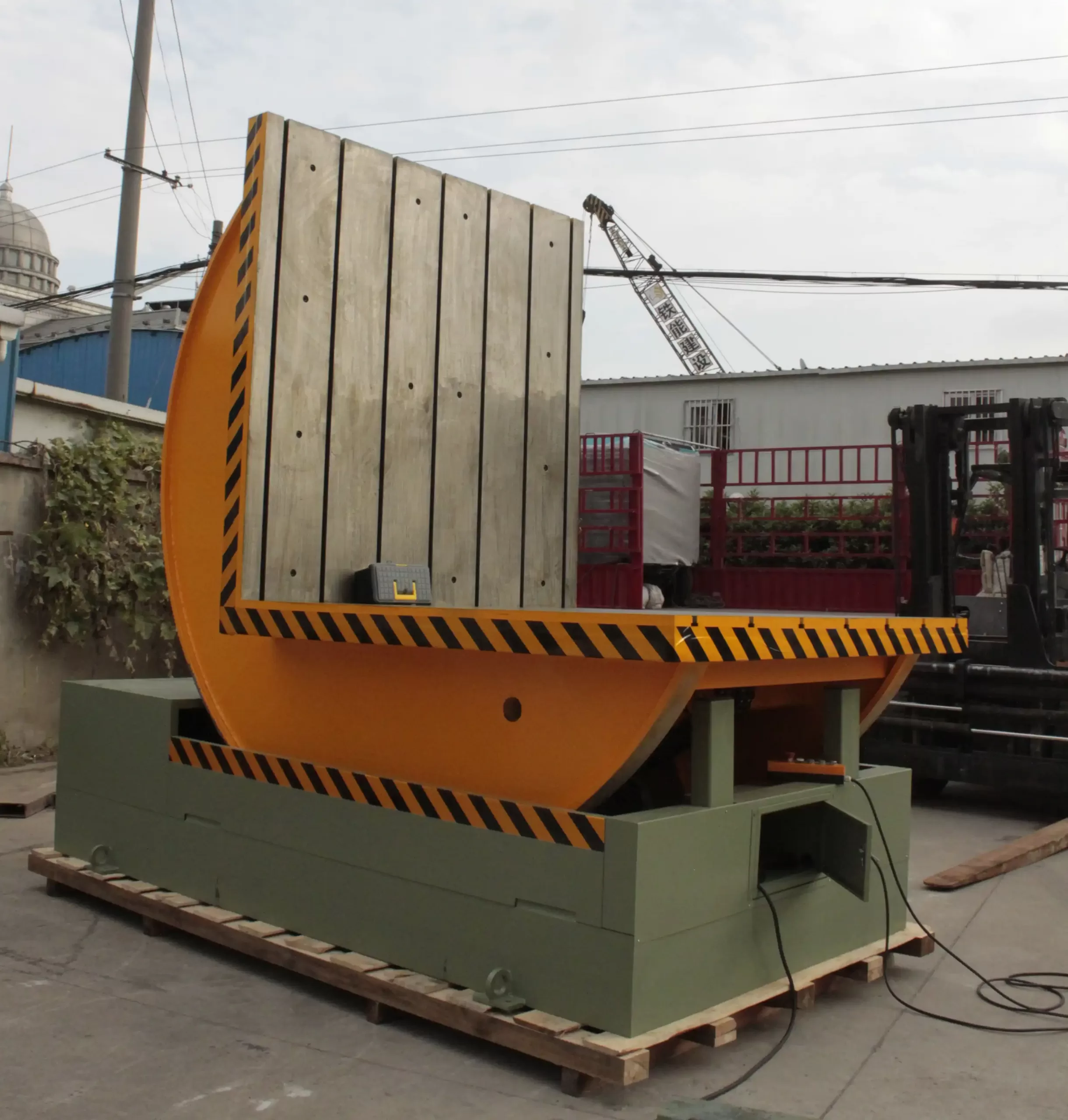
from my time setting up and running a successful packing machine factory, I learned that the true power of automation comes when machines do not work alone. they must talk to each other. they must talk to the main factory system. automated mold tilters are key pieces of equipment. they are designed to move heavy molds safely and efficiently. when these machines are connected to your main factory systems, like an ERP, they become even more powerful. this connection happens through various ways. modern mold tilters often have controllers that can link to a factory’s network. they use standard communication ways, like industrial ethernet protocols. these protocols allow the tilter to send data about its operation directly to the ERP. the ERP can also send commands back to the tilter.
for example, the ERP system can tell the mold tilter which mold needs to be moved next. it can also tell the tilter where to put it. the tilter then sends back information. this includes how long the job took. it also sends details about any issues that happened. this real-time flow of information is vital. it allows the ERP to update inventory automatically. it also helps the ERP track production progress. it even helps with maintenance scheduling. for instance, if a tilter reports many errors, the ERP can flag it for check-ups.
this integration means that human input for data entry goes down. this reduces errors. it also saves time. factory managers get a clear view of mold handling operations. they can see how fast molds are moving. they can see if there are any delays. this helps them make quick decisions. it helps them fix problems before they get big. in simple terms, automated mold tilters become part of the factory’s brain. they work together with other systems. they help make the whole operation smarter and faster. it is not just about having a machine. it is about making that machine a seamless part of your entire workflow.
Integration Points for Automated Mold Tilters
| Integration Point | Description | Benefits for Workflow |
|---|---|---|
| ERP System | Centralized planning, resource management, order processing, inventory. | Real-time inventory updates, automated work orders, accurate cost tracking. |
| MES (Manufacturing Execution System) | Monitors and controls production on the shop floor. | Precise production scheduling, tracking of mold usage, quality control data. |
| WMS (Warehouse Management System) | Manages warehouse operations, material flow, and storage. | Optimized mold storage, efficient retrieval, reduced search times. |
| Maintenance Management | Schedules and tracks equipment maintenance (CMMS). | Proactive maintenance, reduced downtime, extended equipment life. |
| Safety Systems | Integrates with safety sensors and emergency stop protocols. | Enhanced worker safety, automated emergency responses, compliance reporting. |
| Data Analytics | Collects and analyzes performance data from the tilter. | Insights into bottlenecks, efficiency gains, predictive maintenance. |
these integration points create a powerful network. they help factory operations run smoothly. they make sure every part works together.
What Real Savings Come from Smarter Workflow Automation?
are you always looking for ways to cut costs and make more money? investing in new equipment can feel like a big step. but smart automation brings clear financial gains. it is not just about buying a machine. it is about a return on investment that helps your business grow.
real savings come from smarter workflow automation through lower labor costs and less product damage. it also means fewer workplace injuries. this leads to lower insurance costs. the investment in automation pays for itself over time by making operations more efficient. this boosts the factory’s overall profit.
when I was growing my packing machine factory, I always looked for solutions that offered a clear return on investment. I knew that every dollar spent had to bring more dollars back. smarter workflow automation, like using automated mold tilters, brings very real savings to a factory. one of the biggest savings comes from cutting down on manual labor. if fewer people are needed to move heavy molds, then the factory saves money on wages and benefits. this does not mean losing jobs. it means freeing up skilled workers for higher-value tasks. this helps the factory use its human resources better.
another big saving comes from improved safety. manual handling of heavy molds leads to many worker injuries. these injuries cost a lot of money. they mean higher worker’s compensation payments. they also mean higher insurance premiums. when automated mold tilters do the heavy lifting, the risk of injury drops sharply. this reduces these high costs. it also creates a safer place to work. this helps keep good employees. it also makes new employees want to work there.
product damage also goes down. when people move heavy or fragile items by hand, mistakes happen. molds can get scratched. edges can get bent. this leads to waste. it leads to customer complaints. automated tilters handle molds precisely. they do this every time. this greatly reduces damage. less damage means less waste. it also means more happy customers. this leads to more repeat business. it also means higher profits.
finally, automation boosts efficiency. it speeds up the production line. this means more products can be made in less time. this helps the factory meet demand. it helps avoid delays. this higher output, combined with lower costs, directly increases the factory’s overall profitability. the initial cost of automation is an investment. but the payback through saved labor, fewer injuries, less damage, and higher output is significant. it makes the factory stronger and more competitive.
Tangible Savings from Automation
| Savings Category | How Automation Helps | Direct Financial Impact |
|---|---|---|
| Labor Costs | Reduces need for manual lifting and multiple workers for heavy tasks. | Lower wages, benefits, and training costs; reallocation of staff. |
| Safety & Insurance | Minimizes manual handling risks, reducing accidents and injuries. | Lower worker’s compensation claims, reduced insurance premiums. |
| Product Loss | Precise, consistent handling prevents damage to molds and products. | Less waste, fewer customer returns, higher quality output. |
| Increased Throughput | Faster, more consistent processing speeds up the production line. | Higher output volume, ability to take on more orders, improved revenue. |
| Reduced Downtime | Predictive maintenance (from integrated systems) prevents unexpected breakdowns. | Less lost production time, lower repair costs, consistent operations. |
| Energy Efficiency | Modern automated systems can be more energy efficient than older methods. | Lower utility bills, reduced operational overhead. |
these savings add up quickly. they make a strong case for investing in smarter automation. it is a clear path to better financial health for any factory.
My Insights!
after years of working in and building packing machine factories, I have seen a lot. I have faced many of the same challenges factory managers like Michael Chen face. I know the pressure to produce more, cut costs, and keep everyone safe.
my insights come from my own journey of achieving financial independence through the packing machine industry. I am now dedicated to giving back. I want to help others succeed. a reliable, efficient partner is key. a partner who truly understands your production issues. they should know your safety worries and your need for efficiency. they must also offer real solutions.
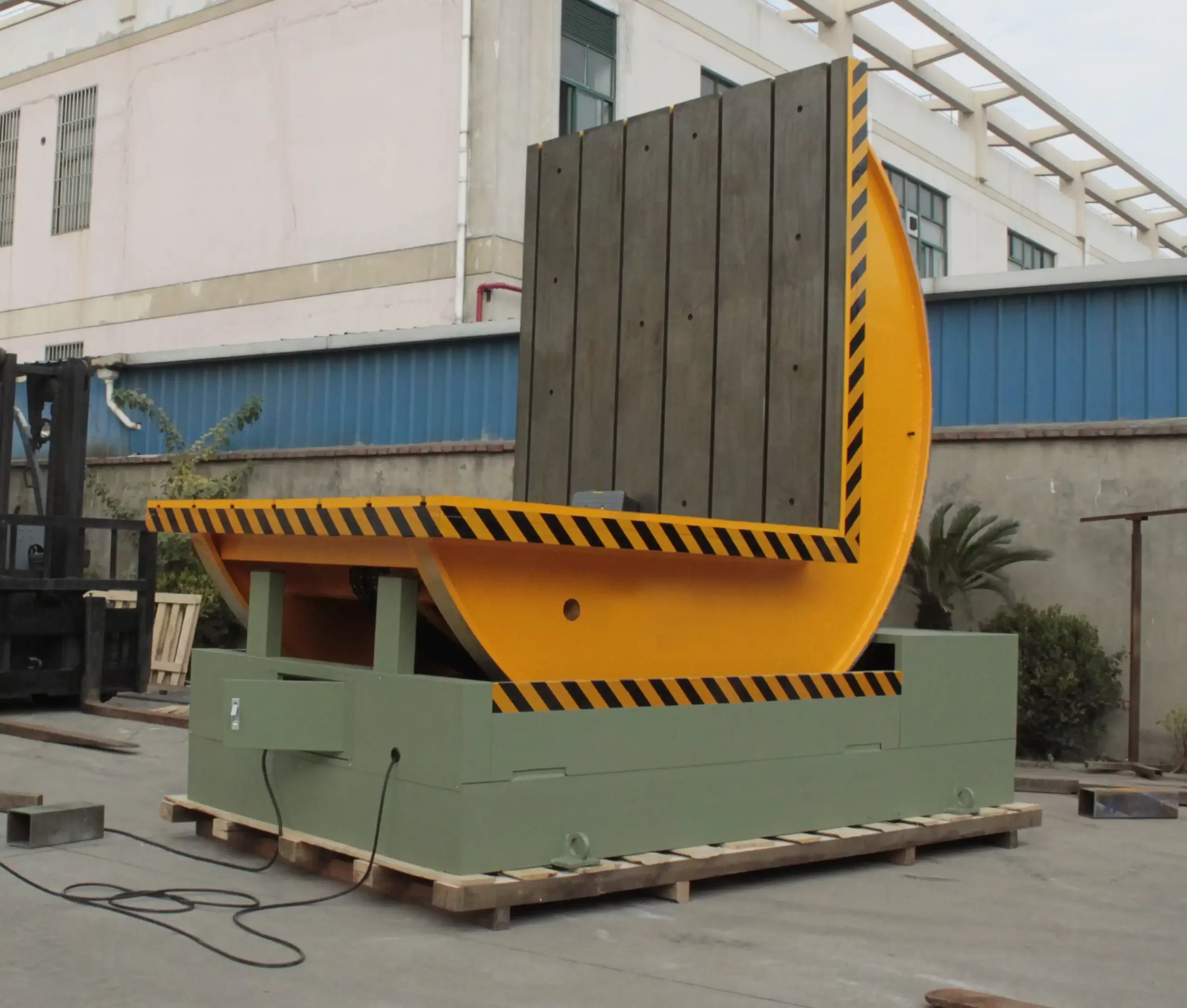
my journey from an employee to owning a successful packing machine factory taught me many lessons. one big lesson is that you cannot just buy a machine and expect magic. you need a true partner. this partner must understand your specific problems. they should not just be interested in selling you something. they should want to help you grow your business. for factory managers like Michael, finding such a partner is critical. Michael needs to solve real problems. he has efficiency bottlenecks. he has serious safety risks. he worries about product damage. he also distrusts suppliers who only care about sales.
this is why I started FHOPEPACK. I wanted to share knowledge. I wanted to help others navigate the complexities of factory operations. I know that investing in equipment, like mold tilters, is a big decision. it must bring clear benefits. it must show a good return on investment. when I work with clients, I always focus on their unique challenges. I think about how a solution will truly fit their needs. I think about how it will improve their bottom line. I also think about how it will make their workplace safer.
it is not enough to just provide equipment. a true partner offers ongoing support. they offer expertise. they help you integrate the new systems. they make sure you get the most out of your investment. they understand that a successful factory is built on trust and reliable solutions. this is what I strive to provide at FHOPEPACK. I want to share my insights to help you build a stronger, safer, and more profitable factory. my goal is to make mold knowledge and efficient machine solutions accessible to all. I want to help you solve your biggest challenges.
Conclusion
seamless ERP integration helps UK mold tilters. it cuts costs, boosts safety, and raises efficiency. this makes factories more profitable.








