
Which Modular Designs Support Britain’s SME Toolrooms?
Many factory managers face a tough problem. Their current handling and packaging processes are slow. This causes huge delays in production. It also means higher costs and more risk for workers. This situation can stop a factory from growing.
Modular designs offer a real answer to these problems. They provide flexible and scalable solutions that help small and medium-sized toolrooms in places like Britain become more efficient. These designs let factories add new functions as they need them. This makes operations smoother and safer. Modular systems mean less manual work and faster turnaround times for heavy items, like steel coils or molds.
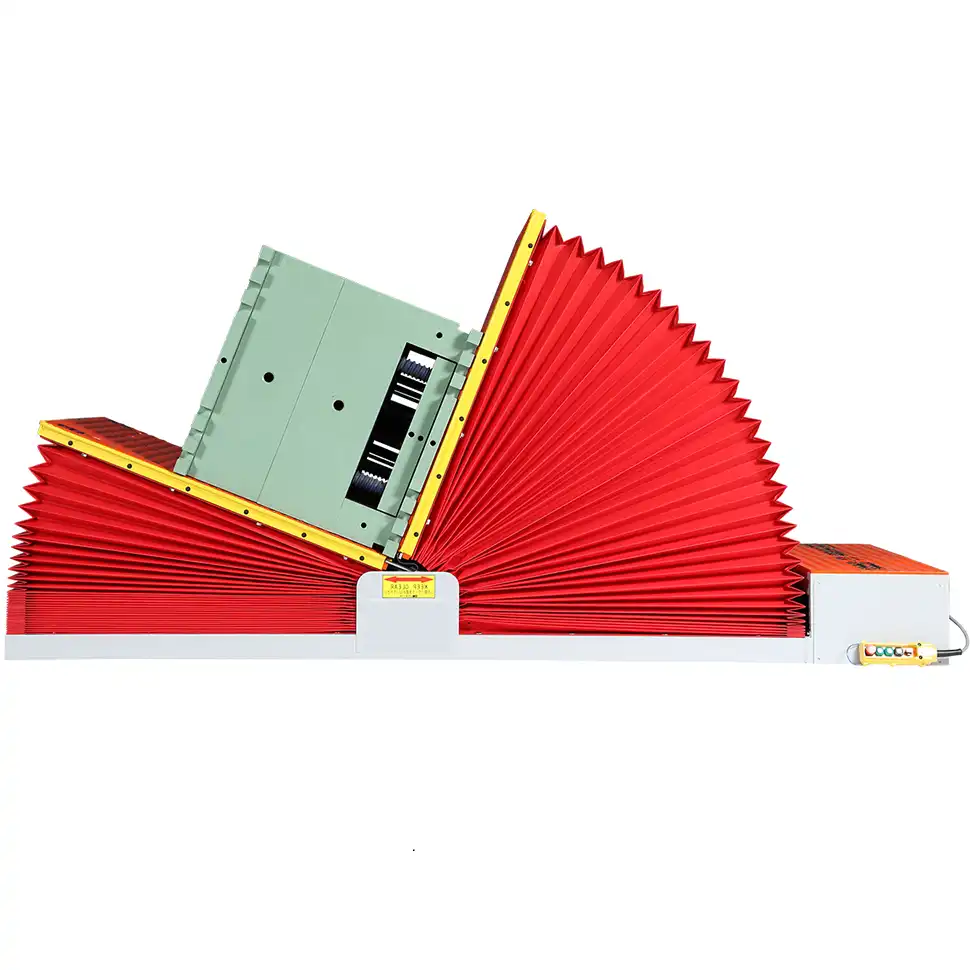
You might be wondering how these modular designs can truly change your factory. I have seen many factories grow and improve by using smart equipment. Let’s look at how specific modular solutions can help your business.
How do modular designs boost factory output?
Is your factory struggling with slow production lines? Many businesses rely on too much manual work for heavy items. This creates bottlenecks and slows everything down. Such delays cost money and limit how much you can produce each day.
Modular designs fix this. They bring automation into your factory in a smart way. This means less manual work and much faster processes. By using specialized machines that fit together, factories can move heavy items quickly and without interruption. This directly leads to more products made and shipped.
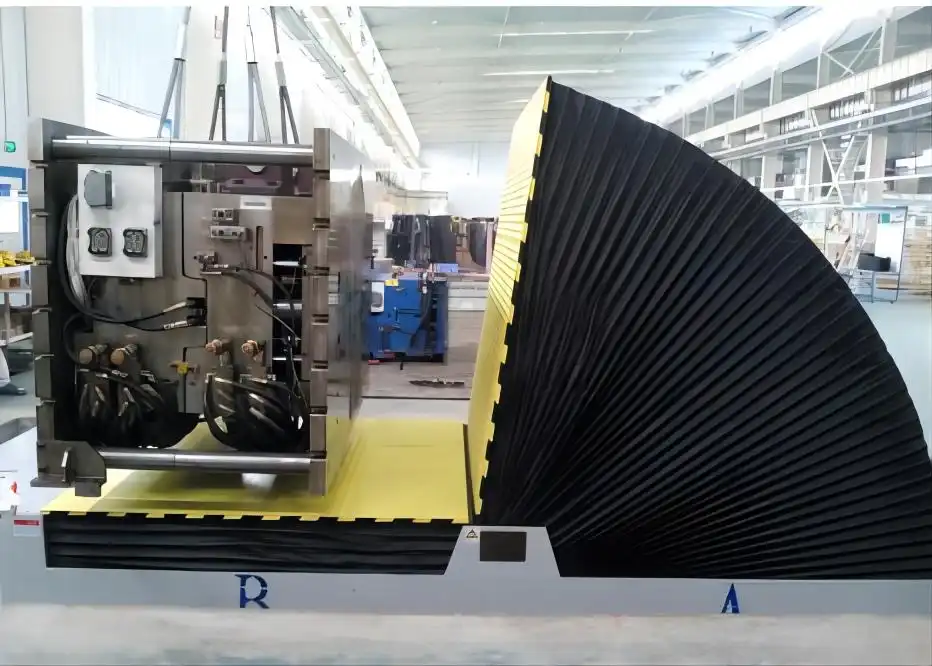
Modular designs are about more than just adding machines. They are about redesigning the workflow to remove slowdowns. When I started my own packing machine factory, I saw how much time manual processes wasted. We focused on making every step count. This idea is at the heart of modular equipment. It allows you to add specific units, like a mold flipper or a coil tilter, to handle heavy objects. These machines replace slow and risky human tasks with fast, precise movements. For example, flipping a heavy mold by hand can take many workers and a lot of time. A mechanical flipper does it in minutes with one operator. This speed means your next process can start sooner. It keeps the whole production line moving smoothly. This is especially important for medium-sized factories. They need to compete with bigger companies. Speed and efficiency give them an edge.
Streamlining Workflow with Modular Units
Modular units help factories streamline their workflow. You can integrate them into existing lines. This means you do not have to tear down your whole factory. Instead, you add units where they are most needed. For example, a heavy-duty lift table can move large steel coils from one conveyor height to another. This removes the need for forklifts or cranes at every step. This reduces handling time. It also makes the process more continuous. This kind of flexibility is great for SME toolrooms. They often have less space. They also have varied production needs. They can configure these units to fit different product sizes. They can also change them for different operations. This adaptability means the equipment keeps working for you, even as your products change.
Improving Throughput in Busy Factories
Improving throughput is a main goal for any factory manager. Modular designs directly help with this. They reduce the time it takes to complete each task. Consider a factory packing steel wire. Manually wrapping each coil takes a long time. It also requires several people. An automated coil wrapper, which is a modular unit, does this much faster. It uses less labor. This speeds up the packaging process. It also frees up workers for other important tasks. The table below shows the clear difference between old and new methods.
| Feature | Manual Process | Modular Automated Process |
|---|---|---|
| Speed | Slow, depends on worker speed | Fast, consistent machine speed |
| Labor Needs | High, multiple workers needed | Low, often one operator or none |
| Consistency | Varies with worker fatigue | High, precise and repeatable |
| Bottlenecks | Common, especially for heavy items | Reduced, smooth flow |
| Scalability | Hard to increase output quickly | Easy to add more units for higher output |
This kind of automation helps busy factories keep up with demand. It lets them take on bigger orders. It also improves their delivery times.
Can modular solutions make heavy lifting safer for workers?
Are your workers at risk from manual handling? Lifting heavy molds or steel coils by hand is very dangerous. It causes many injuries. These injuries lead to high insurance costs. They also cause skilled workers to leave. This makes it hard to keep a stable workforce.
Modular solutions directly address these safety problems. They are designed to move heavy objects without human hands. This reduces the risk of accidents. It also creates a much safer workplace. This protects your most valuable asset: your people.
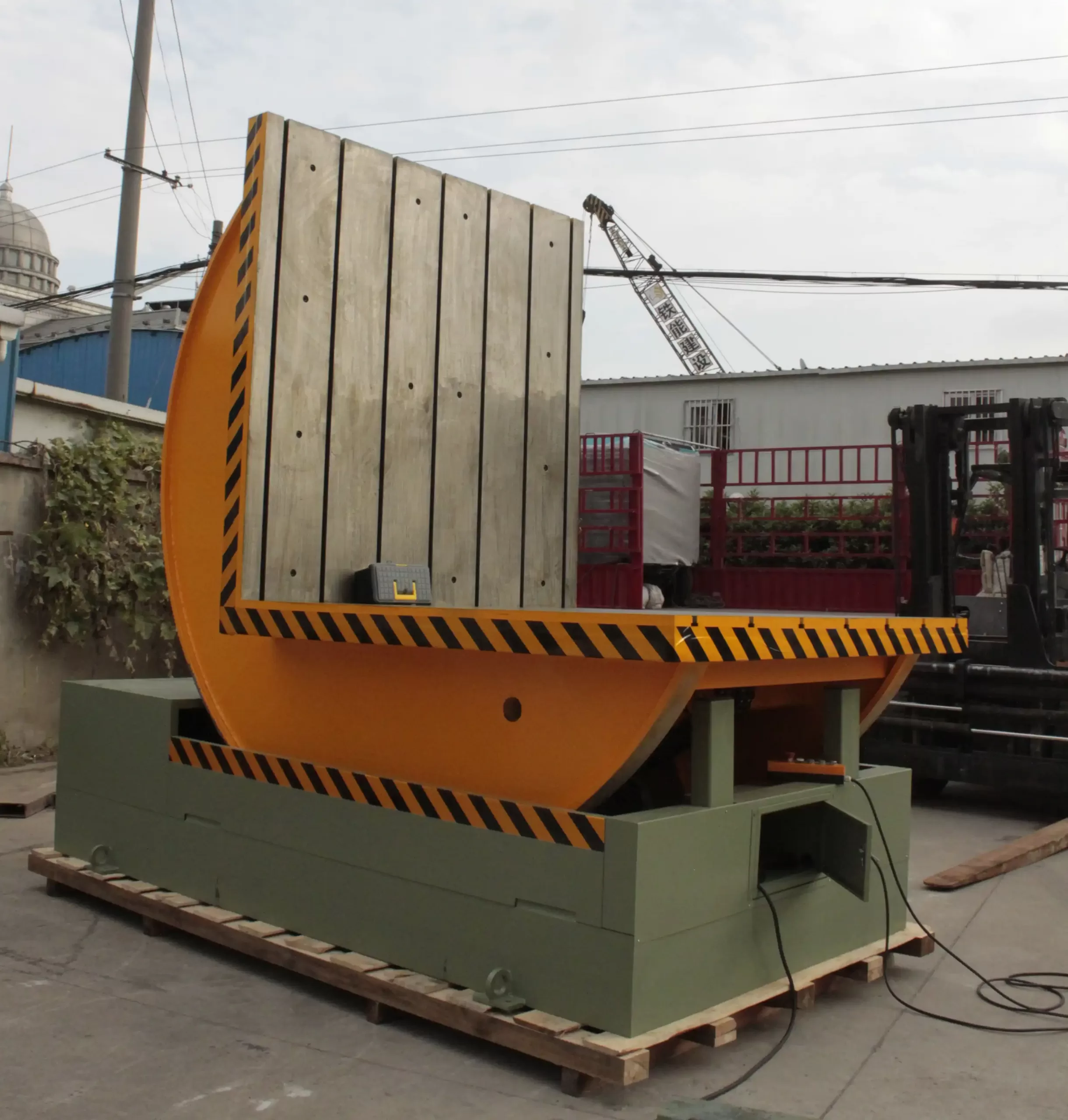
Safety should always be a top concern for any factory manager. When I was starting out in the packing machine industry, I saw firsthand the dangers of manual labor. Workers strained their backs. They risked crushing injuries. It was clear that a better way was needed. Modular equipment, like mold tilters and flipper lift tables, provides that better way. These machines take the heavy lifting away from people. They are built to handle very heavy weights, sometimes many tons. This means workers do not have to bend, twist, or lift awkward loads. This reduces the chance of muscle strains and serious accidents. For example, a mold tilter can rotate a heavy mold safely. Workers can then access different parts of it without moving it by hand. This makes the job safer. It also makes it easier.
Protecting Workers from Manual Handling Risks
Manual handling of heavy objects is a main cause of workplace injuries. These injuries range from back pain to broken bones. They can even cause death. Modular equipment helps protect workers from these risks. Machines like automated pallet inverters eliminate the need for workers to physically flip heavy pallets. This is very common in metal processing factories. Without these machines, workers must use forklifts in risky ways. They might even try to flip pallets by hand. This creates huge danger. By using a machine, the risk is almost zero. This leads to fewer insurance claims. It also creates a happier workforce. Workers feel safer. This improves morale. It also reduces staff turnover. This is good for any factory, especially in skilled areas like toolrooms.
Enhancing Workplace Safety Standards
Adopting modular equipment also helps factories meet and even exceed safety standards. Governments in places like Britain have strict rules about manual handling. Companies must show they are protecting their employees. Investing in automated solutions shows a commitment to worker safety. This can improve your company’s reputation. It can also help avoid fines. Automated systems remove the human error factor often linked to accidents. For example, a system that automatically packages steel wire coils reduces the risk of entanglement or crushing. This happens when workers manually wrap the coils. Every piece of equipment is designed with safety features. These include emergency stops and safety sensors. This ensures that operations are not just fast, but also secure. My experience taught me that a safe factory is a productive factory. When workers feel safe, they work better. They are also more likely to stay with the company long-term.
How do smart designs cut losses and save money?
Are you losing money because of damaged products? Many factories face this problem. Products like steel coils or delicate molds can get damaged during handling. This means customer complaints and lost profits. It directly impacts your bottom line.
Smart, modular designs solve this. They protect your products from start to finish. This reduces waste and cuts down on rework. Investing in these systems means you save money in the long run. You also improve your profit margins.
When I built my packing machine factory, I learned that every bit of waste affects profit. Damaged goods are not just a nuisance. They are a direct loss. Modular handling systems are designed to minimize this. They use precise movements. They also have gentle handling mechanisms. This ensures that heavy or fragile items are moved without harm. Think about steel coils. Their edges are easily damaged during rough handling. A specialized coil tilter or wrapper protects these edges. This means fewer damaged products. It also means fewer rejections from customers. This directly impacts your company’s reputation and financial health. This focus on protecting the product is crucial for factories aiming for high quality.
Reducing Product Damage and Waste
Product damage is a common problem in heavy manufacturing. It happens during internal transport. It also happens during packaging. Each damaged item means lost money. It also means unhappy customers. Modular equipment is engineered to prevent this. For example, a heavy-duty packaging line for steel wire coils uses precise alignment. It also applies consistent tension during wrapping. This prevents the wire from getting scratched or tangled. For molds, specialized flippers and tilters ensure gentle rotation. They also provide stable support. This stops corners from chipping or surfaces from scratching. These machines treat valuable products with care. This reduces scrap rates. It also boosts customer satisfaction. Less waste means more profit for your factory. It also means a stronger market position.
Maximizing Return on Investment (ROI)
Investing in new equipment is a big decision for any factory manager. You need to see a clear return on that investment. Modular designs offer excellent ROI. They do this in several ways. First, they reduce labor costs. Automated systems need fewer workers for the same output. Second, they cut down on product damage. This reduces material waste. It also lowers the cost of rework. Third, they improve safety. This means fewer accidents. It also means lower insurance premiums. My own journey showed me that smart investments pay off. I achieved financial independence through efficient operations. I focused on solutions that brought real value. Modular systems do this by increasing output. They also lower ongoing costs. They also improve safety. All these factors add up to a strong financial return. This makes them a wise choice for any factory looking to grow.
Why is a strong supplier relationship key for long-term success?
Have you ever worked with a supplier who cared only about the sale? Many factory managers have had this bad experience. Poor after-sales service leaves you stranded. It means your new equipment might not run well. This leads to more problems, not fewer.
A strong supplier relationship is key for long-term success. You need a partner who understands your challenges. This partner should offer expert guidance. They should also provide reliable support. This kind of relationship helps your business grow and thrive.
I know how important it is to find the right partner. My journey began as an employee. Then I built my own successful packing machine factory. I learned that trust and expertise are everything. I helped many clients grow their businesses. This happened because I understood their pain points. I gave them solutions that truly worked. This is the kind of relationship you need. You want a supplier who listens to your challenges. These can be production bottlenecks, safety issues, or efficiency problems. They should offer professional insights. They should also provide reliable solutions. It is not just about buying a machine. It is about getting a partner who cares about your factory’s success.
Beyond the Sale: The Value of Partnership
Many suppliers simply sell you a machine. Then they move on. This is not enough for complex industrial equipment. You need a partner who provides support even after the purchase. This includes installation help. It also includes training for your staff. Most importantly, it includes ongoing maintenance and parts supply. A true partner understands that your success is their success. They will make sure your equipment runs well for years. They will help you solve problems. They will also help you adapt as your factory’s needs change. This long-term commitment prevents costly downtime. It also ensures your investment keeps providing value.
Gaining Insight from Industry Veterans
Working with industry veterans like me brings huge benefits. I have spent years in the packing machine field. I have seen many types of factories. I have faced many of the same challenges you do. This experience allows me to offer practical advice. I can help you pick the right modular designs. I can also help you integrate them into your factory. My team and I understand the specific needs of metal processing plants. We know about handling heavy steel coils. We also know about managing complex manufacturing processes. This deep knowledge means we can offer solutions that are proven to work. We are not just selling machines. We are sharing expertise. We want to help your business achieve its goals. We are dedicated to giving back to the industry that gave me so much.
Conclusion
Modular designs offer clear benefits for factories handling heavy items. They boost output, improve safety, and save money. Partnering with experts ensures long-term success for your business.








