
Why Is Modular Design Critical for Germany’s Just-In-Time Production?
Have you ever faced a bottleneck on your factory floor? That feeling when one part of your production line slows everything down? It is frustrating, and it costs money. Many factory managers, especially those in high-volume industries like steel or heavy manufacturing, deal with this. They need solutions that keep things moving fast and efficiently.
Modular design is very important for German Just-In-Time (JIT) production. It helps factories make things faster and with less waste. This design method breaks down complex systems into smaller, independent parts. These parts can then be put together quickly. This makes production lines flexible and efficient. It also helps businesses meet customer demands right away. This is key for JIT, which aims to reduce inventory and improve flow.
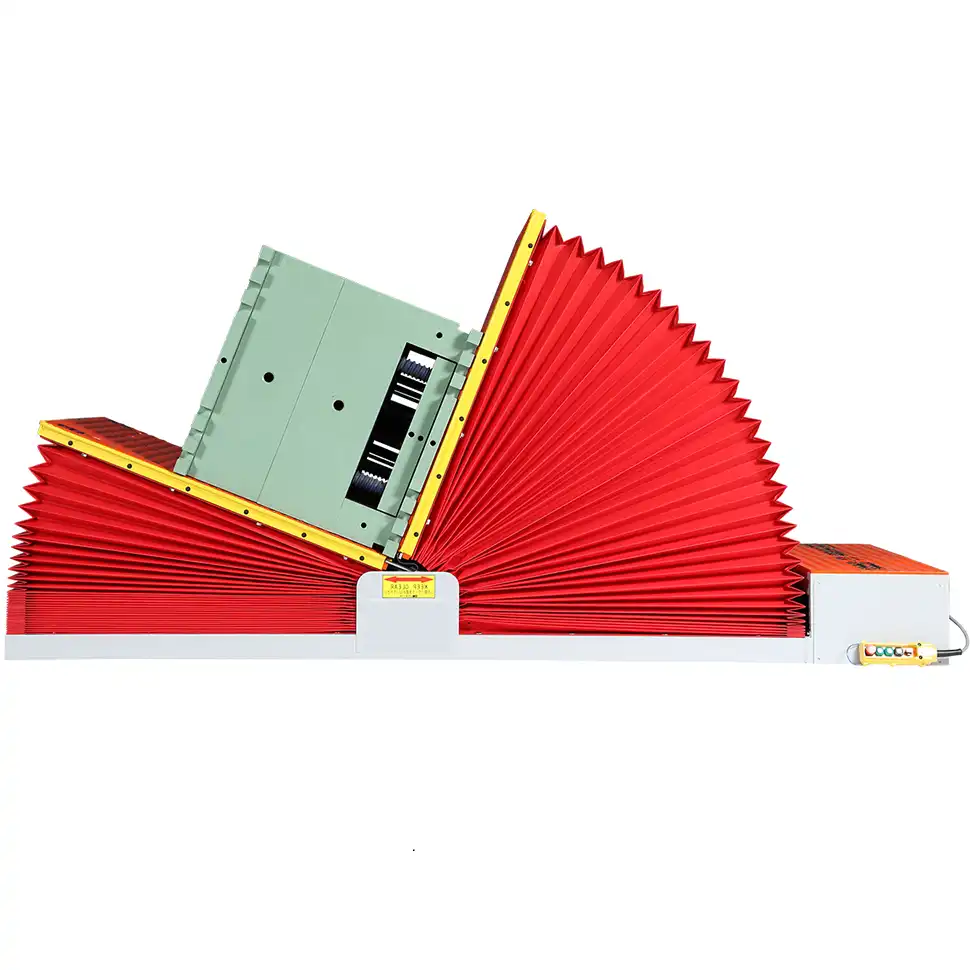
Understanding how this works can change your factory’s future. If you are struggling with outdated processes or high costs, then modular design offers a clear path forward. Let us dive deeper into why this concept is so vital for modern manufacturing.
Why Does Modular Design Improve Efficiency in JIT Production?
Is your production process slow and full of manual steps? Are you seeing delays in getting products out the door? This can really hurt your business. Many factories still rely on old ways of doing things. This makes them less competitive.
Modular design boosts efficiency in JIT production. It lets factories build or change their lines very fast. Workers can add or remove modules as needed. This means less downtime. It also makes it easier to fix machines. If one part breaks, you just swap it out. You do not stop the whole line. This keeps products flowing. This is vital for JIT, which needs continuous movement.
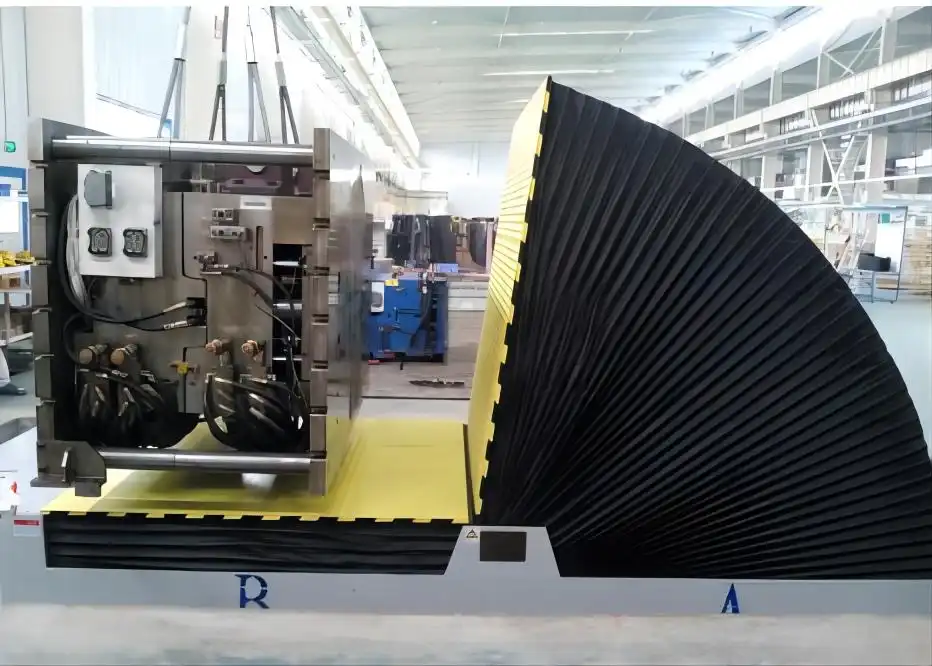
Modular design directly impacts how quickly and smoothly products move through a factory. I have seen this first-hand in my own journey. When I started my packing machine factory, I learned that every minute of downtime meant lost revenue. My clients, who often dealt with heavy steel coils or wire, faced similar issues. If their packing line stopped, their entire production schedule could collapse. Modular equipment addresses this by making repairs and upgrades simple. For example, imagine a steel coil packing machine. If it is built with modular components, a faulty motor or a worn-out sensor can be replaced without overhauling the entire system. This is a game-changer for overall equipment effectiveness (OEE).
Speed of Assembly and Disassembly
Modular parts are designed to fit together easily. This means machines can be assembled quickly. If a factory needs to change its setup, it can also take apart the modules fast. This saves a lot of time. It means less time waiting. It means more time producing. In JIT, speed is everything. You want to make things as soon as the order comes in. Modular design helps with this. It cuts down on setup times.
Reduced Downtime
When a machine breaks down, a factory loses money. With modular design, you do not have to stop the whole line. If a part fails, you simply replace that specific module. You do not need a complete machine overhaul. This makes repairs faster. It also lets factories keep spare modules on hand. They can swap them out quickly. This keeps production running. It reduces costly stoppages. This directly helps JIT systems work better.
Optimized Workflow
Modular layouts allow for better factory flow. You can arrange modules to match your specific production steps. This prevents bottlenecks. It also makes it easier to move materials. Workers can do their jobs more efficiently. They do not have to move around as much. This saves time and effort. It makes the entire process smoother. It helps meet high production targets.
| Aspect | Traditional Design | Modular Design |
|---|---|---|
| Setup Time | Long, complex assembly | Quick, plug-and-play assembly |
| Repair Time | Extensive troubleshooting, full shutdown | Fast module swap, minimal downtime |
| Adaptability | Rigid, difficult to change | Flexible, easy to reconfigure |
| Inventory Needs | High spare part inventory | Lower, specific module inventory |
How Does Modular Design Reduce Costs for German Manufacturers?
Are your current production methods leading to high operational costs? Are you holding too much inventory, or seeing too much waste? These issues eat into your profits. Many companies struggle to keep costs down while still producing quality goods.
Modular design cuts costs for German manufacturers. It lowers inventory levels. Factories do not need to store many different parts. They just store standard modules. This saves warehouse space. It also reduces waste. You only make what you need. This aligns perfectly with JIT principles. It also simplifies maintenance. This means less money spent on repairs. It makes production more affordable.
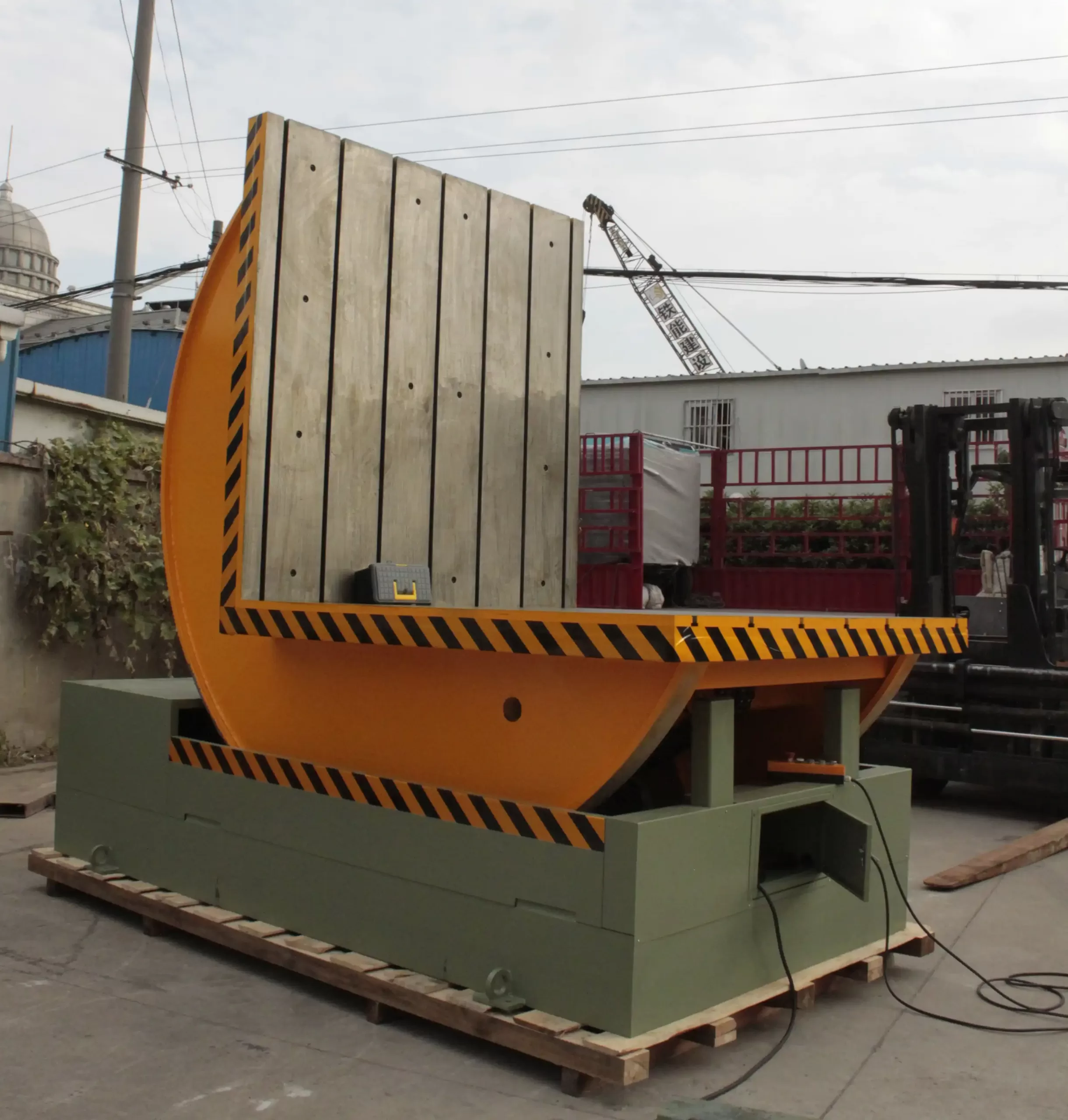
Cost reduction is always a top priority for factory managers like Michael Chen. When I started FHOPEPACK, I knew that for our packing machines to be truly valuable, they had to offer a clear return on investment. This meant not just improving output, but also cutting down expenses. Modular design helps achieve this. For instance, in coil packing, if a custom part breaks, it might take weeks to get a replacement, costing thousands in lost production. With modularity, a standard part is on the shelf, ready to go. This drastically cuts down on idle time and ensures machines like our coil wrapping solutions keep running without long, expensive stops. My journey taught me that financial independence comes from smart, efficient operations, and modular design is a big part of that.
Lower Inventory Costs
Traditional manufacturing often requires a large inventory of many unique parts. This ties up capital. It also needs a lot of storage space. Modular design simplifies this. Factories can stock fewer, standardized modules. These modules can be used in different machines or configurations. This cuts down on inventory levels. It frees up money. It also saves warehouse space. This directly lowers overhead costs.
Reduced Waste and Rework
When products are made in a highly integrated system, errors can be costly. They might require reworking entire assemblies. Modular design helps prevent this. Each module is tested independently. This means defects are caught earlier. If a module is faulty, it can be replaced before it impacts the final product. This reduces waste. It also cuts down on the need for expensive rework. It makes production more lean.
Simplified Maintenance and Training
Modular equipment is easier to maintain. Technicians only need to understand specific modules. They do not need to know the whole machine inside out. This simplifies training for maintenance teams. It also makes repairs faster. Workers can quickly identify and replace a faulty module. This reduces labor costs for maintenance. It also means less time spent on training new staff. This directly contributes to lower operating expenses.
Energy Efficiency
Sometimes, modular systems can be designed to be more energy-efficient. You can power only the modules you need at a given time. This contrasts with large, integrated machines that might consume power even when parts are idle. By optimizing energy use, factories can save on electricity bills. This is another way modular design contributes to cost savings. It makes operations more sustainable and economical.
Is Modular Design Key to Adaptability in German Factories?
Are your production lines rigid and hard to change? Does new customer demand or market trends leave your factory struggling to adapt? Many businesses find themselves stuck with outdated setups. They cannot pivot quickly to new opportunities.
Modular design is very important for adaptability in German factories. It lets them change their production lines fast. Factories can add new modules or take out old ones. This means they can make different products. They can also handle changing customer orders. This makes them flexible. They can quickly meet new demands. This is key in today’s fast-changing market. This helps factories stay competitive.
Adaptability has always been crucial in manufacturing. From my early days as an employee in a packing machine factory to establishing my own business, I saw how quickly client needs could shift. One day they needed a specific coil packing solution, the next they might need something for steel wire. If my equipment was not adaptable, I could not help them grow. Modular design is the answer. It is like having a set of LEGO bricks for your factory. You can build what you need today, and easily rebuild for tomorrow. This flexibility means less capital expenditure on entirely new machines when requirements change. It extends the life of your investment. It also makes it easier to respond to supply chain disruptions or new product launches.
Responding to Market Changes
Markets change very fast. Customer preferences shift. New products come out all the time. Factories need to keep up. Modular design allows them to do this. They can quickly reconfigure their lines. They can produce new types of goods. They can also adjust production volumes. This means they are not stuck with old ways of making things. They can respond to what customers want.
Customization and Personalization
Many customers want personalized products. They do not want mass-produced items. Modular design helps factories offer this. They can use different modules to create unique products. This means they can cater to individual customer needs. This helps them stand out from competitors. It also opens up new business opportunities. Factories can serve niche markets better.
Future-Proofing Investments
Investing in factory equipment is a big decision. You want it to last. You also want it to be useful in the future. Modular design helps future-proof your investment. You can upgrade individual modules as technology improves. You do not have to buy a whole new machine. This saves money in the long run. It also means your factory stays modern. It keeps up with the latest advancements without massive overhauls.
Scalability
As businesses grow, they need to increase production. Modular design makes scaling up easy. You can simply add more modules to your existing line. You do not have to build a new factory. You do not need to buy entirely new machines. This helps factories expand operations smoothly. It also makes it easier to scale down if demand drops. This offers great flexibility for managing production capacity.
Can Modular Design Enhance Safety and Quality in High-Speed Lines?
Are you worried about worker safety on your heavy-duty production lines? Are your current processes leading to product damage, affecting quality and customer satisfaction? Many factories face these issues, especially when handling heavy materials like steel.
Modular design can improve safety and quality in high-speed lines. It reduces the need for manual handling of heavy items. This cuts down on worker injuries. It also makes quality checks easier. Each module can be checked separately. This means fewer defects reach the final product. It helps prevent damage during production. This makes products better and safer to make.
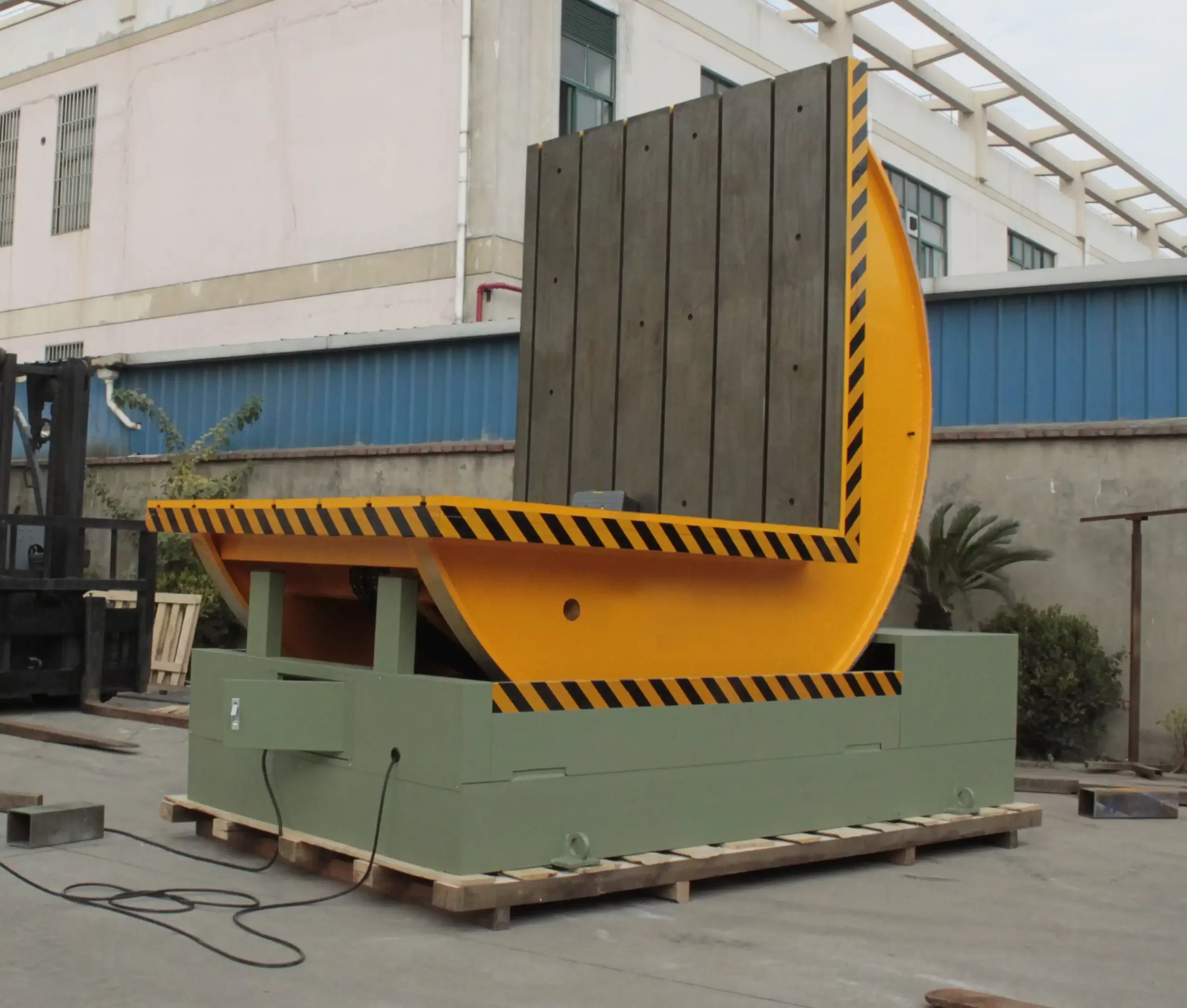
Safety and quality are always at the forefront of my mind. When I hear about challenges like Michael Chen’s – where manual handling of heavy items leads to high injury risks and product damage – I know modular automation is the solution. My background in packing machine engineering always focused on creating robust, reliable systems that protected both the product and the worker. For instance, our FHOPEPACK coil packing machines are designed with safety interlocks and automated processes that minimize human interaction with heavy coils. This not only reduces the risk of accidents but also ensures consistent, high-quality packing that prevents damage to sensitive edges of steel coils. Modular design allows us to integrate these safety features into specific parts of the machine, making them more effective and easier to maintain. It is about creating a safer environment while delivering better products.
Improved Worker Safety
Manual handling of heavy or dangerous materials causes many injuries. Modular systems often include automation. This reduces the need for workers to lift or move heavy items. Think about steel coils or molds. Moving them by hand is very risky. Automated modular solutions, like mold tilters or coil wrapping machines, handle these tasks. This lowers the risk of accidents. It makes the workplace safer. It also reduces insurance costs for factories.
Enhanced Product Quality
Quality control is easier with modular systems. Each module performs a specific function. This means you can check the quality at each step. If there is a problem, you can find it fast. You can fix it before it affects the whole product. This reduces the number of defective items. It also prevents damage to products during internal transfer or packing. For example, consistent machine-applied wrapping protects products better than inconsistent manual methods. This leads to higher customer satisfaction.
Easier Compliance and Audits
Factories must follow many safety and quality rules. Modular designs can make this easier. Each module can be designed to meet specific standards. When auditors inspect your factory, they can check individual modules. This simplifies the auditing process. It also helps factories ensure they are always compliant with regulations. This reduces legal risks and penalties.
Reduced Fatigue and Human Error
High-speed lines can lead to worker fatigue. Tired workers are more likely to make mistakes. These mistakes can cause injuries or quality problems. By automating tasks with modular equipment, you reduce reliance on manual labor for repetitive or strenuous jobs. This lowers worker fatigue. It also decreases the chance of human error. This leads to a more consistent output. It also creates a safer and more comfortable work environment.
Conclusion
Modular design is critical for German JIT production. It boosts efficiency, cuts costs, and improves adaptability, safety, and quality. It helps factories grow and succeed.
My Insights
My journey from a factory employee to building my own successful packing machine business taught me that the right equipment changes everything. Modular design is not just a buzzword; it is how factories achieve financial independence and sustainable growth. I have seen clients transform their operations by embracing smart, flexible solutions. This is why I am dedicated to sharing this knowledge.








