
Which Safety Standards Govern Tilter Use under Romanian Regulations?
Have you ever worried about workplace safety, especially when dealing with heavy machinery? I know I have. In my journey from a packing machine factory employee to building FHOPEPACK, I saw firsthand the dangers and risks involved in handling large, heavy items like molds and steel coils. Many factory managers, like Michael Chen in Mexico, face immense pressure daily. They need to boost output, cut costs, and make sure everyone is safe. This is a big challenge.
So, what about tilter safety in Romania? Romanian regulations for tilter use are mainly based on European Union (EU) directives. These directives set out basic health and safety rules. Romanian law then brings these EU rules into national legislation. This means factories using tilters in Romania must follow both EU guidelines and specific national laws. This makes sure workers are safe when operating heavy equipment.
This topic is complex, but it is important. Staying compliant is not just about avoiding fines. It is about protecting people. Let us look deeper into what these rules mean for your factory.
Why Does Tilter Safety Matter So Much for Romanian Factories?
Do you ever think about the hidden costs of an unsafe workplace? For factory managers, an accident with heavy equipment like a tilter means more than just a pause in production. It means potential injury, higher insurance costs, and lost trust. When I was starting my own packing machine factory, I learned quickly that safety is not an option. It is a must for smooth operations and a healthy workforce.
Tilter safety is critical for Romanian factories because these machines handle heavy, bulky loads. An unsafe operation can lead to severe accidents. This includes crushing injuries, falls, and equipment damage. Such incidents stop work, cost money, and hurt the company’s reputation. Following safety standards helps prevent these problems. It also keeps workers safe and production lines running.
The Real Dangers of Unsafe Tilter Use
Using tilters without proper safety measures creates many risks. These risks go beyond just the machine itself. They affect workers, products, and the entire factory. When I started FHOPEPACK, one of our main goals was to help businesses avoid these pitfalls. We wanted to share knowledge that prevents problems. For example, if a heavy mold or coil is not handled right, it can slip. This can crush a worker or damage the product.
- Worker Injuries: The most serious risk is harm to people. Tilters move very heavy objects. If a machine fails, or if a worker is not trained, it can cause severe injuries. These include broken bones, head trauma, and even death. This leads to high medical costs and low morale.
- Production Delays: An accident stops the production line. This means lost time and missed deadlines. For factories like Michael Chen’s, every minute of downtime is a huge loss. It impacts delivery times and customer satisfaction.
- Equipment Damage: Accidents can also break the tilter itself or other factory machinery. Repairing or replacing equipment is expensive. It also adds more downtime.
- Product Loss: During unsafe handling, products can get damaged. For example, steel coils might get bent edges. This leads to waste, customer complaints, and lost profits. Michael Chen specifically mentioned product damage as a challenge he faces.
- Legal and Financial Penalties: Not following safety rules can lead to big fines. Romanian authorities can impose strict penalties. Lawsuits from injured workers are also a risk. This costs a lot of money and hurts the company’s image.
- Low Employee Morale: When workers feel unsafe, their morale drops. This can lead to higher staff turnover. It makes it hard to keep experienced people. This further impacts productivity and quality.
To avoid these problems, factories must follow strict safety standards. They must invest in reliable equipment and proper training. This is not just an expense; it is an investment in the future of the factory and its people. My journey taught me that a safe workplace is a productive workplace. It builds trust with employees and clients. This trust is key to long-term success.
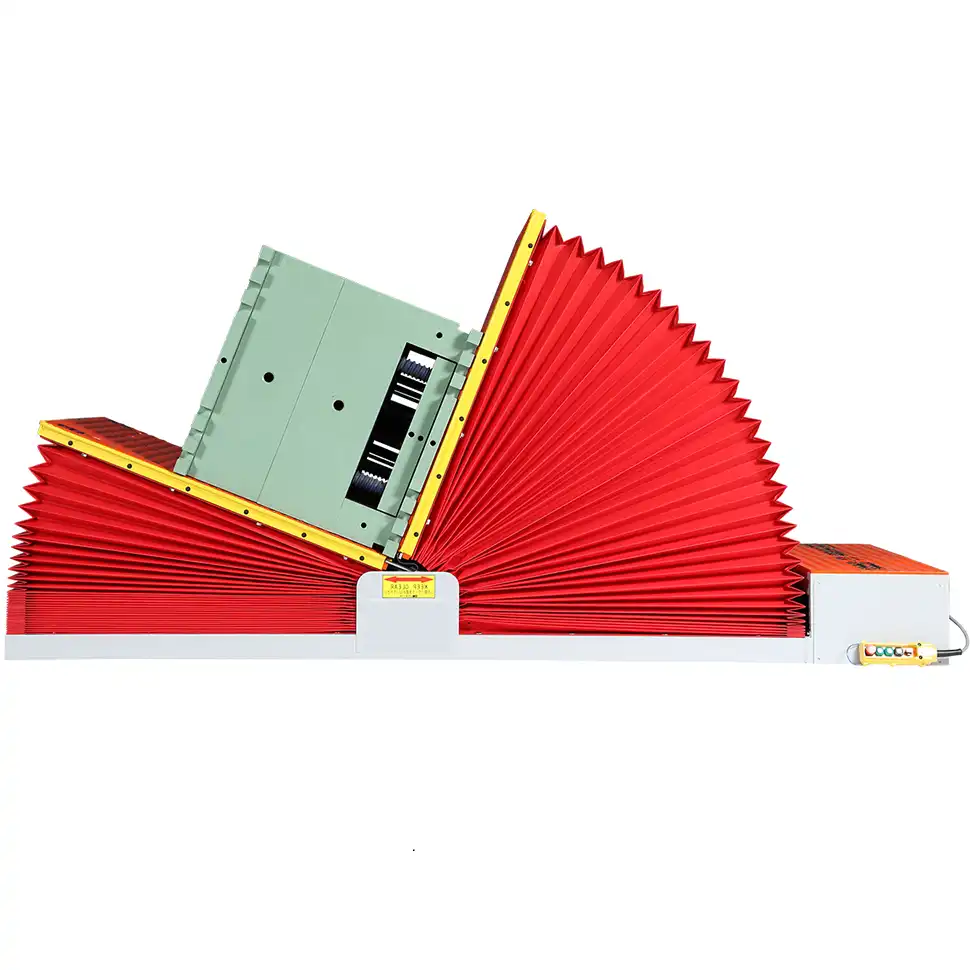
What European Union Directives Impact Tilters in Romania?
Are you aware that many safety rules in Romania come from the European Union? When I first started dealing with international clients, I quickly learned about the importance of global and regional standards. For countries like Romania, being part of the EU means adopting specific directives. These directives ensure a common level of safety across all member states. This helps create a fair playing field for businesses and protects workers.
European Union directives strongly influence tilter safety in Romania. The main one is the Machinery Directive 2006/42/EC. This directive sets health and safety requirements for machinery. It includes tilters. Other important directives cover general workplace safety and electromagnetic compatibility. Romanian law then brings these EU directives into force. This makes sure that machines used in Romania are safe by EU standards.
Key EU Directives Affecting Tilter Safety
The EU has a clear framework for machinery safety. This framework aims to prevent accidents and protect health. Understanding these directives is the first step for any factory manager in Romania. When FHOPEPACK designs our machines, we always make sure they meet or exceed these international standards. We know our clients, like Michael, need equipment that is not just efficient but also compliant.
- Machinery Directive 2006/42/EC: This is the most important directive for tilters. It specifies the essential health and safety requirements that machinery must meet before being placed on the market.
- Scope: It applies to almost all machines, including tilters used for mold or coil handling.
- Requirements: Machines must be designed and built to minimize risks. This includes mechanical hazards, electrical hazards, noise, vibration, and radiation.
- CE Marking: Machinery must have a CE marking. This means it meets all relevant EU directives. It is a sign of safety and quality.
- Workplace Health and Safety Directive 89/391/EEC (Framework Directive): This directive sets general principles for risk prevention. It encourages employers to manage occupational risks.
- Employer Duties: Employers must assess risks, implement preventive measures, and provide training. This applies to all equipment, including tilters.
- Worker Rights: Workers have a right to a safe and healthy workplace. They must be involved in safety discussions.
- Electromagnetic Compatibility (EMC) Directive 2014/30/EU: This directive ensures that electrical equipment does not interfere with other devices. It also makes sure other devices do not interfere with it.
- Importance for Tilters: Tilters have electrical components. This directive ensures they operate without causing or being affected by electromagnetic disturbances. This prevents malfunctions.








