
How Can Romanian Operators Quickly Address Tilter Malfunctions?
Factories in Romania, much like those I have worked with across the globe, face a constant battle. Downtime is the enemy. It eats away at profits, slows production, and frustrates everyone. When heavy machinery like a tilter stops working, it creates a serious problem. You need fast solutions. This is especially true for critical equipment that handles heavy steel coils or molds.
Quickly addressing tilter malfunctions in Romanian factories means having trained operators who know common issues, a clear maintenance plan, and strong support from equipment suppliers. This combined approach helps identify problems fast, apply effective fixes, and get operations running again with minimal delay. It is all about stopping small issues from becoming big, costly ones.
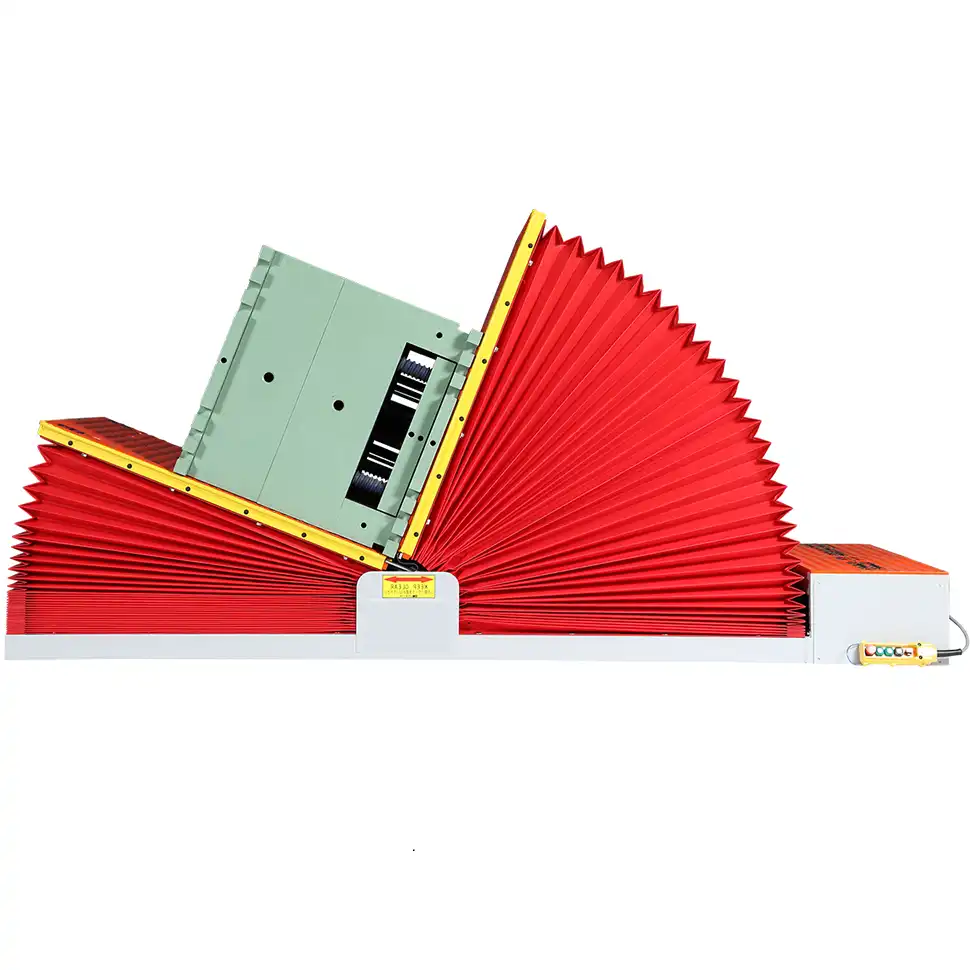
As someone who built a packing machine factory from the ground up, I understand the pressure. Every minute a machine is down, money is lost. So, if you are a factory manager in Romania, struggling with equipment reliability, let me share some insights. We will look at practical steps your team can take right now to improve tilter uptime.
What are common tilter malfunctions Romanian operators face?
Imagine your production line humming along, then suddenly, the tilter grinds to a halt. Panic can set in. This is a common scene in many heavy manufacturing plants, including those in Romania. The question is, what went wrong, and how fast can you figure it out?
Romanian operators often see similar issues with tilters due to heavy use and demanding environments. These problems can range from electrical glitches to mechanical wear. Knowing these common problems helps operators diagnose them faster. This saves valuable time. It also helps prevent minor issues from becoming major repairs.
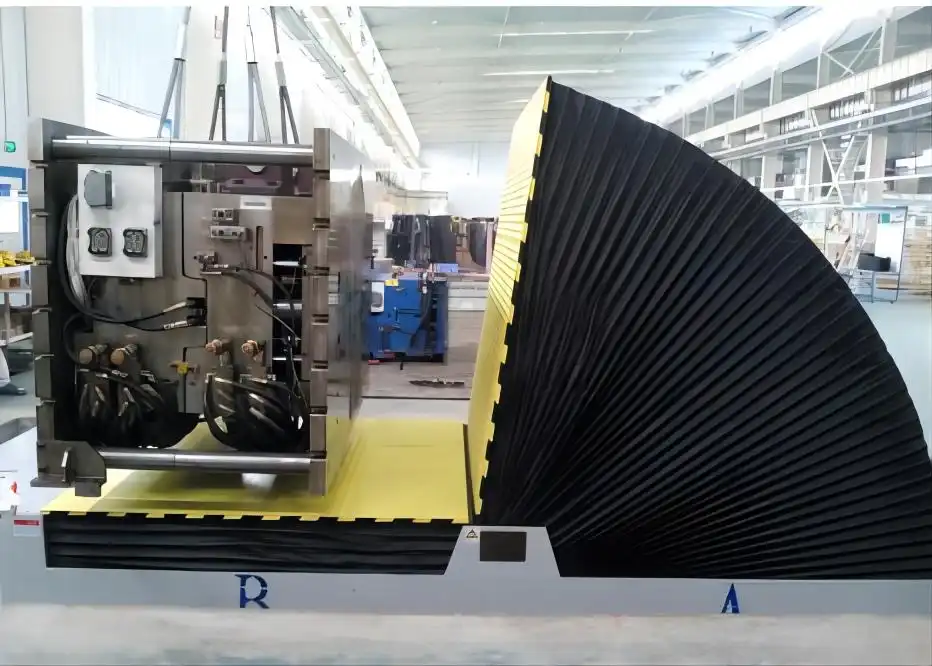
Understanding the typical failure points of tilters is the first step toward quick resolution. Operators need to know what signs to look for. They also need to know what simple checks to perform. This helps them find the root cause of a problem quickly. For example, a tilter that stops moving might have an electrical fault. Or it might have a hydraulic issue. It could even be a simple obstruction.
Common Tilter Malfunctions and Their Initial Checks
- Hydraulic System Failure:
- Problem: The tilter does not lift or rotate smoothly. It might not move at all. You might hear strange noises.
- Initial Check: Look at the hydraulic fluid level. Is it low? Check for leaks around hoses and cylinders. Listen for the pump. Is it working? Is the pressure gauge showing a normal reading? Sometimes, just adding fluid can fix the issue. Other times, a hose might be loose or broken.
- Impact: This issue often leads to complete shutdown. It stops the entire process of flipping heavy molds or coils. This causes major production delays and risks product damage if materials are stuck in a bad position.
- Electrical System Problems:
- Problem: The machine does not power on. Or it loses power during operation. Control buttons do not respond. Lights on the control panel might be off.
- Initial Check: Check the main power supply. Look for tripped circuit breakers. Inspect cables for damage. See if emergency stop buttons are engaged. Check fuses in the control panel. A loose wire connection can cause big problems. Sometimes, simply resetting a breaker fixes it.
- Impact: Electrical problems can be hard to find. They can make the tilter completely useless. This means zero output from that part of the line. It affects safety too, as operators cannot control the heavy loads.
- Mechanical Wear and Tear:
- Problem: Noisy operation. Parts grinding. Uneven movement. Increased vibration.
- Initial Check: Inspect bearings, gears, and pivot points. Are they worn out? Is there enough lubrication? Check for loose bolts or damaged structural components. Look at the chains or belts if the tilter uses them. Are they tight? Are they broken? Worn parts often get worse over time.
- Impact: Mechanical issues can lead to unexpected breakdowns. They also create safety hazards. A part could fail completely, causing a heavy load to drop. This can damage products and injure workers. Michael Chen, as a factory manager, knows product damage means lost profit and customer complaints.
- Sensor and Limit Switch Issues:
- Problem: The tilter stops at wrong positions. It does not complete cycles. Error messages appear on the control panel.
- Initial Check: Clean sensors. Check if they are blocked by dirt or debris. Make sure limit switches are not stuck or broken. Their positions might have shifted. These small parts tell the machine where it is. If they are wrong, the machine stops.
- Impact: These issues cause intermittent stoppages. They can be frustrating to diagnose because the problem comes and goes. This reduces overall efficiency. It also might require manual intervention, which increases safety risks.








