
How Can U.S. Operators Master Intuitive Controls on Modern Mold Tilters?
Manual handling of heavy molds or coils is a big problem in many U.S. factories. It is slow. It is also very dangerous. Workers can get hurt. This causes delays, high injury costs, and even product damage. Many plants still use old ways or complex machines. This makes things worse. They need a better way to move heavy parts safely and fast.
U.S. operators can master intuitive controls on modern mold tilters by focusing on simple design, clear training, and constant practice. Good tilters have easy-to-understand buttons and screens. They show operators what to do without extra steps. This helps workers learn fast and use the machines safely. This also boosts overall factory output.
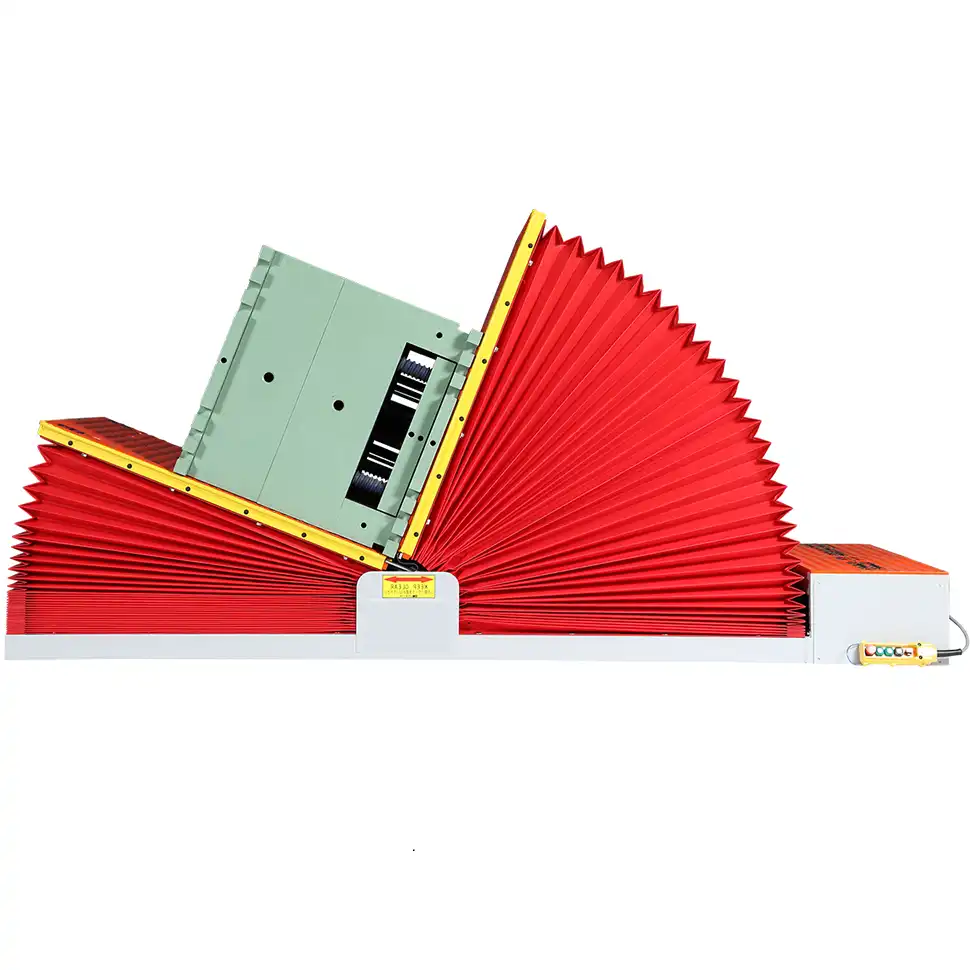
Factories want to get rid of these old problems. They want to move heavy items more safely and efficiently. Modern mold tilters with simple controls can do this. They can change the way factories work. Let us look at how operators can truly master these new machines. This will help your plant work better.
Are Simple User Interfaces Key for U.S. Operator Success?
Do your machine controls look like a spaceship cockpit? This can confuse operators. They waste time trying to figure things out. This slows down production. It also makes errors more likely. Complex interfaces are a big problem in many U.S. factories.
Simple user interfaces are very important for U.S. operator success. They make machines easy to use. Operators can learn faster. They make fewer mistakes. This means higher output and better safety. Simple design lets operators focus on their work, not on how to use the machine.
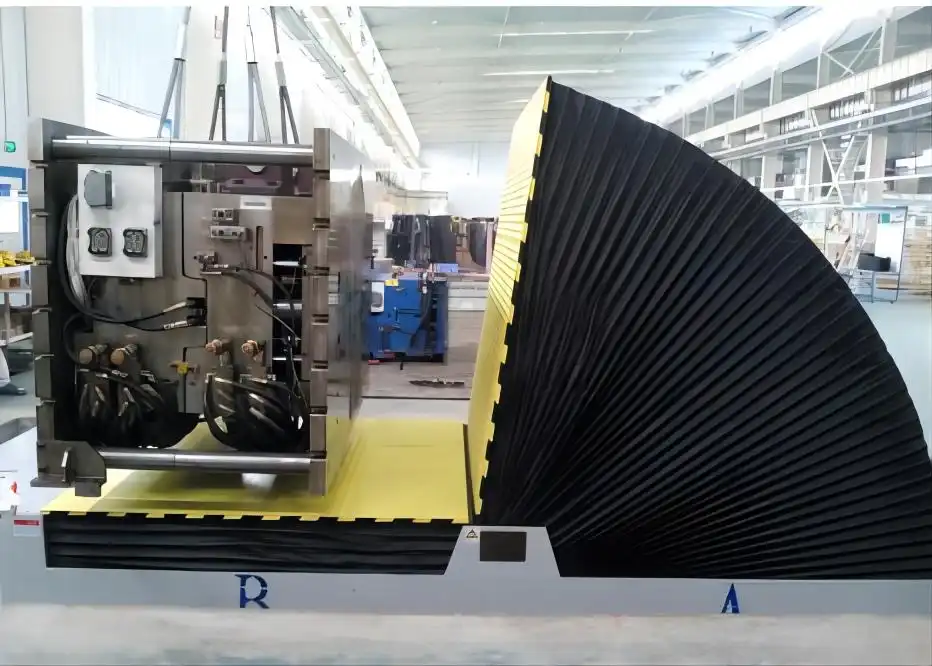
Factories often face a big challenge. They get new machines. These machines are supposed to make work better. But if the controls are too hard, they cause frustration. Operators might even avoid using the new equipment. This means the factory does not get its money’s worth. I have seen this many times. When I started my own packing machine factory, I learned this lesson early. We always aimed for machines that workers could understand quickly. This was not just about saving time on training. It was also about reducing stress for my team. It made them more willing to use the new technology.
Simple interfaces help in several ways. They reduce the learning curve. A new operator can get up to speed in a short time. This is good for factories with high worker turnover. It also cuts down on training costs. When controls are logical, operators make fewer errors. This means less product damage. It also means fewer safety incidents. Think about a simple stop button. It should be big. It should be red. It should be easy to reach. This seems basic. But some older machines miss these simple points. Modern mold tilters should have controls that just make sense. They use symbols that everyone knows. They put buttons where operators expect them. This reduces confusion. It makes the job easier and safer for everyone on the factory floor. We focus on this at FHOPEPACK. We want our machines to be powerful yet simple to operate. This helps our clients grow their business because their workers are productive.
Elements of a Simple User Interface
- Clear Labeling: All buttons and switches must have clear words or pictures.
- Logical Layout: Controls should be placed in a way that makes sense for the work.
- Visual Feedback: Lights or screen messages should tell the operator what the machine is doing.
- Error Prevention: The system should try to stop operators from making wrong choices.
| Feature | Benefit for Operator | Benefit for Factory |
|---|---|---|
| Large Buttons | Easy to press, even with gloves | Fewer mistakes, faster work |
| Touch Screens | Quick settings changes | High precision, less time |
| Emergency Stops | Quick shutdown in danger | High safety, fewer accidents |
Simple interfaces are not just a nice feature. They are a must-have. They help U.S. operators work better. They help factories save money and stay safe.
Why Is Proper Training Crucial for Adopting New Tilters?
New machines come into a factory. Workers might not know how to use them. They might be scared to touch them. This causes delays. It also causes accidents. Many factories buy new equipment. But they do not train their staff well. This means the new machines do not work as they should.
Proper training is very important for adopting new mold tilters. It teaches operators how to use the machine correctly and safely. Good training helps workers feel confident. They understand the controls. They know the safety rules. This makes them more productive. It also prevents costly errors and injuries.
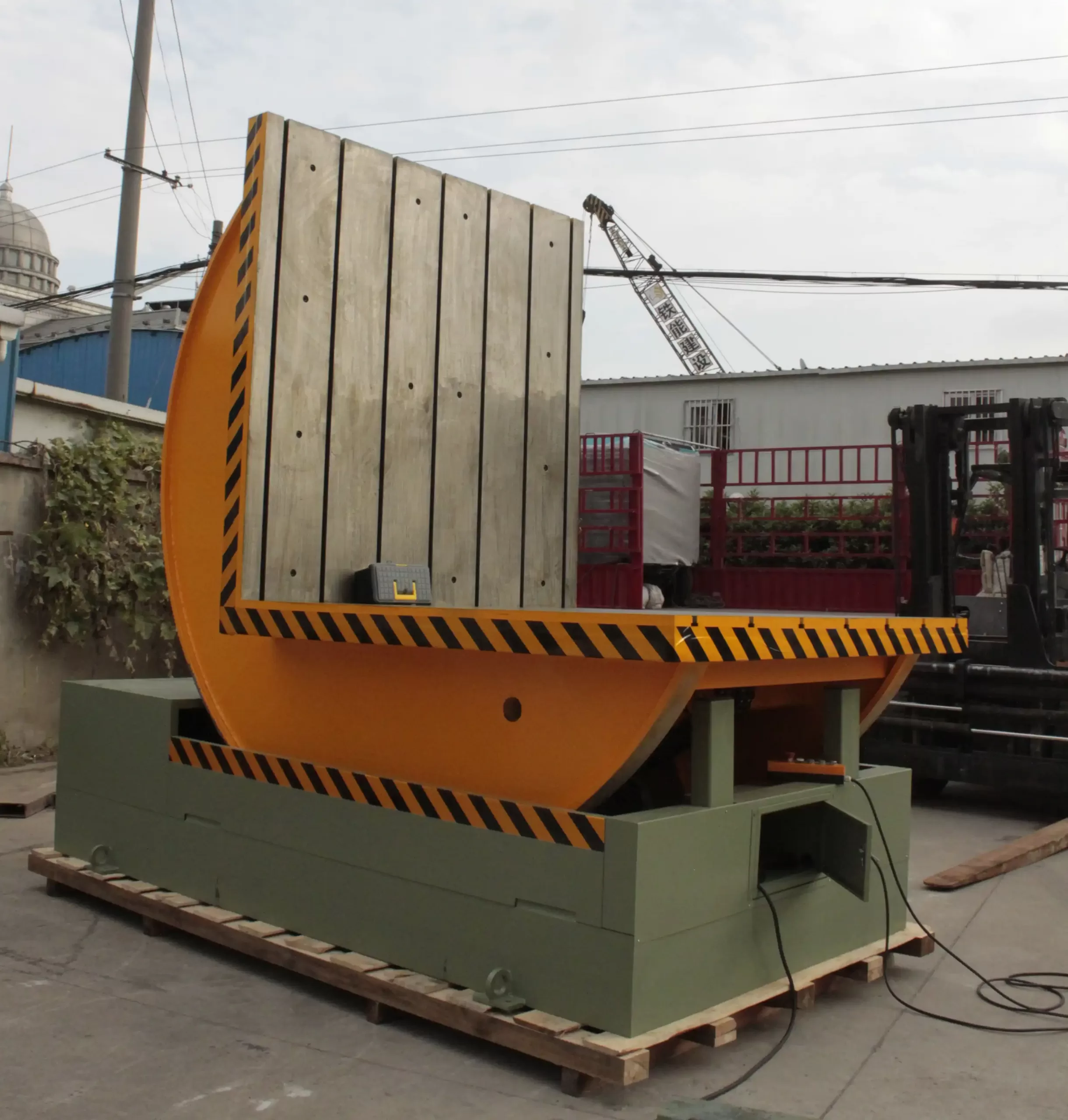
I remember when I was setting up my own factory. We got in some advanced coil packing machines. Some of my employees had only worked with old, manual equipment. They were good workers, but they were nervous about the new technology. I knew that just dropping the machines on the floor would not work. We needed to invest in their skills. We did not just show them how to press buttons. We taught them why each step was important. We showed them the logic behind the controls. This helped them trust the machine. It also helped them trust the process. This kind of deep understanding is what makes training effective. It moves workers from just pushing buttons to truly mastering the equipment. It cuts down on the feeling of “supplier trust crisis” that many factory managers experience. This is because they see real results from the investment.
Training should not be a one-time thing. It should be ongoing. It starts with basic operation. It then moves to advanced features. It also covers troubleshooting common problems. For U.S. operators, training should be hands-on. They learn best by doing. They should get time on the actual machine. They should work with heavy parts. This builds muscle memory. It builds confidence. The training should also cover safety protocols very well. Mold tilters move heavy loads. Even small mistakes can lead to serious injuries. So, operators must know how to use safety features. They must know what to do in an emergency. They must also understand daily checks and basic care for the machine. This keeps the tilter running well. It stops unexpected breakdowns. A well-trained operator is a factory’s best asset. They ensure machines work at top speed. They keep workers safe. They help the factory make more money.
Steps for Effective Training
- Hands-On Practice: Operators should use the machine with real loads.
- Clear Manuals: Easy-to-read guides with pictures help.
- Safety Drills: Regular practice for emergency stops and safe handling.
- Refresher Courses: Keep skills sharp with periodic reviews.
| Training Method | Description | Outcome for Operators | Outcome for Factory |
|---|---|---|---|
| On-site Demo | Expert shows machine use in plant | Quick understanding of basics | Fast machine integration |
| Simulation | Practice in a safe, virtual space | Builds confidence, reduces errors | Cuts real-world risks, cost-effective |
| Certification | Formal testing of skills | Validates knowledge, builds pride | Assures safety and competency |
Good training is an investment. It pays off in higher output, fewer accidents, and happier workers. It helps U.S. factories get the most from their new mold tilters.
How Do Intuitive Controls Boost Safety and Productivity in U.S. Plants?
Factories often struggle with two big issues: worker safety and low output. Manual handling of heavy items is slow. It also puts workers in danger. Old machines can be hard to use. They often break down. This stops production. It costs a lot of money.
Intuitive controls boost safety and productivity in U.S. plants a lot. They make machines easier and safer for operators to use. This means fewer accidents and less product damage. It also helps workers complete tasks faster. This increases overall output. So, factories can make more product with less risk.
From my own years in the packing machine industry, from an employee to owning a successful factory, I have seen the direct link between user-friendly equipment and factory performance. When I was building my business, one of my main goals was to help clients grow their businesses too. I saw that many of them faced production bottlenecks, especially at the end of the line, where packaging or heavy material handling happened. They were using old, manual methods. These methods were very slow. They also caused many injuries. I knew that if we could offer machines that were not just strong but also simple to operate, it would solve their problems. It would reduce their labor costs. It would cut down on damaged products. Most importantly, it would make their workplaces much safer. This hands-on experience taught me that good design is not just about looks. It is about how it helps people work and keeps them safe.
Intuitive controls directly affect safety. When controls are clear, operators know what to do. They can react fast if something goes wrong. They are less likely to make errors that cause accidents. For example, a mold tilter with clear safety guards and easy-to-reach emergency stops keeps operators away from moving parts. It lets them stop the machine quickly if needed. This cuts down on worker injuries. It also reduces insurance costs for the factory. On the other hand, intuitive controls also greatly improve productivity. Operators can set up jobs faster. They can run cycles with fewer pauses. This is because they do not have to guess what buttons to push. They do not have to look up instructions all the time. This means more molds get handled per hour. It means products move out the door faster. This boosts the factory’s output. It also helps them meet customer deadlines. This makes customers happy. It also makes the factory more profitable. These machines are an investment that truly pays back. They make the factory safer and more efficient.
Impact of Intuitive Controls
- Reduced Human Error: Clear controls mean fewer mistakes by operators.
- Faster Setup Times: Operators can start jobs quickly without confusion.
- Lower Training Costs: New workers learn fast, so training takes less time and money.
- Improved Morale: Workers feel safer and more capable. This boosts job satisfaction.
| Area of Impact | Before Intuitive Controls | After Intuitive Controls |
|---|---|---|
| Safety | High injury risk, frequent stops | Fewer accidents, safer workplace |
| Efficiency | Slow manual work, high scrap | Faster output, less product damage |
| Cost | High labor, insurance, rework | Lower operational costs, better ROI |
| Workforce | High turnover, frustration | Stable team, confident operators |
Intuitive controls change the game for U.S. factories. They make work safer for people. They make factories run faster. This helps businesses grow.
What Should U.S. Factories Look For in a Modern Mold Tilter Supplier?
Many U.S. factories have bought machines that did not work out. Some suppliers only cared about selling. They did not offer good support after the sale. This leaves factories stuck with bad equipment. They need a partner they can trust. They need someone who understands their specific problems.
U.S. factories should look for a modern mold tilter supplier that acts as a true partner. This means finding a company with deep industry knowledge. They must also offer strong after-sales support. A good supplier understands a factory’s challenges. They provide reliable solutions. They focus on long-term success.
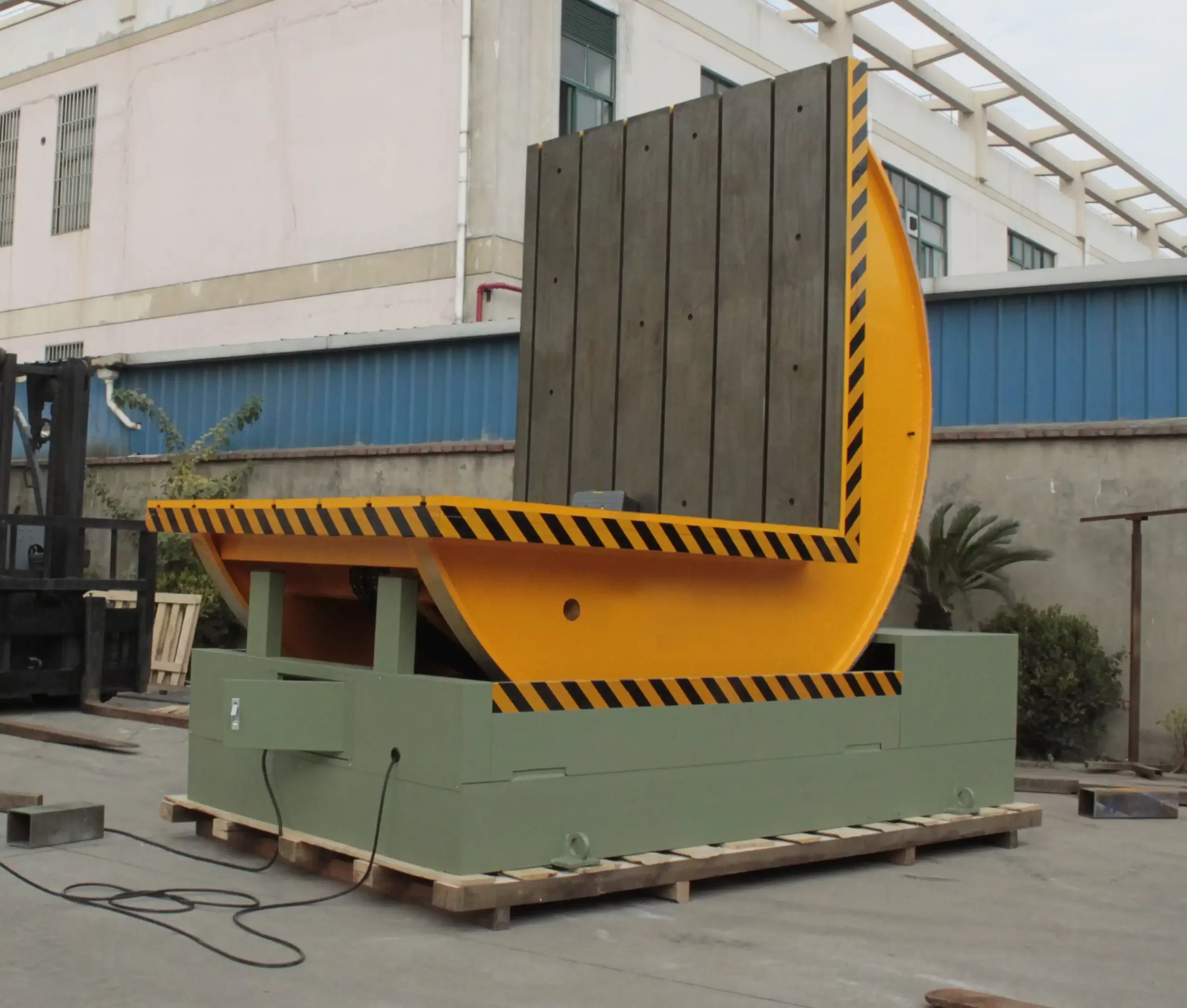
When I built my packing machine factory, I learned that a good supplier is more than just a seller. They are a true partner. Early in my career, I dealt with many suppliers. Some were good, some were not. The best ones listened to my needs. They offered solutions that actually worked. They did not just push their most expensive product. This is why at FHOPEPACK, we focus on sharing knowledge. We want to help people truly understand their needs. This lets them pick the right equipment. I know what it means to run a factory. I know the pressure to keep costs down and output high. I also know how important it is to keep workers safe. This experience guides how we work with our clients. We do not just sell machines. We help them solve their toughest problems. We help them grow their business. We become a part of their team, helping them to find the right solutions, just as I would have wanted when I was starting out.
Choosing the right supplier is very important. Factories must look for a company with a lot of experience. They should have a proven track record. They should have delivered many successful projects. The supplier should understand the specific needs of U.S. manufacturing. They should know about the tough work environments in heavy industry. They must offer robust and durable equipment. This equipment should stand up to constant use. The supplier should also offer clear ROI. They must show how their machines will save money and boost profits. This includes less manual labor. It includes less product damage. It also means improved safety. After-sales service is also key. A good supplier offers quick help when problems happen. They have parts available. They offer technical support. This means less downtime for the factory. It means faster fixes. This ensures the factory keeps running smoothly. A true partner will work with you to understand your production bottlenecks. They will help you improve safety. They will help you find ways to cut costs.
Supplier Qualities to Prioritize
- Industry Expertise: They should know your specific industry and challenges.
- Proven Reliability: Check their history and customer reviews.
- Strong Support: Look for good after-sales service, parts, and technical help.
- Custom Solutions: Can they adapt machines to your unique factory needs?
| Supplier Aspect | What to Look For | Why It Matters for U.S. Factories |
|---|---|---|
| Knowledge | Deep understanding of production | Ensures relevant solutions, not just sales |
| Machine Quality | Durable, robust builds for tough use | Less downtime, longer machine life |
| Support Network | Local service, quick response | Faster problem solving, high uptime |
| ROI Clarity | Clear cost savings, profit gains | Justifies investment, secures management buy-in |
Choosing the right supplier is as important as choosing the right machine. It means finding a partner who truly cares about your success. This helps U.S. factories thrive.
Conclusion
U.S. operators can master modern mold tilters with simple controls, good training, and strong supplier partnerships. This boosts safety and efficiency. It helps factories grow and succeed.








