
Why Is Modular Scalability Essential for Italy’s Small-Batch Production?
Have you ever felt trapped by your factory’s fixed production lines? For many small to medium-sized manufacturers in Italy, this is a real problem. They often face sudden shifts in customer orders or material availability. This makes staying competitive a constant challenge.
Modular scalability is essential for Italy’s small-batch production because it allows factories to quickly adapt. Businesses can reconfigure their lines for different products or volumes without major downtime. This flexibility helps them meet changing market demands and manage costs better. It is a smart way to keep production smooth.
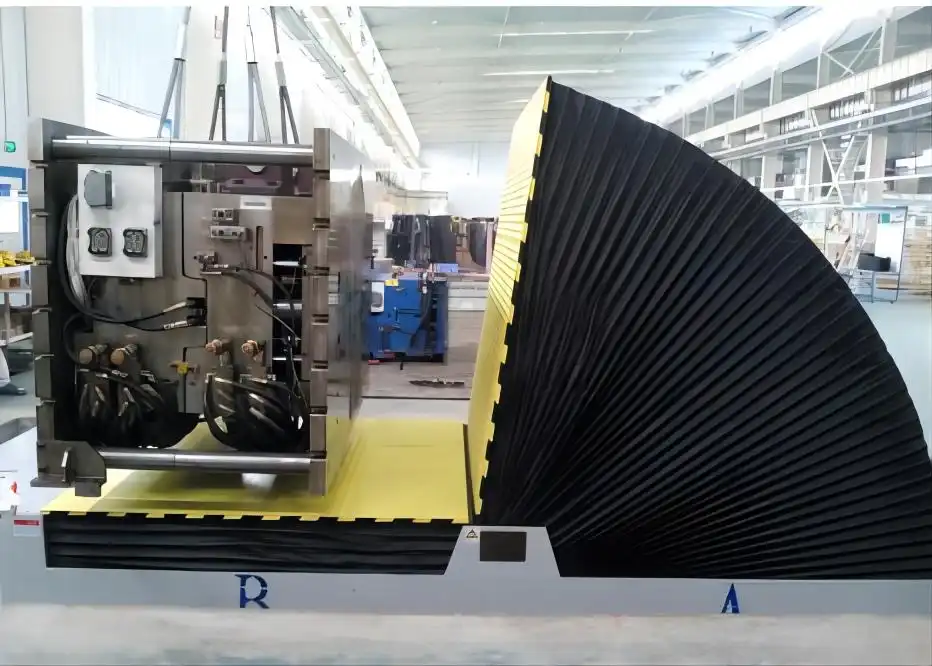
Understanding the need for adaptability is key to success. In the next sections, I will break down why this approach is not just a trend, but a necessity. We will look at how modular systems directly address the challenges you face every day on the factory floor.
Why Does Small-Batch Production Need Flexible Solutions?
Are you struggling to keep up with diverse customer orders? Small-batch production often means handling many different product types or sizes. A rigid production line makes this very difficult. It leads to wasted time and resources when you need to switch products.
Small-batch production needs flexible solutions because it faces constant demand for variety and customization. Traditional, fixed production lines cause bottlenecks when product specifications change. Modular systems, however, allow quick retooling and rearrangement. This ensures your factory can switch from one product to another with minimal effort.
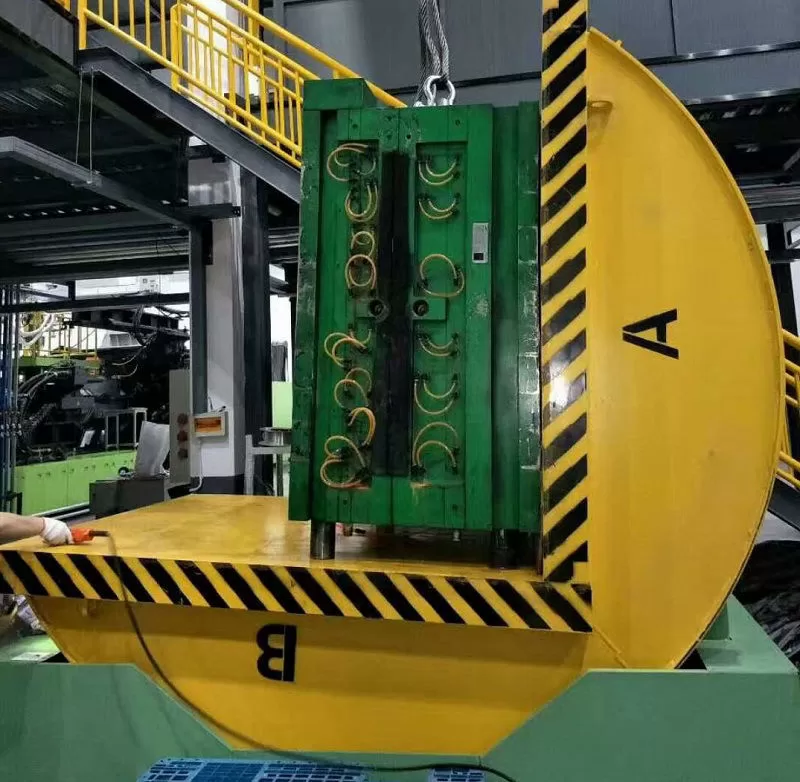
When I was building my own packing machine factory, I saw this problem firsthand. We had to handle everything from large steel coils to smaller wire bundles. Each needed a different approach. A fixed setup would have crippled us. Flexibility was not just a nice-to-have. It was vital for survival and growth.
The Problem with Fixed Lines in Small Batches
Many Italian factories are known for their craftsmanship and specialized products. This often means small, high-value batches. A fixed production line is designed for mass production of one item. It does not work well for varied outputs.
- Changeover Time: Switching from one product to another takes too long. Machines must be reset or even physically moved. This means hours, sometimes days, of lost production. In small batches, this loss is a huge percentage of total output.
- Wasted Space: A fixed line might have dedicated sections that sit idle when not needed for a specific product. This wastes valuable factory floor space. Italian factories often have limited space, so efficiency here is critical.
- High Investment for Limited Use: Buying specialized machines for every product variant is very expensive. These machines might only be used for a small part of the year. This ties up capital. It also hurts your return on investment (ROI).
I remember a time when we had a client who produced specialized metal components. They used to spend a whole day reconfiguring their packing line just to switch between two similar-sized products. This was not efficient. It caused delays for their customers. It also raised their operating costs.
How Modular Systems Offer Flexibility
Modular systems solve these issues by breaking down the production line into smaller, interchangeable units. Think of them like LEGO bricks. You can easily add, remove, or rearrange them.
- Quick Reconfiguration: Modules connect and disconnect easily. This allows fast changes in layout or function. For example, you can swap out a specific wrapping head for a different one in minutes. This cuts changeover times dramatically.
- Optimized Space Use: Modules can be moved or stored when not in use. This frees up floor space. When a new order comes in, you bring out the necessary modules. You set them up quickly. This makes your factory layout very dynamic.
- Lower Investment Risk: You do not need to buy a whole new line for every product. You buy modules as you need them. You can expand your capabilities step-by-step. This spreads out your investment. It also makes it easier to test new products.
Imagine a factory that packs different types of steel wire coils. With a modular system, they can have one base machine. They can then add a specific coiling module for small wires. They can add a heavy-duty module for large cables. They can easily switch them based on the daily production schedule. This approach reduces manual labor. It also improves safety. It is how factories stay nimble in a competitive market. From my perspective, this kind of adaptability is the secret sauce for small-batch success.
How Can Modular Design Improve Safety and Reduce Costs?
Are your workers constantly handling heavy items, leading to high injury risks? Are your operational costs spiraling due to inefficient manual processes? These are common issues, especially in industries dealing with heavy materials like steel or wire.
Modular design can significantly improve safety and reduce costs by automating hazardous tasks and optimizing resource use. By breaking down complex processes into manageable, automated modules, factories reduce the need for manual handling of heavy or awkward products. This lowers accident rates and directly cuts down on labor expenses.
When I started FHOPEPACK, one of my core beliefs was that technology should not just make things faster. It should also make things safer for the people doing the work. I spent many years on the factory floor. I saw the dangers involved in moving heavy coils and materials. This firsthand experience shaped my view on machine design.
Addressing Safety Hazards with Automation
Manual handling of heavy steel coils, wire bundles, or even large molds is extremely dangerous. Workers face risks of strains, crushes, and other serious injuries. These accidents lead to pain for employees. They also cause high insurance costs and lost productivity for the business.
- Repetitive Strain Injuries: Many packing tasks involve repetitive motions. This can lead to long-term health issues for workers. Automated modules take over these tasks. This reduces the physical strain on your team.
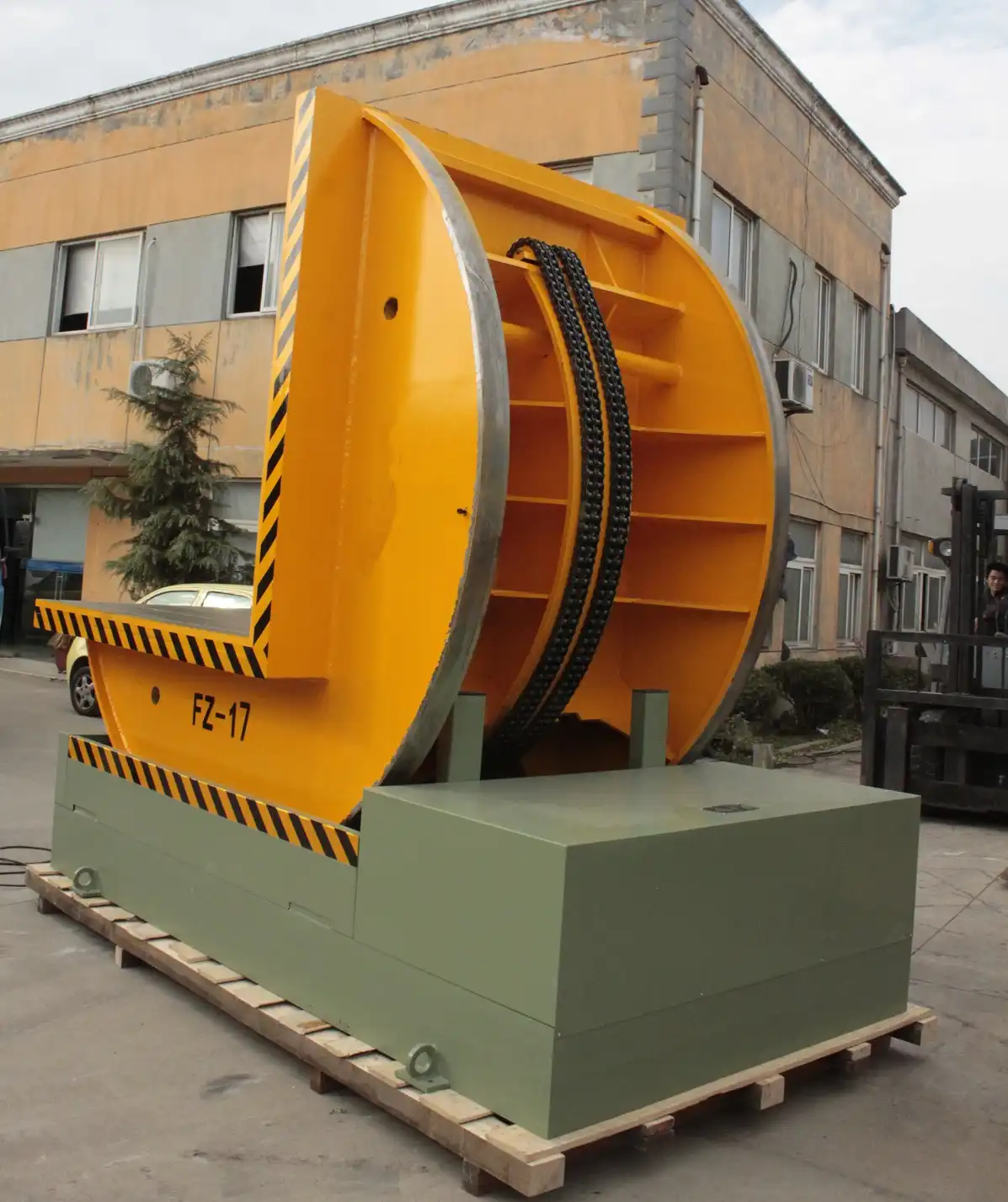
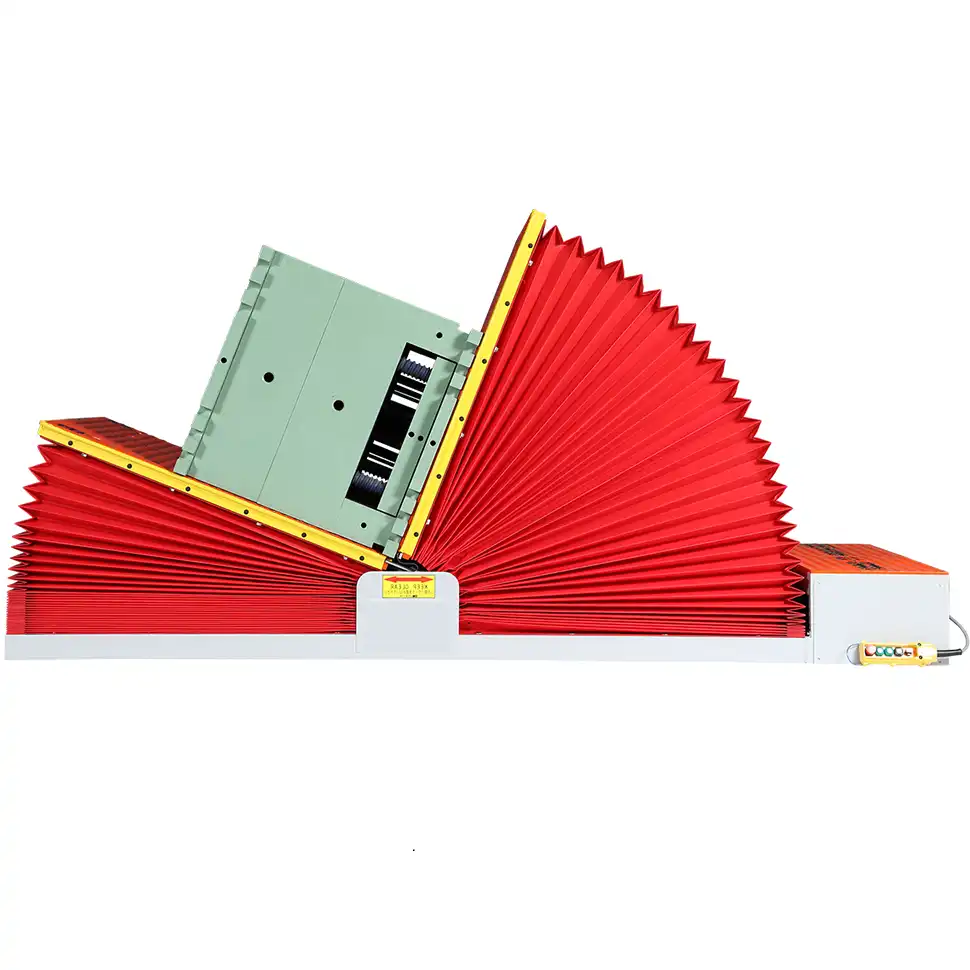
- Heavy Lifting Accidents: Lifting and moving heavy objects is the leading cause of industrial accidents. A modular system can include automated tilters, upenders, or conveyors. These handle heavy items safely. This removes the human element from dangerous lifting.
- Falling Object Risks: When manually stacking or moving items, there is always a risk of objects falling. Automated systems are designed for stability. They secure products throughout the process. This minimizes risks to personnel.
I once worked with a client who had a very high rate of back injuries among their packing team. They were manually flipping heavy steel coils onto pallets. It was slow and dangerous. We introduced a coil upender module. It rotated the coils safely and automatically. Their injury rates dropped almost immediately. This was a clear example of how automation can protect your most valuable asset: your people.
Reducing Costs Through Automation and Efficiency
Beyond safety, modular automation brings significant cost savings. These savings come from reduced labor, less product damage, and better energy use.
| Cost Saving Area | Manual Process Disadvantage | Modular Automation Advantage |
|---|---|---|
| Labor Costs | High wages, overtime, benefits | Fewer workers needed for tasks |
| Insurance Premiums | Increases with worker injuries | Lowers with improved safety record |
| Product Damage | More errors, scratches, deformation | Consistent, gentle handling |
| Throughput & Speed | Limited by human speed and fatigue | Consistent, high-speed operation |
| Material Waste | Inconsistent packing, over-use | Precise material application |
| Downtime | Long changeovers, injury recovery | Quick module swaps, less fatigue |
By reducing human error, modular systems ensure more consistent product quality. This means less scrap and fewer customer complaints. Each damaged steel coil or wire bundle is a direct financial loss. Automated, precise handling minimizes this.
Furthermore, these systems often operate more efficiently. They use power only when needed. They optimize material usage for wrapping. For example, a wrapping machine module can apply exactly the right amount of film. This reduces waste compared to manual wrapping. In Italy, where every Euro counts for small businesses, these savings are crucial. They free up capital for other investments, like new product development or market expansion.
Is Future-Proofing Your Investment Possible with Modular Systems?
Do you worry that your expensive new machinery will be obsolete in a few years? Are you concerned about investing heavily in equipment that might not adapt to future market changes? This is a common fear for many factory managers.
Future-proofing your investment is very possible with modular systems because they offer unparalleled adaptability. Instead of buying a rigid, single-purpose machine, you invest in a core system with interchangeable parts. This means your production line can evolve with technology and market shifts. You simply upgrade or add new modules as needed, extending the life of your initial investment.
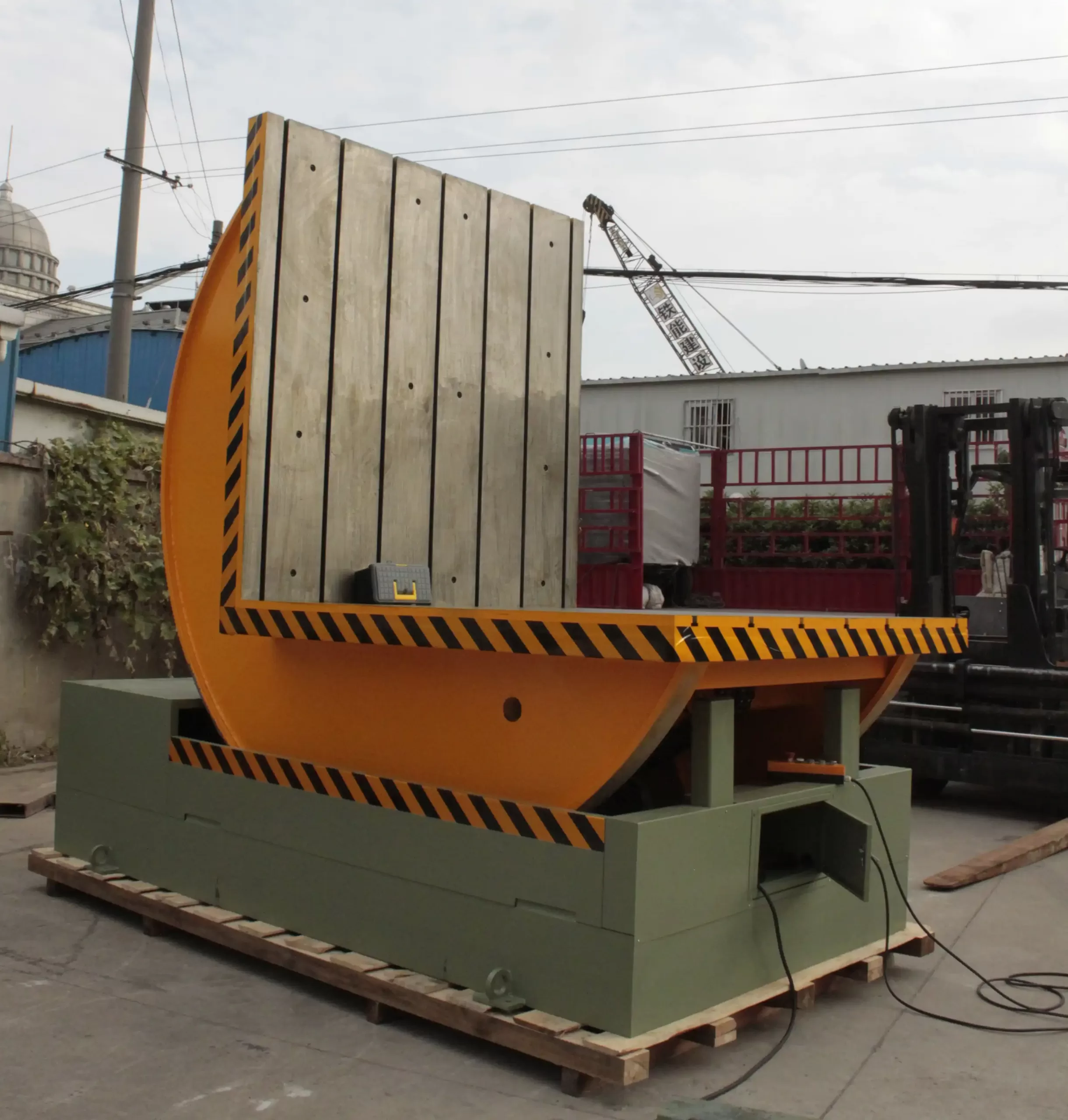
When I started FHOPEPACK, I knew that businesses needed solutions that lasted. The industry changes fast. You cannot afford to buy new equipment every few years. My goal was to design machines that could grow with a business. This concept of future-proofing is built into how I approach engineering solutions.
The Challenge of Obsolescence
Technology advances rapidly. What is state-of-the-art today can be outdated tomorrow. For small-batch producers, this poses a big risk.
- Rapid Market Changes: Customer preferences and industry standards can shift quickly. An investment in a highly specialized, non-modular machine might mean it cannot produce new product types or meet new regulations.
- Technological Advancement: New sensors, control systems, or robotics emerge constantly. If your machine is a sealed unit, you cannot easily integrate these new technologies.
- High Replacement Costs: When an old, fixed machine becomes obsolete, you have to buy a whole new one. This is a massive capital outlay. It also involves disruptive installation and training.
I recall a time when a client had invested in a very specific type of stretch wrapper. A few years later, their main customer changed their packaging requirements. The old machine could not handle the new film type. They had to scrap it and buy a completely new one. This was a painful and expensive lesson for them. It taught me the value of forward-thinking design.
How Modular Systems Ensure Longevity
Modular design directly addresses these challenges by making your equipment adaptable.
- Scalability for Growth: As your business grows, you can simply add more modules to increase capacity. You do not need to buy a bigger machine. This allows you to scale up production smoothly and without interruption.
- Adaptability to New Products: If you introduce a new product line, you might only need a new specific module. For example, a different wrapping head or a new feeding mechanism. The core machine remains. This saves money and time.
- Easy Upgrades: When new technologies become available, you can often integrate them by replacing just one module. You can upgrade control systems, add advanced sensors, or implement new safety features without rebuilding the entire line.
- Resale Value: Modular systems tend to hold their value better. You can sell individual modules if your needs change. Or, a buyer can acquire a flexible system they can adapt. This makes them more attractive on the used market.
Consider a factory that packs different kinds of metal sheets. They might start with basic wrapping modules. As their business grows, they can add an automated stacking module. Later, they might integrate a robotic arm for palletizing. Each step is an addition, not a replacement. This ensures that their initial investment continues to provide value for many years. It is about building a system that can evolve, just like your business.
How Does Modular Scalability Drive Profitability in Italy?
Is your factory struggling to maintain profit margins in a highly competitive market? Are traditional production methods limiting your ability to respond to economic shifts? For small-batch producers in Italy, these pressures are very real.
Modular scalability drives profitability in Italy by boosting efficiency, reducing operational costs, and increasing market responsiveness. It enables quick adaptation to changing demands, lowers labor and material waste, and minimizes downtime. This means higher output, lower expenses, and a stronger competitive edge in a demanding economic landscape.
During my time building and running a packing machine factory, profitability was always at the forefront of my mind. It was not just about making machines. It was about making machines that helped our clients make more money. I learned that every euro saved on the factory floor directly translates to more profit.
The Profitability Squeeze in Small-Batch Production
Italy’s manufacturing sector, especially small and medium enterprises (SMEs), faces unique challenges. They must compete globally. They must deal with rising material costs and labor expenses.
- High Unit Costs: Producing small batches often means higher unit costs compared to mass production. This is due to longer setup times and less economy of scale.
- Market Volatility: Economic downturns or sudden changes in customer preferences can quickly reduce demand for specific products. A factory with rigid lines cannot easily pivot. This leads to idle capacity and lost revenue.
- Intense Competition: Both local and international competitors are always looking for ways to produce more cheaply and efficiently. If your factory cannot keep up, you lose market share and profits.
I have seen many small Italian family businesses struggle because they could not adapt fast enough. They had excellent products. But their production methods were too slow or too expensive. They could not compete on price or delivery time. It was a tough situation for them.
Profit-Boosting Aspects of Modular Scalability
Modular scalability directly impacts your bottom line in several ways.
- Increased Throughput: Faster changeovers mean more production time. More production time means more products made and sold. This directly boosts your revenue.
- Reduced Waste: Precision automation from modular systems leads to less material waste. For example, a precise wrapping module uses only the exact amount of film needed. Less waste means lower costs.
- Lower Labor Costs: Automating tasks like packing, handling, and palletizing reduces the need for extensive manual labor. While initial investment exists, the long-term savings on wages and benefits are significant.
- Improved Quality, Less Rework: Consistent machine operation reduces defects and damage. This means fewer returns, fewer customer complaints, and less time spent on re-working products. High quality also helps retain customers.
- Better Resource Allocation: Your capital is not tied up in one large, specialized machine. You can invest in modules as needed. This allows you to allocate resources more flexibly. This helps you respond to market opportunities.
Consider a factory producing specialized metal components for the automotive industry in Italy. With modular wrapping and packing lines, they can switch between different component sizes quickly. This reduces their changeover time by hours each week. Those saved hours mean more components produced and shipped. This directly impacts their sales volume. It improves their cash flow. It helps them meet tight deadlines from car manufacturers. This responsiveness makes them a more reliable supplier. It builds trust and loyalty with their clients. For small-batch producers in Italy, every improvement in efficiency and cost control is a step towards greater profitability.
My Insights
From my journey, starting as an employee on the factory floor to building FHOPEPACK, I have learned one critical thing: true success comes from understanding the real problems of factory owners. It is not about selling a machine. It is about providing a solution. My insights come from years of seeing what works and what does not work.
When I first started in the packing machine industry, I saw many factories struggling with the same issues Michael Chen faces today. They had manual processes. These were slow, dangerous, and expensive. They bought machines that were supposed to help. But these machines were often rigid and hard to adapt. They created new bottlenecks instead of solving old ones.
The True Value of a Partner, Not Just a Vendor
Michael Chen wants a partner, not just a supplier. This is something I deeply understand. When I founded FHOPEPACK, I wanted to be that partner for others.
- Understanding Your Pain: A good partner listens to your specific problems. They do not just offer a generic product. They ask about your efficiency bottlenecks. They ask about your safety concerns. They ask about your product loss.
- Sharing Expertise: Through my years in coil packing and steel wire packing, I gained deep knowledge. I know the challenges of heavy industries. I know what kinds of machines are truly durable and reliable. My goal is to share this knowledge. I want to help you make informed decisions.
- Long-Term Support: It is not just about the sale. It is about after-sales service. It is about providing guidance when your needs change. It is about ensuring the equipment continues to perform for years. This builds trust. It makes your investment truly worthwhile.
I remember a client who was hesitant to automate their wire coil packing. They had been burned by other vendors. We spent weeks just discussing their existing workflow. We did not push a specific machine. We analyzed their current production. We highlighted the risks of their manual methods. We showed them how automation would improve worker safety and cut costs. They trusted us because we showed we understood their world. This led to a successful partnership. It also led to a significant boost in their factory’s output.
The FHOPEPACK Philosophy: Beyond the Machine
At FHOPEPACK, our slogan is “MASTER WRAPPING MACHINE.” But it means more than just building great machines. It means mastering the art of problem-solving for wrapping and packing.
- Practical Solutions: We focus on practical, real-world solutions. Our machines are designed to withstand tough industrial environments. They are built for durability and efficiency. They are designed to be intuitive.
- Knowledge Sharing: Our platform is dedicated to sharing knowledge. We believe that an informed client makes better decisions. We want to empower you with insights into packaging technology. We want you to understand the ROI of your investments.
- Tailored Approach: Every factory is different. Every production line has its unique quirks. We do not offer one-size-fits-all solutions. We work with you to understand your specific needs. Then we recommend the modular components that fit your factory perfectly.
My journey in the packing machine industry, from employee to factory owner, gave me financial independence. It also gave me a deep gratitude. Now, I want to give back. I want to help others achieve their own success. This means providing solutions that improve your factory’s efficiency, enhance worker safety, and ultimately, grow your business. Modular scalability is a key part of this vision. It is the future of smart manufacturing.
Conclusion
Modular scalability is vital for Italy’s small-batch production. It offers flexibility, boosts safety, cuts costs, and future-proofs investments. Embrace it for a competitive edge.








