
How Do Preventive Maintenance Programs Extend Upender Lifespans Across Europe?
Factory floors in Europe are busy places. Imagine a large metal processing plant where heavy steel coils move non-stop. Now, think about the upenders in such a place. They work hard every day. When an upender stops working, everything else stops too. This causes big problems. It means lost production time. It means delays in getting products out the door. It also means losing money. This is a common problem I have seen many times in the packing machine industry. But there is a way to stop these issues before they start. It is called preventive maintenance.
Preventive maintenance programs make upenders last longer. They do this by finding small problems before they become big ones. These programs involve regular checks and timely fixes. This keeps the machine running smoothly. It reduces the wear and tear on parts. It also stops sudden breakdowns. For European factories, where output and safety rules are strict, this approach is not just helpful. It is essential. It ensures machines work well year after year. This helps factories meet their production goals.
You see, investing in a good upender is important. But making sure it keeps working well is even more important. It is about protecting your investment. It is about keeping your production line moving. It is about making sure your team is safe. Let us look deeper into why preventive maintenance is a game-changer for upenders. We will explore how it helps factories save money and work better.
Why Do Upenders Need Special Preventive Care?
Heavy machines like upenders face huge stress. They lift and flip massive loads all day. Think about a steel coil weighing several tons. The upender handles this weight many times a day, every day. If you neglect these machines, they will break down. This is a simple truth. A broken machine means production stops. This costs money. It also puts workers at risk.
Upenders need special care because of the extreme conditions they work under. They deal with high loads, constant movement, and sometimes harsh factory environments. Without regular checks, small issues can quickly become big ones. This can lead to costly repairs. It can also lead to dangerous failures. European factories often run non-stop. This makes preventive care even more important. It ensures the machines keep up with the high demands.
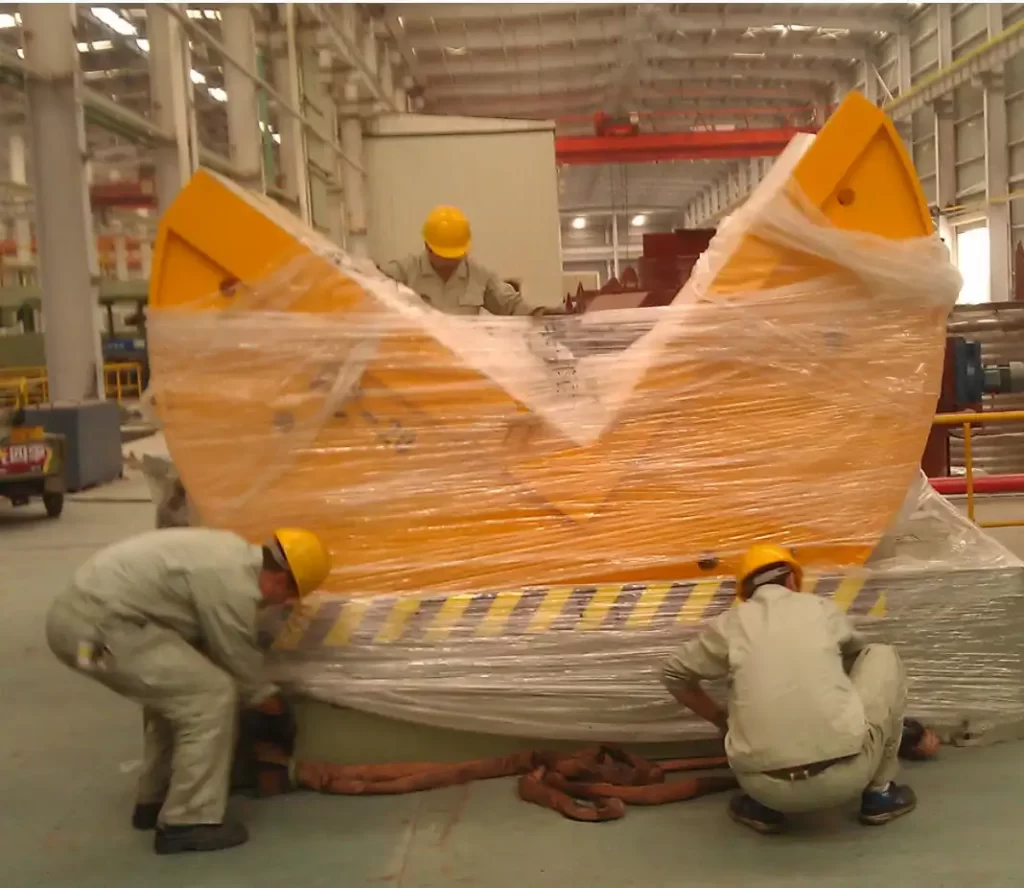
Upenders are not like smaller machines. They have complex parts that need careful attention. These parts include powerful hydraulic systems. They have strong motors. They also have large bearings. Each of these parts takes a lot of stress. Over time, this stress causes wear. Dust and dirt can get into moving parts. Seals can start to leak. Electrical wires can become loose. If these problems are not found early, they can cause the whole machine to fail. This is why a simple check can prevent a major disaster. In my experience running a factory, I learned that a few minutes of prevention save hours of repair.
Critical Components and Their Vulnerabilities
Upenders rely on several key parts to do their job. Each part has its own weaknesses. Understanding these helps us focus our maintenance efforts.
- Hydraulic System: This is the heart of most upenders. It uses oil pressure to lift and tilt heavy loads. The oil can get dirty. Filters can get clogged. Hoses can crack. Leaks can happen. If the oil is not clean or the pressure is not right, the upender will lose power. It might even stop working completely. Dirty oil can damage pumps and cylinders. This leads to very expensive repairs. Regular checks of oil levels, oil quality, and hose conditions are vital.
- Motors and Electrical System: Motors power the hydraulic pumps and other movements. They can overheat. Wiring can fray. Sensors can fail. Electrical problems can cause the upender to stop suddenly. They can also create safety hazards. Checking connections, looking for signs of overheating, and testing electrical circuits are important.
- Bearings and Mechanical Parts: These parts allow smooth movement. They are under constant heavy load. Bearings can wear out. Gears can chip. Pins and bushings can become loose. If these parts are not lubricated properly, they will grind down. This creates friction and heat. It can lead to complete mechanical failure. Regular greasing and inspection for wear are key.
- Structural Frame: The frame holds the entire machine together. It must be strong enough to handle all the weight. Cracks can appear over time due to repeated stress. Loose bolts can cause parts to shift. A weakened frame is a huge safety risk. It can also lead to poor alignment and more wear on other parts. Checking for cracks and tightening bolts regularly is a basic but important task.
Every factory manager, like Michael Chen in Mexico, knows that a robust machine is only as good as its maintenance schedule. In Europe, where factories are often running 24/7, this kind of detailed attention is not an option. It is a necessity. My journey from a factory employee to owning FHOPEPACK taught me that understanding these machine details is what truly helps clients succeed.
What Are the Key Elements of an Effective Upender PM Program?
An effective preventive maintenance program is not just about fixing things when they break. It is about planning ahead. It is a systematic way to keep machines in top condition. This approach helps avoid unexpected stops. It also makes sure the upender is always ready for work. For an upender, a good PM program has several key parts. These parts work together to cover every aspect of the machine.
The program starts with a clear schedule. This schedule lists what checks to do and when to do them. It covers daily tasks, weekly tasks, monthly tasks, and yearly tasks. Each task aims to find specific problems before they grow. It also makes sure all parts are working correctly. This kind of planning takes guesswork out of maintenance. It puts control back in the hands of the factory.

A good PM program needs dedicated people. These people must know the upender well. They need to be trained to spot problems. They also need the right tools. Records are also a big part of it. Keeping good records of all maintenance work helps track the machine’s health. It shows when parts were replaced. It also shows when certain issues came up. This information helps predict future needs. It helps make the PM program even better over time.
Core Components of a Successful PM Strategy
To set up a strong PM program for an upender, you need to look at specific areas. These are the main parts of any good plan:
- Regular Inspections and Checks: This is the most basic part. It involves looking at the machine closely.
- Daily Visual Checks: Operators or maintenance staff quickly look for obvious problems. This includes checking for oil leaks, strange noises, or loose parts. They also check the emergency stop buttons. This takes only a few minutes but can catch big issues early.
- Weekly Detailed Inspections: These are more thorough. They involve checking hydraulic fluid levels, inspecting hoses, and looking at electrical cables for wear. They also involve checking the condition of chains, sprockets, and bearings. Lubrication points are often checked and greased at this time.
- Monthly Performance Tests: Here, you run the upender through its movements. You listen for unusual sounds. You check the speed and smoothness of its operation. You test all safety features. This ensures the machine is working as expected under load.
- Lubrication Management: Proper lubrication is critical. Moving parts need grease or oil to reduce friction.
- Scheduled Greasing: Identify all grease points. Apply the right amount of the correct type of grease on a fixed schedule. This prevents wear and extends bearing life.
- Oil Changes: Hydraulic oil needs to be changed regularly. Just like in a car engine, old oil loses its properties. It can become contaminated. This damages the hydraulic system. Filters also need changing to keep the oil clean.
- Part Replacement Schedule: Some parts simply wear out over time. They need replacing before they fail.
- Life-Limited Components: Identify parts with a known lifespan, such as certain bearings, seals, or even hydraulic hoses. Replace them based on hours of operation or a calendar schedule, not just when they break. This prevents sudden breakdowns.
- Wear Part Stock: Keep a stock of common wear parts. This allows for quick replacement when needed. It reduces downtime.
- Documentation and Record-Keeping: Good records are like a health history for your upender.
- Maintenance Logs: Keep detailed records of every inspection, repair, and replacement. Note the date, the task done, who did it, and any observations.
- Performance Tracking: Monitor key performance indicators (KPIs) like uptime, breakdown frequency, and repair costs. This data helps refine the PM program. It shows what works and what needs improvement.








