
Why Are Japan’s Plant Managers Specifying Automated Coil Upenders?
Heavy metal coils are a core part of many factories. But moving them around is a big problem. Manual methods are slow. They are also dangerous. Workers can get hurt. Products can get damaged. This costs companies a lot of money and time. Many factory managers face these exact issues every day. They need better ways to handle heavy materials.
Automated coil upenders are changing this. They offer a direct solution to many of these production problems. Plant managers in Japan are leading this change. They choose automated upenders to boost how fast they work. They also use them to make workplaces much safer. These machines protect valuable products from damage. They also cut down on the need for people to do dangerous, heavy lifting. This makes factory operations smoother. It also helps companies save money. It means factories can make more profit.
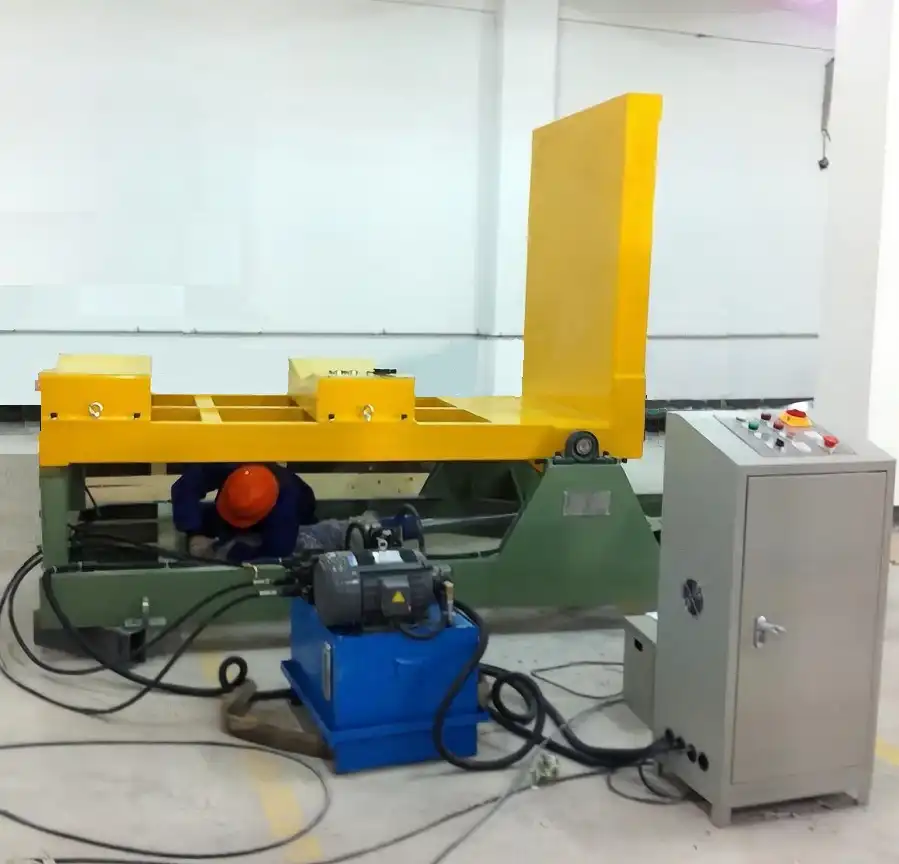
This is not just about buying a machine. It is about changing how your factory works. It is about fixing real problems that hold back production. Let us look closer at the exact reasons why smart factory managers are choosing automated coil upenders.
Why are manual coil handling methods failing in modern factories?
Imagine a factory floor with huge metal coils. Workers must move them. They often use old, slow methods. This makes the whole production line slow down. It creates a big bottleneck at the end of the line. This impacts how fast products can be made and shipped. This slow process costs the factory a lot of money every day.
Manual coil handling is very inefficient. It takes a lot of time. It also needs many workers. These workers are put at risk. They handle heavy objects. This can cause injuries. Automated upenders fix these issues. They make the process much faster. They also need fewer people to do the work. This makes the whole factory more efficient. It also makes the workplace safer.

Manual handling methods fail in several key ways. I have seen this problem in many factories during my career. When I started my own packing machine factory, my goal was always to find better ways to do things. Manual processes might seem cheap at first. But they cause many hidden costs.
The Hidden Costs of Manual Coil Handling
- Slow Production: Workers move coils by hand or with simple tools. This is very slow. Each step takes too much time. This slows down the whole production line. Finished products pile up. They wait to be packed or moved. This stops new products from being made. It creates a bottleneck. This means the factory cannot produce as much as it should.
- High Labor Costs: You need many workers to move heavy coils safely. These workers must be paid. They also need breaks. Their work hours add up. Over time, the cost of labor for this one task becomes very high. Automated machines can do the same work with one or two operators. This cuts labor costs significantly.
- Safety Risks: Moving heavy coils is very dangerous. Workers can slip. They can drop coils. Coils can fall. This leads to serious injuries. Common injuries include crushed limbs, back problems, and broken bones. These injuries cause more costs. The company pays for medical bills. Insurance rates go up. Injured workers also miss work. This means less production. It also means you might need to hire new people and train them. This process is expensive. It also affects company morale.
- Product Damage: When coils are moved by hand or with old equipment, they often get damaged. The edges can bend. The surface can get scratched. Even small damage makes a product unsellable. Or it leads to customer complaints. This means the factory loses money on wasted products. It also hurts the company’s reputation.
- Lack of Consistency: Humans are not robots. Their work speed and quality change. One shift might be faster. Another might be slower. This makes it hard to plan production. It also makes it hard to guarantee product quality. Automated machines work the same way every time. This gives you consistent speed and quality.
When I started FHOPEPACK, my mission was to share knowledge that helps businesses grow. Based on my own experience setting up and running a packing machine factory, I learned that investing in the right equipment is not just about speed. It is about creating a reliable system. It is about avoiding these common pitfalls. Factory managers in Japan understand this deeply. They know that manual methods no longer fit with modern demands for high output and safety. They want solutions that deliver predictable results. This is why they are looking at automated systems. These systems remove the risks and inefficiencies of human labor. They provide a smooth, fast, and safe way to handle materials.
How do automated coil upenders directly improve factory safety?
Manual handling of heavy metal coils is one of the most dangerous jobs in a factory. Workers must lift, turn, and move extremely heavy objects. This puts them at high risk of injury every day. Accidents can be serious. They can cause broken bones or even worse. This leads to high insurance costs for the company. It also causes workers to leave their jobs.
Automated coil upenders remove people from these dangerous tasks. The machine does the heavy lifting. It does the turning. This means workers do not have to touch the heavy coils directly. This greatly reduces the chance of accidents. It makes the workplace much safer for everyone. This is a very clear benefit for any factory owner.
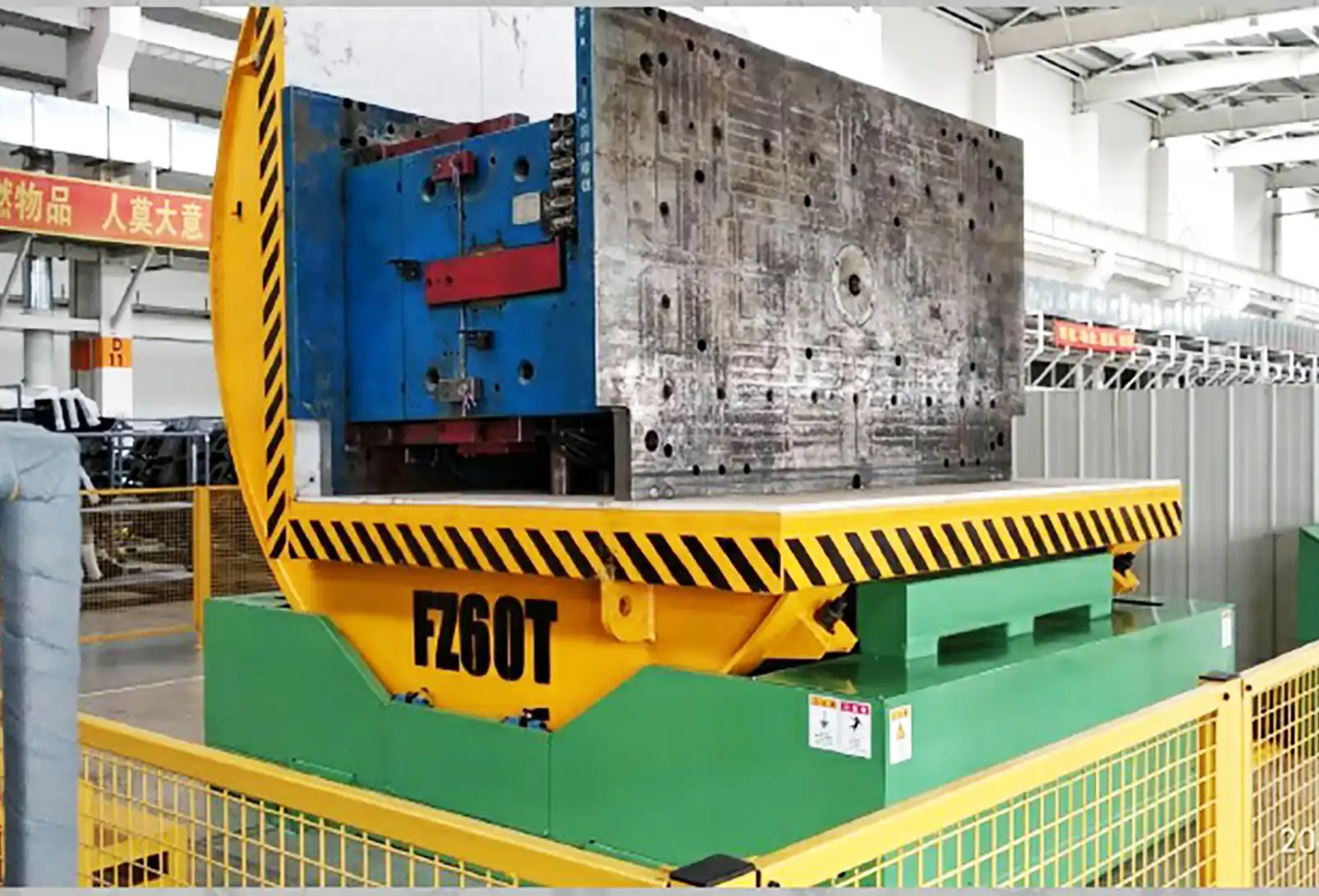
Safety should always be the number one priority in any factory. I have always believed this. When I was an employee, I saw firsthand the risks. Later, as a factory owner, I worked hard to protect my team. This is why automated upenders are so important. They are not just about speed. They are about protecting lives.
Key Ways Upenders Boost Workplace Safety
- Eliminate Manual Lifting: This is the biggest safety gain. Workers no longer need to lift or pull heavy coils. The upender uses strong hydraulics or motors. It lifts and turns the coil smoothly. This prevents back injuries. It stops muscle strains. It also removes the risk of a coil dropping on a worker.
- Reduce Repetitive Strain: Even if coils are moved with small helpers, repetitive motions can cause long-term injuries. Automated upenders take over these actions. This keeps workers from doing the same harmful movements over and over. This protects their joints and muscles in the long run.
- Controlled Movement: Manual coil handling often means uncontrolled swings or sudden movements. This can lead to collisions. It can cause coils to tip over. Automated upenders move coils in a very controlled way. They have sensors and safety guards. They work at a steady, predictable speed. This prevents unexpected accidents.
- Lower Risk of Falling Objects: When coils are lifted by cranes or forklifts, there is always a risk they could fall. An upender secures the coil firmly before it moves. It holds the coil safely during the entire turning process. This makes the risk of falling objects almost zero.
- Better Use of Human Resources: Instead of doing dangerous, heavy lifting, workers can focus on safer, more skilled tasks. They can monitor the machine. They can check quality. This improves their job satisfaction. It also makes them more productive in areas that are less risky.
I have seen companies struggle with high insurance costs because of too many workplace injuries. I have also seen the pain and stress that comes when a worker gets hurt. Installing automated upenders is a direct way to fix these issues. It shows that the company cares about its employees. It builds a better, safer work environment. This leads to happier workers. It also lowers the cost of insurance and fewer missed workdays. This is a practical step towards a truly modern and safe factory floor. It makes the factory more reliable and efficient overall.
Can automated upenders really cut down on product damage and waste?
Product damage during handling is a silent profit killer for many factories. When heavy steel coils or wire coils are moved, they can get bumped. Their edges can get bent. Their surfaces can get scratched. This damage might seem small. But it can make the product unusable. Or it means the customer will not accept it. This leads to complaints. It also means money is lost on materials and effort. This waste adds up fast.
Automated upenders handle products with great care. They use smooth, controlled movements. They hold the coil firmly. This stops bumps and scrapes. It keeps the product in perfect condition. This means less waste. It also means fewer customer complaints. Factory managers see a clear link between these machines and higher profits. They get more good products out of their materials.

In my experience, even a small percentage of damaged product can wipe out a lot of profit. I remember when I first started my factory. We focused hard on cutting down waste. It made a huge difference to our bottom line. Product quality starts with how you handle your materials.
How Upenders Protect Your Products and Profits
- Gentle, Controlled Movement: Automated upenders are designed for precision. They do not drop or bang coils. They lift and turn them smoothly. This prevents impact damage. It keeps the coil’s shape and surface safe. This is very different from rough manual handling or using forklifts that can jar products.
- Secure Gripping Mechanisms: Upenders use hydraulic clamps or robust cradles. These hold the coil firmly in place during the entire turning process. There is no slipping. There is no wobbling. This means the coil stays stable. It prevents it from moving in ways that could cause damage.
- Reduced Human Error: Humans make mistakes. They can misjudge distances. They can be tired. These errors lead to damage. An automated machine follows exact commands. It performs the same task perfectly every time. This greatly reduces the chance of damage caused by human error.
- Elimination of Secondary Handling: Sometimes, products get damaged because they are handled too many times. An upender can often move a coil directly from one process to the next. It might turn it from a horizontal position to a vertical one. This removes the need for extra lifting or re-positioning by other machines or workers. Each time a product is handled, there is a risk. Fewer handling steps mean less risk.
- Consistent Quality: By preventing damage, automated upenders help ensure that every coil leaving your factory is in top condition. This leads to happier customers. They receive the product they expect. This builds trust. It also reduces returns and complaints. This means you do not waste time or money dealing with unhappy customers.
Protecting your product is not just about keeping customers happy. It is also about saving money. Every damaged coil represents lost material. It represents lost labor. It also means less profit. By investing in an automated upender, factories directly reduce this waste. They maximize the value of their raw materials. This is a smart financial move. It helps the factory become more profitable and efficient. It is why smart managers, like those in Japan, see the clear benefits. They know that avoiding waste is key to business success.
What makes the return on investment for an automated upender so clear?
Investing in new factory equipment can be a big step. Factory managers need to know that the money they spend will come back to them. They need to see a clear return on investment (ROI). For many years, I have helped clients understand how machines pay for themselves. It is not just about the sticker price. It is about the long-term savings and gains.
Automated upenders offer a very clear path to ROI. They cut down on high labor costs. They reduce expensive workplace injuries. They also stop product waste. All these savings add up quickly. The machine also speeds up production. This means more products can be made and sold. This brings in more revenue. When you add up these benefits, the investment in an upender becomes a smart financial decision. It pays for itself over time.
How Automated Upenders Deliver Clear ROI
- Labor Cost Reduction: This is often the biggest and most immediate saving. An upender can do the work of several manual laborers. This means you can use your workforce more efficiently. You might reduce the number of staff needed for that task. Or you can move them to more skilled work. This directly lowers your payroll costs for a specific function.
- Reduced Injury Costs: Fewer injuries mean big savings.
- Lower Insurance Premiums: Companies with fewer workplace accidents often pay less for worker’s compensation insurance.
- Less Medical Treatment: Fewer injuries mean fewer medical bills for the company or its insurance.
- Reduced Absenteeism: Injured workers cannot work. This leads to lost production time. An upender helps keep your team healthy and at work.
- Lower Turnover: A safer workplace makes employees happier. They are less likely to leave. This saves money on hiring and training new staff.
- Decreased Product Waste: As discussed, preventing damage to coils saves a lot of money. Each undamaged coil is a product that can be sold at full price. This directly boosts your profit margins. It also reduces the cost of scrapped materials.
- Increased Throughput and Capacity: An automated upender works faster than manual methods. It also works consistently. This means coils move through your factory more quickly. You can process more coils in the same amount of time. This increases your factory’s overall production capacity. More output means more products to sell. This leads to higher sales revenue.
- Improved Customer Satisfaction and Reputation: When you consistently deliver undamaged products on time, customers are happy. Happy customers come back. They also tell others. This builds a strong reputation. A good reputation can lead to more business. This is a less direct but very valuable return.








