
Which Korean Safety Standards Must Your Coil Upender Meet?
Have you ever worried about a costly production line shutdown? Or worse, an accident on the factory floor? I know these fears well. In my years building packing machine factories, I saw firsthand how quickly a small issue could become a huge problem. If your steel coil or wire processing plant handles heavy loads, you know the stakes are high. One wrong move can lead to injuries, damaged products, and a big hit to your bottom line. This is why safety is not just a buzzword; it is a foundation for success.
When you look at coil upenders, meeting Korean safety standards often means adhering to principles set by KOSHA, the Korea Occupational Safety and Health Agency, and following relevant KS (Korean Standards). These standards focus on making sure machines are safe to operate. They cover things like guarding, emergency stops, and clear labeling. They aim to prevent accidents in industrial settings.
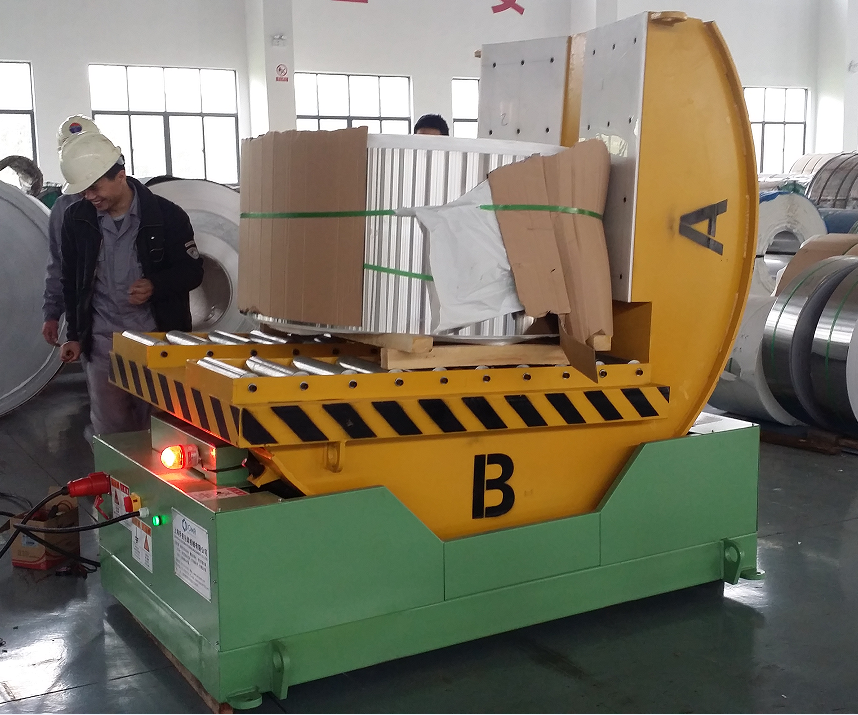
Understanding these standards might seem complex at first. But knowing them is key to protecting your team and your investment. It helps you pick the right equipment that will work safely and reliably for years. Let us explore how these standards can actually make your factory safer and more productive.
Why Are Safety Standards Crucial for Coil Upenders?
Are you tired of constantly worrying about workplace injuries? Do you see your team struggling with manual handling tasks that put them at risk? The old ways of moving heavy coils or molds are not just slow; they are dangerous. This creates high insurance costs and makes it hard to keep good workers. It also impacts your output.
Safety standards for coil upenders are not just rules to follow. They are guides for building a safer, more efficient workplace. These standards make sure the machines are designed to protect workers from harm. They also help prevent damage to valuable materials like steel coils. When I started my first factory, I quickly learned that investing in safety was not an expense. It was a smart business decision. It cut down on accidents. It also boosted worker morale. This made the whole operation run smoother.
When we talk about safety standards, especially for heavy machinery like coil upenders, we are looking at several key areas. These areas include machine guarding, emergency stop systems, and proper warning labels.
Protecting Your People and Products
Safety standards directly address the risks involved with heavy loads. Imagine a 20-ton steel coil. Moving it manually is almost impossible and extremely dangerous. An upender changes the orientation of these heavy loads safely. But the upender itself must be safe. Standards ensure there are physical barriers to prevent workers from reaching moving parts. They require buttons that can immediately stop the machine if something goes wrong. This protection is critical. It saves lives. It also prevents injuries that can cost a factory a lot of money in medical bills and lost work time.
For example, when I built my packing machine factory, I made sure every machine had robust guarding. I knew from experience that even a small mistake could lead to a serious accident. We focused on pinch points and crush zones around our coil packing lines. A well-designed upender, compliant with strong standards, has these areas covered. It means less risk of a worker’s hand or clothing getting caught. It also means less chance of a heavy coil falling unexpectedly during a turn.
Reducing Financial Risks
Beyond human safety, there is a clear financial benefit to compliance. Every accident costs money. There are direct costs like medical care and insurance premiums. There are also indirect costs like lost production time, investigations, and negative publicity. By investing in a coil upender that meets high safety standards, you reduce the likelihood of these incidents. This keeps your insurance costs lower. It also keeps your production schedule on track.
I remember a client whose factory used outdated manual methods. They had frequent product damage and worker injuries. Their insurance rates were through the roof. When they invested in an automated coil upender that met international safety standards, things changed. Their injury rate dropped. Product damage decreased significantly. They saw a clear return on their investment (ROI) within a year. This is because a safer machine is a more reliable machine. A reliable machine helps you produce more, not less. It makes your factory more profitable in the long run.
Ultimately, safety standards are about proactive risk management. They force manufacturers to think about potential dangers and design solutions for them. For factory managers like Michael Chen, this means peace of mind. It means knowing that the equipment you buy is built with safety as a priority. This is not just good for your workers. It is good for your business.
What Does KOSHA Expect from Heavy Machinery Like Upenders?
Are you wondering what specific rules apply to heavy machinery in Korea? Do you feel overwhelmed by technical jargon when looking at equipment specifications? Understanding KOSHA’s role can make things clearer. KOSHA, the Korea Occupational Safety and Health Agency, sets the guidelines for workplace safety across various industries. They want to prevent accidents and promote a healthy work environment.
KOSHA sets clear standards for machinery safety. These standards apply to equipment like coil upenders. They often align with international best practices. KOSHA aims to make sure all machinery operating in Korea is safe for workers. They focus on how machines are designed, built, and used.

When you are buying an upender, it is important to know what these expectations mean for you. KOSHA focuses on general safety principles that apply to all dangerous machines.
Key Aspects of KOSHA’s Machinery Safety Directives
KOSHA’s directives for machinery safety are broad. They cover many machine types, including upenders. Their focus is on ensuring machines do not pose undue risks to workers. This involves several key areas:
- Design for Safety: Machines must be designed to minimize hazards. This includes stable structures to prevent tipping. It also means smooth operation to avoid sudden movements. For upenders, this means designing the tilting mechanism to be robust. It must handle the maximum load without stress or failure. It also means having interlocks that prevent operation if safety guards are not in place.
- Safety Devices: All dangerous parts of a machine must have safety devices. These include guards, emergency stop buttons, and safety interlocks.
- Guards: These are physical barriers. They prevent workers from coming into contact with moving parts. For an upender, this could be fencing around the rotation area. It could also be covers over hydraulic cylinders.
- Emergency Stop Buttons: These buttons must be easy to reach. They must immediately cut power to the machine in an emergency. They are usually red and clearly marked. I always insisted on multiple e-stop buttons on our packing lines. They were located at every key access point.
- Safety Interlocks: These systems prevent the machine from operating unless certain conditions are met. For example, an upender might not operate if a safety gate is open. Or it might stop if it detects an overload.
- Warning Systems and Markings: Machines must have clear warnings about potential hazards. This includes labels, signs, and audible alarms. These warnings tell operators about crushing risks, electrical hazards, or the maximum load capacity.
- Material and Construction Quality: KOSHA expects machines to be built from durable, high-quality materials. These materials must withstand the intended use and environmental conditions. For a coil upender in a heavy metal processing plant, this means robust steel frames and reliable hydraulic components. These parts must handle the constant stress of heavy lifting and tilting.
- User Manuals and Training: Manufacturers must provide clear operating manuals. These manuals include safety instructions and maintenance procedures. Employers must also provide proper training to their workers. This ensures that operators understand how to use the machine safely. It also helps them recognize and avoid dangers.








