
How Can Operators in Malaysia Quickly Resolve Coil Upender Downtime?
A coil upender grinding to a halt in your Malaysian factory. This instantly brings production to a stop. It creates a bottleneck. Every minute of downtime costs you money. It affects your delivery schedules. This is a big problem. But there are ways to fix it fast.
Operators in Malaysia can quickly resolve coil upender downtime by first checking power connections. They must also inspect for jammed coils or foreign objects. They should listen for unusual noises. Then, they need to review the control panel for error codes. Basic troubleshooting often finds simple issues. Skilled operators can fix these on the spot. This restores operations without delay. This quick response prevents longer outages and saves production time.
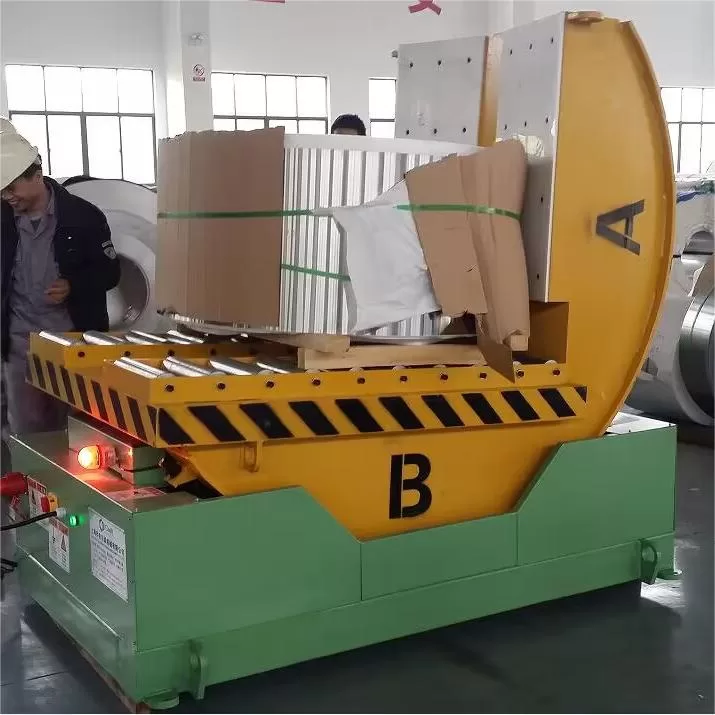
Getting your coil upender back online fast is important. It helps keep your production flowing. It also saves your company a lot of money. My experience in the packing machine industry has taught me much. Let me share some practical steps. These steps can help any operator in Malaysia, or anywhere else, deal with these problems.
What Are The First Steps When Your Upender Stops?
Your coil upender just stopped. This is a problem. You need to act fast. Every second counts. What do you do right now?
Operators should first perform a visual check. Look for loose wires or jammed parts. Check the emergency stop button. Then, review the control panel for error messages. These steps can help pinpoint simple issues. They can solve the problem quickly.

When a coil upender stops, immediate action is needed. The first step for any operator is to prioritize safety. Always ensure the machine is properly shut down. This means pressing the emergency stop button. Then, lock out the power source. This prevents accidental startups. It keeps everyone safe. After safety is handled, a systematic check can begin. The control panel is a good place to start. It often shows error codes. These codes are like messages. They tell you what is wrong. Operators should be familiar with common error codes for their specific upender model. Knowing these codes saves time. It helps them understand the problem quickly. For example, an error code might indicate a motor overload. Or it could point to a sensor issue. This information directs the next steps.
Next, a thorough visual inspection is crucial. Look around the machine. Check for anything unusual. Is there a coil stuck somewhere? Are any parts jammed? Sometimes, a small piece of debris can stop the entire operation. Look at all moving parts. Check the hydraulic hoses for leaks. See if any electrical cables are loose. Listen for strange noises. A grinding sound or a sudden clunk can indicate a mechanical problem. Operators should check the power supply. Make sure the machine is getting power. Ensure all safety guards are in place. Sometimes, an open safety guard can stop the machine.
Simple issues often cause downtime. A loose limit switch might stop the movement. A coil might be misaligned. This can trigger a sensor. Operators can often fix these problems themselves. They need to know what to look for. They need to know how to safely clear jams. They must also know when to call for help. If the problem is complex, do not try to fix it. Call a maintenance technician. My time in factories taught me this. Trying to fix something you do not understand can cause bigger problems. It can also be unsafe.
Here is a simple checklist for quick troubleshooting:
| Step | Action | Reason |
|---|---|---|
| 1 | Check E-stop | Ensures safety, often simple reset |
| 2 | Read Control Panel | Displays error codes, guides diagnosis |
| 3 | Visual Inspection | Finds jams, leaks, loose connections |
| 4 | Listen for Unusual Sounds | Indicates mechanical issues |
| 5 | Check Power Supply | Verifies machine is receiving power |
Following these steps methodically will help operators. They can quickly find the root cause of the downtime. This helps them restore the upender to operation. It saves valuable production time in Malaysian factories.
How Can Routine Checks Prevent Major Upender Breakdowns?
Stopping downtime is good. Preventing it is better. How can we do this? Proactive measures keep machines running smoothly.
Regular maintenance checks are key. Operators should daily inspect for unusual sounds, vibrations, or leaks. They must also check lubricant levels and moving parts. This proactive approach helps catch small problems. It stops them before they become big ones. This saves time and money. It also avoids major production stoppages.
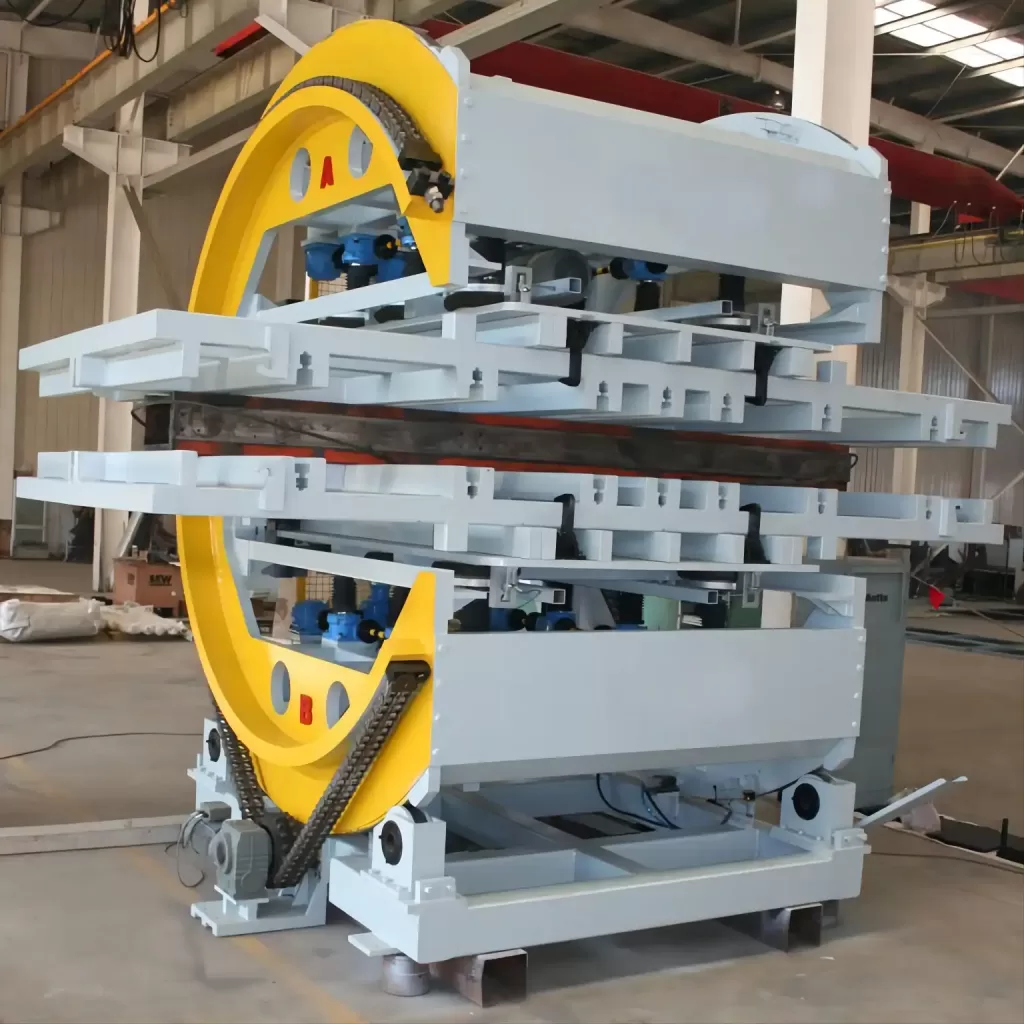
Preventing downtime is more cost-effective than fixing it. This is true for any factory, including those in Malaysia. Routine checks play a vital role here. Operators are on the front lines. They see and hear the machine every day. They are the first line of defense against major breakdowns. A daily checklist should be part of their routine. This checklist helps them catch problems early. For example, they should check hydraulic fluid levels. Low fluid can cause pumps to fail. They should look for any oil leaks. Leaks indicate worn seals or loose connections. These can lead to hydraulic system failure if not fixed.
Lubrication is also very important. Moving parts need grease or oil. If they do not get enough, they wear out fast. This causes friction. It generates heat. This leads to component failure. Operators should check grease points daily. They must make sure all moving parts are properly lubricated. They should also check the tension of chains and belts. Loose chains can slip. This causes poor performance. Tight chains can break. This leads to complete machine stoppage. Adjusting them properly helps ensure smooth operation.
Vibrations or unusual noises are major warning signs. A smooth-running machine makes a consistent sound. If the sound changes, something is wrong. A new rattling sound might mean a loose bolt. A high-pitched whine might indicate a failing bearing. Operators need to be trained to listen for these signs. They also need to report them quickly. Early detection allows for planned maintenance. This is better than emergency repairs. Planned maintenance causes less disruption. It is also less expensive.
Documenting these checks is critical. A simple logbook can track daily inspections. It can record observations. It can note any small repairs made. This data helps managers see patterns. It shows which parts wear out often. It helps schedule parts replacement. It also helps predict future maintenance needs. For instance, if a specific sensor fails every six months, you can replace it before it breaks. This turns reactive maintenance into proactive maintenance. This saves a lot of money and keeps production high. It reduces the stress on factory managers. This is why I always emphasize documentation to my clients. It provides valuable insights. It helps make smart decisions.
Key Routine Checks for Upender Longevity:
- Daily Visual Inspection: Look for cracks, dents, or signs of stress on the frame.
- Lubrication Points: Ensure all grease fittings and oil reservoirs are full.
- Hydraulic System: Check hoses for wear, leaks, and proper pressure (if gauge is visible).
- Electrical Connections: Inspect for loose wires or burnt insulation.
- Sensor Cleanliness: Make sure all sensors are clear of dirt or debris.
- Noise and Vibration: Listen for new sounds; feel for unusual vibrations.
Following these checks helps extend the life of your coil upender. It keeps it running safely and efficiently. This prevents costly downtime for operators and factories in Malaysia.
Why Is Operator Training Key To Less Downtime?
Machines are only as good as the people running them. Are your operators fully prepared? Do they know what to do when something goes wrong?
Well-trained operators understand how coil upenders work. They know how to identify early warning signs of trouble. They can also perform basic troubleshooting correctly. Proper training means faster response times. It also means fewer costly mistakes. This leads to significantly less downtime. Training is an investment that pays off quickly.

Operator training is not just a formality. It is a critical investment. It directly impacts machine uptime and overall factory safety. My years in the packing machine industry showed me this again and again. An untrained operator might cause more problems than they solve. They might not know the right way to load a coil. This can damage the upender. It can also damage the product. They might not understand error codes. This delays troubleshooting. This leads to longer downtime.
Proper training covers several key areas. First, it teaches correct machine operation. This includes loading and unloading coils safely. It covers using the control panel correctly. It also teaches how to adjust settings for different coil sizes. Operators who know these basics handle the machine well. This reduces wear and tear. It extends the upender’s life. It also prevents product damage. Michael Chen, a factory manager, worries about product damage. Good training helps avoid this.
Second, training builds troubleshooting skills. It is not enough to just operate the machine. Operators need to know what to do when something goes wrong. This means understanding the machine’s components. It means knowing how different parts work together. They learn to interpret error messages. They learn how to safely clear minor jams. They also learn when to call for expert help. They know their limits. This prevents them from making a bad situation worse. It makes sure that technicians are called only when truly needed. This saves money on service calls.
Third, safety training is vital. Coil upenders handle heavy loads. Accidents can be very serious. Operators must know all safety protocols. They must use proper lockout/tagout procedures. They must understand pinch points. They must also know emergency stop locations. Safety training reduces the risk of accidents. It protects the workers. It also lowers insurance costs for the factory. Michael Chen, the factory manager, cares deeply about safety. Good training is the best tool to improve safety.
Finally, training should be ongoing. Technology changes. Machines get new features. Operators need refresher courses. They need updates on new safety guidelines. Continuous learning keeps skills sharp. It ensures operators are always performing at their best. This reduces the chances of errors. It leads to consistent and efficient operation. This is key for factories in Malaysia looking to boost output.
Benefits of Well-Trained Upender Operators:
- Faster Problem Solving: They can quickly identify and fix common issues.
- Increased Safety: They follow proper procedures, reducing accident risks.
- Reduced Product Damage: They operate the machine correctly, protecting coils.
- Lower Maintenance Costs: They spot issues early, preventing major breakdowns.
- Higher Machine Uptime: They keep the upender running efficiently.
Investing in operator training is an investment in your factory’s future. It makes your operations safer and more profitable. It helps you get the most out of your coil upender.
My Insights!
When I started as an employee at a packing machine factory, I saw many things. I learned how machines work. I also learned what happens when they break down. Later, I built my own factory. This gave me even deeper knowledge. I saw firsthand what pressure factory managers face. They need high output. They need to control costs. They must keep workers safe. A coil upender stopping meant all these goals were at risk.
My journey taught me that a machine is not just a piece of metal. It is a key part of your business’s success. It must be reliable. It must be efficient. Many clients I worked with grew their businesses. This happened because they invested in the right machines. They also understood their operation. They knew how to make the most of their equipment. This is the difference between simply buying a machine and investing in a solution.
Coil upenders are crucial machines. If they stop, your whole production line stops. I know the pressure factory managers, like Michael Chen, face. They need high output. They also need low costs. They cannot afford downtime. This is why I started FHOPEPACK. My goal is to share knowledge. It is about more than selling a machine. It is about providing a solution. It is about becoming a true partner for my clients.
I always push for simple, durable machines. These machines can handle tough factory conditions. They reduce downtime. They also cut down on maintenance costs. They are built to last. I also believe in sharing expertise. This means helping operators understand their machines. It means showing them how to troubleshoot. It means guiding them on proper maintenance. This knowledge empowers them. It makes them better at their jobs. It also helps the factory run smoother.
My goal with FHOPEPACK is to give back. I am grateful for what the packing machine industry gave me. It helped me achieve financial independence. Now, I want to help others. It is about helping them avoid the problems I faced. It is about helping them achieve their own success through smart factory operations. Reliability is key. Understanding how your machine works helps you achieve this. Finding a supplier who cares about your success is also key. It is about finding a true partner. This partner will help you navigate challenges. They will offer professional insights. They will provide reliable solutions. This is the FHOPEPACK promise.
Conclusion
Resolving coil upender downtime quickly is vital for Malaysian factories. Operators can achieve this by following systematic troubleshooting, performing routine checks, and undergoing proper training. These steps reduce disruptions, boost safety, and improve profitability for your business.








