
How Can Operators in India Troubleshoot Common Steel Coil Upender Issues Quickly?
Imagine your steel coil production line. It is running smoothly. Then, suddenly, your upender stops. The coils are stuck. Your team stands idle. This problem quickly costs you time and money. It can hurt your daily output and delay customer orders.
Operators in India can quickly troubleshoot common steel coil upender issues by following a clear, step-by-step process. This involves checking power supply, hydraulic levels, and looking for mechanical obstructions. They should also inspect basic electrical connections and listen for unusual noises. Early detection and simple fixes prevent long downtimes.
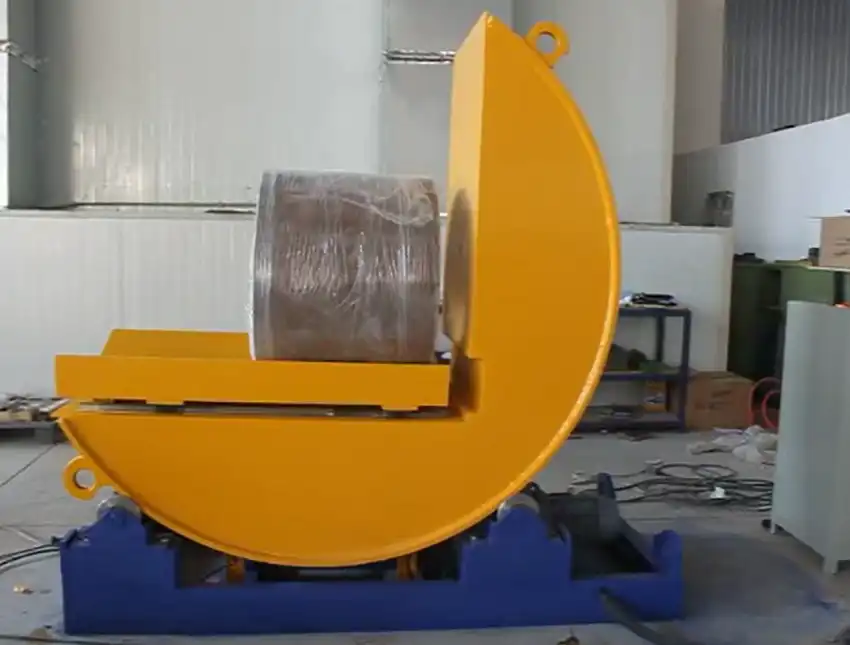
Stopping problems fast is important. It keeps your factory moving. It saves you from big losses. I have seen this many times in my own factory. Let us look at the common issues and how to fix them without delay.
Why Do Steel Coil Upenders Fail Often in Harsh Indian Conditions?
Have you ever worked in a busy factory where machines just seem to break down too often? In places like India, factories often face tough working conditions. High temperatures, dust, and heavy use put a lot of stress on machines. This leads to common failures in steel coil upenders.
Steel coil upenders often fail in harsh Indian conditions due to several factors. These include consistent heavy loads, dust and heat leading to wear, and voltage fluctuations affecting electrical parts. Also, a lack of regular maintenance and using non-standard spare parts contribute to breakdowns. Understanding these root causes helps operators prevent issues before they happen.
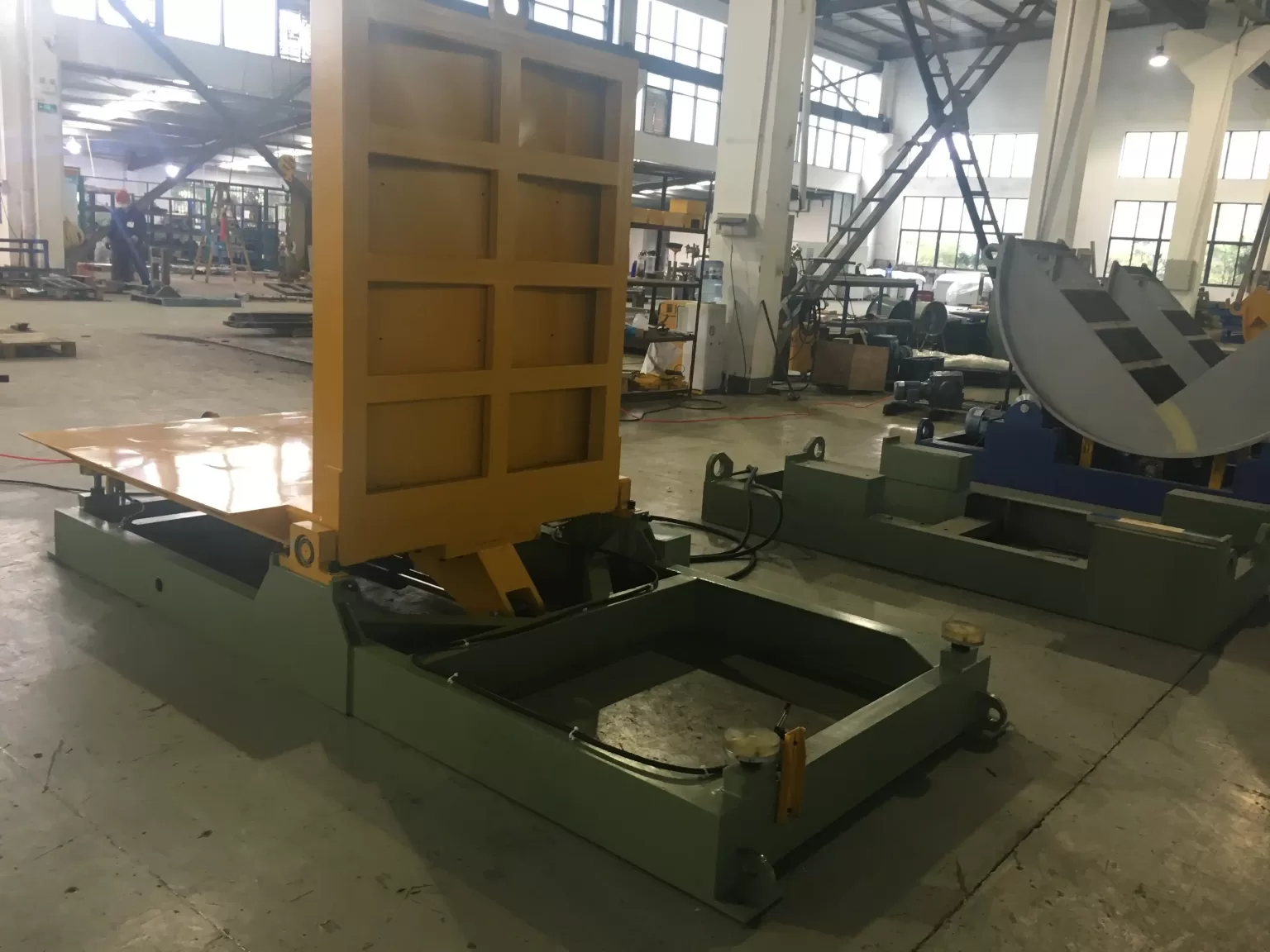
Understanding the Causes of Upender Breakdowns
When I started my packing machine factory, I learned fast that machine reliability is key. Every minute of downtime costs money. For a factory manager like Michael, who oversees big operations, this is a major concern. He wants equipment that can handle tough environments without failing. This means the upender needs to be strong. It needs to keep working day after day.
Many issues come from the factory floor environment. High temperatures can cause hydraulic oil to break down faster. Dust can get into moving parts and electrical cabinets. This leads to wear and short circuits. Also, power supply can be unstable in some areas. Voltage spikes or drops can damage motors and control systems.
Another big factor is the constant heavy load. Upenders lift and turn heavy steel coils all day. This puts a lot of stress on the frame, bearings, and hydraulic cylinders. If the machine is not designed for this, or if it is overloaded, it will fail. Operators might not always follow the load limits. This also causes problems.
Lastly, maintenance plays a huge role. If operators do not clean the machine regularly, or check oil levels, or grease moving parts, problems will start. Using cheap or wrong spare parts also causes issues. I always tell my clients to invest in quality parts. It saves money in the long run. Good parts mean the machine runs longer. It means less repairs.
Here is a simple table showing common environmental issues and their impact:
| Environmental Factor | Impact on Upender | Example Result |
|---|---|---|
| High Temperature | Overheats motors, degrades hydraulic fluid | Reduced efficiency, fluid leaks, motor failure |
| Dust and Dirt | Clogs filters, wears moving parts, short circuits | Mechanical jams, electrical faults, reduced lifespan |
| Heavy Load | Stresses frame, bearings, hydraulic components | Structural damage, hydraulic leaks, bearing failure |
| Power Fluctuations | Damages electrical components, inconsistent operation | Control system errors, motor burnout |
| Lack of Maintenance | Wear and tear, lack of lubrication, unnoticed issues | Frequent breakdowns, unexpected failures |
Understanding these factors is the first step to keeping your upender running.
How Can Operators Fix Hydraulic System Issues Quickly?
Does your steel coil upender move slowly or not at all? Is it making strange whining noises? These are common signs of hydraulic system problems. When the hydraulic system fails, your entire upending process stops. This directly impacts your production flow and delivery times.
Operators can fix many hydraulic system issues quickly by checking the oil level first. Low oil is a common cause of slow movement or no movement. After that, they should check for obvious leaks around hoses and cylinders. They also need to ensure the hydraulic pump is running and filters are not clogged. These steps often identify the problem fast.
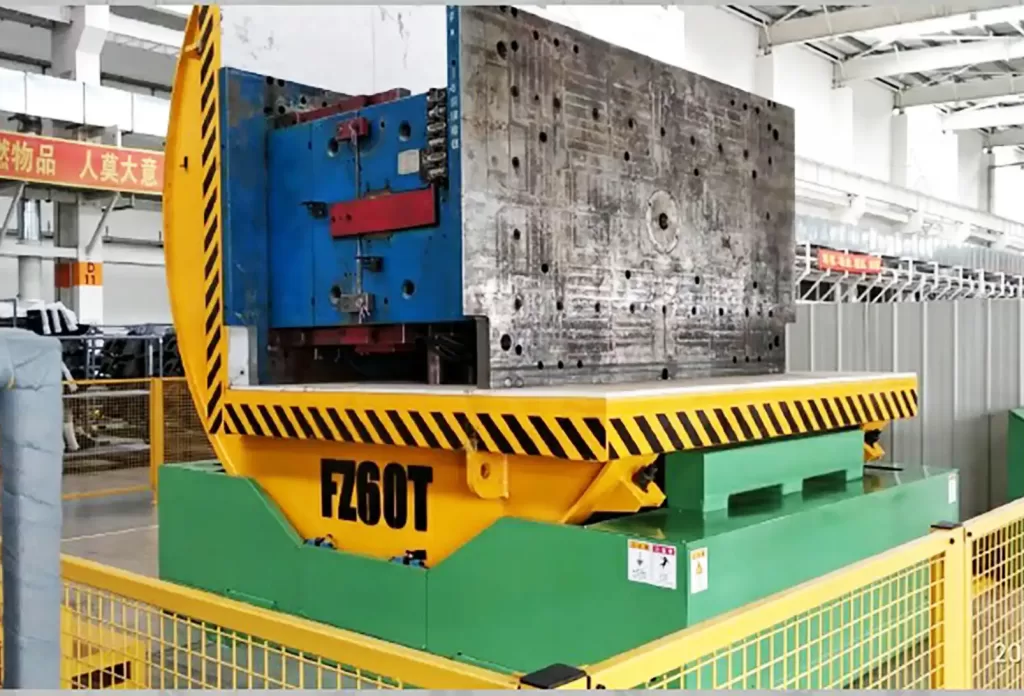
Practical Steps for Hydraulic Troubleshooting
In my years building and working with packing machines, hydraulic systems were always a critical part. They are powerful but also need specific care. When a hydraulic system acts up, the first thing I tell my team is to stop and think. Do not just guess. Follow a clear process. This saves time and prevents bigger damage. Michael, as a factory manager, needs his team to be efficient.
The most common hydraulic issue is low oil. The upender needs enough hydraulic fluid to create pressure. If the oil level is low, the pump might not be able to draw fluid. This leads to a loss of power. Always check the sight glass on the hydraulic tank. If it is low, add the correct type of hydraulic oil. Make sure it is clean. Contaminated oil can cause big problems later.
Next, look for leaks. Hoses can crack. Fittings can come loose. Cylinders can start to leak fluid around their seals. Even a small leak can cause pressure loss over time. If you see wet spots on the floor or on the machine, trace them back to the source. A leaking hose might need to be replaced. A loose fitting just needs tightening.
Listen to the pump. Does it sound normal? A loud whining noise often means the pump is struggling to get fluid. This can happen if the oil is too thick, or if the intake filter is blocked. Check the hydraulic filter. If it is dirty, it will restrict oil flow. A dirty filter needs to be replaced.
Lastly, check the valves. Hydraulic systems use valves to direct fluid flow. If a valve is stuck open or closed, the upender will not move correctly. Sometimes, small debris can get into a valve and prevent it from working. This usually needs a qualified technician to check. But operators can ensure the manual levers (if any) are in the correct position.
Here is a troubleshooting guide for common hydraulic issues:
| Symptom | Possible Cause | Quick Check/Fix |
|---|---|---|
| Upender moves slowly | Low hydraulic oil level | Check sight glass, add oil if needed. |
| Clogged hydraulic filter | Inspect filter, replace if dirty. | |
| Worn hydraulic pump | Listen for unusual noise, check pressure gauge. | |
| Upender does not move | Very low oil or no oil | Check tank, refill. |
| No power to pump motor | Check electrical supply to pump motor. | |
| Main relief valve stuck open | Professional help needed for valve inspection. | |
| Oil leaks | Loose hose fittings | Tighten fittings. |
| Damaged hoses or seals | Inspect for cracks/wear, replace damaged parts. | |
| Loud whining noise | Air in hydraulic system | Bleed air according to manual. |
| Clogged suction line | Check suction filter, clean if blocked. |
Addressing these points helps restore proper function.
What Are the Simple Steps to Resolve Mechanical Jams?
Has your upender suddenly stopped mid-cycle? Are coils stuck or not fully turning? This often points to a mechanical jam. Mechanical issues can bring your entire production to a halt. They cause frustration and costly downtime. Worse, trying to force a jammed machine can lead to more serious damage or safety risks for operators.
Operators can resolve many mechanical jams by first ensuring the power is off for safety. Then, they should visually inspect the upender for any foreign objects. This includes loose coil banding, stray debris, or misaligned coils. Using non-metallic tools to carefully remove obstructions can often clear the jam quickly. They should also check for loose bolts or worn parts.
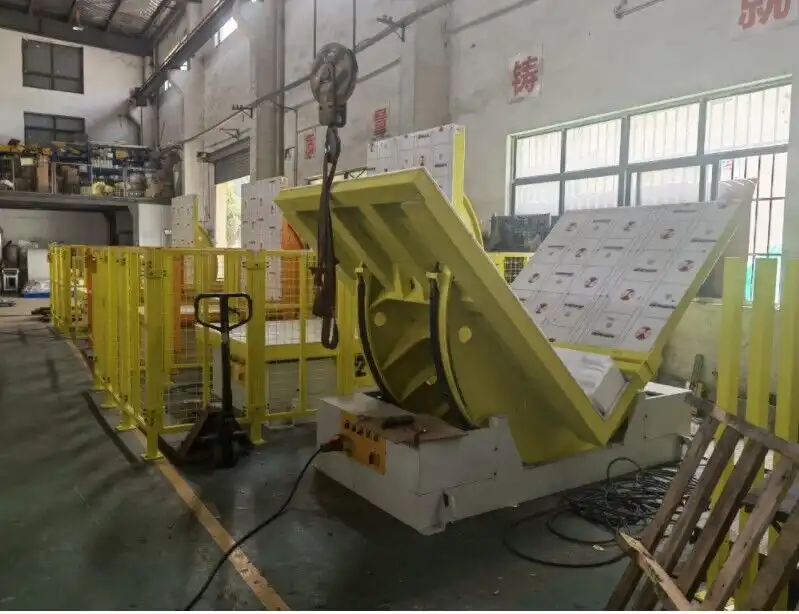
Dealing with Obstructions and Wear
Safety is always first. When I think about factory operations, I remember the pressure to keep things moving. But Michael’s concern about safety is real. Manual handling of heavy coils or trying to unjam a powerful machine by hand is dangerous. Always cut power first. This is a must. Do not skip this step.
After cutting power, look closely. Are there any parts of the coil that are out of place? Sometimes, the strapping on a coil can come loose and get caught in the upender’s mechanism. Other times, small pieces of metal or debris from the factory floor can fall into the moving parts. Look under the platform, around the pivot points, and inside any protective covers.
Use a flashlight. Look for anything that does not belong. If you see something, try to remove it carefully. Use tools that will not damage the machine, like wooden blocks or a soft mallet. Do not use crowbars or hammers on delicate parts. If the coil itself is misaligned, you might need a forklift or another piece of equipment to gently re-position it. Make sure the area is clear of people before any movement.
Also, check for signs of wear. Worn bearings can cause parts to grind and eventually seize up. Loose bolts can cause parts to shift and jam. If you see excessive play in moving parts, or if bolts are visibly loose, tighten them. Replace any parts that are clearly broken or heavily worn. Lubrication is important here too. Make sure all moving parts are properly greased. Lack of grease causes friction and heat. This can lead to jamming.
Here are some mechanical jam scenarios and solutions:
| Symptom | Possible Cause | Quick Check/Fix |
|---|---|---|
| Upender is stuck | Foreign object caught | Cut power, visually inspect, remove debris carefully. |
| Coil misalignment | Cut power, use forklift to re-align coil gently. | |
| Worn or seized bearings | Listen for grinding, inspect bearings. Call technician if seized. | |
| Grinding noises | Lack of lubrication | Identify unlubricated parts, apply proper grease. |
| Loose components | Check bolts and fasteners, tighten them. | |
| Uneven movement | Bent or damaged frame | Visually inspect frame for deformation. Needs professional repair. |
| Worn pivot points | Check for excessive play, lubricate or replace bushings. |
A systematic approach helps you find and fix the problem safely.
Can Electrical Control Problems Be Solved Without an Expert?
Is your upender completely unresponsive? Do the control buttons not work? These are classic signs of electrical control problems. Electrical issues can be tricky. They often make the machine seem dead. This means production stops completely. Getting an electrician can take time, further delaying your operations.
Operators can solve some simple electrical control problems without an expert. They must first check the main power switch to ensure it is “on.” Then, they should inspect the emergency stop buttons to see if any are pushed in. After that, they should check circuit breakers and fuses for trips or blows. Simple resets or replacements of fuses can often fix the issue.
Basic Electrical Checks for Operators
From my time in the industry, I know that factory managers like Michael want solutions. They do not want to wait for outside help for every small issue. Empowering operators to handle basic electrical checks saves a lot of time and money. But safety is key. Electricity is dangerous. Always respect it.
Before touching anything, confirm the main power to the upender is off. Make sure the lockout/tagout procedure is followed. This is important. It prevents accidental startup. Once power is confirmed off, start with the most basic checks.
First, check the main disconnect switch. Is it in the “on” position? Sometimes, it gets turned off by mistake. Then, look at all emergency stop buttons. These are red and usually mushroom-shaped. If any are pushed in, the machine will not run. Twist them or pull them out to reset.
Next, open the electrical control panel. Look for tripped circuit breakers. They usually have a small switch that is popped out or halfway between “on” and “off.” Push them fully to “off” then back to “on” to reset them. Also, look for blown fuses. A blown fuse means there was an overload. The wire inside the fuse will be broken. Replace any blown fuses with new ones of the same rating. Never use a fuse with a higher rating.
Inspect wiring for obvious damage. Look for wires that are cut, frayed, or burned. Check connections to motors and sensors. Are they loose? Tighten any loose connections. Sometimes, a vibration can cause a wire to come loose from a terminal. This can stop a component from working.
If these basic checks do not work, then it is time to call a qualified electrician. They have the right tools and knowledge to diagnose deeper issues like faulty sensors, relays, or PLC programming. Do not try to fix complex electrical problems yourself if you are not trained.
Here is a simple electrical troubleshooting guide for operators:
| Symptom | Possible Cause | Quick Check/Fix |
|---|---|---|
| Upender completely unresponsive | Main power off | Check main disconnect switch, turn “on.” |
| Emergency stop pressed | Check all E-stop buttons, reset them. | |
| Tripped circuit breaker | Inspect control panel, reset any tripped breakers. | |
| Blown fuse | Check fuses, replace blown ones with correct rating. | |
| Specific function not working | Loose wire connection | Inspect wiring for component, tighten connections. |
| (e.g., limit switch not sensing) | Faulty sensor | Check sensor for damage, ensure it’s not blocked. Call expert if damaged. |
These basic checks can often bring your upender back to life quickly.
My Insights on Proactive Maintenance for Upenders!
We have talked a lot about fixing things fast when they break. But what if they do not break as often? This is where proactive maintenance comes in. It is about preventing problems before they start. From my own journey, running a factory and helping many clients, I have learned that prevention is better than cure. Michael, like any smart factory manager, wants to reduce product damage and improve safety. Proactive maintenance does both.
My biggest insight is that a small investment in regular checks pays off huge. For steel coil upenders, this means daily, weekly, and monthly tasks. Daily checks are simple visual inspections. Look for leaks, listen for strange noises, and check gauges. Weekly, you might grease points and clean filters. Monthly, you do deeper inspections, check all fasteners, and test safety systems.
Regular maintenance helps in many ways. It catches small issues before they become big, expensive breakdowns. For example, finding a small hydraulic leak early means you fix it before it drains all the oil and damages the pump. This reduces downtime. It also keeps your production moving smoothly, which helps with efficiency goals.
Another key part is training your operators. They are on the front lines. They know the machine best. Teach them what to look for. Give them simple checklists. Empower them to do basic maintenance tasks. This makes them part of the solution. It also means they report bigger issues faster.
Lastly, do not forget about spare parts. Keep critical spare parts on hand. Things like fuses, common seals, and filters. This way, when a small part fails, you can replace it right away. You do not have to wait for delivery. This avoids long downtimes. Investing in quality spare parts from trusted suppliers, like FHOPEPACK, helps build a reliable machine.
In essence, proactive maintenance is not just about fixing machines. It is about building a culture of care and foresight in your factory. It ensures your upender runs reliably, helps meet production targets, and keeps your team safe. This is how you truly master your wrapping machine.
Conclusion
Quick troubleshooting and proactive care for steel coil upenders keep factories running. Operators can fix many common issues. This prevents downtime, saves money, and improves safety.








