
How Does Seamless MES/ERP Integration Optimize Coil Upender Performance in India?
Factories across India, and indeed around the world, often face a core problem: managing heavy materials like steel coils. You are likely dealing with slow processes, potential worker injuries, and even damaged products. This reality can weigh heavily on any factory manager. It impacts your bottom line and keeps you up at night.
Seamless MES (Manufacturing Execution System) and ERP (Enterprise Resource Planning) integration significantly boosts coil upender performance by providing real-time data, automating material flow, and reducing manual errors in industrial settings in India. This connected system ensures upenders operate at peak efficiency, are scheduled precisely, and contribute to overall productivity gains, directly tackling the core challenges of modern manufacturing.
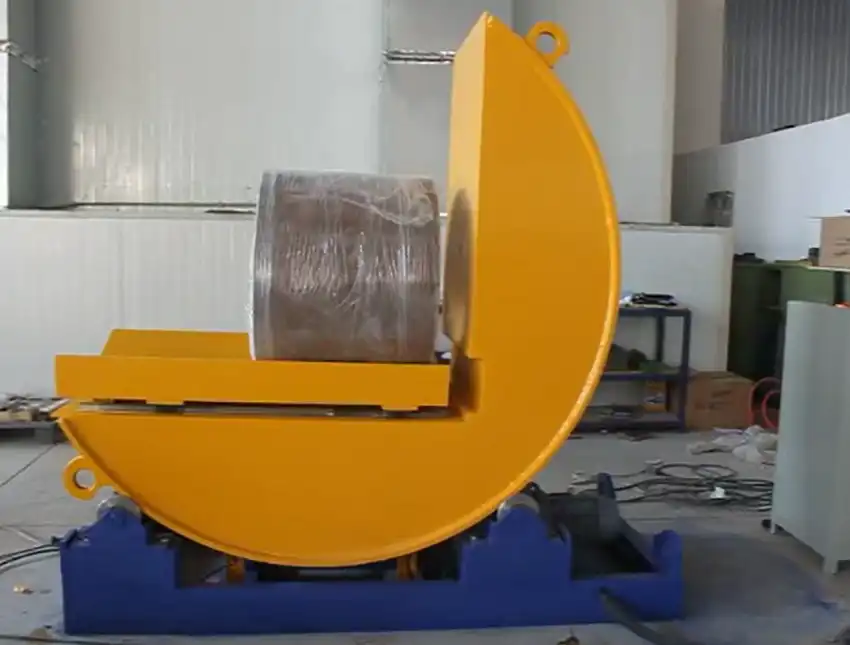
As someone who built a packing machine factory from the ground up, I have seen these issues first-hand. I know the pressures you face. It is not just about buying a machine. It is about finding a solution that truly solves your problems. Let us explore how smart integration can transform your factory operations, starting with the very real challenges of today.
Why is manual coil handling still a problem for factories like yours?
You work hard every day to keep your factory running. Yet, some tasks feel stuck in the past. Moving heavy coils by hand or with outdated methods creates huge headaches. This old way of working limits your output. It makes your team less efficient.
Manual coil handling remains a significant problem in many factories because it is slow, increases the risk of serious worker injuries, and often leads to product damage. Relying on human strength for heavy lifting also means higher labor costs, more insurance claims, and frequent production bottlenecks, directly hurting a factory’s overall profitability and safety record.
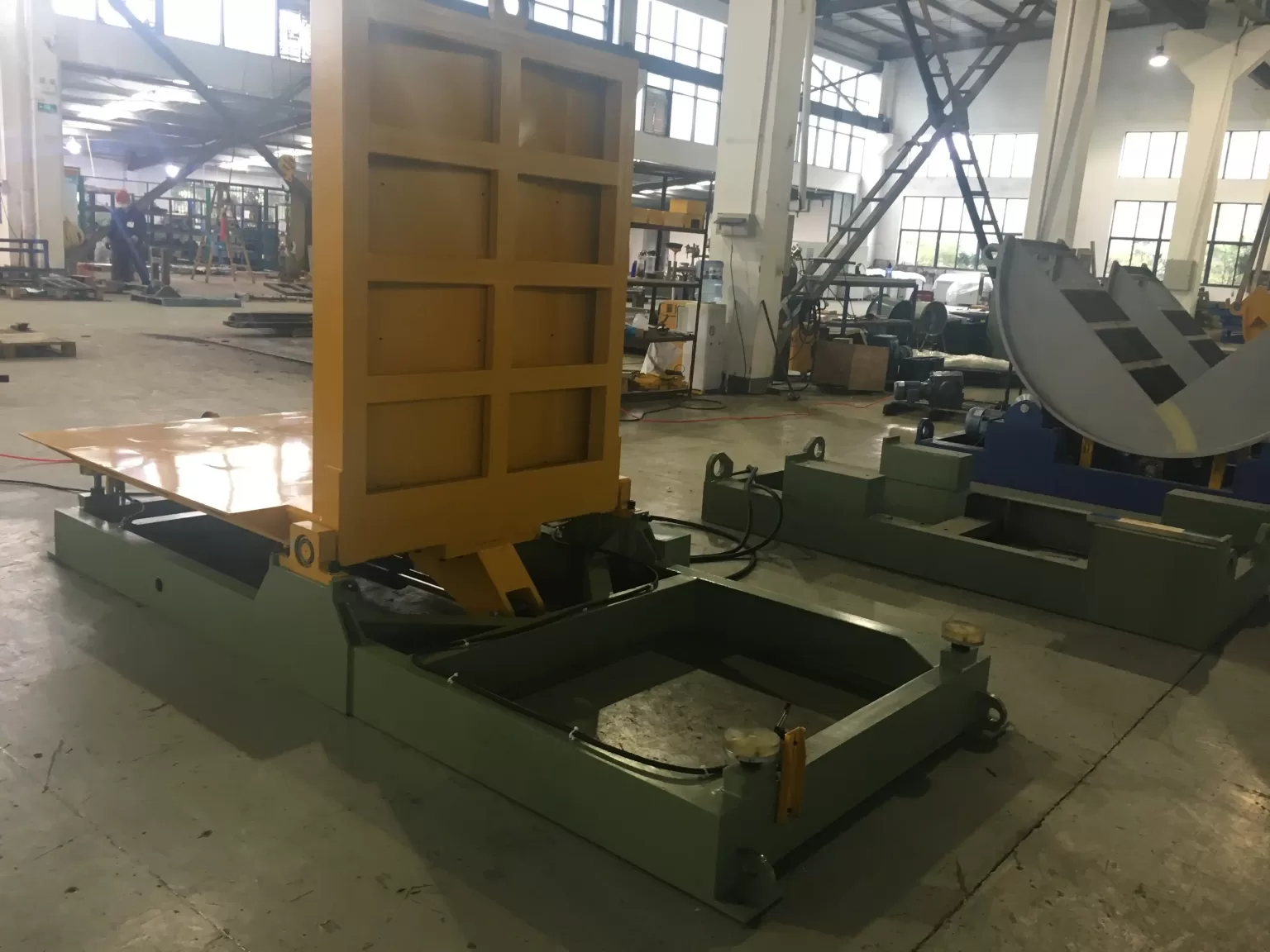
I remember when I first started in the packing machine industry. I saw many factories struggling with these exact issues. They spent so much money on rework and managing workplace accidents. It was clear that a better way was needed. It is not just about moving a coil from point A to point B. It is about doing it safely, quickly, and without causing any damage. This is especially true for factories handling high volumes of heavy goods. Think about a busy steel plant in India. Every second counts. Every mistake costs money. When you use manual methods, you face a range of operational and financial pitfalls.
High Cost of Manual Labor
Hiring enough people to move heavy coils is expensive. These costs include wages, benefits, and training. It is not just the hourly rate. It is the long-term expense. When you add up sick days and staff turnover, the numbers become even bigger. This affects your budget. It makes it hard to invest in other areas of your business. Manual labor also means you cannot easily scale up your production. If you get a big order, you need more people. Finding and training them takes time. This can cause delays. Delays mean unhappy customers. They also mean lost revenue.
Increased Risk of Worker Injury
Moving heavy items like steel coils or large molds by hand is very dangerous. Workers can suffer back injuries, crushed limbs, or falls. These accidents lead to high medical costs. They also mean higher insurance premiums. A serious injury can stop production. It can lower team morale. No factory manager wants to see their employees hurt. This risk is a major concern. It affects your reputation as an employer. It also creates legal liabilities. A safe workplace is a productive workplace. Manual lifting goes against this idea.
Product Damage and Waste
When you move coils by hand, there is a higher chance of damage. Coils can get scratched, dented, or warped. This leads to customer complaints. It means you have to rework products or scrap them entirely. This is a direct loss of profit. For sensitive materials, even small damage makes the product unusable. This wasted material impacts your bottom line. It also affects your factory’s efficiency metrics. Reducing product damage is key to maintaining quality and customer trust.
Production Bottlenecks and Slow Throughput
Manual handling is slow. It creates a choke point in your production line. Workers can only move so many coils in an hour. This limits your overall output. If your packing process is slow, the whole factory slows down. This affects your delivery times. It makes it hard to meet tight deadlines. In a competitive market, speed is vital. Manual processes make it impossible to compete effectively. They hold your factory back from reaching its full potential.
| Problem Area | Impact on Factory Operations | Cost Implications |
|---|---|---|
| Manual Labor | Slow production, inconsistent quality, limited scalability | High wages, benefits, training, turnover costs |
| Safety Risks | Worker injuries, low morale, production halts, legal issues | Medical bills, insurance premiums, compensation |
| Product Damage | Rework, scrap, customer complaints, quality issues | Lost revenue, material waste, reputational damage |
| Bottlenecks | Reduced throughput, delayed deliveries, missed deadlines | Lost orders, reduced competitiveness, operational inefficiency |
How can a coil upender solve your biggest safety and efficiency challenges?
Are you tired of the high costs and dangers of manual coil handling? Do you want a way to boost your factory’s output without risking your workers’ safety? The answer might be simpler than you think. There is a proven solution.
A coil upender directly addresses factory safety and efficiency challenges by automating the process of rotating heavy coils from a horizontal to a vertical position, or vice versa. This eliminates manual lifting, significantly reduces worker injury risks, and speeds up material flow, leading to improved safety records, lower labor costs, and higher throughput.
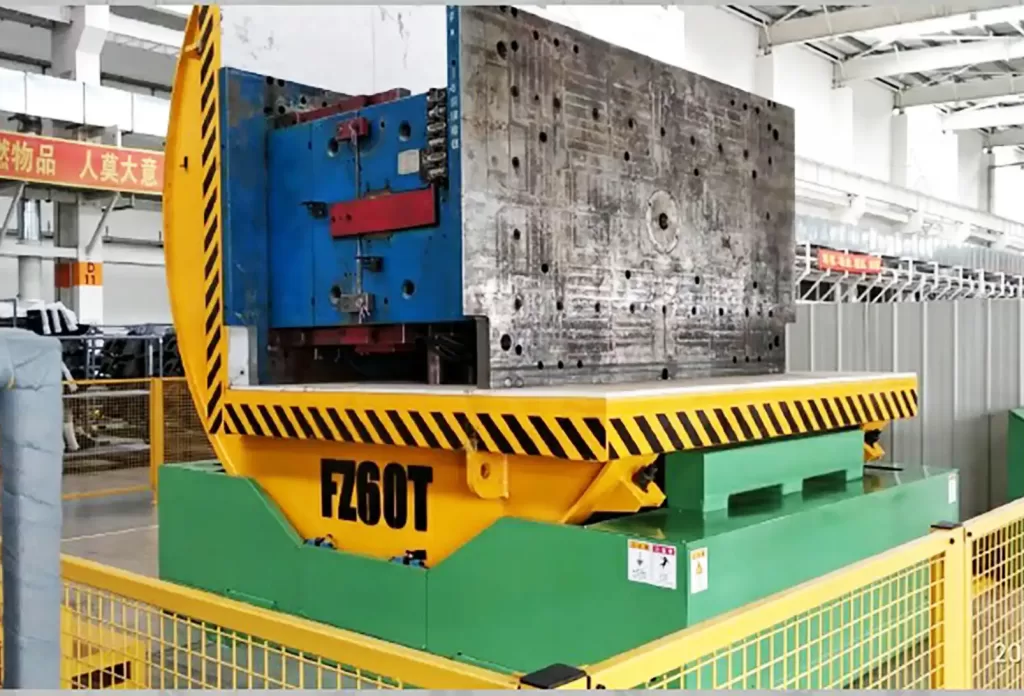
I remember talking to Michael, a factory manager in Mexico. He faced all these issues: slow manual processes, constant safety worries, and product damage. He was looking for a partner, not just a seller. He wanted solutions. I told him about the power of automation. Investing in the right equipment, like a coil upender, is not just an expense. It is a strategic move that pays for itself. It is a way to protect your people and your profits. This machine makes a real difference in how your factory operates. It changes the game.
Eliminating Manual Lifting and Reducing Injuries
The main benefit of a coil upender is that it removes the need for human workers to lift or flip heavy coils. These machines handle the weight. They use hydraulic or mechanical power to rotate the coil safely and smoothly. This means fewer strains, sprains, and crushed limbs for your team. A safer workplace means happier employees. It also means fewer insurance claims for your company. Your factory becomes a much safer place to work. This can attract better talent. It also helps you retain your best workers. Safety is not just a cost. It is an investment in your people.
Boosting Production Speed and Throughput
Coil upenders work much faster than manual methods. They can rotate a heavy coil in a matter of seconds or minutes. This significantly speeds up the packing or processing line. No more waiting for multiple workers to slowly move a coil. This increased speed means higher throughput for your factory. You can process more coils in a shorter time. This helps you meet tight deadlines. It allows you to take on bigger orders. Increased throughput directly leads to higher revenue. It makes your factory more competitive in the market.
Protecting Product Integrity and Reducing Waste
When coils are handled by machine, there is less chance of damage. The upender provides a controlled and stable rotation. This prevents dents, scratches, or other deformities. This means less waste. It means fewer customer complaints. Maintaining product quality is crucial for your brand reputation. It also saves you money on rework and material costs. Every coil that leaves your factory in perfect condition contributes to your profit. An upender helps ensure that.
Improving Overall Operational Efficiency
A coil upender makes your entire operation smoother. It integrates with your existing material flow. Workers can focus on other important tasks. They do not have to spend time on risky, heavy lifting. This reallocation of labor improves overall efficiency. The consistent performance of the upender removes a major bottleneck. Your factory runs more like a well-oiled machine. This boosts productivity across the board. It makes your investment pay off quickly.
What role does MES/ERP integration play in boosting your upender’s output?
You have a coil upender. It is helping. But are you getting the most out of it? Many factory managers buy equipment. They do not connect it to their wider systems. This leaves a lot of power on the table. Are you missing out on true optimization?
MES/ERP integration boosts coil upender output by linking its operation directly to production schedules and inventory management. This connectivity allows for automatic work order dispatch, precise material tracking, and real-time performance monitoring. It ensures the upender processes the right coil at the right time, minimizing idle periods and maximizing its contribution to the production line.
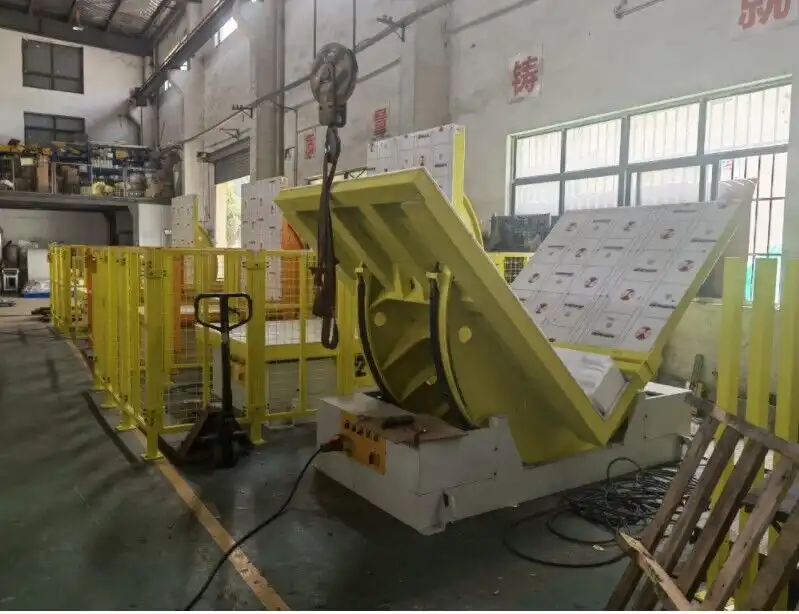
When I help factories, I always stress the importance of looking at the big picture. It is not just one machine. It is how all your machines work together. Think about your entire factory as a symphony. Each instrument needs to play its part at the right time. MES and ERP systems are the conductors. They make sure everything is in harmony. This is where the real gains come from. It is about making your upender smart. It is about making it part of your overall factory brain.
Real-Time Production Scheduling
MES (Manufacturing Execution System) connects your factory floor to your planning. It tells your coil upender exactly what to do and when to do it. Imagine your upender getting its instructions directly from your production schedule. It knows which coil to process next. It knows what orientation is needed. This removes guesswork. It removes manual data entry. This precision scheduling means your upender is always busy with the right task. It helps prevent bottlenecks before they even happen. This is especially useful in high-volume settings like steel processing plants in India, where thousands of coils move through daily.
Automated Inventory Tracking
ERP (Enterprise Resource Planning) systems manage all your business data. This includes raw materials and finished goods. When your upender is integrated, it can update inventory levels automatically. When a coil is processed, the system knows. It records the change. This provides accurate inventory counts. You know exactly what you have on hand. You know where each coil is in the production process. This helps you manage your supply chain better. It reduces errors from manual tracking. It also helps you avoid stockouts or overstock.
Data-Driven Performance Monitoring
Integration means your upender collects data as it works. This data goes straight to your MES/ERP system. You can see how long each operation takes. You can track uptime and downtime. This information helps you understand how well your upender is performing. It helps you find areas for improvement. You can spot trends. You can predict maintenance needs. This proactive approach prevents costly breakdowns. It ensures your upender runs at its best all the time. This data is gold for making smart decisions.
Seamless Workflow Integration
Connecting your upender to MES/ERP means it becomes part of a continuous data flow. Information from sales orders flows to production planning. From there, it goes to the factory floor machines. This creates a seamless workflow. There are no gaps. There are no delays in information sharing. This reduces human error. It speeds up the entire production cycle. Your upender is not just a standalone machine. It is a smart part of your integrated production line. This level of connection is how modern factories achieve peak efficiency.
Can smart data help you make better factory decisions?
You collect a lot of data in your factory every day. But is that data actually working for you? Or is it just sitting there, unused? Making good decisions depends on understanding what is really happening on your factory floor. Are you making choices based on old information or gut feelings?
Smart data, collected through MES/ERP integration, provides factory managers with real-time, accurate insights into operations. This allows for proactive problem-solving, optimized resource allocation, and informed investment decisions, leading to improved efficiency, cost savings, and a competitive edge in the market. This data empowers factory leaders to move from reactive to strategic management.
I have seen many factory managers make decisions based on outdated reports. They react to problems after they happen. My journey in this industry taught me that the best factories are proactive. They use data to predict and prevent issues. This is what smart data does for you. It turns raw numbers into actionable insights. It helps you run your factory like a well-oiled machine, not a chaotic workshop. It is the difference between guessing and knowing.
Understanding True Costs and ROI
Smart data from MES/ERP systems helps you see the real cost of every process. You can track labor costs, material costs, and energy usage related to your coil upender. This detailed breakdown shows you exactly where your money goes. It also helps you calculate the Return on Investment (ROI) for new equipment. You can see how much you save by reducing manual labor or preventing product damage. This clear financial picture helps you justify investments. It ensures that every dollar you spend brings real value back to your factory.
Optimizing Resource Allocation
With smart data, you can see how your resources are being used. Are your workers spending too much time on non-value-added tasks? Is your upender running at its optimal speed? This data helps you reallocate your workforce more effectively. It helps you schedule equipment maintenance at the right time. You can make sure every machine and every person is working towards maximum efficiency. This prevents waste of time and resources. It means your factory operates at peak performance.
Predictive Maintenance and Uptime
Integrated systems collect performance data from your coil upender. They can analyze this data to predict when maintenance might be needed. This is called predictive maintenance. Instead of waiting for a breakdown, you schedule repairs before they happen. This minimizes downtime. It ensures your upender is always available when you need it. High uptime means consistent production. It means fewer unexpected costs. It means more reliable delivery times for your customers. This proactive approach saves you a lot of money and headaches.
Enhancing Quality Control
Smart data helps you monitor quality at every step. If there is a recurring issue with coil damage, the system can flag it. You can trace back to the exact process or machine causing the problem. This allows for quick problem-solving. It helps you maintain high product standards. Good quality means happy customers. It also reduces costly returns and rework. Data helps you achieve consistent, high-quality output. It builds trust in your brand.
My Insights
From my own experience building FHOPEPACK, I know that success comes from understanding your business deeply and making smart investments. When I started my factory, I learned that the right tools, combined with smart processes, unlock huge potential. I saw clients grow their businesses because they embraced efficiency and automation.
The integration of MES and ERP with powerful equipment like a coil upender is not just about technology. It is about vision. It is about transforming your factory into a lean, safe, and highly productive operation. It is about moving from reacting to problems to proactively driving growth. This kind of setup allows you to truly master your production. It empowers you to make data-driven decisions that cut costs, boost output, and ensure the safety of your team. This is how you build a lasting, profitable business, whether you are in India, Mexico, or anywhere else in the world.
Conclusion
Seamless MES/ERP integration with coil upenders drives efficiency, enhances safety, and boosts productivity in factories. It gives managers like you the data to make smart choices, leading to significant cost savings and improved operations.








