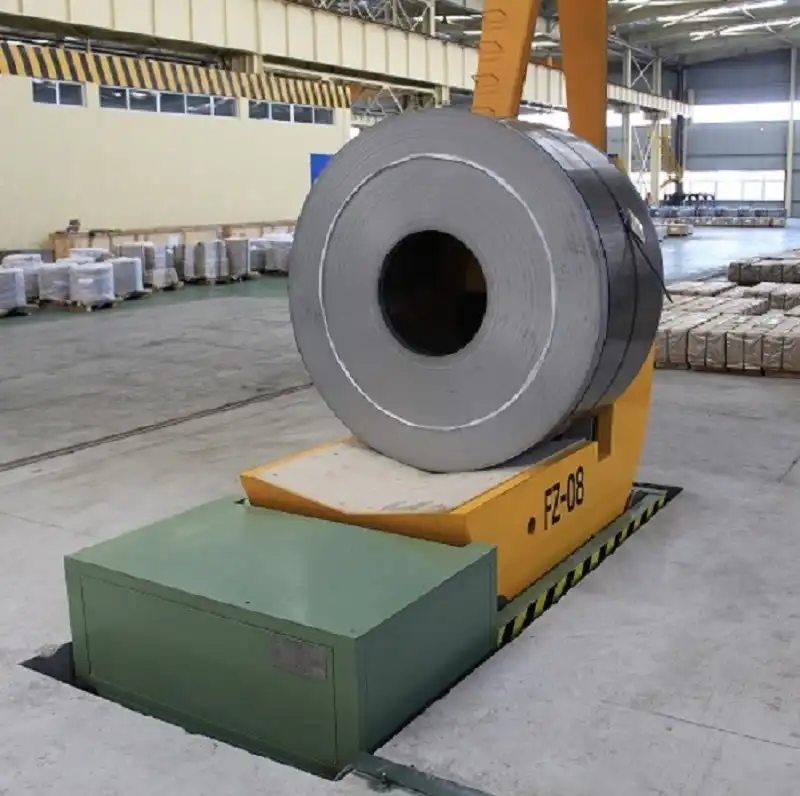
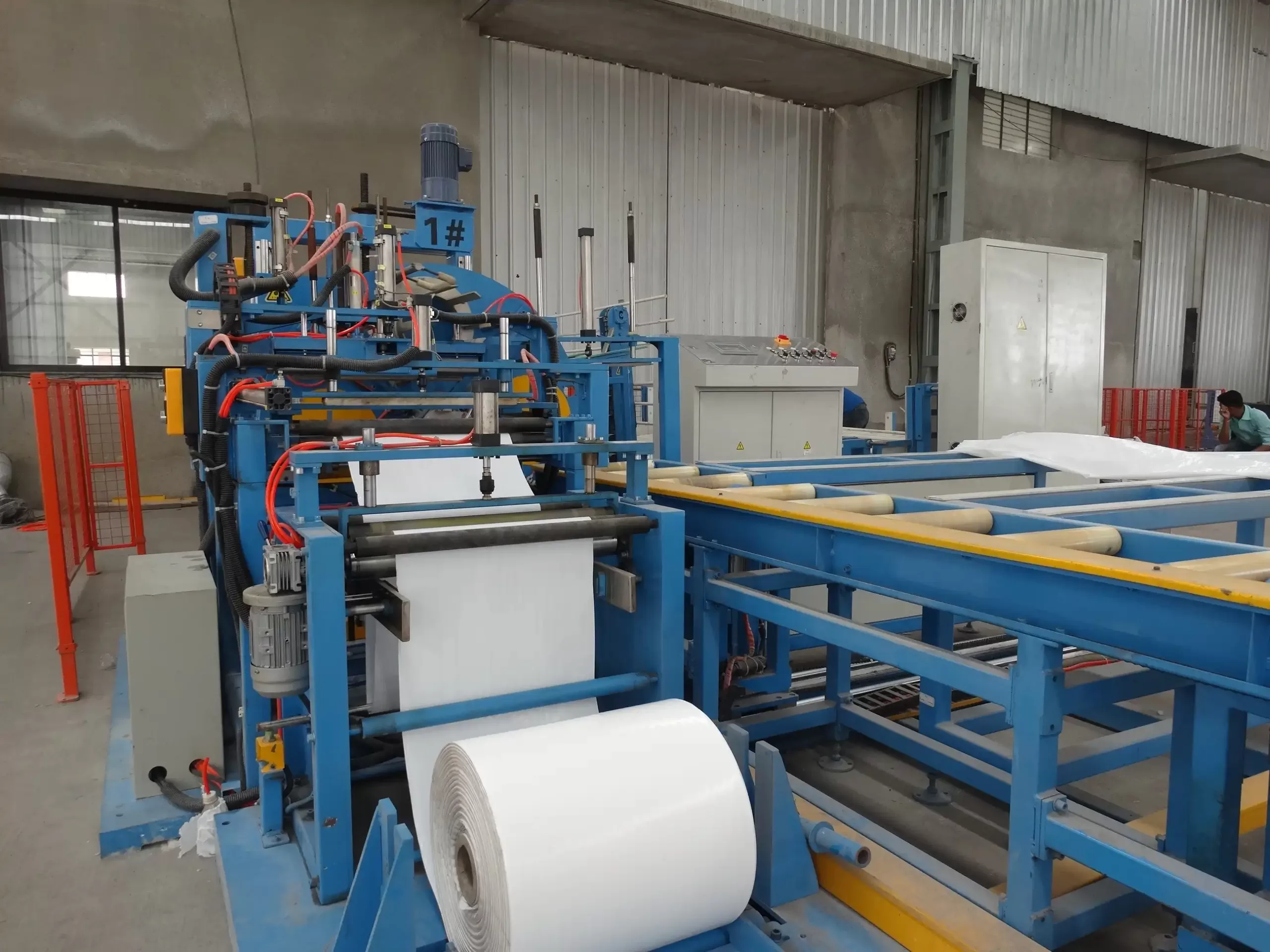
Understanding Load Capacity: Selecting the Appropriate Mold Flipper
Choosing the right mold flipper hinges on understanding load capacity. This selection directly influences safety, efficiency, and the longevity of your equipment. A well-informed decision ensures smooth operations and minimizes workplace hazards.
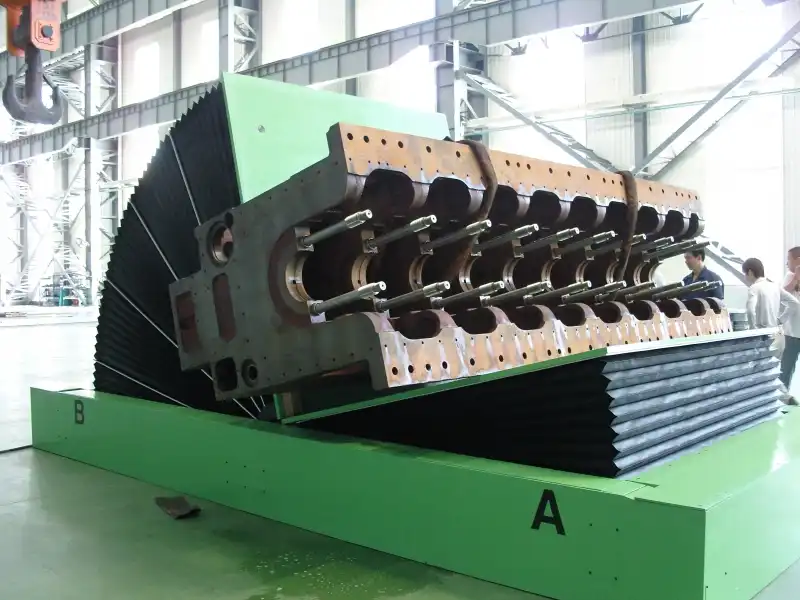
To select the appropriate mold flipper, prioritize understanding your mold’s weight and dimensions. Ensure the flipper’s load capacity significantly exceeds your heaviest mold to provide a safety margin and prevent equipment overload. Consider future needs and potential increases in mold weight for long-term usability.
Selecting the right mold flipper doesn’t need to be a daunting task. Let’s delve deeper into understanding the key factors and critical considerations for load capacity. This knowledge ensures you make an informed decision.
1. Understanding Mold Weight and Capacity Requirements
Accurately determining mold weight is the first and most crucial step. This weight dictates the required capacity of the mold flipper for safe and effective operation. Ignoring this step can lead to dangerous situations.
The primary factor in mold flipper selection is weight capacity. Ensure the flipper’s maximum load significantly exceeds the heaviest mold you handle. This prevents overload, breakdowns, and accidents. Account for future needs and potential mold weight increases. Differentiate between maximum capacity and Safe Working Load (SWL), prioritizing selection based on SWL.
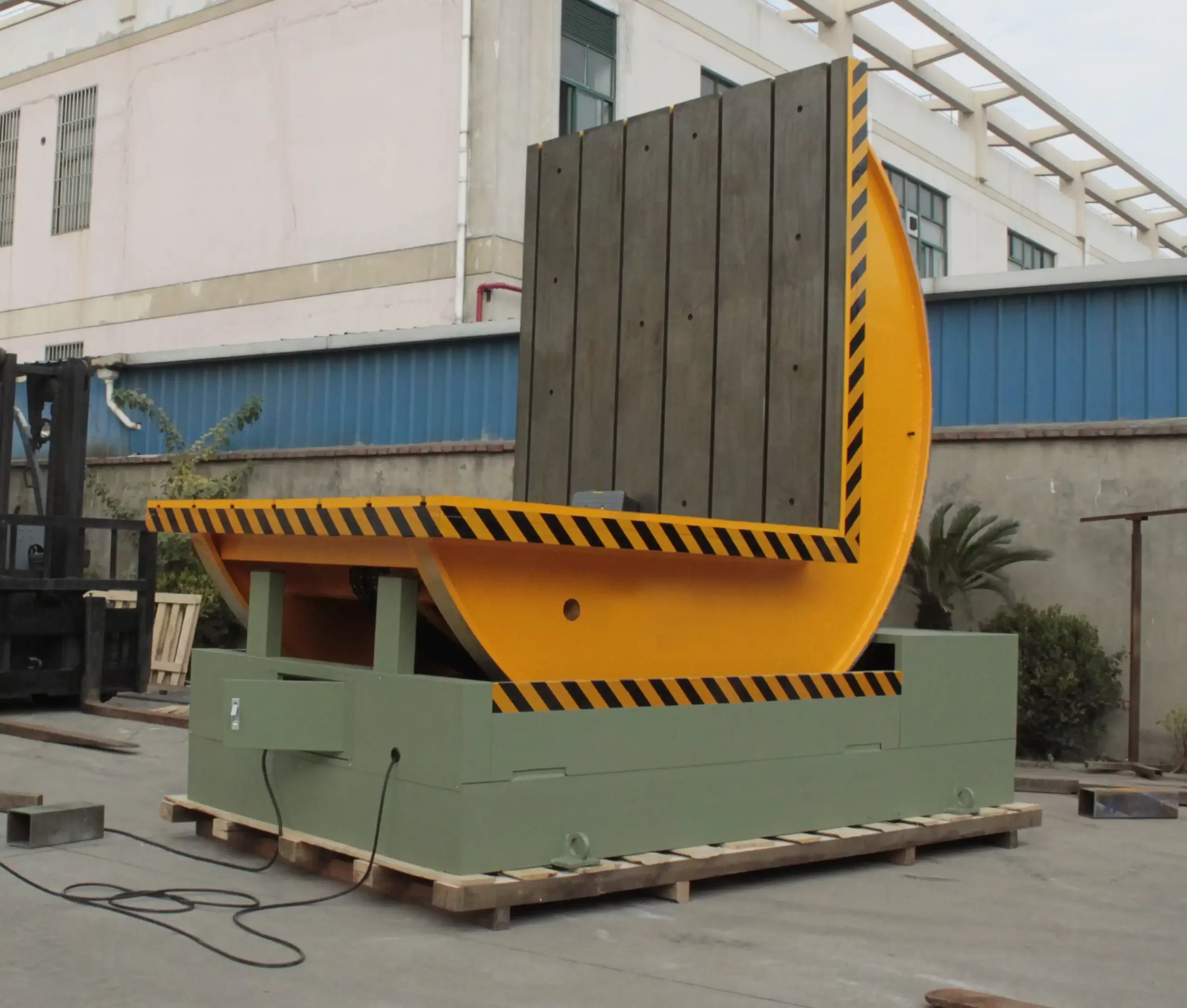
Critical Weight Considerations for Mold Flipper Selection
Selecting a mold flipper isn’t solely about matching the maximum weight; it necessitates understanding the full spectrum of weight-related factors. Failing to account for these can lead to operational inefficiencies and potential hazards.
Maximum Mold Weight vs. Safe Working Load (SWL)
Differentiate between maximum capacity and Safe Working Load (SWL). The maximum capacity might represent the absolute limit under ideal conditions, while the SWL is the manufacturer-recommended safe operating limit under normal working conditions. Prioritize selecting a mold flipper where your heaviest mold weight falls comfortably within the SWL.
Center of Gravity (CG) of Molds
The weight distribution within a mold, or its center of gravity, significantly affects the load on the flipper. Off-center loads can create uneven stress and reduce the effective capacity of the machinery. Consult with the manufacturer to ensure the chosen model can handle the off-center load.
Dynamic vs. Static Load
Mold flippers handle dynamic loads during the flipping motion, which are different from static loads when the mold is stationary. Dynamic loads can exert greater stress on the machinery. Ensure the mold flipper is designed to handle dynamic forces, especially for heavier molds or faster flipping cycles.
To illustrate the importance of these factors, consider the following scenarios:
| Factor | Scenario 1: Miscalculation | Scenario 2: Correct Assessment | Outcome |
|---|---|---|---|
| Mold Weight | Heaviest mold: 8 tons. Flipper chosen: 10-ton max capacity. | Heaviest mold: 8 tons. Flipper chosen: 15-ton SWL (20-ton max). | Scenario 1 risks overload and failure. Scenario 2 ensures a safety margin. |
| Center of Gravity | CG ignored for irregularly shaped mold. | CG analyzed. Custom platform designed for balanced support. | Scenario 1: Unstable flipping, potential tipping. Scenario 2: Stable operation. |
| Load Type | Flipper rated for static load only, used for frequent flips. | Flipper designed for dynamic loads, suitable for high-frequency use. | Scenario 1: Premature wear and tear, potential breakdown. Scenario 2: Durable performance. |
Carefully considering these weight-related factors and engaging with manufacturers allows for confident selection of a mold flipper that meets operational demands and ensures long-term safety and reliability.
2. Types of Mold Flippers and Their Suitability
Different types of mold flippers cater to varying load capacities and operational needs. Understanding these types is crucial for making an informed choice for your specific application, whether hydraulic, mechanical, or tilting tables.
Mold flippers come in various designs, including hydraulic, mechanical, and tilt tables. Hydraulic models excel with very heavy molds due to their high lifting capacity and smooth operation. Mechanical upenders are reliable for medium to heavy loads. Tilt tables offer versatility for lighter molds and can incorporate additional features like lift and transfer capabilities.
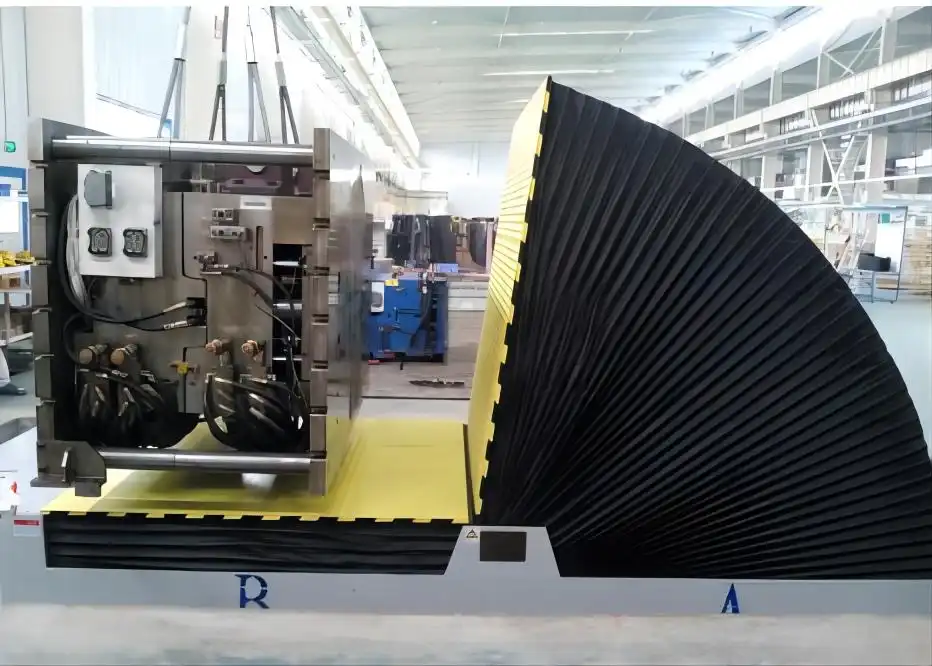
Exploring Different Mold Flipper Technologies
The market offers a range of mold flipper technologies, each with unique characteristics. Choosing the right technology is key to optimizing performance and cost-effectiveness.
Hydraulic Mold Flippers
Hydraulic mold flippers use hydraulic cylinders to generate lifting and rotating force. They excel in handling very heavy molds, often exceeding 20 tons. Hydraulic systems provide smooth, controlled motion and precise positioning. However, these systems can be more complex to maintain and may have higher initial costs.
Mechanical Mold Upenders
Mechanical upenders typically utilize motors, gears, and chains or screws to achieve the flipping motion. Mechanical upenders are known for their reliability and simplicity in design, often requiring less maintenance than hydraulic systems. However, their lifting capacity might be limited compared to the largest hydraulic models.
Tilting Tables and Lift Tables with Tilting Functionality
Tilting tables, and lift tables with integrated tilting, offer a more versatile approach, especially for lighter to medium molds. These may use hydraulic, pneumatic, or electromechanical systems. Their weight capacity is generally lower than dedicated hydraulic or heavy-duty mechanical upenders.
Here’s a comparative table:
| Feature | Hydraulic Mold Flippers | Mechanical Mold Upenders | Tilting/Lift Tables |
|---|---|---|---|
| Weight Capacity | Very High (20+ tons) | Medium to High (up to 20 tons) | Low to Medium (up to 10 tons) |
| Motion Control | Smooth, Precise | Robust, Reliable | Versatile, Adaptable |
| Maintenance | Higher Complexity | Lower Complexity | Moderate Complexity |
| Cost | Higher Initial Cost | Moderate Cost | Varies, can be lower |
| Best Suited For | Very Heavy Molds, Heavy Duty | Medium to Heavy Molds | Lighter Molds, Multi-function |
| Energy Efficiency | Can be less efficient | Generally more efficient | Varies |
Choosing the right type depends heavily on your mold weights, operational frequency, budget, and desired level of automation. Careful evaluation of these factors is essential.
3. Key Features and Customization Options
Beyond load capacity and type, specific features and customization options significantly impact usability, safety, and efficiency. Selecting a model with the right features tailored to your needs is crucial.
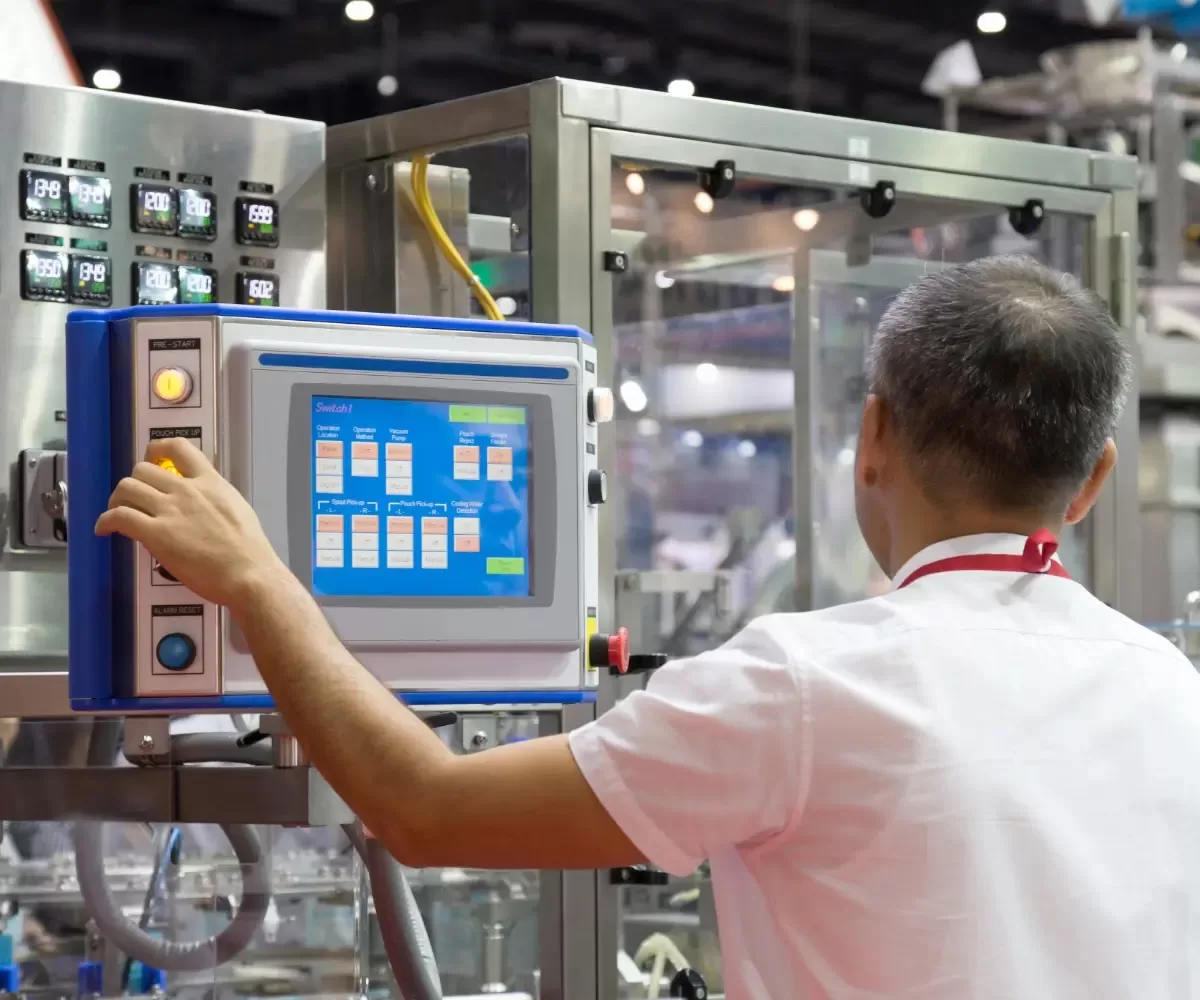
Essential features include safety mechanisms like emergency stops, secure locking systems, and overload protection. Consider the control system – is it user-friendly and precise? Customization can range from platform adjustments to specialized cradles, motorized adjustments, and integration with conveyor systems for automated workflows.
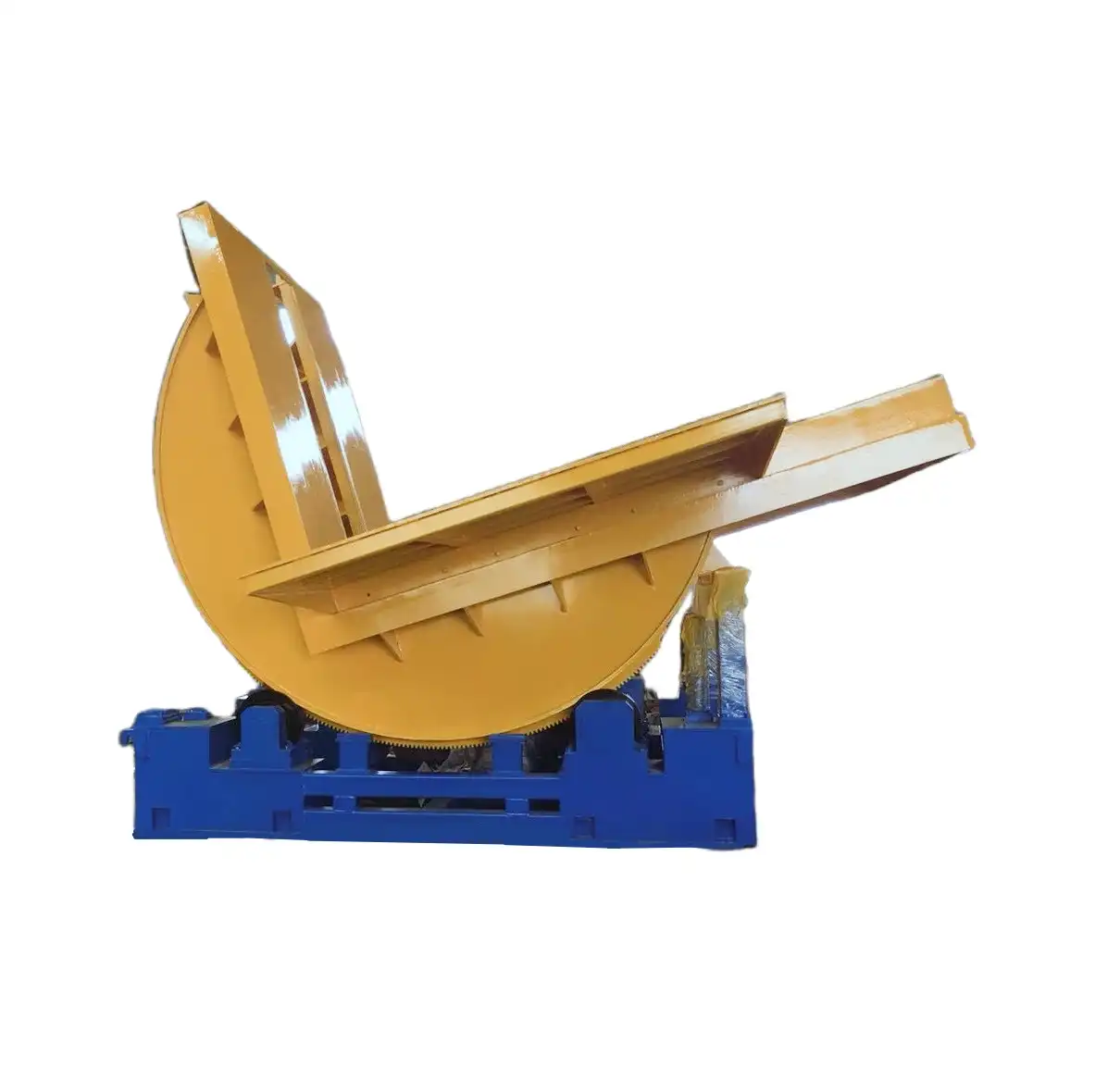
Optimizing Mold Flippers with Key Features and Customization
Standard mold flippers provide baseline functionality, but the real gains in efficiency and safety come from models with the right features and tailored customization.
Safety Features: Non-Negotiable Essentials
Safety should be paramount. Essential safety features include:
- Emergency Stop Buttons
- Locking Mechanisms
- Overload Protection
- Proximity Sensors & Light Curtains
- Safety Interlocks
Control Systems and User Interface: Enhancing Operability
The control system directly impacts ease of use and precision. Consider:
- Intuitive Controls
- Variable Speed Control
- Programmable Logic Controllers (PLCs)
- Remote Operation
- Positioning Accuracy
Customization for Specific Needs: Tailoring to Your Workflow
Standard models might not perfectly fit every application. Customization options to consider:
- Platform Size and Shape
- Motorized Adjustments
- Integration with Conveyor Systems
- Pit Mounting
- Weighing Systems
To illustrate the impact of features, consider this comparison:
| Feature | Model A (Basic) | Model B (Advanced Safety) | Model C (Customized) |
|---|---|---|---|
| Emergency Stop | Yes | Yes | Yes |
| Locking System | Basic Manual | Hydraulic & Mechanical | Enhanced Hydraulic |
| Overload Protection | No | Yes | Yes |
| Variable Speed | No | Yes | Yes, Programmable |
| Remote Control | No | Optional | Yes |
| Custom Platform | No | Limited Options | Fully Customizable |
| Conveyor Integration | No | No | Yes |
By carefully evaluating your operational needs and exploring available features and customization, you can select a mold flipper that enhances safety, efficiency, and integration.
4. Installation, Maintenance, and Long-Term Considerations
Installation, maintenance, and long-term operational considerations are vital for ensuring smooth integration and maximizing the lifespan of your investment. A proactive approach will pay dividends in the long run.
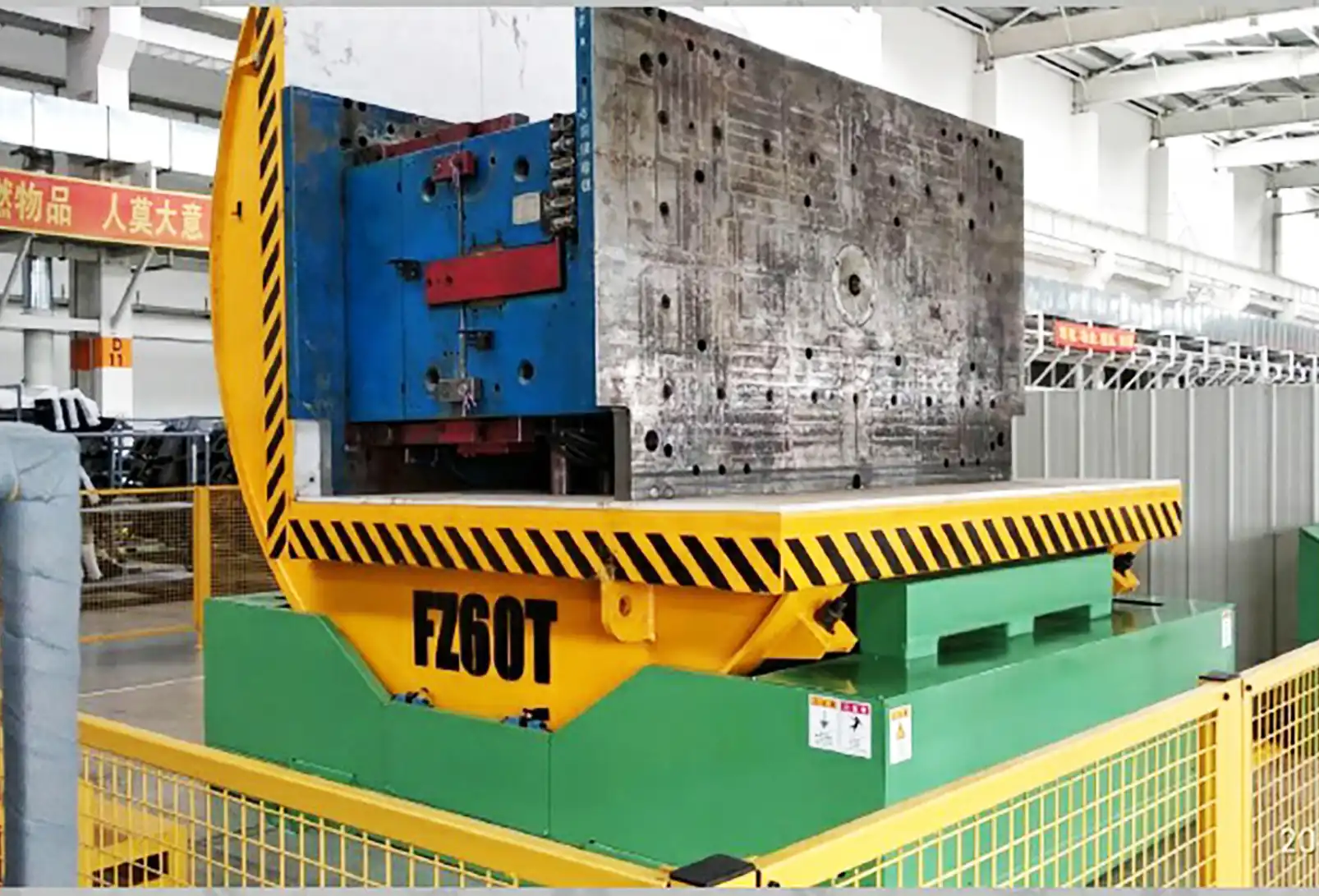
Proper installation is crucial for safe and effective operation. Consider floor loading capacity, power supply requirements, and space for access. Regular maintenance is essential. Factor in spare parts availability and manufacturer support. A well-maintained mold flipper will provide years of reliable service and minimize downtime.
Selecting a mold flipper is a significant investment, and ensuring its long-term performance requires careful planning beyond the initial purchase. Installation should follow below steps:
- Site Preparation
- Power Requirements
- Space Planning
- Professional Installation
Maintenance should include:
- Regular Inspection Schedule
- Lubrication
- Hydraulic System Checks
- Electrical System Checks
- Calibration and Adjustments
Long-Term Considerations should include:
- Spare Parts Availability
- Manufacturer Support and Warranty
- Operator Training
- Lifecycle Cost Analysis
- Upgrades and Refurbishment
By proactively addressing installation, maintenance, and long-term considerations, you can maximize the return on your investment in a mold flipper, ensuring reliable performance and a safe working environment for years to come.
Conclusion
Choosing the right mold flipper is a critical decision impacting safety, productivity, and cost-effectiveness. Remember to prioritize safety and adequate load capacity. Investing in the right mold flipper means a safer and more efficient workplace.