
Strategic Benefits of Implementing Mold Flippers in Operations
Implementing mold flippers in manufacturing operations marks a significant leap forward, addressing persistent challenges of time, cost, and safety. These machines are pivotal for handling heavy molds, automating turns, reducing manual labor, and boosting overall productivity, thereby streamlining the entire production workflow for enhanced operational excellence.
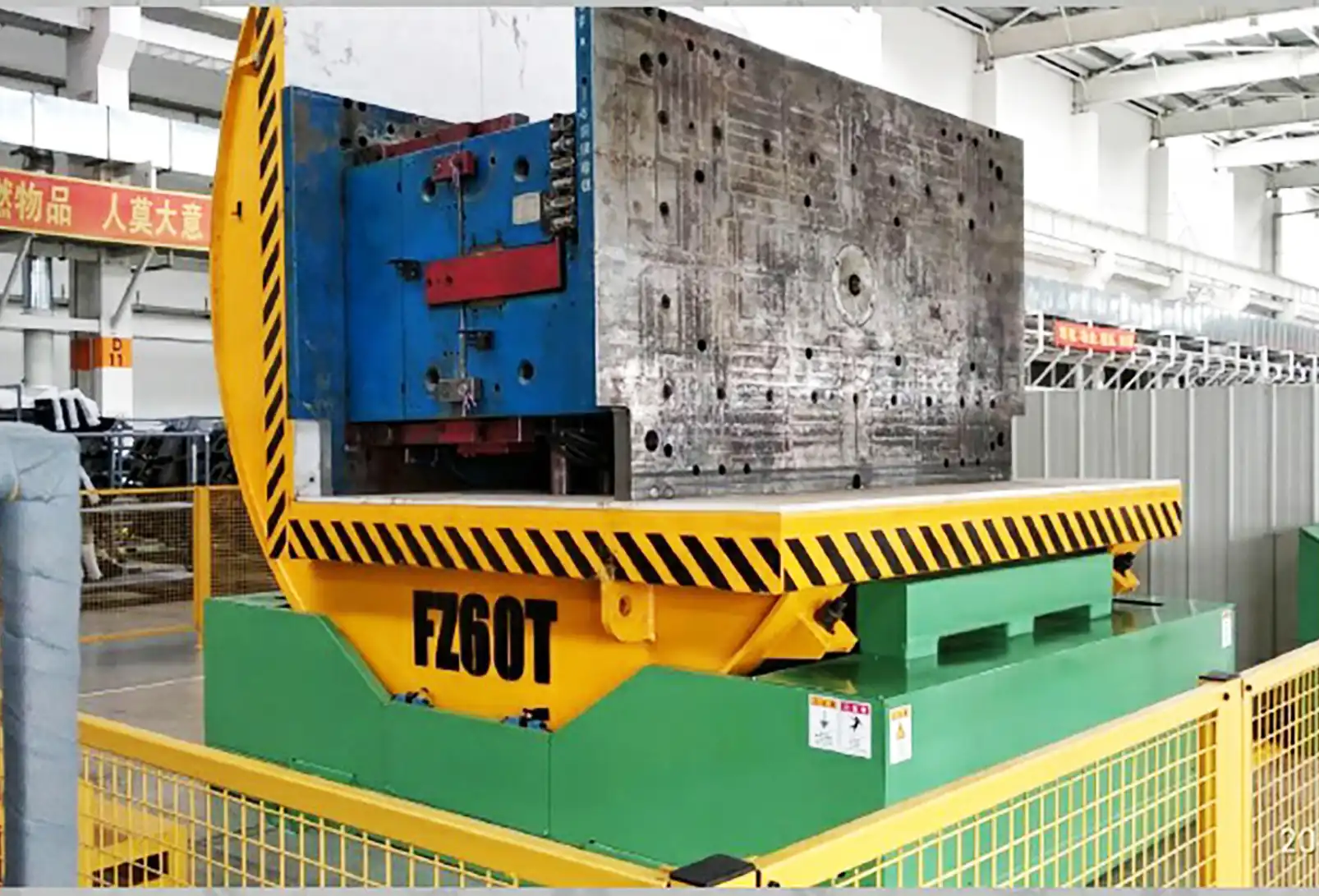
Strategic benefits of implementing mold flippers include drastically improved operational safety by minimizing manual handling risks, enhanced production efficiency through automated and precise 180-degree mold turning, significant reductions in cycle times and labor costs, and improved mold longevity due to gentle handling. This leads to higher throughput, consistent product quality, and a substantial competitive advantage in today’s demanding manufacturing landscape, turning operational hurdles into opportunities for growth.
The integration of such advanced machinery is not merely a technological upgrade but a strategic imperative for companies aiming to thrive. By automating a critical, yet often cumbersome, part of the production process, mold flippers unlock new levels of efficiency and safety. This article will delve into the operational mechanics, key benefits, market dynamics, and practical implementation strategies associated with these transformative machines, providing a comprehensive overview for decision-makers.
1. How Mold Flipping Machines Operate and Enhance Manufacturing Efficiency
Mold flipping machines are engineered to automate the 180-degree turning of heavy molds, a task traditionally fraught with inefficiency and risk. Their operation is central to modernizing production lines and achieving significant gains in manufacturing throughput and consistency, directly impacting the bottom line by optimizing resource utilization.
A mold flipping machine operates by securely gripping a mold, often using hydraulic or electro-mechanical systems, and then smoothly rotating it 180 degrees around a central axis. This automated process enhances manufacturing efficiency by drastically reducing the time taken for mold turning compared to manual methods, minimizing the risk of human error and potential mold damage. It ensures precise and consistent mold positioning for subsequent operations, leading to shorter cycle times, improved workflow continuity, reduced downtime for mold changes or maintenance, and better utilization of skilled labor. The integration of these machines streamlines the entire mold handling process, contributing to a leaner and more agile production environment.
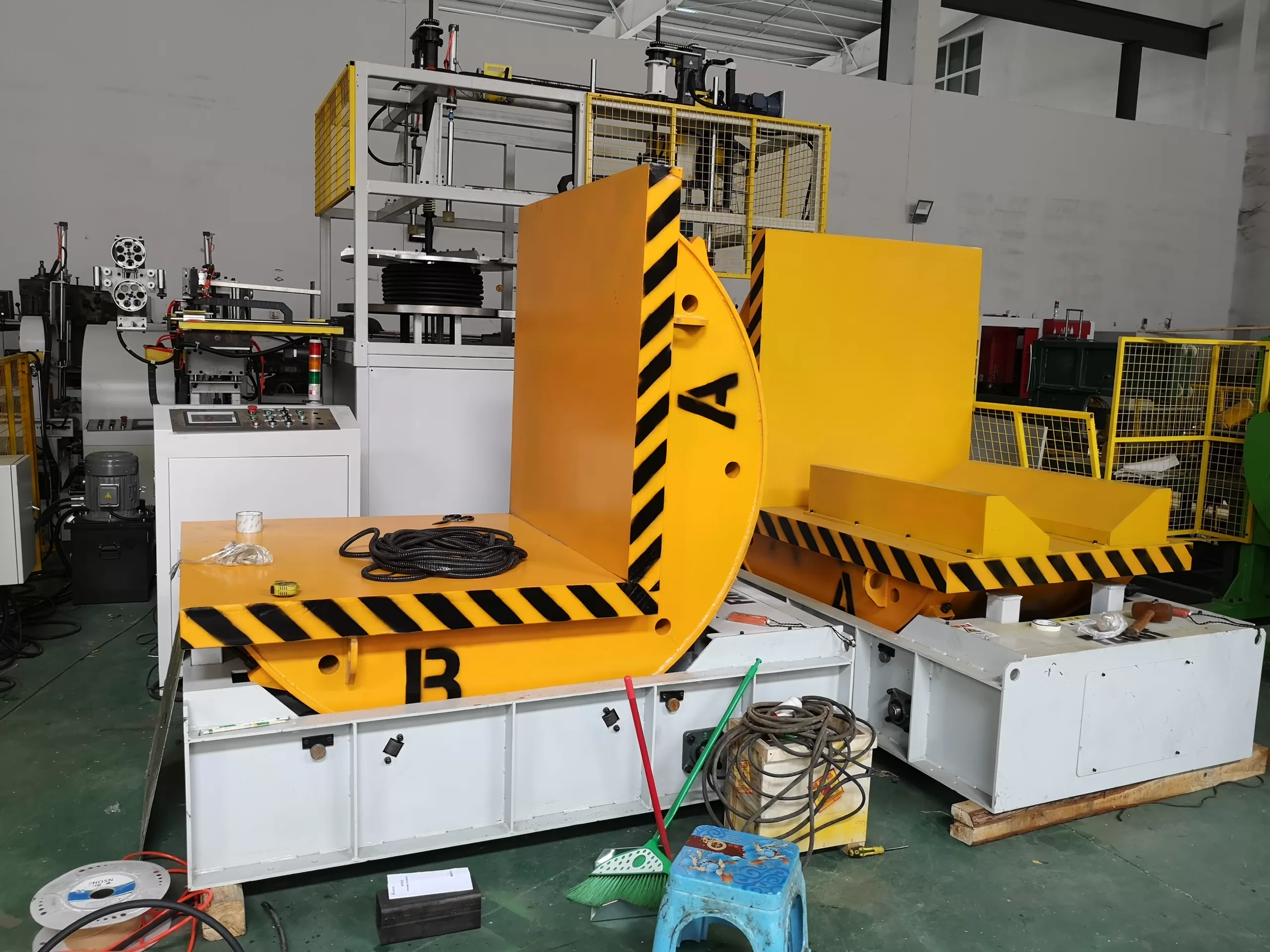
Delving Deeper: The Mechanics and Quantifiable Gains of Mold Flippers
The transformation brought about by industrial mold flippers stems from their core operational mechanisms and the tangible benefits they deliver. Manual mold handling is a notorious bottleneck in many manufacturing settings, leading to painful delays, labor-intensive operations, and compromised productivity. In contrast, a mold flipper offers a robust, automated solution.
The core functionalities rely on sophisticated automated technology. These machines are designed to securely grip molds of various sizes and weights, often utilizing adjustable clamping systems. Once the mold is secured, a powerful yet controlled mechanism, typically hydraulic or electric, performs the 180-degree rotation. This ensures precision and safety, eliminating the inconsistencies and potential for damage inherent in manual flipping. This is particularly critical considering the substantial weight and size of molds, which pose significant risk factors for manual handling, including workplace injuries and damage to expensive tooling.
Integration with existing manufacturing systems is typically seamless. Mold flippers can be adapted into diverse setups without necessitating extensive infrastructure changes, making them a viable investment for a wide range of industries. This adaptability underscores their value as key manufacturing productivity tools.
The precision afforded by automated mold flipping directly translates to improved product quality. Consistent mold positioning reduces variability in the molding process, leading to fewer defects and higher yields. This reliability enhances customer satisfaction and builds trust.
Let’s quantify some of these advantages:
| Key Metric | Manual Flipping | Automated Mold Flipping |
|---|---|---|
| Time to Flip a Mold | ~30-60 minutes | ~2-5 minutes |
| Labor Risk | High | Low |
| Consistency of Mold Positioning | Variable | Consistent |
| Downtime for Mold Turning | Significant | Minimal |
| Potential for Mold Damage | Moderate to High | Low |
| Operator Strain/Fatigue | High | Negligible |
| Manpower Required | 2-3 Operators | 1 Operator (Supervisory) |
The 180-degree mold turning capability is fundamental to these efficiency gains. By automating this specific action, manufacturers can achieve:
| Parameter | Insight | Outcomes |
|---|---|---|
| Precision Improvement | Ensures exact and repeatable flipping, maintaining mold integrity. | Reduces defects, guarantees consistent part quality, minimizes rework. |
| Cycle Time Reduction | Automated operations are significantly faster than manual methods. | Improves production scheduling, increases overall throughput. |
| Operational Cost Cut | Smooth, controlled operations minimize wear on molds and machines. | Lowers maintenance expenses, increases system and mold longevity. |
As noted by industry veterans with decades of engineering experience, this strategic adaptation invariably leads to transformative outcomes, opening new avenues for innovation and progress. The decision to adopt mold flipping machinery is more than a technological upgrade; it’s about aligning with modern manufacturing imperatives for speed, quality, and cost-effectiveness.
2. What Are the Primary Safety and Productivity Benefits of Using a Mold Flipper?
The adoption of mold flippers translates directly into a safer and more productive manufacturing environment. These machines are designed not just for efficiency, but with paramount consideration for operator well-being and the reduction of workplace hazards, simultaneously unlocking higher output levels through streamlined processes.
The primary safety benefits of using a mold flipper stem from the automation of heavy and awkward lifting, drastically reducing musculoskeletal injuries and accidents associated with manual mold handling. Productivity is boosted through faster, consistent mold turning cycles, minimized downtime, reduced labor requirements per flip, and improved workflow, allowing skilled workers to focus on higher-value tasks.
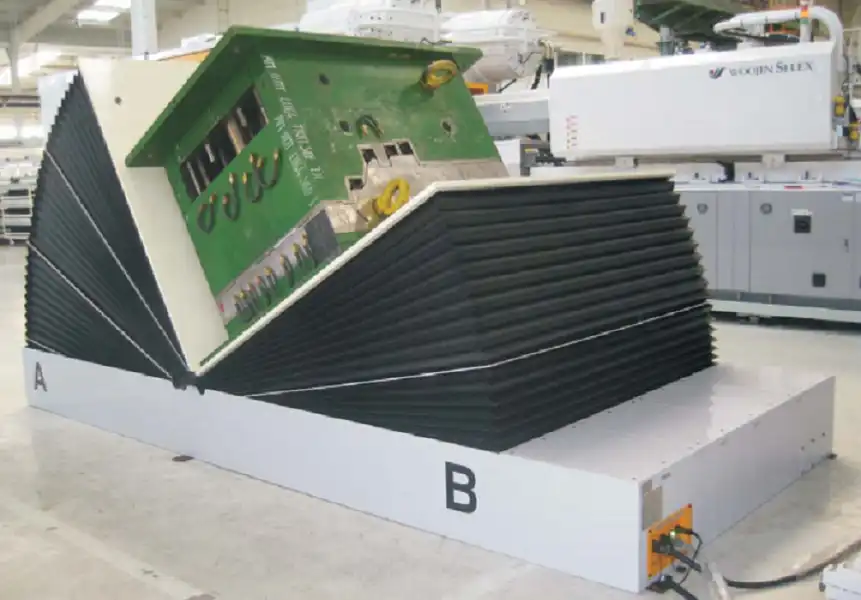
Unpacking the Safety Enhancements and Productivity Boosts
The dual advantages of enhanced safety and increased productivity are compelling reasons for integrating mold flippers. Handling large, cumbersome molds manually is an inherently risky operation. The physical strain, potential for crush injuries, and slips or falls can lead to significant lost time, medical costs, and decreased morale. Mold flippers directly address these concerns.
Safety Improvements: As a seasoned engineer would attest, stress, strain, and mishaps are constant threats in manual mold handling. Automated mold flipper systems mitigate these hazards comprehensively.
| Aspect | Observation | Benefits |
|---|---|---|
| Manual Handling | Reduced need for manual lifting and maneuvering of heavy molds. | Fewer musculoskeletal injuries, strains, and sprains; significant cost reductions. |
| Accident Risk | Elimination of direct human involvement in the physical turning process. | Lower incidence of crush injuries, dropped molds, and related accidents. |
| Ergonomics | Operators manage the machine from a safe distance via controls. | Improved workplace ergonomics, reduced operator fatigue and long-term health issues. |
| Compliance | Helps meet and exceed occupational health and safety regulations. | Avoidance of penalties, enhanced company reputation as a safe employer. |
Modern mold flippers are equipped with an array of safety features designed to protect both operators and equipment:
| Safety Feature | Description | Benefit |
|---|---|---|
| Emergency Stop Buttons | Strategically placed for immediate halt of all machine operations. | Prevents escalation of accidents or equipment malfunction. |
| Safety Barriers/Guards | Physical enclosures or light curtains around the operational area. | Restricts unauthorized access, reduces operator risk from moving parts. |
| Load Sensors | Monitor the weight of the mold and prevent operation if overloaded. | Ensures stability, prevents damage to the machine and mold from over-stress. |
| Interlocking Systems | Ensure machine cannot operate if safety gates are open or guards removed. | Heightens operational security, prevents accidental startup. |
| Signal Lights/Alarms | Visual and audible indicators of machine status (e.g., in operation, fault). | Enhances awareness for all personnel in the vicinity. |
| Controlled Rotation | Smooth, predictable, and controlled turning speed and motion. | Prevents sudden movements or jarring that could damage the mold or machine. |
Productivity Benefits: Beyond safety, the impact on productivity is substantial. The automation of mold turning leads to consistent quality and quicker production cycles.
| Aspect | Observation | Benefits |
|---|---|---|
| Time Efficiency | Automation streamlines operations and significantly reduces mold turn times. | Increases overall production throughput, frees workers for higher-value tasks. |
| Consistency | Automated turning ensures molds are handled and positioned identically each time. | Enhances product reliability and quality, reduces variability and scrap rates. |
| Labor Optimization | Reduces the number of personnel required for mold flipping. | Lowers direct labor costs, allows for reallocation of skilled labor. |
| Downtime Reduction | Faster mold changes and reduced risk of damage minimize production stoppages. | Maximizes equipment uptime, meets tight production schedules more effectively. |
By integrating these devices, manufacturers ensure a safer, more efficient environment, allowing the workforce to focus on more critical production tasks where human ingenuity excels.
3. Navigating Market Dynamics: Demand Drivers and Regulatory Impact on Mold Flipper Adoption
The decision to invest in mold flippers is influenced by a confluence of market demands and regulatory pressures. Understanding these dynamics is crucial for businesses looking to optimize their operations and maintain a competitive edge in the evolving manufacturing landscape. Technological advancements and safety mandates are key influencers.
Key demand drivers for mold flipper adoption include the relentless pursuit of technological advancements for enhanced efficiency, innovations in materials requiring specialized handling, widespread automation to reduce labor costs and improve precision, and a growing awareness of sustainability. Concurrently, regional regulatory frameworks, particularly those concerning workplace safety (e.g., OSHA, EU directives) and environmental compliance, heavily influence operational strategies and necessitate investments in safer, compliant mold handling solutions.
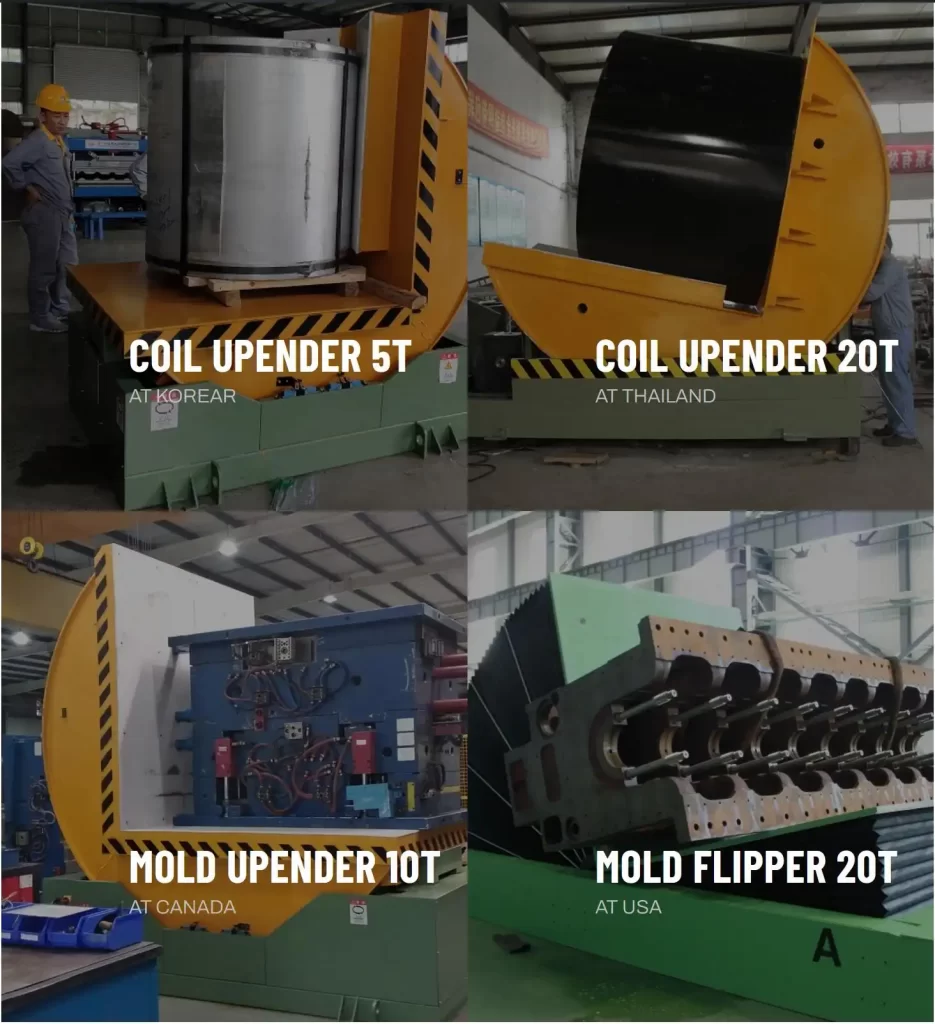
Analyzing Demand Drivers and Regulatory Compliance
The Mold Flippers Market is shaped by several key factors that drive purchasing decisions and operational strategies.
Key Demand Drivers:
- Technological Advancements: Manufacturers increasingly seek advanced mold flipping machines incorporating automation, IoT connectivity, and smart sensors. These features enhance operational efficiency, reduce cycle times, improve product quality, and provide valuable data for process optimization. Industry analyses indicate potential productivity improvements of up to 30% with such technologies.
- Material Innovations: The evolution of mold materials, including lightweight yet durable composites, impacts mold flipper design and efficiency. These new materials can lower energy consumption during use and reduce maintenance costs, driving demand for flippers capable of handling them effectively.
- Increasing Automation: The broader trend of automation in manufacturing aims to improve throughput and reduce labor costs while enhancing precision and safety. Mold flippers are integral to automated cells, minimizing human intervention in risky tasks. Approximately 57% of manufacturers anticipate integrating more automation tech within the next five years.
- Labor Cost and Availability Considerations: High labor expenses and shortages of skilled workers motivate companies to invest in automated solutions like mold flippers. An upfront investment can yield significant long-term savings, with industries reporting an average reduction of 20% in direct labor costs post-automation.
- Growing Awareness of Sustainability: Sustainability initiatives encourage the adoption of energy-efficient equipment that minimizes waste and reduces carbon footprints. Mold flippers manufactured with eco-friendly technologies appeal to businesses adhering to green standards.
| Demand Driver | Impact on Mold Flipper Adoption | Supporting Data/Insight |
|---|---|---|
| Technological Advancements | Drives adoption of smart, IoT-enabled flippers for enhanced efficiency. | Up to 30% productivity improvement reported. |
| Material Innovations | Need for flippers compatible with new, lighter, or more complex mold materials. | Composites gaining traction, extending mold lifespan. |
| Increasing Automation | Integration into fully automated production lines for safety and precision. | ~57% of manufacturers to integrate more automation within five years. |
| Labor Cost Considerations | Reduces reliance on manual labor, addressing costs and skill shortages. | Average 20% reduction in direct labor costs after automation. |
| Sustainability Awareness | Preference for energy-efficient machines aligning with eco-friendly practices. | Growing demand for equipment with reduced carbon footprint. |
Impact of Regional Regulatory Frameworks:
Regional regulations play a critical role in shaping operational strategies:
- Europe: Stringent EU regulations like REACH (Registration, Evaluation, Authorisation and Restriction of Chemicals) and directives on waste management and emissions push businesses towards cleaner technologies and environmentally friendly practices. This can necessitate investment in mold flippers designed for minimal environmental impact.
- North America: In the U.S., OSHA (Occupational Safety and Health Administration) sets rigorous workplace safety standards. Compliance often drives investment in automated solutions like mold flippers to reduce manual handling risks and avoid citations or increased insurance premiums. California’s Environmental Quality Act also imposes strict standards.
- Labor Laws: Protective labor laws in regions like Scandinavia can lead to higher labor costs, further incentivizing automation to optimize production workflows and minimize reliance on manual labor.
- Data Privacy: Regulations like GDPR in Europe impact information management, requiring secure IT systems even for manufacturing-related data, indirectly affecting resource allocation.
These regulatory frameworks compel businesses not only to navigate a complex legal landscape but also to leverage compliance as a competitive advantage through sustainable and safe practices.
4. Market Landscape: End-Users, Entry Barriers, and Supply Chain Effects for Mold Flippers
The mold flipper market serves a diverse range of industries, each with specific needs for efficient and safe mold handling. However, new entrants face considerable challenges, and the entire market is susceptible to the volatilities of raw material supply chains, impacting both pricing and service delivery.
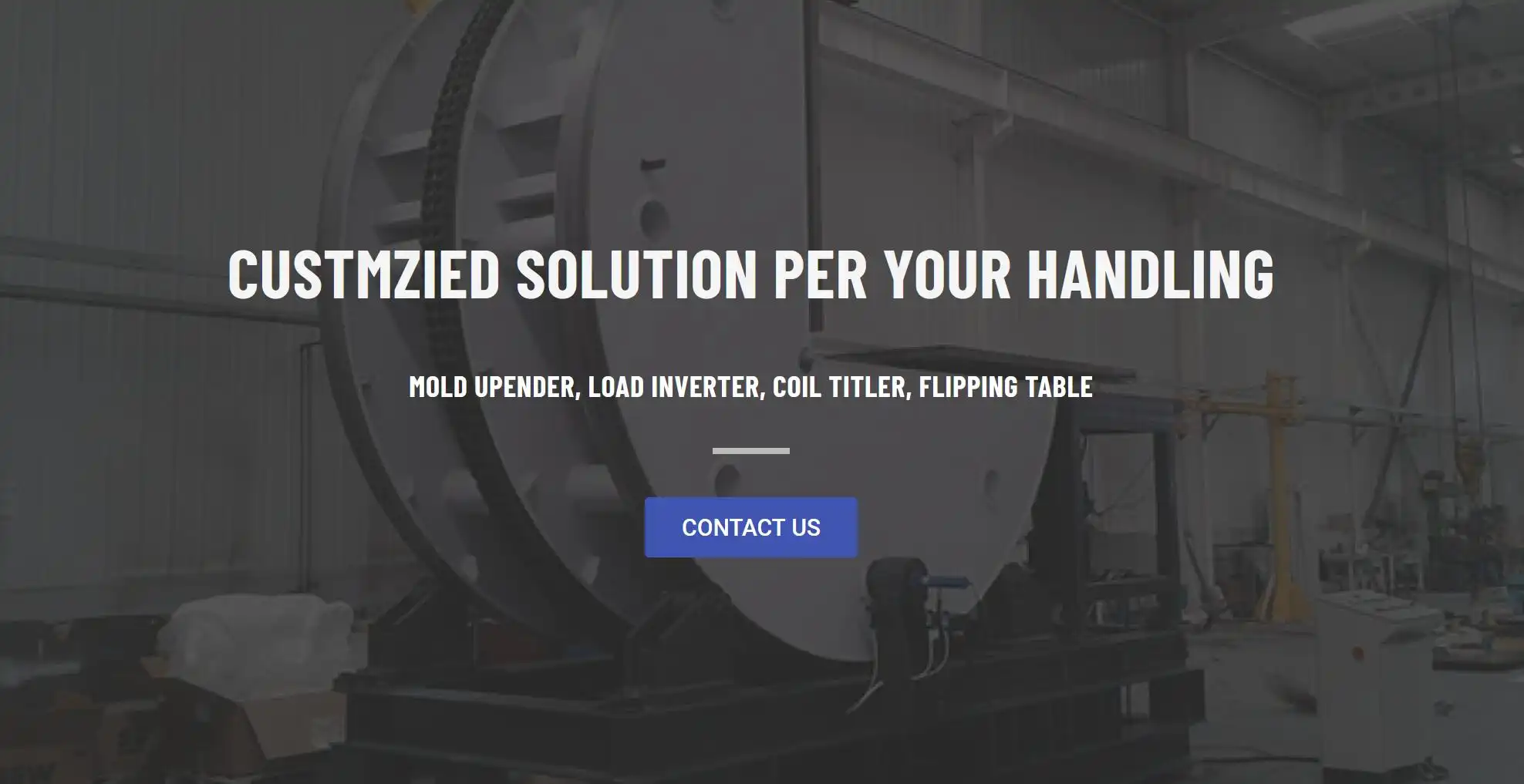
Key end-user segments for mold flippers include automotive, consumer goods, electronics, medical devices, and packaging, all demanding precision and efficiency. New participants in the Mold Flippers Market encounter substantial barriers such as high initial capital investment, stringent regulatory compliance, established competition, and the need for deep technological expertise. Furthermore, supply chain dynamics for raw materials like steel and electronic components directly influence pricing and availability, creating operational challenges.
The largest end-user segments for mold flipping services are the automotive industry, driven by high-volume production and complex mold requirements (global vehicle production reached ~80 million units in 2022); the consumer goods sector, particularly for plastic products and packaging (plastic packaging market projected at USD 500 billion by 2025); electronics manufacturing, needing precision for intricate components (global electronics industry valued over USD 1 trillion); medical device manufacturing, with strict quality and safety standards (market expected around USD 600 billion by 2025); and the broader packaging industry, focused on efficiency and sustainability (projected USD 1 trillion by 2026). Significant barriers to entry for new market participants include the high initial capital investment for advanced machinery, the need to navigate complex regulatory compliance (safety standards like OSHA, environmental regulations like REACH), strong competition from established players (e.g., Husky Injection Molding Systems, DME Company) with existing customer relationships and economies of scale, the requirement for specialized technological expertise in engineering and materials science, and challenges in targeted marketing and brand building in niche industrial sectors. Supply chain dynamics for raw materials (e.g., steel, hydraulic components, electronics) critically affect mold flipper pricing and service delivery; price volatility (e.g., resin prices soared ~20% in 2021), geopolitical factors influencing trade, environmental regulations on material sourcing, and logistics disruptions (e.g., increased shipping costs) can lead to increased production costs and extended lead times for mold flipper manufacturers.
These factors collectively shape a competitive yet opportunity-rich market. Established companies often leverage their reputation, extensive distribution networks, and R&D capabilities. For instance, companies like GAMMA Technologies focus on precision engineering, while Cavaform Inc. emphasizes sustainability. Newcomers must strategize carefully, potentially focusing on niche applications, innovative technologies, or superior service models to gain a foothold. The interplay of robust demand from key industries, significant entry hurdles, and fluctuating supply chains defines the strategic operational context for all players in the mold flipper market.
Conclusion
Implementing mold flippers is a decisive strategic move for manufacturers aiming for operational excellence. These machines transcend being mere equipment; they are enablers of safer, faster, and more cost-effective production. By automating the critical yet hazardous task of mold turning, businesses can significantly reduce workplace injuries, cut down cycle times, minimize mold damage, and optimize labor utilization. The consistent precision offered by mold flippers also contributes to higher product quality and reduced scrap rates. In an increasingly competitive global market, the strategic benefits—enhanced safety, improved efficiency, and robust productivity—make mold flippers an indispensable asset for future-ready manufacturing operations.








