
Leadership Insights Driving Change with Mold Flipper Adoption
Effective leadership is paramount when introducing transformative technologies like the mold flipper. This isn’t just about new machinery; it’s about guiding teams through operational shifts, fostering new skills, and embedding a culture that embraces innovation. Successful adoption hinges on leaders who can articulate a clear vision and manage the human side of change.
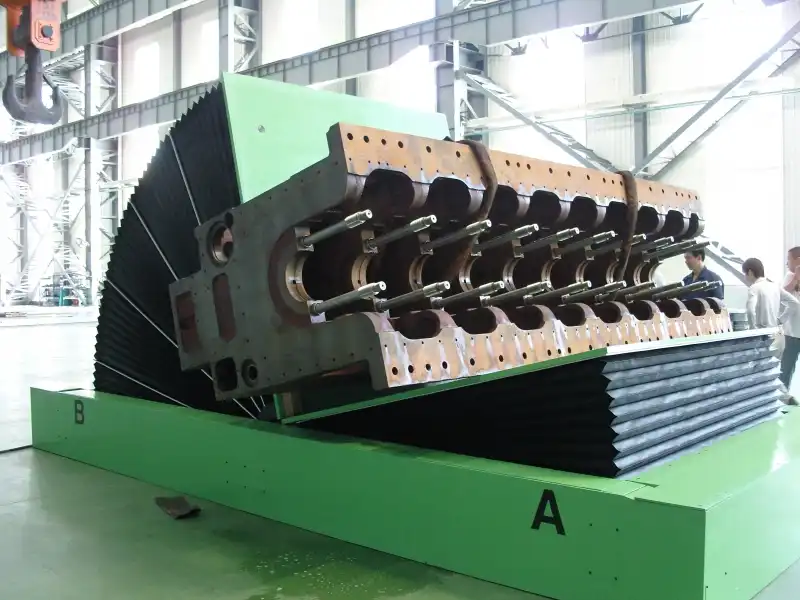
Leadership insights drive successful mold flipper adoption by championing a clear vision, proactively managing resistance, and fostering a culture of continuous improvement. Leaders must effectively communicate the “why” behind the change, invest in comprehensive training, and empower employees throughout the transition. This approach ensures smoother integration, maximizes ROI, and builds a more agile, future-ready workforce adept at leveraging new technologies for sustained operational excellence.
The journey to integrating advanced solutions such as mold flippers into existing workflows is multifaceted. It extends beyond mere technical installation, venturing deep into the realms of strategic planning, workforce development, and cultural evolution. Leaders stand at the helm of this voyage, tasked not only with making informed decisions about technology investment but also with inspiring their teams to navigate the accompanying changes with confidence and competence. This article delves into the critical leadership insights that pave the way for successful mold flipper adoption, transforming potential challenges into opportunities for growth and enhanced operational efficiency.
The Strategic Imperative: Why Mold Flipper Adoption Demands Strong Leadership
The decision to adopt mold flipper technology is a strategic move towards enhanced efficiency, safety, and productivity in manufacturing and packaging environments. However, the true realization of these benefits is intrinsically linked to the quality of leadership guiding the implementation process. Without strong, visionary leadership, even the most promising technological advancements can falter.
Strong leadership is indispensable for mold flipper adoption because it provides the necessary vision, direction, and support to navigate the complexities of technological and operational change. Leaders must articulate a compelling case for change, aligning the new technology with overarching business goals such as improved safety, reduced cycle times, and enhanced ergonomics. They are responsible for meticulously planning the transition, anticipating potential challenges like employee resistance, skill gaps, and process disruptions. Furthermore, effective leaders champion the change by securing resources, fostering open communication, actively listening to employee concerns, and visibly supporting the training and development required. Their role is to transform apprehension into engagement, ensuring the mold flipper becomes an asset rather than a source of friction, ultimately driving the organization towards greater operational excellence and a competitive edge.

Overcoming Resistance: A Leadership Playbook for Mold Flipper Integration
The introduction of any new technology, including a sophisticated mold flipper system, inevitably brings a wave of change that can be met with resistance. This resistance isn’t necessarily a sign of obstinance, but often stems from natural human reactions to the unknown: fear of obsolescence, anxiety about learning new skills, concerns about job security, or discomfort with disrupting established routines. Effective leadership is critical in transforming this resistance into acceptance and, ultimately, advocacy.
Drawing parallels from successful change initiatives in diverse fields, such as the “one by one” policing philosophy championed by Chief Jack Cauley which emphasizes individual care, leaders in a manufacturing setting can adopt a similar personalized approach. Understanding that each employee will experience the transition to mold flipper technology differently is key. Some may be early adopters, excited by the new capabilities, while others may be hesitant or skeptical.
Common Resistance Points & Leadership Responses:
-
Fear of Skill Gaps & Job Security: Employees may worry that they lack the skills to operate the new mold flipper or that automation will make their roles redundant.
- Leadership Action: Proactively communicate the long-term vision, emphasizing how the technology enhances human roles rather than replacing them. Invest heavily in comprehensive training programs, as highlighted by Chris Hsiung’s point that traditional leadership training methods (and by extension, technical training) are often outdated and need reimagining. Leaders should ensure training is accessible, practical, and tailored to different learning styles. As seen in the “Policing Matters” podcast, the future can be bright with innovations if officer wellness (employee well-being) and development are prioritized.
-
Disruption to Established Processes: The mold flipper will undoubtedly change how tasks are performed.
- Leadership Action: Involve employees in the process redesign where possible. This creates ownership, a principle echoed in the “10 Principles of Change Management.” Clearly articulate the benefits of the new process—improved safety, reduced physical strain, increased efficiency. Leaders should model adaptability and a willingness to learn, akin to the “modeling vulnerability” discussed by Chris Hsiung, showing that it’s okay not to have all the answers immediately but to be committed to figuring them out together.
-
Lack of Understanding or Perceived Need: If the “why” behind the mold flipper adoption isn’t clear, buy-in will be low.
- Leadership Action: “Make the formal case,” as suggested in change management best practices. Leaders must consistently communicate the strategic importance of the mold flipper, linking it to improved safety, quality, and competitiveness. This resonates with the need for “clear communication” as a foundational principle of change management.
-
Past Negative Experiences with Change: Previous poorly managed changes can create skepticism.
- Leadership Action: Acknowledge past issues and explicitly state how this change will be managed differently. Demonstrate a commitment to transparency and support, building trust. Chief Cauley’s “One-By-One Policing” philosophy, which promotes psychological safety, is highly relevant here; leaders must create an environment where employees feel safe to voice concerns and learn without fear of blame.
Applying Change Management Models:
- Kotter’s 8-Step Model: Leaders can use this to:
- Create a sense of urgency (e.g., market competition, safety imperatives).
- Build a guiding coalition (champions from various departments).
- Form a strategic vision (mold flipper as a key to future success).
- Enlist a volunteer army (engage employees in the process).
- Enable action by removing barriers (e.g., outdated policies, lack of resources).
- Generate short-term wins (celebrate successful initial uses of the flipper).
- Sustain acceleration (don’t declare victory too soon).
- Institute change (anchor the new processes in the company culture).
- ADKAR Model: Leaders should ensure employees progress through:
- Awareness of the need for the mold flipper.
- Desire to support and participate in the change.
- Knowledge of how to use the mold flipper and new processes.
- Ability to implement the required skills and behaviors.
- Reinforcement to sustain the change.








