
White Book: An In-Depth Analysis of Door Panel Packaging Challenges, Solutions, and Innovations
Executive Summary
Door panels, encompassing a wide range from residential interior and exterior units to complex automotive assemblies and large industrial closures, present unique and significant packaging challenges. Despite their apparent robustness, these items are frequently large, heavy, possess sensitive surfaces, and may include fragile components like glass or integrated electronics, making them highly susceptible to damage during handling, storage, and transit. This white paper provides a comprehensive analysis of the current landscape of door panel packaging, examining the critical challenges, prevalent materials and methods, emerging innovations, governing standards, and crucial economic and environmental considerations.
The need for specialized packaging solutions is underscored by the high costs associated with product damage, including returns, replacements, and diminished brand reputation. Key challenges include mitigating high damage rates stemming from handling mishaps, transit vibrations, and environmental factors; managing the logistical complexities of large, heavy, and often awkwardly shaped items; navigating persistent economic pressures to balance protection with cost-effectiveness; and addressing the escalating demands for sustainability and regulatory compliance, such as the EU Packaging and Packaging Waste Regulation (PPWR) and ISPM 15 for wood materials.
A diverse array of packaging materials is employed, including versatile corrugated paperboard (boxes, edge protectors), various plastics (cushioning foams, protective films, reusable containers), and traditional wood (crates, pallets). Each material presents distinct trade-offs regarding protection level, cost, weight, and environmental profile. Effective packaging often relies on a synergistic combination of materials and methods, such as surface wraps, shock-absorbing cushioning, robust edge and corner protection, secure containment, and unitization techniques.
Innovation is actively reshaping the door panel packaging sector. Customization and on-demand systems are enabling right-sized packaging, significantly reducing material waste and improving protection. Automation and robotics are enhancing efficiency and consistency while lowering labor costs. Reusable packaging systems, facilitated by durable materials and tracking technologies, offer a pathway to reduced waste and long-term cost savings, particularly in closed-loop supply chains. Advanced sustainable materials, including biodegradable and bio-based options, are gaining traction, while smart packaging technologies incorporating sensors and tracking capabilities provide unprecedented visibility and control over the supply chain.
Adherence to internationally recognized performance standards (e.g., ISTA, ASTM) and material regulations (e.g., ISPM 15, PPWR) is crucial for ensuring package integrity, meeting market requirements, and avoiding non-compliance issues. Evaluating packaging effectiveness requires a holistic approach, utilizing frameworks like Total Cost of Ownership (TCO) and Life Cycle Assessment (LCA) to make informed decisions that balance protection, total cost, and environmental stewardship. Case studies demonstrate that tailored solutions, often developed through collaboration between manufacturers and packaging providers, yield substantial improvements in damage reduction, cost savings, and operational efficiency.
Ultimately, optimizing door panel packaging demands a strategic, data-driven approach. By understanding the inherent challenges, leveraging appropriate materials and methods, embracing innovation, ensuring compliance, and employing comprehensive assessment frameworks, businesses can develop packaging solutions that effectively protect their products, enhance customer satisfaction, support sustainability goals, and contribute positively to the bottom line.
1. Introduction: The Complex Landscape of Door Panel Packaging
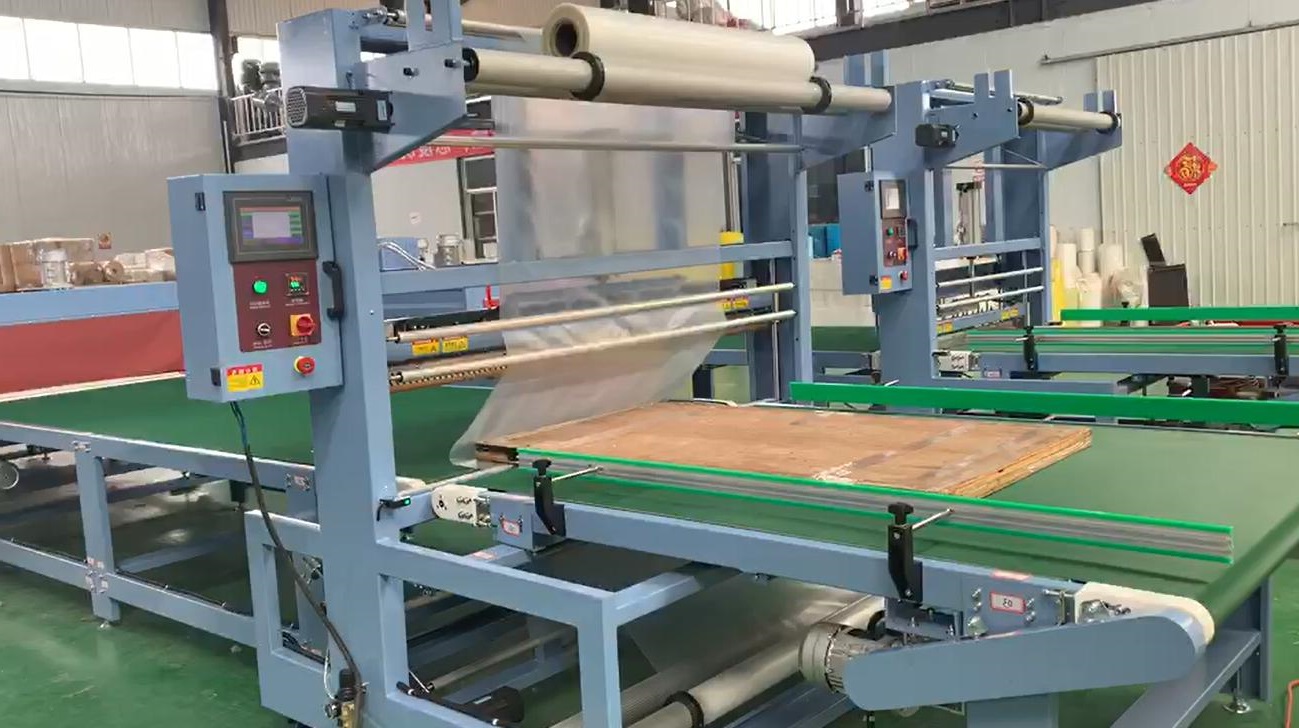
1.1 The Critical Role of Packaging for Doors
Doors serve as fundamental components in residential, automotive, and industrial applications, providing security, access, aesthetic appeal, and environmental control. While often perceived as sturdy structures, doors and their constituent panels are surprisingly vulnerable during the logistical phases between manufacture and final installation. Their typically large dimensions, significant weight, and often delicate surfaces or integrated components (such as glass panels, electronic controls, or premium finishes) necessitate specialized packaging solutions. Inadequate packaging can lead to costly damage, including scratches, dents, warping, breakage, or functional failure, resulting in product returns, replacements, project delays, and damage to brand reputation.
The diversity within the door category further complicates packaging requirements. Residential doors range from simple interior flush doors to elaborate exterior entry systems with glass inserts.1 Automotive door panels are increasingly complex assemblies incorporating lightweight materials, sensitive electronics, and high-finish surfaces.2 Industrial doors, such as large overhead, roll-up, or specialized security doors, present challenges related to sheer size, weight, and the protection of operating mechanisms.3 Consequently, a one-size-fits-all packaging approach is rarely sufficient; tailored solutions are essential to ensure product integrity throughout the supply chain.
1.2 Market Context
The economic significance of effective door panel packaging is substantial, given the scale of the markets involved. For instance, the global automotive door panel market was estimated at USD 33.59 billion in 2024, with projections reaching USD 47.08 billion by 2034.2 Within this, specific material segments hold considerable value, such as the plastic automotive door panel market (estimated USD 17.5 billion in 2024) and the leather segment (around USD 6.3 billion in 2024).2 Similarly, the market for aluminum composite panels specifically used in doors was valued at USD 178.7 million in 2024, with expected growth to USD 271.4 million by 2030, driven significantly by the Asia Pacific region.4 These figures illustrate the considerable value embodied in door products, highlighting the financial imperative to invest in packaging solutions that prevent damage and ensure products reach customers in perfect condition. Protecting these assets during transit and storage is not merely an operational detail but a critical factor in maintaining profitability and market competitiveness.
1.3 Scope and Objectives
This white paper provides a comprehensive research overview and analysis of packaging solutions specifically for door panels across three key sectors: residential, automotive, and industrial. Drawing upon information synthesized from patent databases, technical reports, industry publications, and reputable online resources, this document aims to:
- Identify and analyze the primary challenges associated with door panel packaging, including damage risks, logistical complexities, economic factors, and sustainability pressures.
- Describe the diverse types of door panels and their specific packaging-relevant characteristics.
- Compare and contrast the common materials and methods used in door panel packaging, evaluating their respective advantages and disadvantages.
- Explore recent innovations and emerging technologies transforming the field, such as automation, on-demand systems, reusable packaging, advanced materials, and smart packaging.
- Outline relevant industry standards (ISTA, ASTM) and regulations (ISPM 15, EU PPWR) governing packaging performance and materials.
- Present frameworks (TCO, LCA) for the economic and environmental assessment of packaging solutions.
- Illustrate best practices and successful outcomes through relevant case studies.
The intended audience for this white paper includes professionals within the door manufacturing, building materials supply, automotive component manufacturing and logistics, packaging design and engineering, and supply chain management sectors. The objective is to furnish these stakeholders with the in-depth knowledge and actionable insights necessary for making informed, strategic decisions regarding door panel packaging.
2. Understanding Door Panels: Diversity and Packaging Needs
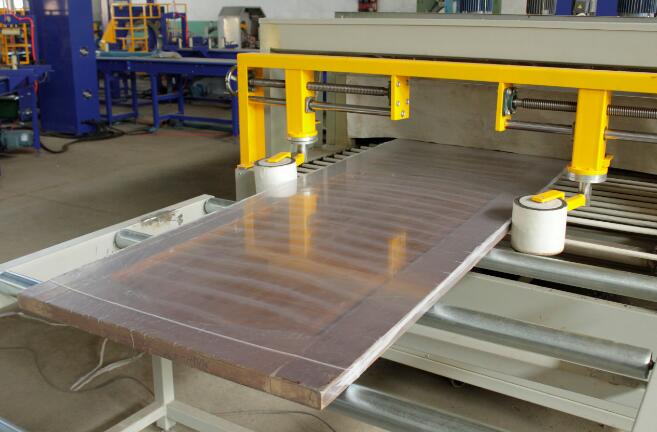
Effective packaging design begins with a thorough understanding of the product itself. Doors and door panels exhibit significant variation across residential, automotive, and industrial applications, differing in size, weight, materials, construction, and vulnerability. Recognizing these distinctions is crucial for developing tailored packaging solutions.
2.1 Residential Doors
Residential doors serve diverse functions, from interior passage and closet doors to secure exterior entry doors and patio access points.
Common types include:
- Hinged Doors: The most common type, including single-leaf, double-leaf (French doors), and horizontally split Dutch or stable doors.1
- Sliding Doors: Including bypass doors (often for closets), pocket doors (sliding into wall cavities), and large sliding glass patio doors.1
- Other Types: Bifold doors (folding in sections), louvered doors (allowing ventilation), flush doors (smooth surfaces), moulded doors (with surface patterns), and doors incorporating glass panels.1
Materials used in residential doors are equally varied:
- Wood: Solid wood (oak, pine, etc.), engineered wood cores with veneers, or composite wood materials.1
- Metal: Primarily steel and aluminum, often used for exterior doors for security and durability.1
- Fiberglass & Composites: Offering durability and insulation, often mimicking wood grain.1
- Glass: Used extensively in panels (lites), ranging from clear to frosted, textured, or decorative glass.1
- UPVC/Vinyl: Common for patio doors and some entry doors1
From a packaging perspective, several characteristics are critical:
- Surface Vulnerability: Wood grains, painted finishes, and thin veneers are susceptible to scratches and abrasions.5 Polished surfaces may be marked by certain packaging materials like bubble wrap.6
- Fragility of Glass: Glass panels are highly susceptible to impact damage and require careful cushioning and protection.5
- Edge and Corner Sensitivity: Edges and corners are prone to chipping and impact damage during handling.7
- Weight Variation: Solid core and large glass-panel doors can be heavy, while hollow-core doors are lighter.1
- Environmental Protection: Doors require protection from moisture, dirt, and temperature fluctuations during storage and transit.6
2.2 Automotive Door Panels
Automotive door panels are complex components serving multiple functions within a vehicle, including structural support, housing for controls and speakers, interior aesthetics, comfort features, and acoustic insulation.
Key materials include:
- Plastics: The dominant material due to its light weight, moldability, and cost-effectiveness. The plastic segment represents a significant market share (USD 17.5 billion in 2024).2
- Leather: Used for premium feel and appearance in luxury vehicles (USD 6.3 billion market in 2024).2
- Metal: Employed for structural components and premium trim finishes, offering durability (USD 4.5 billion market in 2024).2
- Advanced Materials: Composites, carbon fiber, and bio-composites are increasingly used to reduce weight and improve fuel efficiency, often replacing plastics.2
Packaging considerations for automotive door panels center on:
- Aesthetic Surface Protection: High sensitivity of leather, soft-touch plastics, decorative trims, and premium paint finishes to scratches, scuffs, and indentations.2
- Protection of Integrated Components: Safeguarding embedded electronics such as window switches, speakers, ambient lighting, and sensors from impact and electrostatic discharge.2
- Material Fragility: Newer lightweight materials like composites might be more susceptible to impact damage than traditional plastics or metals.2
- Complex Shapes: Door panels have specific contours to fit vehicle interiors, requiring custom-fit packaging solutions to prevent movement and ensure proper support.8
- Large Size: Automotive door panels are large components requiring appropriately sized and often specialized handling solutions, like large load carriers.8
2.3 Industrial Doors
Industrial doors are typically larger, heavier, and built for durability and specific operational requirements in settings like warehouses, factories, loading docks, and secure facilities.
Common types include:
- Overhead Doors: Sectional doors that move on tracks to rest horizontally above the opening, often made of steel, aluminum, or fiberglass.9
- Roll-Up Doors: Similar to overhead doors but with thinner slats allowing them to coil tightly above the opening, often used where track space is limited.9
- Fire-Rated Doors: Heavy steel doors designed to resist fire spread, often required by building codes.9
- Scissor Gates: Steel gates that slide horizontally for security.9
- High-Speed Doors: Designed for frequent, rapid opening and closing in industrial environments, often made of PVC or aluminum.1
Materials commonly used are:
- Steel: Galvanized or stainless steel for strength, security, and fire resistance.3
- Aluminum: Lighter weight alternative to steel.9
- Wood, Fiberglass, PVC: Used in some overhead or specialized doors.1
- Construction: Can be solid-core (heavier, better insulation/acoustic properties) or hollow-core (lighter, cheaper).3
Key packaging characteristics for industrial doors involve:
- Size and Weight: Often extremely large and heavy (e.g., ornamental iron doors over 1,000 pounds10), demanding robust packaging and specialized handling equipment.11
- Impact Protection: Need for high levels of protection against significant impacts during rough handling, transport, and installation site conditions.10
- Mechanism Protection: Safeguarding tracks, rollers, springs, motors, and other operating components from damage or misalignment.
- Weather Resistance: Packaging may need to withstand outdoor storage conditions at manufacturing plants or construction sites.11
- Handling Challenges: Heavy packaging itself (like wood crates) can contribute to handling difficulties and even product damage if mishandled (e.g., dragging with forklifts).10
Despite the significant differences in application, materials, and specific vulnerabilities across residential, automotive, and industrial doors, certain packaging challenges are pervasive. Protecting large surface areas from cosmetic damage (scratches, abrasions), safeguarding edges and corners which are inherently susceptible to impact, managing the difficulties associated with significant weight and bulk during handling and transport, and designing packaging to accommodate complex shapes or sensitive integrated components (like glass or electronics) represent common threads. This commonality suggests that innovations or best practices developed in one sector may hold relevance for others, emphasizing the value of a cross-sector perspective on door packaging solutions.
3. Key Challenges in Door Panel Packaging
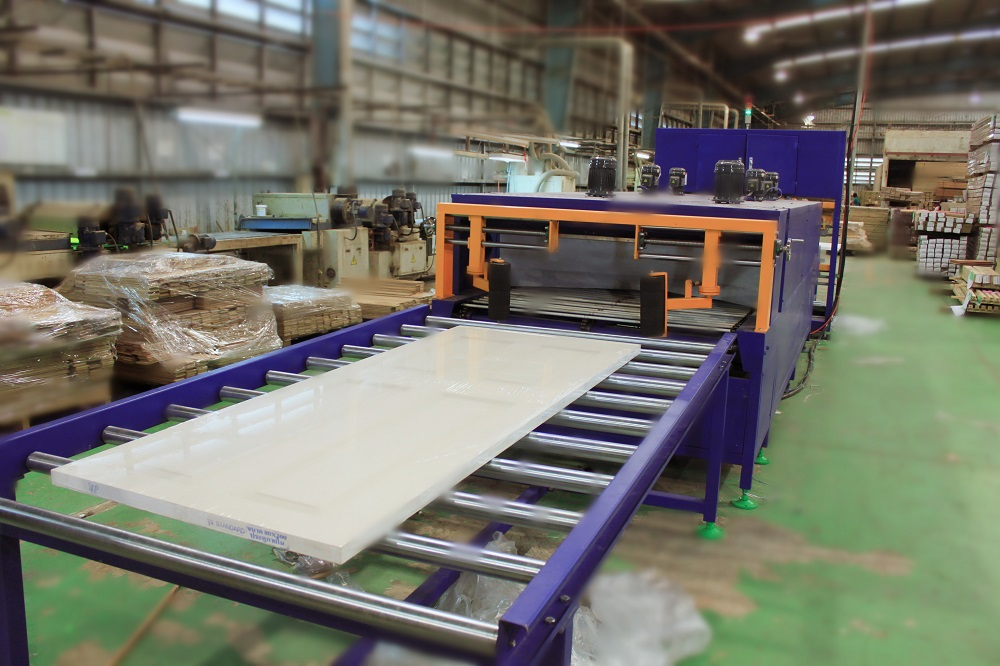
The process of packaging and distributing door panels is fraught with challenges that can significantly impact costs, customer satisfaction, and operational efficiency. These challenges stem from the inherent characteristics of the products themselves, the rigors of the supply chain, economic pressures, and evolving environmental expectations.
3.1 High Risk of Damage
Door panels are particularly susceptible to various forms of damage throughout the supply chain. Common types include surface scratches, dents, and abrasions on finished surfaces; chipping or crushing of vulnerable edges and corners; breakage of glass panels; warping due to moisture absorption; and bending or deformation of frames, especially with heavy doors or improper handling.6
Several factors contribute to this high damage risk:
- Handling: Manual or improper handling during loading, unloading, and warehousing is a major culprit. Dropping panels, using incorrect lifting techniques, or the misuse of handling equipment like forklifts (e.g., dragging crates by the doorframe) can cause immediate and severe damage.12
- Transit Hazards: Shocks, impacts, and vibrations experienced during road, rail, or sea transport can damage panels, especially if packaging provides inadequate cushioning or securement. Poor road conditions exacerbate vibration risks.12
- Load Securement: Insufficient or improper securing of panels within trucks or containers allows for movement during transit (braking, acceleration, cornering), leading to abrasion, impacts between panels, or contact with vehicle walls.12
- Environmental Factors: Exposure to moisture can cause warping or material degradation, while significant temperature fluctuations can also affect materials and packaging integrity.6
The consequences of damage are significant. Statistics indicate that damage during shipping is a widespread problem, particularly for large items. One report notes that 21% of US adults who purchased a large item in the past year received it damaged.13 Furthermore, 20% of all e-commerce returns are attributed to damaged products.13 The financial impact extends beyond the cost of the damaged product itself, encompassing expenses for reverse logistics (return shipping), handling, inspection, disposal, replacement product shipment, and administrative overhead. Critically, product damage severely impacts customer satisfaction and brand loyalty; studies show a vast majority of consumers (e.g., 73% in one study) would be hesitant to repurchase from a company after receiving a damaged item. Product protection is often cited by consumers as the most important packaging characteristic.
3.2 Logistical Complexities
The physical characteristics of door panels – typically large, often heavy, and sometimes awkwardly shaped – create inherent logistical difficulties.
- Handling: Safely and efficiently maneuvering these items requires careful planning and often specialized equipment (hoists, forklifts with appropriate attachments).8 Manual handling, especially for heavier industrial or solid-core residential doors, increases the risk of both product damage and worker injury.10
- Storage and Stacking: Warehousing door panels efficiently requires maximizing space utilization while preventing damage. Improper stacking can lead to compression damage, particularly for lower layers.14 Packaging components designed for nesting, such as certain paperboard edge protectors, can help optimize storage density.15 Traditional bulky packaging like wooden crates can consume significant warehouse space, sometimes forcing outdoor storage which introduces environmental risks.11
- Transportation: Maximizing the number of units per truck or shipping container is essential for controlling transportation costs. The weight and volume of the packaging itself are critical factors, as heavier or bulkier packaging reduces payload capacity and increases fuel consumption and shipping fees.6
3.3 Economic Pressures
Manufacturers and distributors face constant pressure to manage costs effectively, creating a difficult balancing act between providing adequate protection and minimizing packaging expenses.
- Cost vs. Protection Trade-off: The primary economic challenge is finding the sweet spot between investing enough in protective packaging to prevent costly damage and keeping material, labor, and shipping costs under control.10 Under-packaging leads to high damage rates and associated costs, while over-packaging increases direct expenses.
- Material Costs: Different packaging materials come with varying price points. Robust solutions like custom wooden or metal crates can be very expensive.10 This drives the search for cost-effective alternatives like engineered paperboard or optimized plastic solutions that still offer adequate protection.15
- Labor Costs: Manual packaging processes, especially for large or complex items requiring custom crating or wrapping, can be extremely time-consuming and therefore expensive. The example of 16 man-hours to pack a single heavy iron door highlights this potential inefficiency.10 Automation technologies offer a potential avenue for reducing these labor costs.
3.4 Sustainability and Regulatory Demands
Environmental concerns and evolving regulations are increasingly influencing packaging decisions for door panels.
- Waste Reduction: There is strong market and regulatory pressure to minimize packaging waste. This involves reducing the amount of material used (right-sizing), eliminating unnecessary layers or components (like void fill), and choosing materials that facilitate end-of-life management.16 Over 90% of consumers state they are more likely to buy from brands using sustainable packaging.17
- Material Choice: Demand is growing for materials that are recyclable, biodegradable, compostable, made from recycled content, or derived from renewable resources.14 This involves moving away from materials perceived as less sustainable, such as certain plastics or virgin wood from non-certified sources, and avoiding hazardous substances.18 Consumers value recyclable packaging most highly, followed by minimal packaging designs.
- Regulatory Landscape: Businesses must comply with a growing body of regulations. Key examples include:
- ISPM 15: Mandates specific treatment (heat or fumigation) and marking for wood packaging material used in international trade to prevent pest spread.19 Non-compliance can result in shipments being rejected or requiring costly treatment at the border.
- EU Packaging and Packaging Waste Regulation (PPWR): Introduces ambitious targets for recyclability (all packaging recyclable by 2030), minimum recycled content in plastic packaging, overall packaging waste reduction (15% per capita by 2040), and mandatory reuse systems for transport packaging.20 These regulations necessitate significant changes in packaging design, material sourcing, and logistics models for companies operating in or exporting to the EU.








