
Beyond the Band: Mastering Industrial Strapping for Optimal Load Security and Efficiency
Strapping might seem like the last, simple step in getting products out the door, but let’s be honest – how many of us have seen the costly aftermath of a failed strap? A dropped pallet, a shifted load in transit, damaged goods, customer complaints, or worse, a safety incident on the shop floor or loading dock. In manufacturing, fabrication, and distribution, the humble strap is a critical component of load containment and security. Getting it right isn’t just about compliance; it’s about efficiency, protecting your product integrity, ensuring safety, and ultimately, saving money.
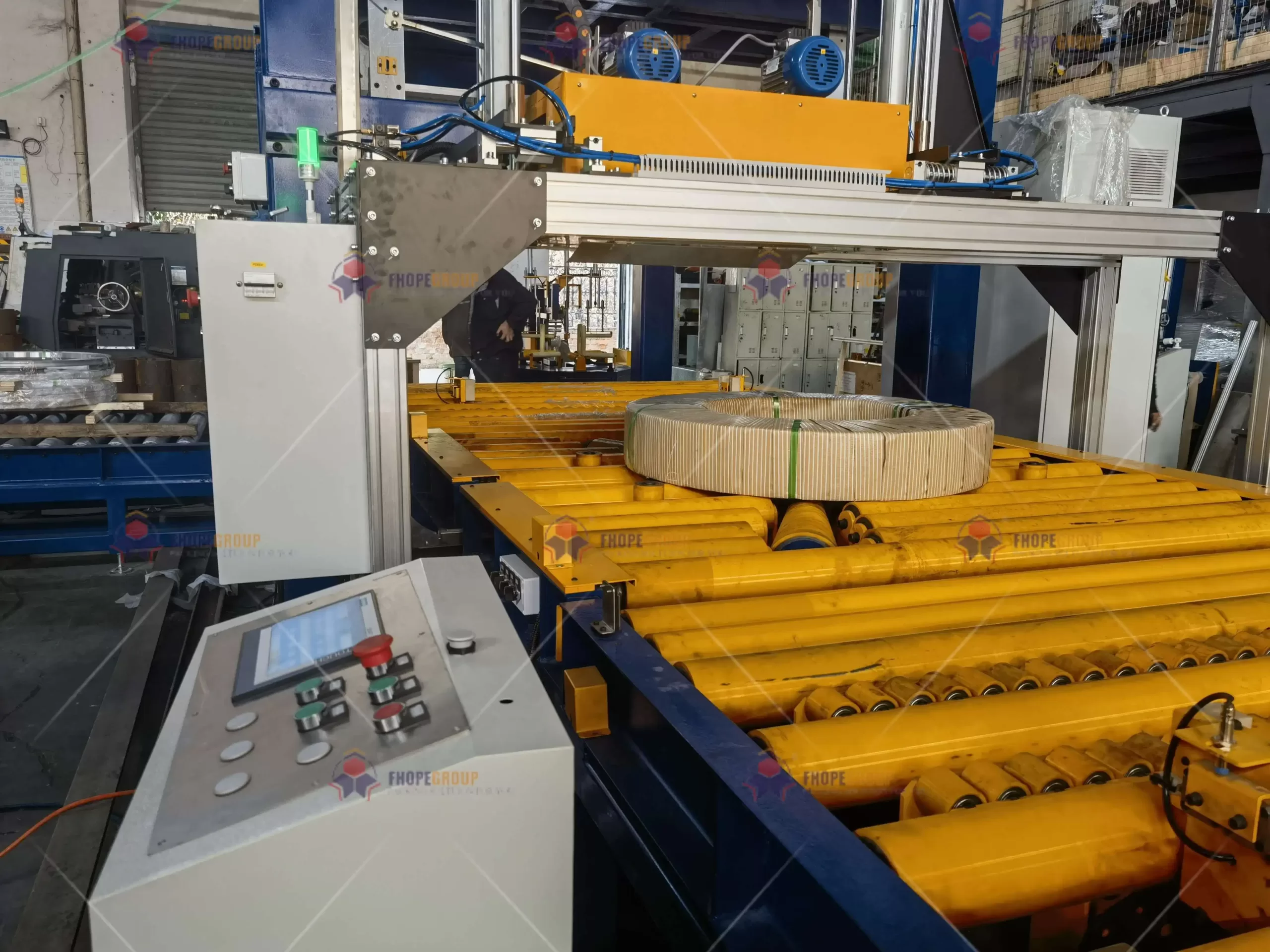
The Material Matrix: Choosing Your Weapon
The foundation of any strapping strategy is the material itself. Each type comes with distinct properties, advantages, and limitations.
1. Steel Strapping: The Heavyweight Champion
Still the king for ultimate strength and rigidity, steel strapping is the go-to for the most demanding applications.
- Technical Data:
- Regular Duty (RD): Tensile strength ~850 N/mm² (123,000 psi)
- High Tensile (HT): Tensile strength >1100 N/mm² (160,000 psi)
- Elongation: <1-3%
- Properties: Low stretch, excellent rigidity, various rust-inhibiting finishes
- Best For: Heavy loads with sharp edges, minimal stretch requirements, AAR-approved shipments
- Safety Note: Requires heavy-duty gloves and eye protection








