
How to do PPR pipe bundling and packing
PPR pipe bundling and packing are essential steps in the manufacturing and distribution of these pipes. Proper bundling and packing protect the pipes from damage during transit and storage, ensuring they reach the end-user in optimal condition.
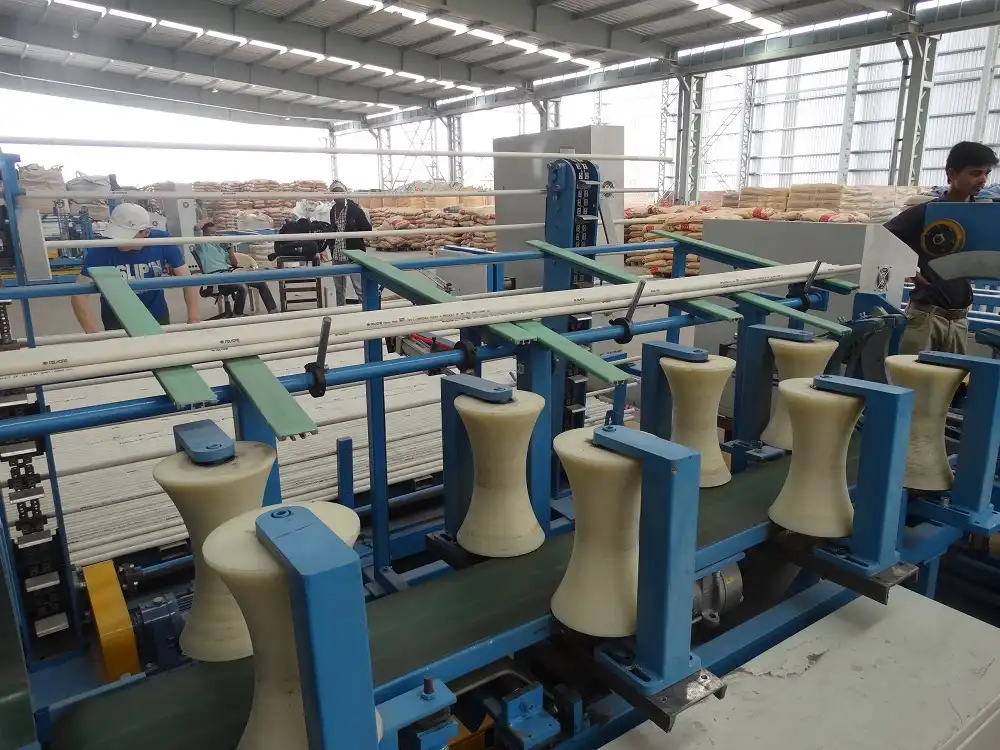
PPR pipe bundling involves gathering a specific number of pipes and securing them together, while packing entails wrapping or boxing the bundled pipes for added protection. Automation streamlines this process, increasing efficiency, reducing labor costs, and ensuring consistent quality. Understanding the nuances of each step is crucial for optimizing your PPR pipe production line.
Ready to delve into the specifics of PPR pipe bundling and packing? This comprehensive guide will cover everything you need to know, from manual methods to fully automated systems, helping you choose the best approach for your business.
1. Understanding the Basics of PPR Pipe Bundling
PPR pipe bundling is the primary method of preparing pipes for shipping. Bundling ensures that the pipes are grouped and held securely, preventing them from rolling or shifting during transportation, which can lead to damage.
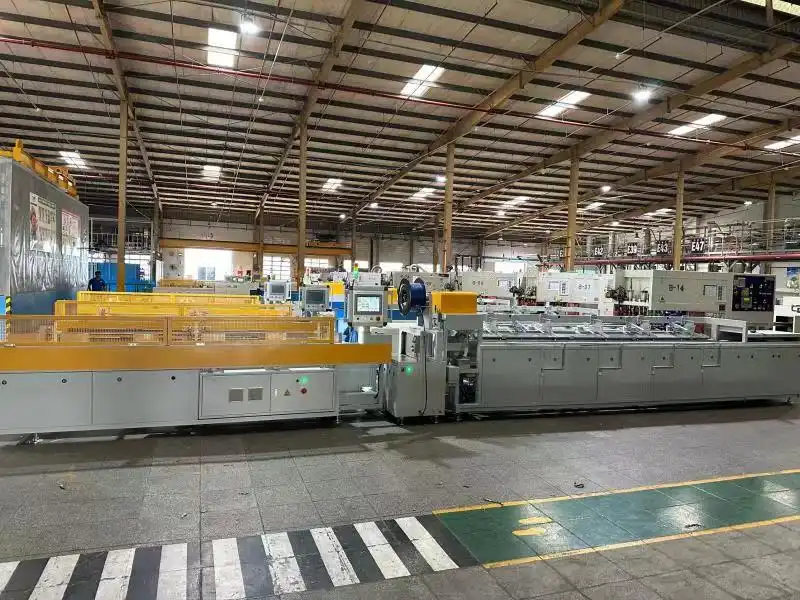
PPR pipe bundling involves gathering a specific number of pipes, aligning them properly, and then securing them tightly together. This process is essential for efficient handling, storage, and transportation of PPR pipes, minimizing the risk of damage and ensuring that the pipes reach their destination in good condition. The number of pipes per bundle can vary depending on their diameter and the customer’s requirements.
The Importance of Proper Alignment and Securing Techniques
Effective PPR pipe bundling goes beyond simply tying pipes together. It involves careful alignment to prevent stress and potential deformation, as well as employing suitable securing methods to maintain bundle integrity. Poor bundling practices can lead to several problems:
- Damage during transit: Misaligned or loosely secured pipes are prone to rubbing against each other, leading to scratches, dents, or even breakage.
- Increased space requirements: Improperly bundled pipes can take up more space, increasing shipping costs and storage inefficiencies.
- Safety hazards: Unstable bundles can pose a safety risk during handling and unloading.
To avoid these issues, it’s crucial to understand the best practices for aligning and securing PPR pipe bundles. This includes:
Manual vs. Automated Bundling
Depending on the scale of your operation, you can choose between manual and automated bundling methods. Each has its own set of advantages and disadvantages:
Manual Bundling: Manual bundling is suitable for small-scale operations or when dealing with customized bundles. Advantages:
- Low initial investment: Requires minimal equipment and setup costs.
- Flexibility: Allows for easy adjustments to bundle size and configuration.
- Suitable for small volumes: Cost-effective for small production runs.
Disadvantages:
- Labor-intensive: Requires significant manual effort, increasing labor costs.
- Inconsistent quality: Bundle quality can vary depending on the skill and experience of the operator.
- Lower efficiency: Slower than automated methods, limiting production capacity.
Automated Bundling: Automated bundling utilizes machinery to streamline the bundling process, making it ideal for large-scale production. Advantages:
- Increased efficiency: Significantly faster than manual methods, increasing production capacity.
- Consistent quality: Ensures uniform bundle quality and reduces the risk of errors.
- Reduced labor costs: Minimizes manual labor, lowering overall production costs.
Disadvantages:
- High initial investment: Requires a significant investment in machinery and setup.
- Less flexible: May not be suitable for highly customized bundles.
- Maintenance requirements: Requires regular maintenance and potential repairs.
Choosing the Right Securing Materials
The choice of securing materials is critical for maintaining bundle integrity. Common options include:
- Strapping: Plastic or metal straps provide a secure hold and can be tightened to prevent shifting.
- Banding: Similar to strapping but often made of more flexible materials like polypropylene.
- Wrapping: Stretch film or other wrapping materials can provide additional protection and help keep the bundle compact.
The table below summarizes the key considerations when choosing between manual and automated bundling:
| Feature | Manual Bundling | Automated Bundling |
|---|---|---|
| Initial Cost | Low | High |
| Labor Cost | High | Low |
| Efficiency | Low | High |
| Quality | Inconsistent | Consistent |
| Flexibility | High | Low |
| Volume | Small to Medium | Medium to High |
| Customization | Easy | Difficult |
2. Mastering PPR Pipe Packing Techniques
Proper PPR pipe packing is crucial for protecting bundled pipes during transit and storage. Packing provides an additional layer of defense against impacts, moisture, and other environmental factors that can compromise pipe quality.
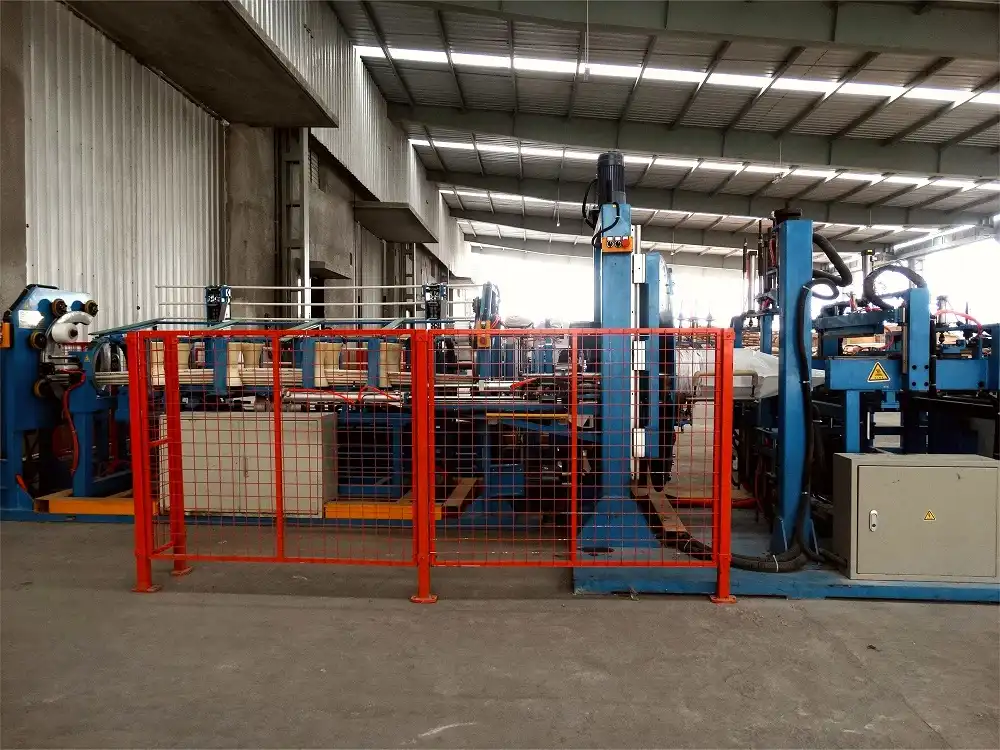
PPR pipe packing involves enclosing bundled PPR pipes in protective materials such as PE film, woven bags, or cardboard boxes. This process safeguards the pipes from physical damage, moisture, and UV exposure during transportation and storage. Effective packing ensures that the pipes arrive at their destination in pristine condition, ready for installation.
Selecting the Appropriate Packing Materials
The choice of packing materials depends on factors such as the length and diameter of the pipes, the mode of transportation, and the storage conditions. Common packing materials include:
- PE Film Wrapping: Provides basic protection against moisture and dust.
- Woven Bags: Offer enhanced durability and resistance to tearing.
- Cardboard Boxes: Provide superior protection against impacts and crushing forces.
Step-by-Step Guide to PPR Pipe Packing
Whether you’re using manual or automated methods, the following steps outline the basic process of packing PPR pipes:
- Bundle Inspection: Before packing, inspect the bundles for any signs of damage or misalignment.
- Material Selection: Choose the appropriate packing material based on the factors mentioned above.
- Wrapping/Boxing: Enclose the bundled pipes in the selected packing material, ensuring complete coverage.
- Sealing: Securely seal the packing material using tape, strapping, or stitching.
- Labeling: Clearly label the package with relevant information, such as pipe size, quantity, and customer details.
3. Exploring Automatic Pipe Packing Lines
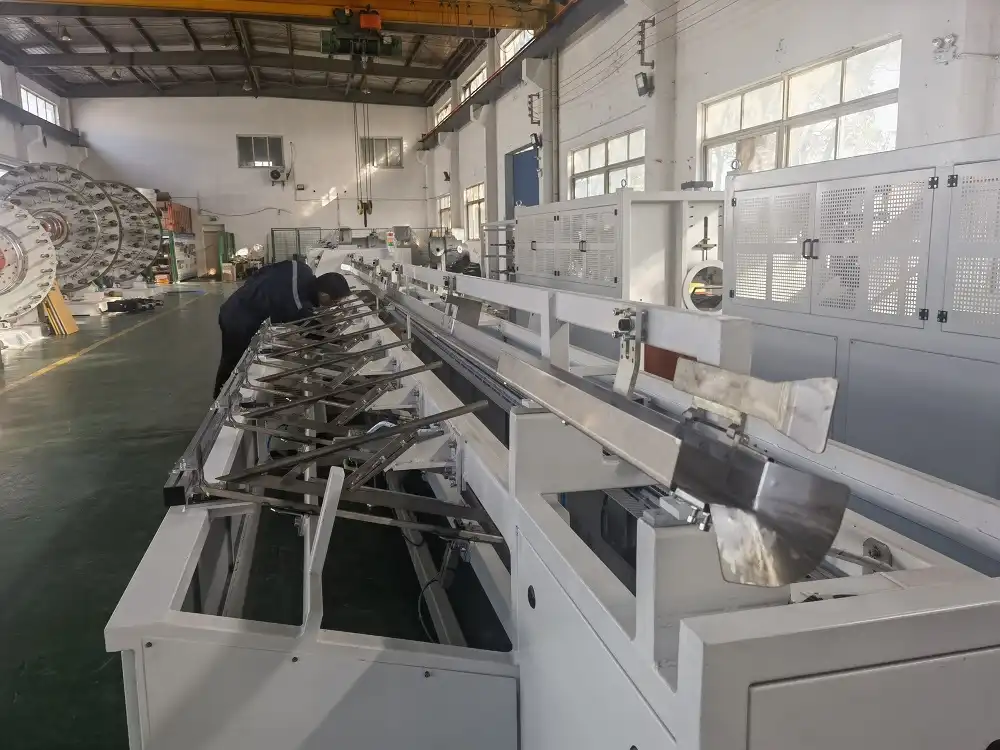
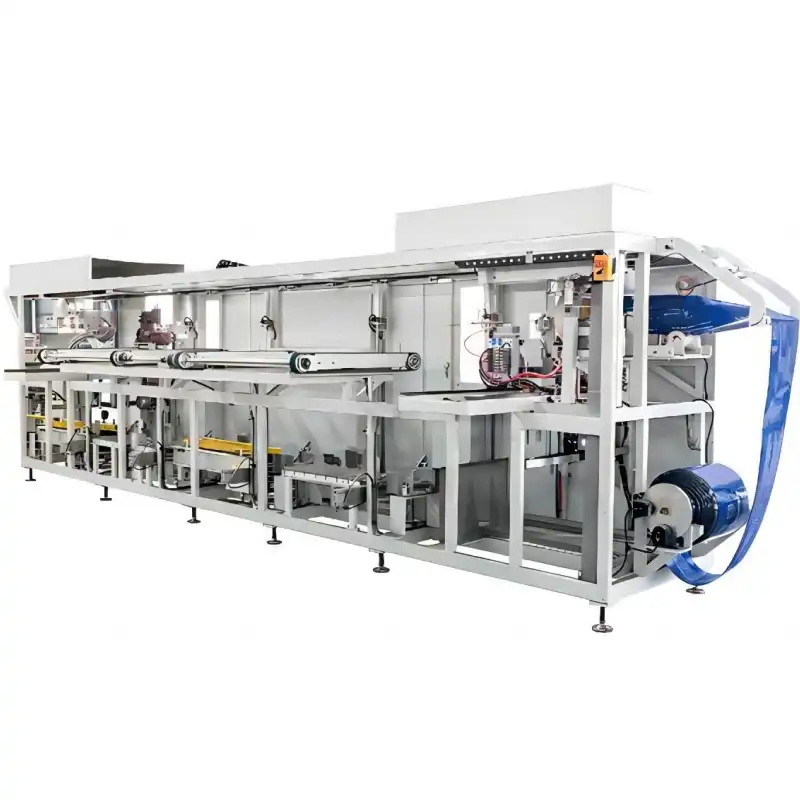
Automatic pipe packing lines offer a comprehensive solution for streamlining the entire bundling and packing process. These systems integrate various functions, such as pipe counting, aligning, bundling, wrapping, and labeling, into a single automated operation.
Automatic pipe packing lines automate the entire process of counting, aligning, bundling, strapping, and packing PPR pipes. These systems significantly increase efficiency, reduce labor costs, and ensure consistent packaging quality. They are particularly beneficial for high-volume production environments where precision and speed are essential.
Benefits of Automation
- Increased Efficiency: Automates repetitive tasks, increasing production speed.
- Reduced Labor Costs: Minimizes manual labor, lowering overall production expenses.
- Improved Accuracy: Eliminates human error in counting and packing.
- Consistent Quality: Ensures uniform bundle and package quality.
- Enhanced Safety: Reduces the risk of workplace injuries.
Key Components of an Automatic Pipe Packing Line
An automatic pipe packing line typically consists of the following components:
- Feeding System: Automatically feeds pipes into the system.
- Counting System: Accurately counts the number of pipes.
- Aligning System: Aligns the pipes for uniform bundling.
- Bundling System: Securely bundles the pipes together.
- Wrapping/Packing System: Wraps or packs the bundled pipes.
- Labeling System: Automatically applies labels to the packages.
- Conveying System: Transports the pipes between different stations.
Choosing the Right Automatic Pipe Packing Line
When selecting an automatic pipe packing line, consider the following factors:
- Pipe Size and Length: Ensure the system can accommodate your specific pipe dimensions.
- Production Capacity: Choose a system that meets your production volume requirements.
- Automation Level: Select a system with the appropriate level of automation for your needs.
- Integration Capabilities: Ensure the system can integrate with your existing production line.
- Maintenance Requirements: Consider the maintenance requirements and availability of spare parts.
| Feature | Description |
|---|---|
| Feeding System | Automates the process of feeding pipes into the packing line, reducing manual labor and ensuring a consistent flow of materials. |
| Counting System | Accurately counts the number of pipes being processed, preventing errors and ensuring that each bundle contains the correct quantity. |
| Aligning System | Ensures that pipes are properly aligned before bundling, resulting in a more uniform and stable bundle, which minimizes the risk of damage during transportation. |
| Bundling System | Automatically bundles the aligned pipes together, securing them with straps or wrapping material to create a cohesive unit for easier handling and storage. |
| Wrapping/Packing System | Applies a protective layer of wrapping material (e.g., PE film, woven bags) or packs the bundled pipes into boxes, providing additional protection against environmental factors and physical damage during transit. |
| Labeling System | Automatically applies labels to the packaged bundles, providing essential information such as pipe size, quantity, manufacturing date, and customer details for efficient tracking and inventory management. |
4. Quality Control and Best Practices
Quality control is paramount in PPR pipe bundling and packing to ensure that products meet required standards. This involves inspecting pipes for defects, verifying bundle counts, and ensuring proper packing techniques.
Effective quality control ensures that PPR pipes are bundled and packed correctly, minimizing the risk of damage during transportation and storage. Key aspects include regular inspections, adherence to standardized procedures, and continuous improvement of processes. Implementing robust quality control measures is essential for maintaining customer satisfaction and reducing costly returns.
Maintaining high-quality standards in PPR pipe bundling and packing is essential for preserving product integrity and ensuring customer satisfaction. By implementing robust processes, conducting regular inspections, and embracing continuous improvement, businesses can minimize the risk of damage, reduce costs, and enhance their reputation for reliability.
Conclusion
Mastering PPR pipe bundling and packing is essential for efficient and safe handling, storage, and transportation. Whether you opt for manual or automated methods, understanding the fundamentals, selecting the right materials, and implementing robust quality control measures are crucial. Automation offers significant advantages in terms of efficiency, accuracy, and cost savings, making it a worthwhile investment for larger operations. By implementing the strategies outlined in this guide, you can ensure that your PPR pipes reach their destination in optimal condition, ready for installation.








