
How to Optimize Steel Wire Strapping Machine Performance for High-Speed Distribution Centers?
Steel wire strapping machines are vital for securing goods in high-speed distribution centers. Optimizing their performance is essential for maintaining efficiency and minimizing downtime. This directly impacts throughput and the overall success of the operation.
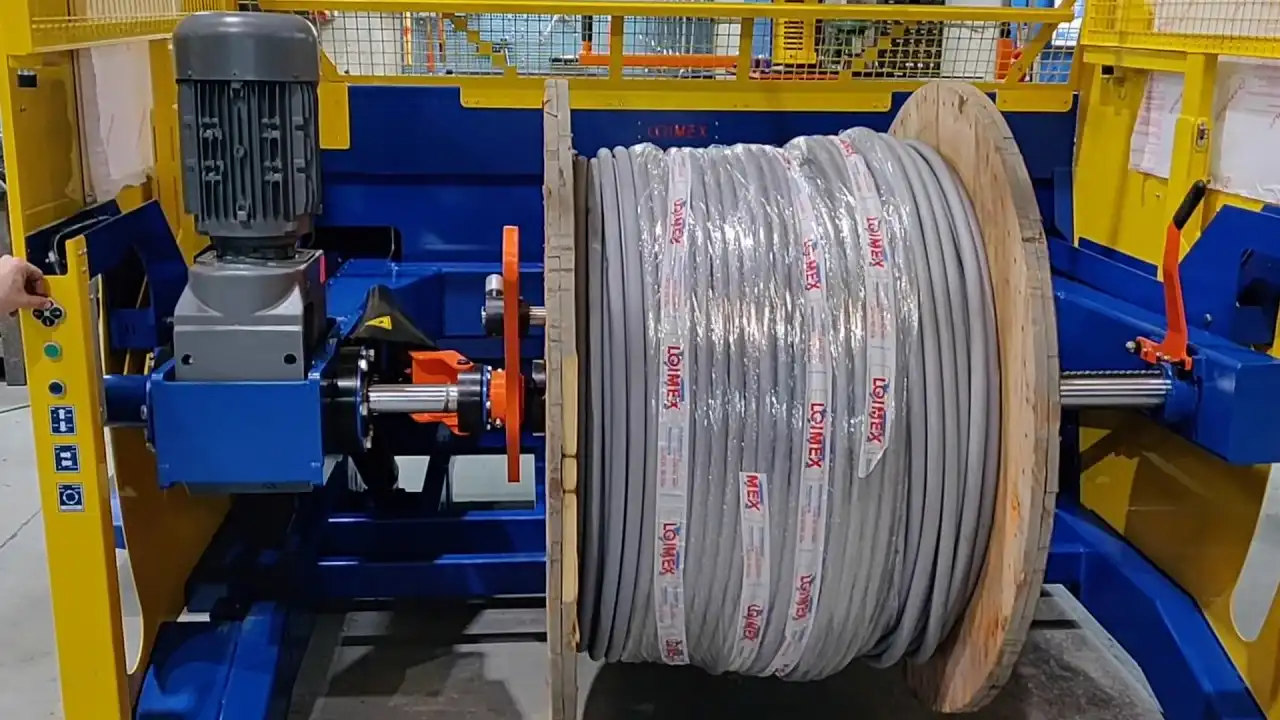
To optimize steel wire strapping machine performance, focus on regular maintenance, use high-quality strapping materials, ensure proper machine calibration, and train operators effectively. Addressing these key areas will minimize downtime, reduce material waste, and improve overall efficiency in high-speed distribution centers.
In this article, we’ll dive into practical strategies and actionable tips that will allow you to unlock the full potential of your steel wire strapping machines. From preventative maintenance to material selection, this comprehensive guide will offer solutions for streamlining operations.
1: Implementing a Robust Preventative Maintenance Program
Establishing a preventative maintenance program is crucial for maximizing the uptime and lifespan of your steel wire strapping machines. Regular maintenance reduces the risk of unexpected breakdowns and ensures consistent performance.
A robust preventative maintenance program should include daily inspections, regular cleaning, lubrication of moving parts, and timely replacement of worn components. By adhering to a schedule, you can identify and address potential issues before they escalate into costly repairs, ensuring optimal machine performance and minimizing downtime.

Fine-Tuning Your Maintenance Strategy for Steel Wire Strapping Machines
Let’s delve deeper into creating a detailed preventative maintenance strategy. A successful maintenance plan hinges on understanding the specific needs of your machines and distribution center.
Understanding Key Components
Identify the core components of your steel wire strapping machine that require frequent checks and maintenance. These typically include:
-
Strapping head
-
Feeding mechanism
-
Tensioning system
-
Sealing unit
-
Cutting blades
Regular inspection of these components can preemptively identify wear and tear, preventing costly downtime.
Creating a Maintenance Schedule
A well-structured maintenance schedule is essential. The frequency of maintenance depends on machine usage and the manufacturer’s recommendations. Consider this sample schedule:
Task Frequency Description Daily Inspection Daily Check for loose parts, strap alignment, and any visible damage. Cleaning and Lubrication Weekly Remove debris and lubricate moving parts to reduce friction and wear. Component Replacement Monthly Replace worn blades, rollers, and other high-wear parts. Full System Calibration Quarterly Ensure accurate tensioning, sealing, and cutting. Professional Servicing Annually Comprehensive inspection and servicing by a certified technician. Impact of Consistent Preventative Maintenance
Consistent maintenance offers quantifiable benefits, leading to greater long-term efficiencies. Regular maintenance translates to the following:
-
Reduced Downtime: Regular inspections and part replacements minimize unexpected breakdowns, ensuring machines operate smoothly.
-
Extended Lifespan: Proper lubrication and maintenance reduce wear and tear, prolonging the machine’s lifespan.
-
Improved Efficiency: Calibrated machines perform optimally, leading to consistent and reliable [Collection](https://www.fhopepack.com/wire-line/).
-
Cost Savings: Preventative maintenance is cheaper than reactive repairs, saving on replacement parts and labor costs.
By investing in a structured maintenance schedule, distribution centers can avoid costly breakdowns and ensure the long-term performance of their steel wire strapping machines.
2: Optimizing Strapping Material Selection and Handling
Selecting the right strapping material and handling it correctly significantly impacts machine performance and operational efficiency. Using inappropriate or poorly handled strapping can lead to machine jams, inconsistent seals, and compromised load security.
The selection should consider the load’s weight, size, and environmental conditions. Proper handling includes storing strapping in a dry place, using appropriate dispensing equipment, and ensuring correct tension settings on the strapping machine to prevent breakage and ensure secure loads.

Steel wire strapping machine performance, high-speed distribution, efficiency improvements Maximizing Efficiency Through Strategic Material Choices
Let’s explore how choosing the right type of strapping and refining your handling techniques can significantly impact your operations. Strategic material selection reduces waste, boosts productivity, and ensures reliable performance.
Understanding Strapping Material Properties
Different materials offer varying degrees of strength, flexibility, and resistance to environmental factors. Here’s a breakdown:
-
Steel Strapping: Offers maximum strength for heavy loads but is susceptible to rust.
-
Polyester (PET) Strapping: Provides a balance of strength and flexibility, is rust-resistant, and recyclable.
-
Polypropylene (PP) Strapping: Lightweight and cost-effective for lighter loads, but less durable.
Proper Storage and Handling
Correct storage and handling practices prevent material degradation, ensuring consistent performance:
-
Storage: Store strapping in a dry, climate-controlled environment to prevent moisture damage.
-
Dispensing: Use proper dispensing equipment to maintain tension and prevent tangling.
-
Tension Settings: Adjust machine tension settings according to the strapping material and load requirements.
3: Calibrating and Adjusting Machine Settings for Optimal Performance
Accurate calibration and adjustment of machine settings are essential for consistent and reliable strapping. Poorly calibrated machines can lead to inadequate tensioning, weak seals, and frequent malfunctions.
Regular calibration ensures that the machine applies the correct tension, seals the strapping effectively, and cuts cleanly. This results in secure loads, reduced material waste, and smoother operation.

Steel wire strapping machine performance, high-speed distribution, efficiency improvements Precision Tuning: How to Maximize Strapping Efficiency
Let’s examine how fine-tuning the machine settings can lead to better results. Regular calibration and meticulous adjustments guarantee each cycle operates at peak efficiency, decreasing waste and enhancing output.
Calibration Frequency and Methods
Determining the appropriate calibration schedule depends on machine usage and the manufacturer’s guidelines. Consider the following:
-
Initial Calibration: Upon installation, calibrate the machine to manufacturer specifications.
-
Regular Checks: Implement weekly or monthly checks to ensure settings remain accurate.
-
Post-Maintenance Calibration: Recalibrate after any maintenance or component replacement.
Common calibration methods include using calibrated measuring tools to verify tension, seal strength, and cut quality.
Key Settings to Monitor and Adjust
Focus on adjusting the following settings to optimize performance:
-
Tension Control: Adjust the tension based on the strapping material and load type.
-
Sealing Temperature: Set the temperature for optimal heat sealing without damaging the strapping.
-
Cutting Blade Alignment: Ensure the cutting blade is sharp and correctly aligned for clean cuts.
Setting Impact Adjustment Guidance Tension Control Load stability, strap breakage Increase for heavier loads; decrease to prevent strap breakage. Sealing Temperature Seal strength, strap integrity Adjust to the manufacturer’s recommended temperature for the specific strapping material. Cutting Blade Clean cuts, machine jams Ensure blade is sharp and aligned correctly; replace if necessary. Feeding Mechanism Proper strap feeding, machine downtime Check for obstructions; adjust roller pressure to ensure smooth feeding. By focusing on precise calibration and setting adjustments, distribution centers can maximize the performance and lifespan of their steel wire strapping machines, ensuring consistent and efficient operation.
4: Training and Empowering Machine Operators
Training machine operators is a key factor for maximizing efficiency in high-speed distribution centers.
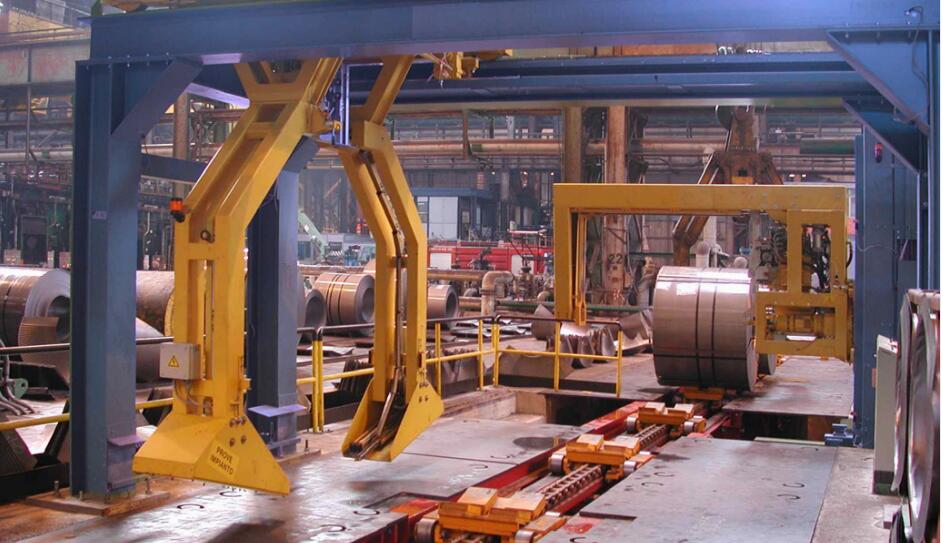
Steel wire strapping machine performance, high-speed distribution, efficiency improvements Training operators to do machine operation, identify potential problems, and implement maintenance is necessary. Lack of proper training can lead to decreased machine operation, inefficiencies, machine damages and safety concerns.
Well-trained operators contribute to reduced downtime, minimal waste, and safe working. Empowering operators with the knowledge to monitor machine performance, troubleshoot minor issues, and perform routine maintenance tasks ensures consistent and reliable efficiency improvements and output.
With comprehensive training programs, high-speed distribution facilities can greatly increase their operational excellence. Facilities are able to maximize their return on investment with a high-performing team, improved equipment, and minimized losses.
Conclusion
Optimizing steel wire strapping machine performance in high-speed distribution centers requires a multifaceted approach. From preventative maintenance and material selection to calibration and operator training, each element contributes to overall efficiency. By implementing these strategies, distribution centers can ensure their strapping machines operate at peak performance, reducing downtime, minimizing waste, and maximizing throughput.








