
How to Optimize Pipe Bundling Machine Performance for Different Pipe Sizes?
Optimizing pipe bundling machine performance is critical for handling diverse pipe sizes efficiently. This ensures smooth operations, reduces downtime, and maintains consistent bundle quality. Adapting machine settings and processes are essential.
To optimize pipe bundling machine performance for different pipe sizes, adjust tension, wrapping speed, and bundle compression. Implement quick changeover procedures and use durable strapping materials. Regular maintenance and operator training further enhance efficiency and minimize material waste.
To truly maximize your production line’s potential, let’s explore specific strategies for fine-tuning your pipe bundling machine. These insights will help you achieve optimal results, no matter the pipe size you’re handling.
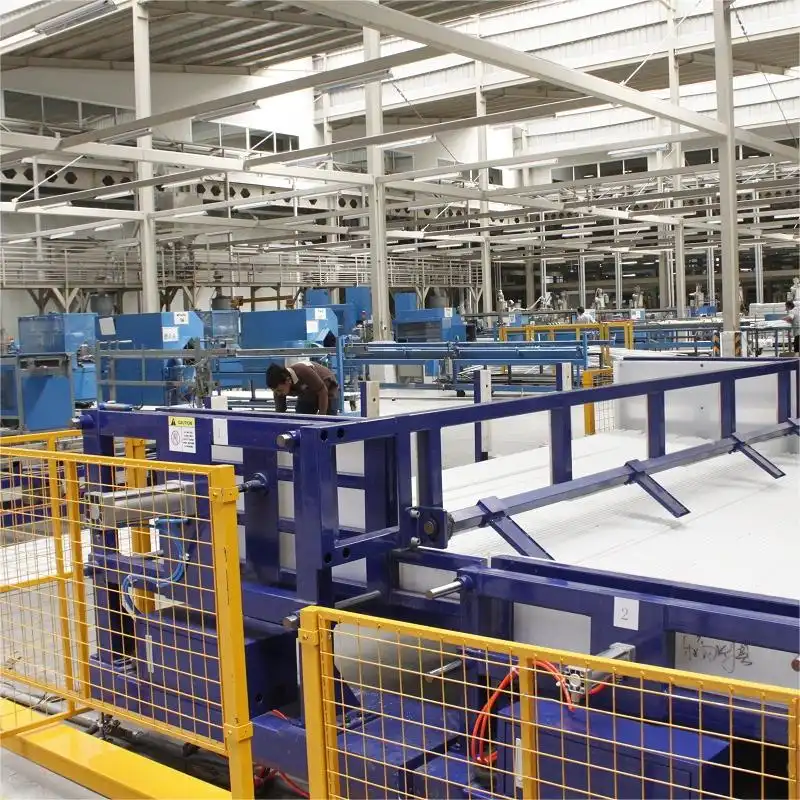
1. Adjusting Machine Settings for Various Pipe Dimensions
Accommodating a wide range of pipe sizes is a hallmark of a flexible and efficient pipe bundling operation. The ability to quickly and accurately adjust machine settings is paramount.
To optimize pipe bundling for various pipe sizes, fine-tune tension, wrapping speed, and compression settings. Utilize programmable logic controllers (PLCs) for quick adjustments and standardize changeover procedures. Regular monitoring and data analysis can further refine the process.
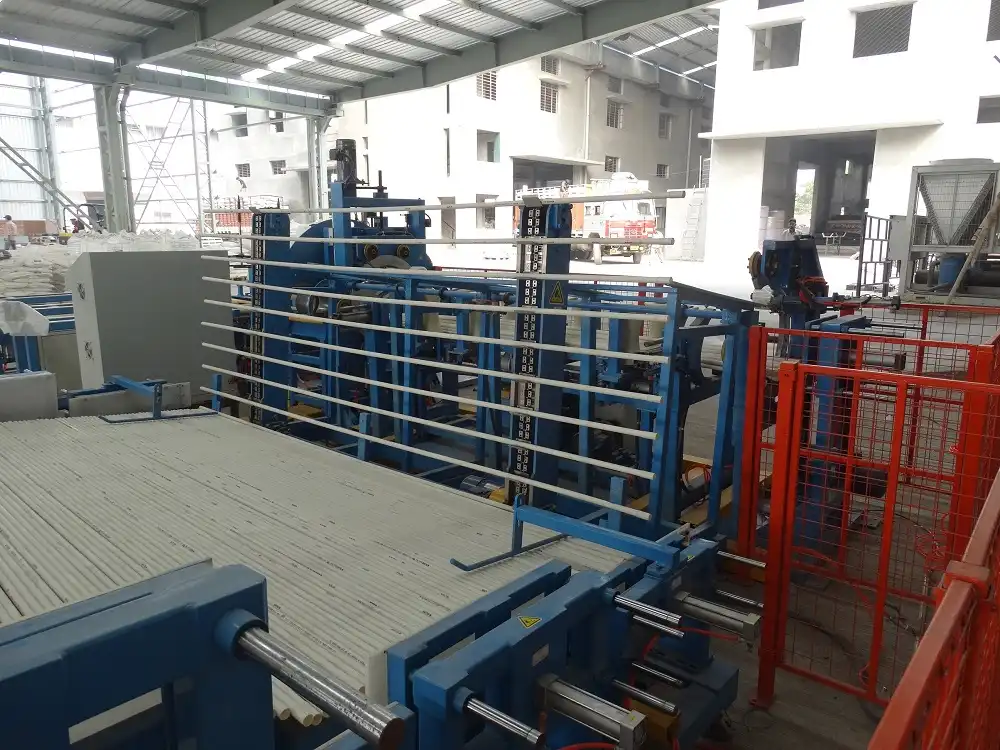
Fine-Tuning for Peak Performance: A Deeper Dive
Optimizing your pipe bundling machine requires a comprehensive approach. This involves understanding the relationships between machine settings, material properties, and desired bundle characteristics.
Understanding Material Properties
Different pipe materials and dimensions necessitate different handling techniques. Thin-walled pipes require gentler tension to prevent deformation, while heavier, larger pipes need stronger strapping for secure bundling. Consider the following:
- Pipe Material: PVC, steel, copper, and other materials have varying degrees of flexibility and strength.
- Wall Thickness: Thinner walls are more susceptible to damage from excessive pressure.
- Diameter: Larger diameters may require more strapping material and increased tension.
Analyzing Data and Implementing Feedback Loops
Maintain detailed records of machine performance for each pipe size and material. This data should include:
- Bundle Tightness: Measure the circumference of the bundle after strapping to ensure consistent tightness.
- Material Usage: Track the amount of strapping material used per bundle to identify areas for optimization.
- Downtime: Record the frequency and duration of machine downtime related to changeovers or malfunctions.
Use this data to refine your settings over time. If you observe recurring issues like loose bundles or material breakage, adjust the settings accordingly. Implement a feedback loop where operators can report problems and suggest improvements.
Setting Up Quick Changeover Procedures
Minimize downtime by developing standardized operating procedures (SOPs) for changing between pipe sizes. This includes:
- Clearly Defined Steps: Outline each step in the changeover process, including tool requirements and safety precautions.
- Pre-Set Parameters: Establish pre-set machine settings for common pipe sizes and materials.
- Dedicated Tooling: Keep a dedicated set of tools readily available for changeovers.
Evaluating Advanced Features and Capabilities
Assess how modern pipe bundling machines can adapt to accommodate a wider range of product sizes and shapes. Look for features like:
- Automatic Tension Control: Automatically adjusts tension based on pipe size and material.
- Adjustable Wrapping Patterns: Allows for customized wrapping patterns to optimize bundle security.
- Quick-Release Mechanisms: Simplifies the process of changing strapping material.
Consider the following table which compares strapping tension for different pipe sizes:
| Pipe Diameter (inches) | Recommended Tension (lbs) | Strapping Material | Notes |
|---|---|---|---|
| 1-2 | 150-200 | Polypropylene | Lightweight pipes, cost-effective |
| 3-4 | 250-350 | Polyester | Medium-weight pipes, good strength |
| 5-6 | 400-500 | Nylon | Heavier pipes, suitable for irregular shapes |
| 7-8 | 550-650 | Steel | Heavy-duty pipes, maximum strength and security |
| 9-10 | 700-800 | Steel | Extra heavy-duty pipes, requiring the highest level of bundle integrity |
By carefully considering these factors and implementing a data-driven approach, you can optimize your machine settings for peak performance across a variety of pipe sizes and materials.
2. Selecting the Right Strapping Material
Choosing the correct strapping material is essential for ensuring secure and efficient pipe bundling. The material must be strong enough to withstand the weight and handling of the pipes while remaining cost-effective.
The ideal strapping material depends on pipe size, weight, and environmental conditions. Steel strapping offers maximum strength, while polyester and polypropylene are suitable for lighter loads. Nylon provides elasticity for irregular bundles. Proper selection ensures secure bundling and minimizes material waste.

Material Selection: A Technical Deep Dive
Selecting the optimal strapping material involves a detailed understanding of material properties, application requirements, and cost considerations.
Consider the following factors when choosing a strapping material:
- Tensile Strength: The maximum force the material can withstand before breaking.
- Elongation: The amount the material can stretch before breaking.
- Elasticity: The ability of the material to return to its original shape after being stretched.
- Cost: The price per unit of strapping material.
- Environmental Resistance: The material’s ability to withstand exposure to moisture, UV radiation, and other environmental factors.
Steel Strapping
Steel strapping offers the highest tensile strength and is suitable for heavy-duty applications. It’s ideal for bundling large diameter steel pipes that require maximum security. However, it’s also the most expensive option and can be difficult to handle.
Polyester (PET) Strapping
Polyester strapping provides a good balance of strength, elongation, and cost. It’s a versatile option for medium-weight pipes and offers good resistance to moisture and UV radiation.
Polypropylene (PP) Strapping
Polypropylene strapping is the most cost-effective option and is suitable for lightweight pipes. It’s easy to handle but has lower tensile strength and elongation compared to steel and polyester.
Nylon Strapping
Nylon strapping offers high elasticity and is suitable for bundling irregular-shaped pipes. Its ability to stretch and conform to the shape of the bundle makes it a good choice for applications where bundle integrity is critical.
Here is a table outlining the properties of different strapping materials:
| Material | Tensile Strength (psi) | Elongation (%) | Cost | Environmental Resistance | Applications |
|---|---|---|---|---|---|
| Steel | 60,000 – 100,000 | 1-3 | High | Poor | Heavy-duty steel pipes, maximum security |
| Polyester (PET) | 20,000 – 30,000 | 5-10 | Medium | Good | Medium-weight pipes, good balance of strength and cost |
| Polypropylene (PP) | 8,000 – 12,000 | 15-25 | Low | Fair | Lightweight pipes, cost-effective |
| Nylon | 15,000 – 25,000 | 20-30 | Medium | Good | Irregular-shaped pipes, high elasticity |
By carefully evaluating these factors and considering the specific requirements of your application, you can select the optimal strapping material for efficient and secure pipe bundling.
3. Implementing a Robust Maintenance Schedule
A well-maintained machine is a productive machine. Implementing a robust maintenance schedule is crucial for sustained efficiency and minimizing downtime.
A robust maintenance schedule for pipe bundling machines includes daily inspections, weekly lubrication, and monthly calibration. Regular replacement of worn parts and predictive maintenance techniques minimize downtime and extend machine lifespan. This ensures consistent performance and reduces costly repairs.
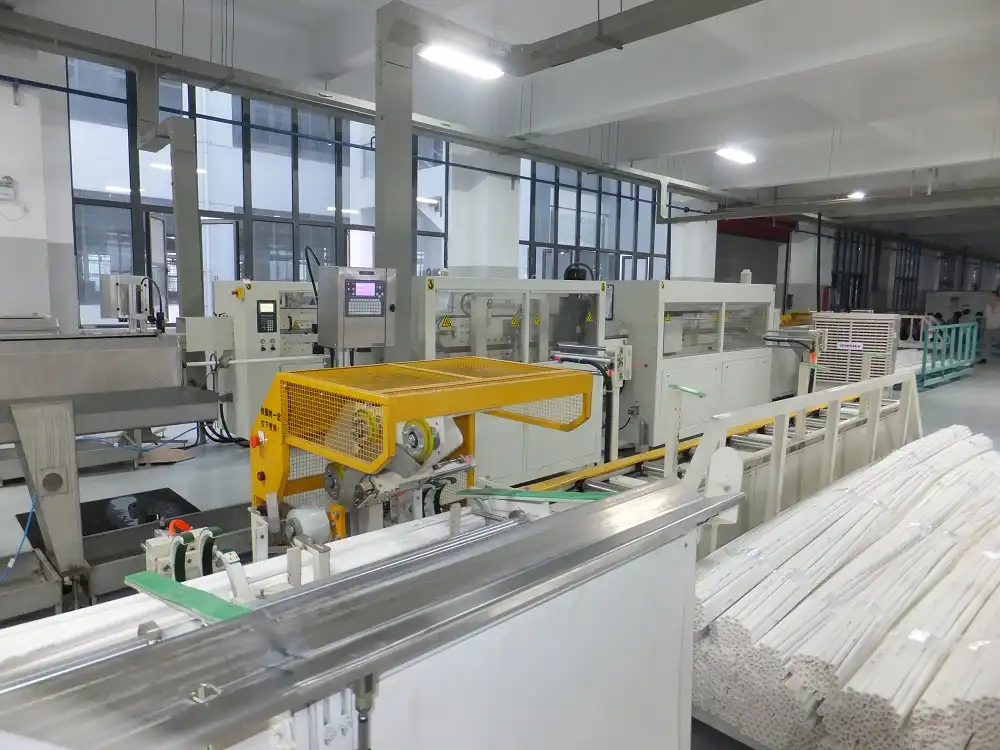
The Pillars of Preventative Care: A Technical Overview
A comprehensive maintenance program extends beyond a simple checklist; it embodies a proactive approach to equipment care.
Establishing a Routine Inspection Schedule
Create checklists for daily, weekly, and monthly inspections. Daily checks involve visual inspections and lubrication, while weekly checks could include tightening bolts and inspecting belts. Use manufacturer guidelines.
Tracking Maintenance Activities
Track all maintenance activities, including dates, tasks performed, and parts replaced. This data helps identify trends and predict potential problems.
Using Condition Monitoring
Implement technologies like vibration analysis and thermal imaging to detect problems early. These methods can identify issues before they lead to breakdowns.
The frequency of maintenance depends on the machine’s usage and operating environment. A general guideline is provided below:
| Task | Frequency | Description |
|---|---|---|
| Visual Inspection | Daily | Check for loose parts, leaks, or unusual noises. |
| Lubrication | Weekly | Lubricate moving parts to reduce friction and wear. |
| Belt Tension Adjustment | Monthly | Ensure belts are properly tensioned to prevent slippage. |
| Sensor Calibration | Quarterly | Calibrate sensors to ensure accurate readings. |
| Parts Replacement | Annually | Replace worn parts such as belts, bearings, and blades. |
Implementing these strategies will result in improved pipe packaging efficiency
4. Operator Training and Empowerment
Investing in the skills and knowledge of your operators is just as important as the machine itself. Proper training and empowerment can unlock significant gains in efficiency and reduce errors.
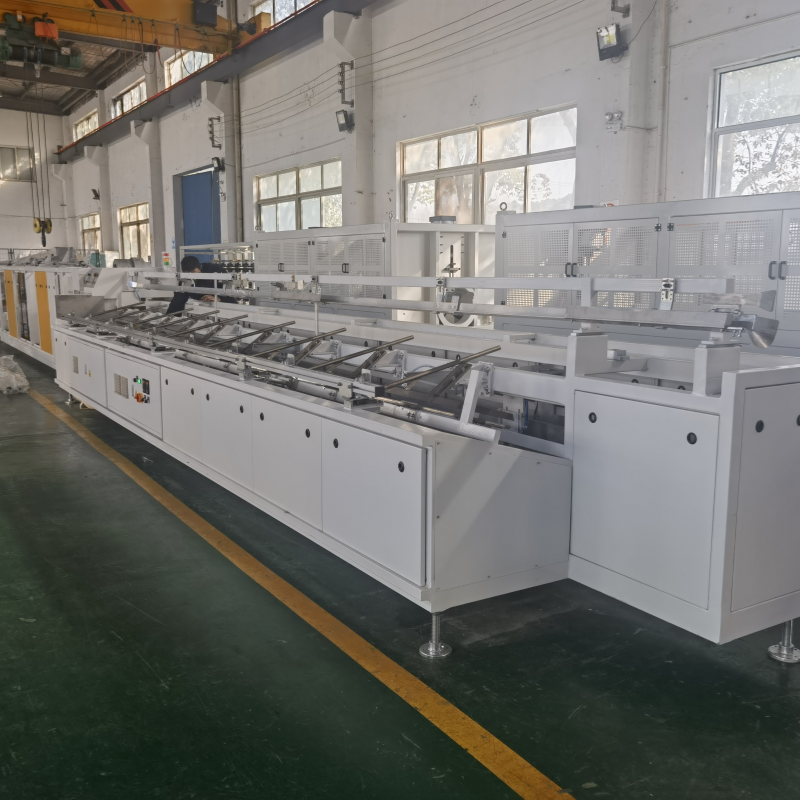
Properly trained operators are crucial for optimizing pipe bundling machine performance. Comprehensive training on machine setup, operation, troubleshooting, and maintenance is essential. Empowering operators to make informed decisions improves overall efficiency and reduces downtime. Continuous learning and skill development are vital.
Investing in Human Capital
The skills and knowledge of your operators are just as important as the machine itself. Here’s how to maximize their impact:
- Comprehensive Initial Training Provide new operators with thorough training that covers all aspects of the machine, including setup, operation, troubleshooting, and maintenance.
- Ongoing Skill Development Offer regular refresher courses and advanced training on new techniques and technologies. This keeps operators up-to-date and motivated to improve their skills.
- Certification Programs Consider implementing a certification program to recognize operators who have demonstrated a high level of proficiency. This can boost morale and encourage continuous learning.
- Knowledge Sharing Platforms Create forums or communities where operators can share their knowledge, ask questions, and learn from each other’s experiences.
- Empowerment and Autonomy Empower operators to make informed decisions about machine settings and maintenance. Encourage them to identify and implement improvements to the process. This fosters a sense of ownership and responsibility.
Conclusion
Optimizing pipe bundling machine performance for different pipe sizes involves a multi-faceted approach. By adjusting machine settings, selecting the right strapping material, implementing robust maintenance schedules, and investing in operator training, businesses can achieve significant gains in efficiency, reduce downtime, and minimize material waste. A well-optimized pipe bundling operation contributes to increased productivity, reduced costs, and improved product quality, ultimately enhancing the bottom line.








