
How to Ensure Pipe Bundling Machine Compatibility with Existing Systems?
Ensuring pipe bundling machine compatibility is vital for seamless integration. This necessitates assessing mechanical, electrical, and software interfaces. Verify physical dimensions, voltage needs, and control system sync. Thorough simulations, aligning machine parameters with the production line. Proper planning optimizes system efficiency.
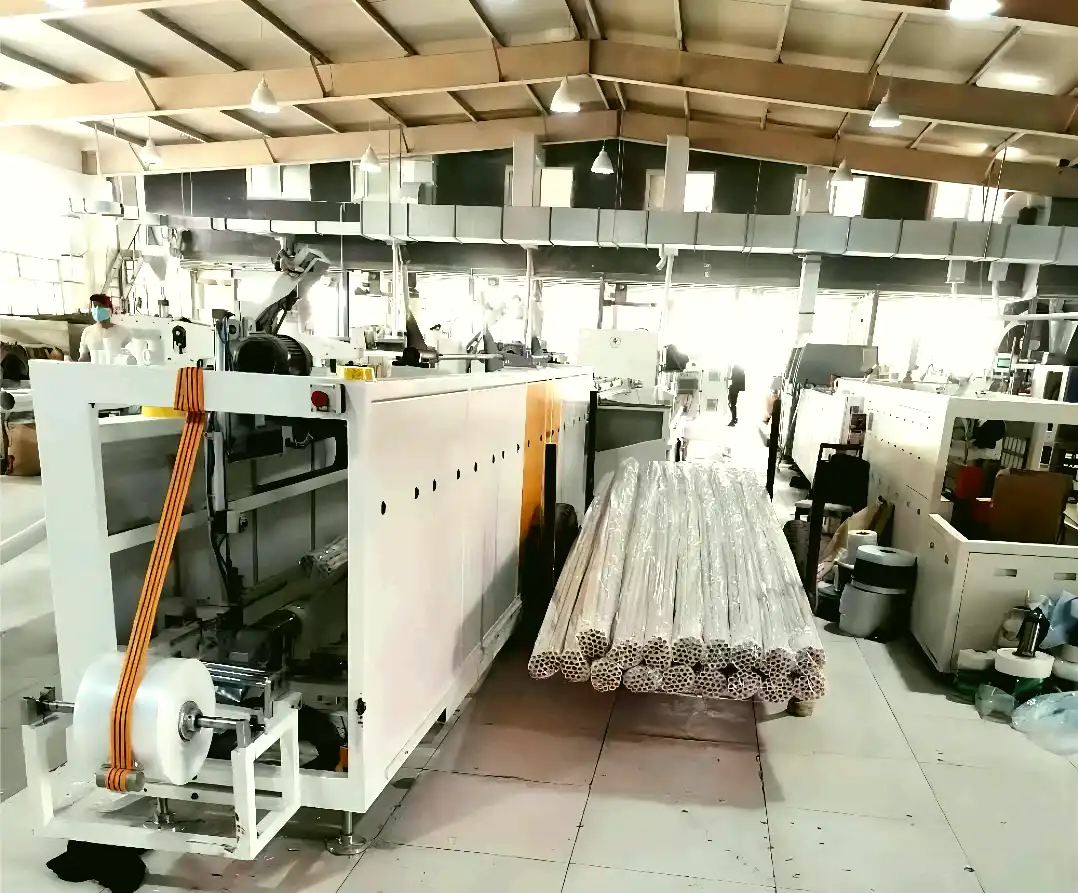
To guarantee pipe bundling machine compatibility, a meticulous assessment of mechanical, electrical, and software interfaces is crucial. It involves verifying physical dimensions, aligning voltage requirements, and synchronizing control systems. Thorough testing and simulations ensure the new machine aligns with existing production line parameters, minimizing disruptions and optimizing system efficiency.
Integrating a new pipe bundling machine into an existing system can be complex, but understanding key factors ensures a smooth transition and optimal performance. Let’s explore the essential aspects to ensure effective pipe packaging solutions.
1. Assessing Mechanical Compatibility
A smooth integration starts with evaluating the mechanical interfaces. This ensures the new machine fits physically and aligns correctly with the current setup.
Mechanical compatibility is primarily about physical fit. Consider available space, conveyor heights, and transfer mechanisms. Verify the machine aligns with existing processes. Confirm dimensions and interfaces won’t disrupt the current layout. Proper assessment streamlines integration and boosts productivity with minimal downtime.
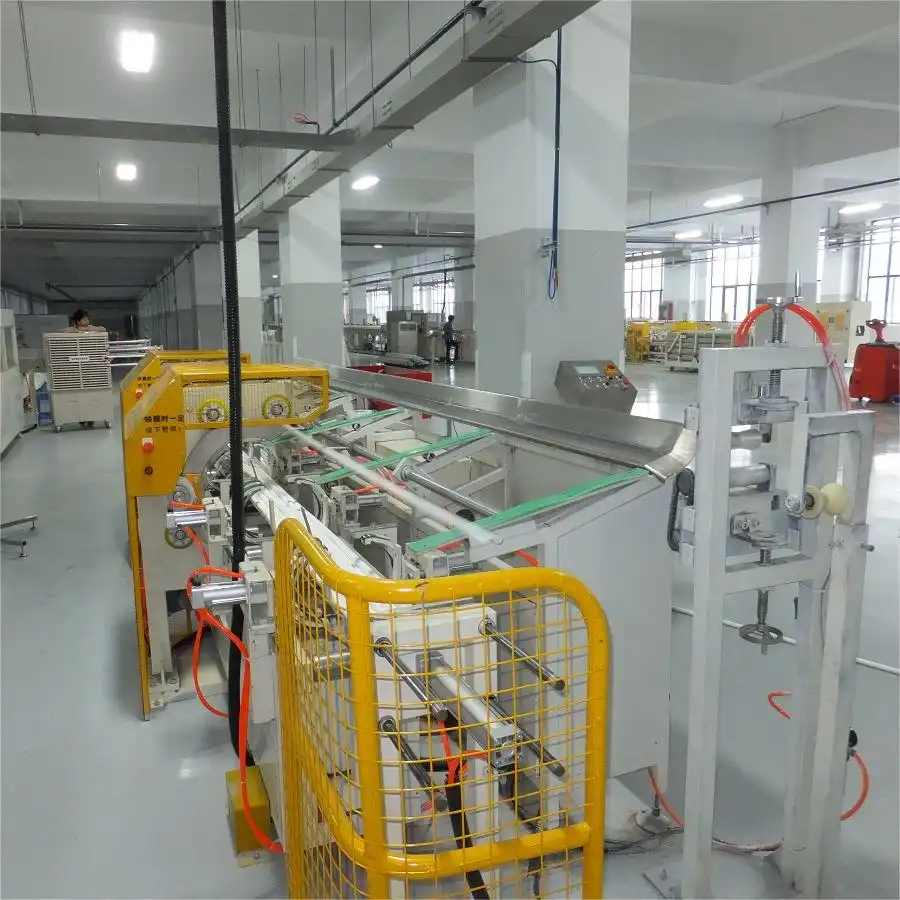
Seamless Mechanical Integration: Key Considerations
Achieving seamless mechanical integration involves detailed planning and precise execution. It’s not just about fitting the machine into the space; it’s about ensuring it enhances the overall flow and efficiency of the production line. Let’s break down some key areas:
1. 1 Physical Dimensions and Space Requirements
Measuring available space is crucial. This includes the machine’s footprint, overhead clearance, and space for operation and maintenance.
- Machine Footprint: Measure length, width, and height.
- Operational Space: Account for operator movement and maintenance access.
- Safety Clearances: Ensure safety around moving parts and emergency stops.
1. 2 Conveyor and Transfer System Alignment
Integrating with existing conveyor systems is vital for continuous operation. Consider:
- Height Alignment: Verify infeed and outfeed heights align with existing conveyors.
- Transfer Mechanisms: Evaluate pipe transfer to the new machine and back. Common solutions include roller, belt, and pneumatic systems.
- Pipe Diameter and Weight: Ensure the transfer system can handle the range of pipe sizes and weights.
1. 3 Material Handling and Support
Proper material handling is essential to prevent damage and ensure consistent feeding:
- Infeed and Outfeed Support: Support structures should prevent pipes from sagging.
- Cushioning and Protection: Use cushioning to prevent scratches or damage.
- Jam Detection: Integrate sensors to stop the machine if jams occur.
1. 4 Addressing Challenges
Even with planning, challenges may arise. Here’s a quick reference table for common issues and solutions:
| Challenge | Solution |
|---|---|
| Misalignment of Conveyors | Use adjustable conveyor sections, or custom-built transfer sections to bridge significant gaps. |
| Space Constraints | Reconfigure the layout, explore vertical integration, or use a more compact machine design. |
| Pipe Damage During Transfer | Implement cushioned transfer mechanisms, reduce transfer speeds, and ensure smooth transitions. |
| Inconsistent Pipe Feeding | Install sensors to detect pipe presence and adjust feeding speeds. Implement a buffer system. |
Addressing these mechanical aspects ensures a seamless integration, minimizing disruptions and maximizing productivity. The goal is to create a system where the new machine augments the existing processes, leading to a more efficient and streamlined operation.
2. Electrical and Control System Integration
Electrical and control system compatibility ensures the new machine communicates effectively with existing systems.
Electrical compatibility requires matching voltage, current, and wiring. Control system integration demands understanding communication protocols and software synchronization. Proper integration minimizes conflicts, ensuring a harmonized, efficient production line. This avoids operational conflicts, maximizing efficiency.

Seamless Integration: Diving Deeper into Electrical and Control Systems
A pipe bundling machine’s electrical and control systems must integrate with existing infrastructure to avoid conflicts and maximize efficiency. This involves a detailed look at power, communication, and software. Let’s consider some of these technical details:
2. 1 Electrical System Requirements
Matching the electrical system is key for safe operation.
- Voltage Compatibility: Verify voltage requirements (e.g., 220V, 480V). Use a transformer if needed.
- Current Capacity: Check current draw and ensure circuits can handle the load.
- Wiring Configurations: Confirm wiring configurations (e.g., three-phase, single-phase).
- Safety Compliance: Ensure compliance with electrical safety standards (e.g., UL, CE).
2. 2 Control System Synchronization
Integrating the control system allows machines to communicate, creating a cohesive line.
- Communication Protocols: Identify existing system protocols (e.g., Ethernet/IP, Profinet, Modbus).
- Software Compatibility: Ensure software is compatible with MES or ERP systems.
- PLC Integration: Ensure integration into the PLC network if used.
- Sensor Synchronization: Integrate sensors for real-time feedback and coordination.
2. 3 Power Management and Surge Protection
Electrical systems must be protected from fluctuations.
- Surge Suppressors: Install surge suppressors to protect components.
- Voltage Regulators: Use voltage regulators to stabilize voltage levels.
- EPO Systems: Integrate the machine into the EPO system for shutdowns during emergencies.
2. 4 Addressing Integration Challenges
Here’s a table for common electrical challenges and solutions:
| Challenge | Solution |
|---|---|
| Protocol Mismatches | Use protocol converters or gateways. Work with a qualified integrator. |
| Software Incompatibilities | Update existing software or use middleware. Custom software may be required. |
| Electrical Overloads | Upgrade circuits or distribute the load. Consult an electrical engineer. |
| Interference Issues | Use shielded cables and filters to minimize EMI. Ensure proper grounding to prevent ground loops. |
Addressing these aspects leads to a fully integrated and efficient operation, minimizing downtime and maximizing throughput.
3. Adhering to Integration Guidelines
Compatibility involves following guidelines to ensure a smooth integration process, not just technical specs.
Integration guidelines include pre-checks, sequential implementation, testing, and documentation. Perform thorough assessments before installation and test afterward. Phased implementation manages risks. Document every step. A proactive approach ensures a streamlined integration, reducing disruptions.
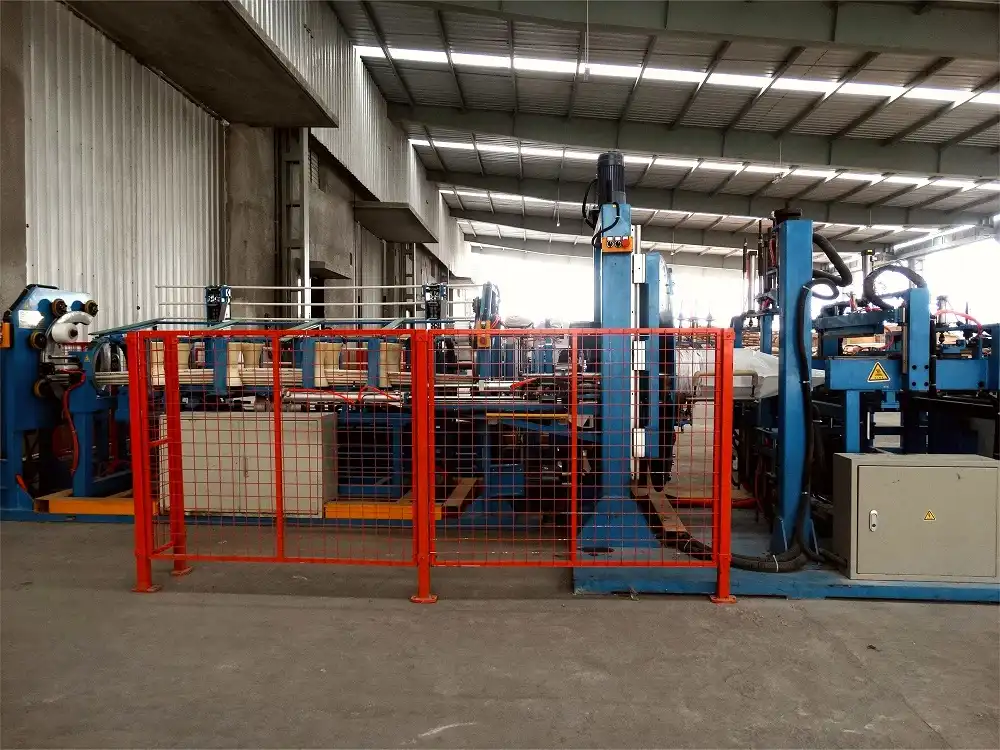
Strategic Guidelines: Guaranteeing Successful Integration
To guarantee the successful integration of a pipe bundling machine, follow specific guidelines, which include planning, structured implementation, rigorous testing, and documentation.
3. 1 Pre-Installation Assessments
Assessments lay the foundation for smooth integration, and should include:
- Detailed Site Survey: Identify physical constraints, electrical limitations, and environmental factors.
- Compatibility Checklists: Develop checklists to verify the compatibility of all interfaces.
- Risk Assessment: Perform a risk assessment and develop mitigation strategies.
3. 2 Sequential Implementation
A phased approach minimizes disruptions, and common phases include:
- Preparation
- Installation
- Testing
- Integration
- Optimization
3. 3 Comprehensive Testing
Rigorous testing identifies issues early.
- Functional Testing
- Performance Testing
- Integration Testing
- Stress Testing
3. 4 Documentation and Training
Documentation is essential for long-term success.
- Detailed Manuals
- Training Programs
- Version Control
3. 5 Example Scenario
| Phase | Activity |
|---|---|
| Site Survey | Identifying a potential height difference between the existing conveyor and new machine. |
| Solution | Planning for a height-adjustable conveyor to bridge the gap. |
| Testing | Software incompatibility detected before full integration. |
| Resolution | Updating software or implementing middleware to ensure communication. |
4. Regular Maintenance: Keeping Your System Running Smoothly
Keeping your pipe bundling machine running smoothly with regular maintenance ensures optimal performance.
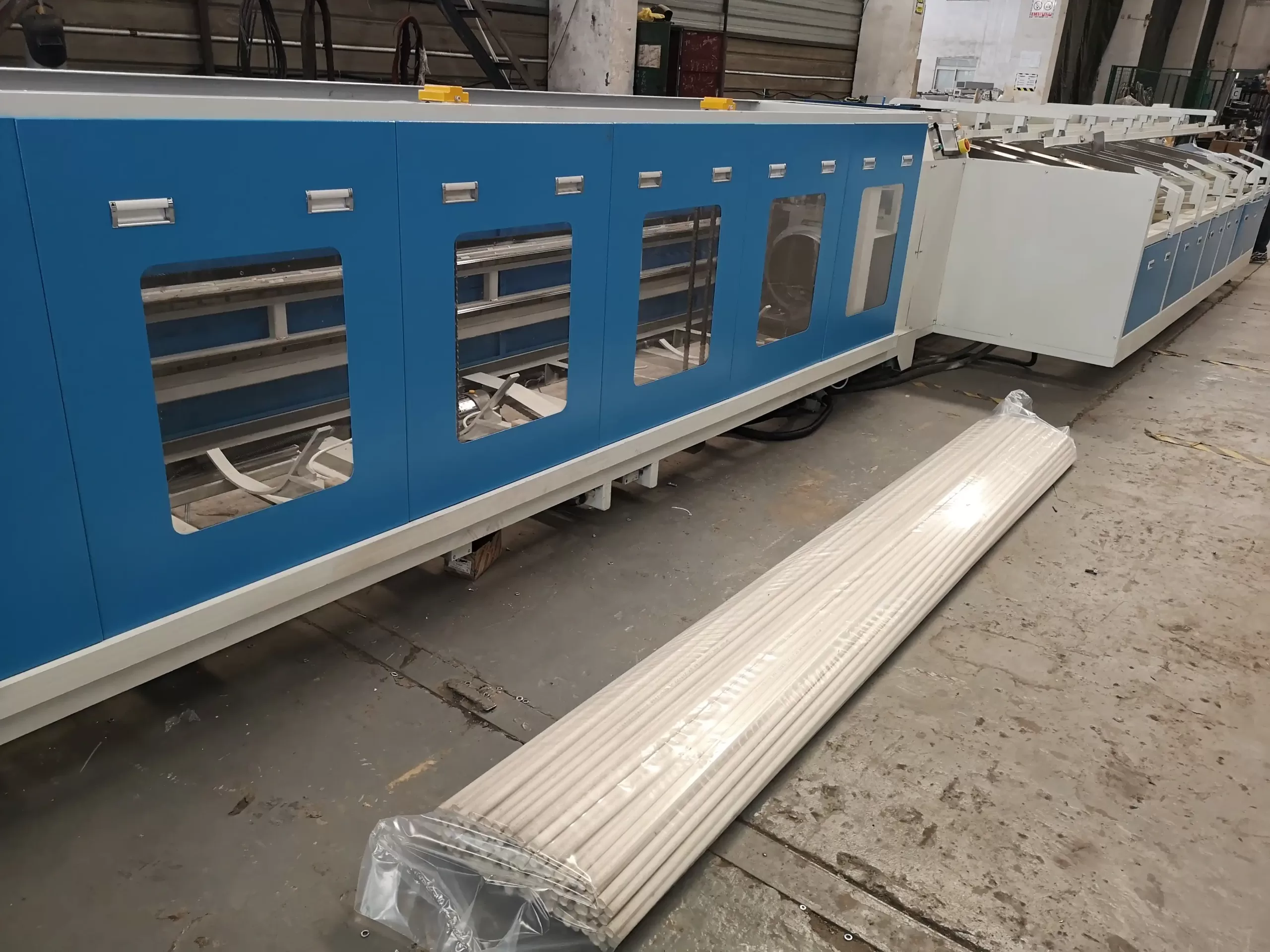
Maintenance enhances machine reliability and extends its life. Regular inspections, lubrication, and component replacement reduce breakdowns. Preventative measures and prompt repairs optimize machine performance, maintaining bagging efficiency and quality, supporting continuous output and preventing disruptions.
A strong maintenance program needs preventative and reactive measures. For example, it is always good to review all mechanical and electrical components frequently to ensure they are in proper working order. This includes: Routine inspections, cleaning schedule, firmware updates, having a parts supplier, on hand parts inventory and qualified technicians. Overall, it is important to maintain these pipe bundling systems with both preventive and reactive measures. As long as everything is planned ahead of time and executed correctly, the downtime can be minimized and productivity can increase.
Conclusion
Ensuring pipe bundling machine compatibility hinges on mechanical, electrical, and operational alignment. Thorough assessments, strategic implementation, and proactive maintenance are key. A well-integrated machine optimizes production, enhances reliability, and extends the life of processes. Prioritizing integration through planning leads to significant gains in efficiency, agility, and responsiveness and maintains compliance with global regulations.








