
How to Ensure Pipe Bundling Machine Compatibility with Existing Material Handling Systems?
Ensuring a new pipe bundling machine integrates seamlessly with your existing material handling systems is vital for efficiency. Careful planning and assessment are critical for a successful operation. This minimizes disruption and optimizes your production line’s overall performance.
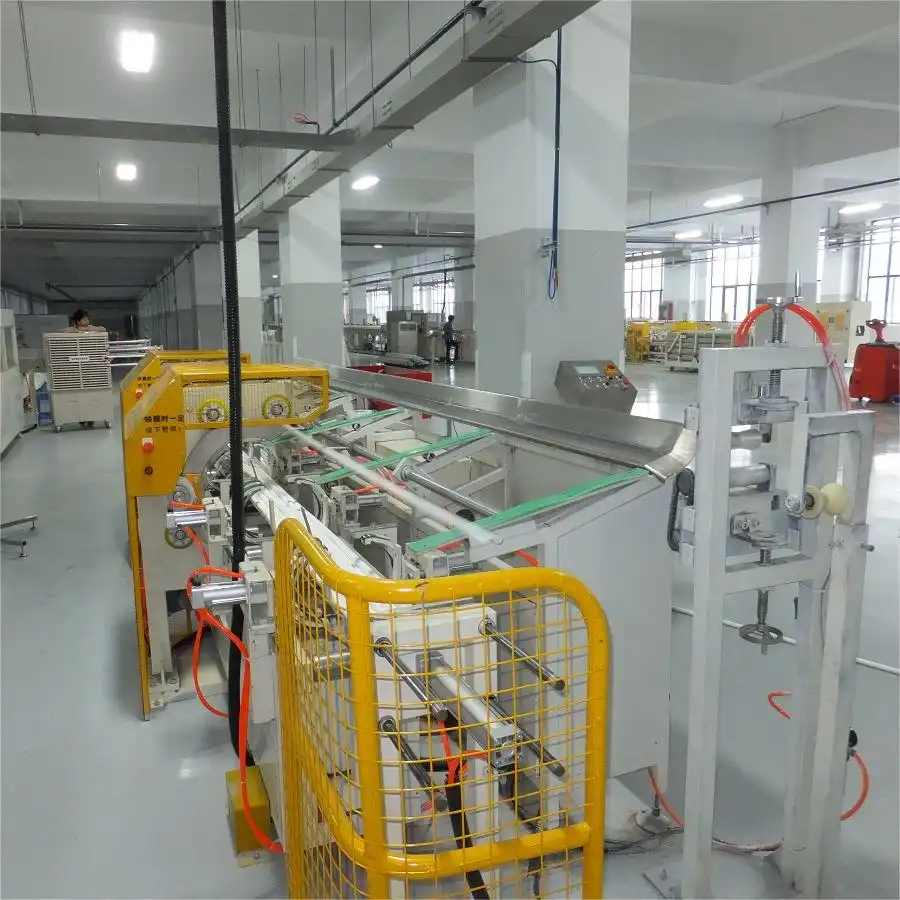
To ensure compatibility, assess mechanical, electrical, and software interfaces. Verify physical dimensions, voltage requirements, and control system integration. Conduct thorough testing and simulations, aligning the new machine with existing production line parameters. Proper preparation minimizes disruptions and optimizes system efficiency.
Integrating a new pipe bundling machine into your current setup can seem daunting. However, understanding the key considerations streamlines the process, boosting productivity and minimizing downtime. Let’s dive into essential aspects for a smooth integration.
1. Assessing Mechanical Compatibility
A smooth integration begins with assessing the mechanical interfaces. This ensures the new machine physically fits and aligns with the existing setup, allowing pipes to flow efficiently.
Mechanical compatibility is about the physical fit. Measure the available space, conveyor heights, and pipe transfer mechanisms. Ensure the new machine aligns with the existing flow. Verify that physical dimensions and interfaces won’t disrupt the current layout.
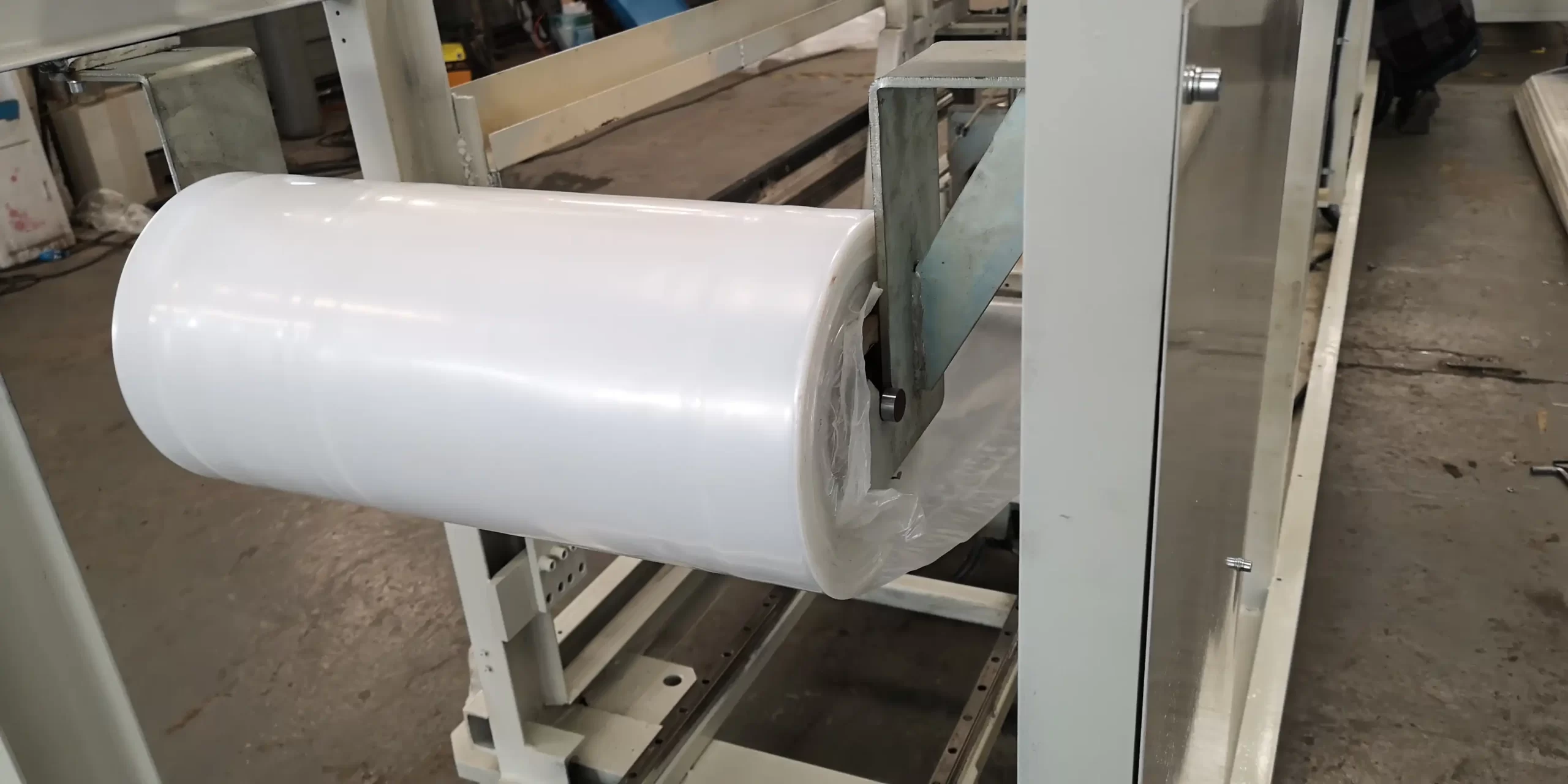
Key Considerations for Seamless Mechanical Integration
Achieving seamless mechanical integration involves detailed planning and precise execution. It’s about ensuring the machine enhances the overall flow and efficiency of the production line, rather than just fitting into the space. Consider crucial factors that significantly impact operational harmony and effectiveness.
1.1 Physical Dimensions and Space Requirements
The first step is to meticulously measure the available space. This includes not just the machine’s footprint but also the overhead clearance and surrounding areas required for operation and maintenance.
- Machine Footprint: Measure the length, width, and height of the new machine.
- Operational Space: Account for space needed for operators to move around, access controls, and perform maintenance.
- Safety Clearances: Ensure adequate safety clearances around moving parts and emergency stops.
1.2 Conveyor and Transfer System Alignment
The integration of the new machine with existing conveyor and transfer systems is critical for continuous operation. Key factors to consider include:
- Height Alignment: Verify that the infeed and outfeed heights of the new machine align with the existing conveyors. Height discrepancies can cause jams, damage pipes, and disrupt flow.
- Transfer Mechanisms: Evaluate the transfer mechanisms. How will pipes be moved from the existing system to the new machine and back? Common solutions include roller conveyors, belt conveyors, and pneumatic systems. Ensure these are compatible.
- Pipe Diameter and Weight: Ensure the transfer system can handle the range of pipe diameters and weights that your facility processes. Overloading the system can lead to failures.
1.3 Addressing Challenges
Even with careful planning, challenges may arise during mechanical integration. Addressing these proactively ensures minimal disruption.
| Challenge | Solution |
|---|---|
| Misalignment of Conveyors | Use adjustable conveyor sections to fine-tune height and alignment. Consider custom-built transfer sections to bridge significant gaps. |
| Space Constraints | Reconfigure the existing layout, explore vertical integration, or opt for a more compact machine design. |
| Pipe Damage During Transfer | Implement cushioned transfer mechanisms, reduce transfer speeds, and ensure smooth transitions. |
| Inconsistent Pipe Feeding | Install sensors to detect pipe presence and adjust feeding speeds. Implement a buffer system to ensure a consistent supply of pipes. |
| Different Pipe Sizes or Materials | Install adjustable guides and sensors that automatically adapt to different pipe dimensions and materials, ensuring smooth and damage-free handling. |
By carefully assessing these mechanical aspects, you can ensure a seamless and efficient integration of the new pipe bundling machine, minimizing disruptions and maximizing productivity.
2. Electrical and Control System Integration
Electrical and control system compatibility ensures the new machine can communicate effectively with existing systems. This enables seamless operation and data exchange.
Electrical compatibility involves matching voltage, current, and wiring configurations. Control system integration requires understanding communication protocols and software synchronization. Proper integration of these elements minimizes conflicts and ensures a harmonized, efficient production line.
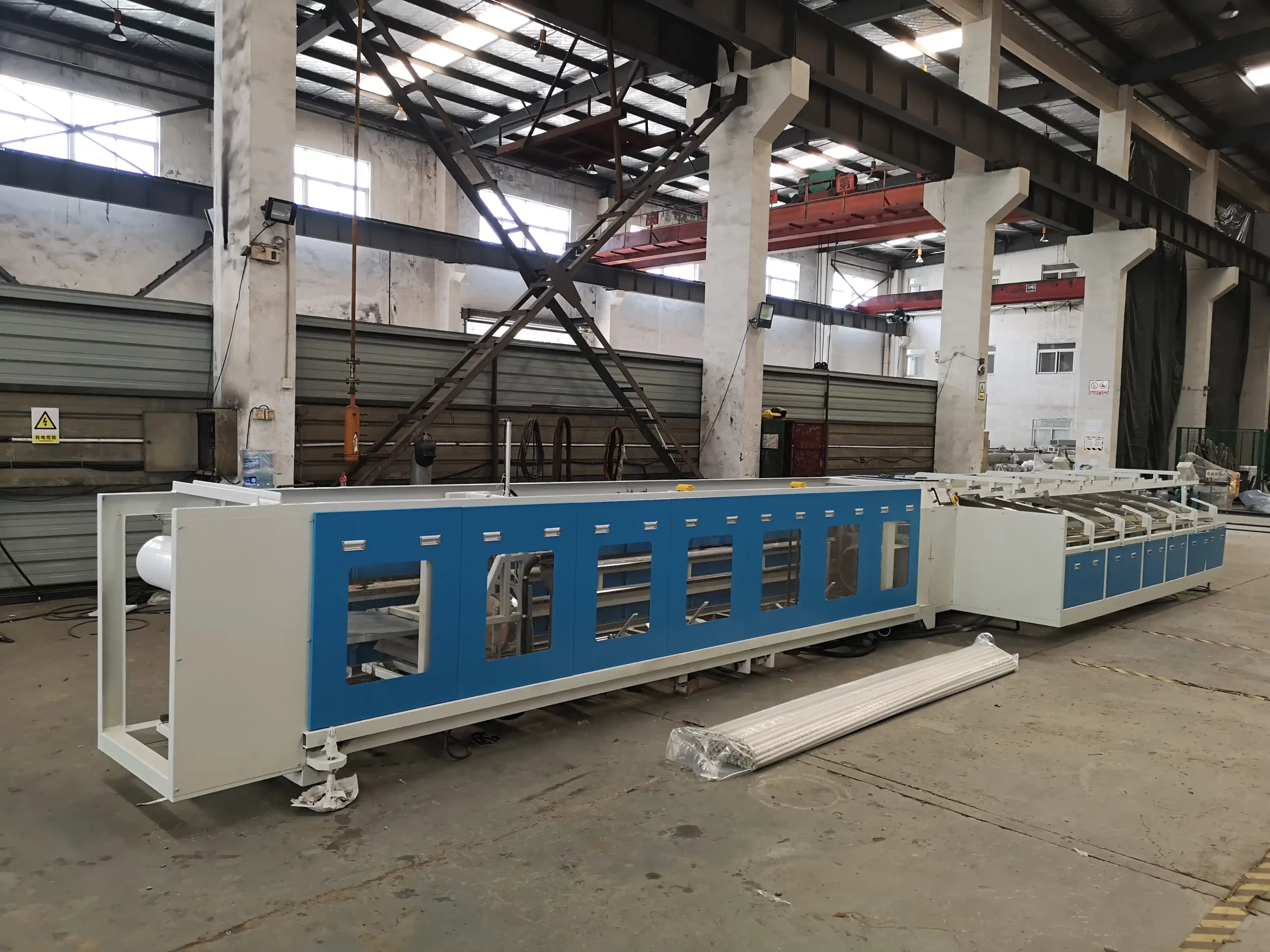
Ensuring Seamless Electrical and Control System Integration
A pipe bundling machine’s electrical and control systems must integrate with existing infrastructure to avoid operational conflicts and maximize efficiency. This involves careful consideration of power requirements, communication protocols, and software compatibility.
2.1 Key Electrical Considerations
- Voltage and Power Requirements: Ensure the machine’s voltage and power requirements match your facility’s electrical supply.
- Emergency Shut-off Systems: Integrate the new machine into your existing emergency shut-off systems for safety.
- Grounding: Proper grounding prevents electrical hazards and ensures stable operation.
- Wiring and Cabling: Confirm that wiring and cabling meet local electrical codes and are adequately shielded.
2.2 Control System Synchronization
- Communication Protocols: Verify that the new machine uses compatible communication protocols (e.g., Ethernet/IP, Profinet, Modbus) to integrate with existing PLCs and HMIs.
- Data Exchange: Ensure seamless data exchange between the new machine and existing systems for monitoring performance and diagnostics.
- Software Compatibility: Check that the software is compatible with existing SCADA or MES systems.
2.3 Example Integration Scenario
Imagine a plant upgrading its pipe bundling process. The new machine uses Ethernet/IP for communication, while the existing system uses Profinet. A protocol converter is implemented to bridge the gap. Additionally, custom software is developed to ensure the new machine integrates seamlessly with the existing MES system.
3. Adhering to Integration Guidelines
Compatibility isn’t just about technical specifications; it’s also about following best practices and guidelines. These ensure a smooth integration process and long-term operational success.
Integration guidelines encompass pre-installation checks, sequential implementation, comprehensive testing, and documentation. A proactive approach ensures a streamlined integration and helps avoid unforeseen challenges.
Streamlining Integration through Strategic Guidelines
To guarantee the successful integration of a pipe bundling machine, adhering to specific guidelines is essential. These guidelines encompass careful planning, structured implementation, rigorous testing, and meticulous documentation.
3.1 The Importance of Pre-Installation Assessment
Before even thinking about installing the machine, a complete assessment is critical.
- Facility Audit: Review your current facility layout and identify possible challenges.
- Infrastructure Evaluation: Review the current infrastructure of your systems.
- Compatibility Check: Double-check the compatibility of existing software and hardware.
3.2 Step-by-Step Integration Process
The best way to integrate is through a well planned step-by-step process. The steps might look like this.
- Preparation: Ready the area by performing the needed modifications.
- Installation: Set up the machine according to the producer’s rules.
- Testing: Conduct initial tests.
- Integration: Incorporate the machine into present systems.
- Optimization: Fine-tune the machine settings to obtain ideal performance.
3.3 Comprehensive Testing and Validation
Testing and validation are integral to ensuring system integration works as planned. It helps ensure that all components work together, and should include:
| Type of Test | Description | Purpose |
|---|---|---|
| Interface Testing | Verify data flow between the new machine and existing systems. | Ensure seamless communication between components. |
| Functional Testing | Ensure all machine functions operate as expected. | Validate that each function performs correctly. |
| Performance Testing | Simulate peak production loads to assess throughput. | Identify bottlenecks and assess machine capabilities. |
| Stress Testing | Run the system under prolonged operation to identify potential failure points. | Detect long-term vulnerabilities and ensure robustness. |
| Compatibility Testing | Check for compatibility with various pipe types and materials. | Guarantee adaptability and versatility in handling different pipes. |
| Security Testing | Protect the system from potential outside threats. | Shield from cyber threats and unauthorized access. |
4. The Ongoing Importance of System Maintenance
Here’s how to keep your pipe bundling machine running smoothly.
Maintenance enhances machine reliability and extends service life. Regular inspections, lubrication, and component replacement reduce sudden breakdowns. Prevent expensive repairs and optimize performance, maintaining bagging efficiency and quality.
Maintenance is important because it enhances machine reliability and extends the service life. Regular inspections, lubrication, and component replacement reduce the possibility of sudden breakdowns. With regular maintenance, one can prevent expensive repairs and optimize your machine’s performance, maintaining consistent bagging efficiency and quality.
In conclusion, ensuring pipe bundling machine compatibility with existing material handling systems requires a multi-faceted approach. By focusing on mechanical, electrical, and control system integration, and adhering to best practice guidelines, you can achieve a seamless and efficient operation. This leads to increased productivity, reduced downtime, and a more reliable and robust pipe packaging solutions.








