
How to Improve Pipe Bundling Machine Safety in Multi-Shift Warehouse Operations?
Operating pipe bundling machines across multiple shifts demands stringent safety protocols. This article delves into essential strategies to mitigate risks.
To improve pipe bundling machine safety in multi-shift warehouse operations, implement comprehensive training, regular maintenance, and robust safety protocols. This includes proper guarding, emergency stops, and clear communication channels to prevent accidents and ensure a safe working environment for all personnel.
Pipe bundling machines are invaluable for streamlining warehouse operations, but their safe operation, particularly across multiple shifts, requires careful attention. Let’s explore practical strategies.
1. Comprehensive Training Programs for All Shifts
Effective training is paramount in ensuring safe operation of pipe bundling machines across all shifts. This goes beyond initial onboarding and requires continuous education.
Comprehensive training programs for pipe bundling machine operators across all shifts are crucial for ensuring a safe working environment. This involves detailed instruction on machine operation, safety protocols, emergency procedures, and hazard identification, significantly reducing the risk of accidents and injuries.
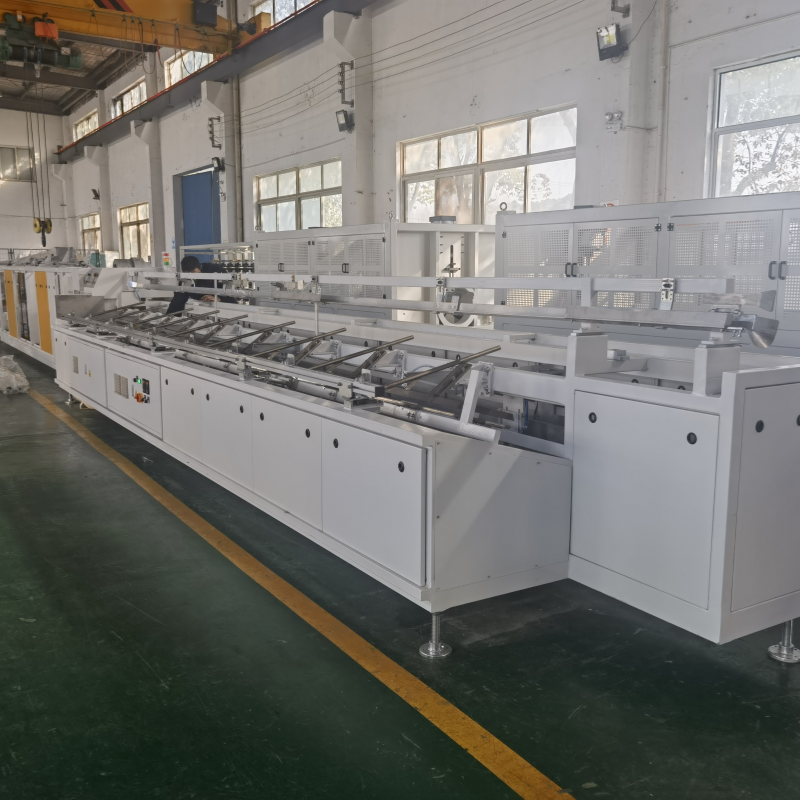
Elevating Safety Through Skill and Knowledge
Investing in thorough and ongoing training for pipe bundling machine operators is not merely a regulatory requirement, it is a fundamental pillar of warehouse safety. A well-trained operator is more aware of potential hazards, better equipped to handle unexpected situations, and ultimately contributes to a safer work environment for everyone. We can break down different aspects of training programs to improve pipe bundling machine safety in multi-shift warehouse operations:
1. Initial Training and Certification
- Comprehensive Curriculum: New operators should undergo a structured training program covering all aspects of the machine, from basic operation to advanced troubleshooting.
- Hands-On Experience: The training should include supervised hands-on experience, allowing operators to familiarize themselves with the machine’s controls and functions in a safe environment.
- Certification: Upon successful completion of the training, operators should receive certification, demonstrating their competency in operating the machine safely and efficiently.
2. Ongoing Training and Refreshers
- Regular Refresher Courses: Regular refresher courses are essential to reinforce safety protocols and keep operators up-to-date on any changes to procedures or equipment.
- Shift-Specific Training: Tailor training to address the specific challenges and risks associated with each shift, considering factors such as lighting conditions, staffing levels, and potential fatigue.
- Near-Miss Reporting and Analysis: Encourage operators to report near-miss incidents and use these reports to identify areas for improvement in training and safety procedures.
3. Training Program Metrics
| Metric | Target | Measurement Method |
|---|---|---|
| Training Completion Rate | 100% of new operators within 30 days | Track completion of training modules and certification tests |
| Refresher Course Attendance | 90% of operators annually | Monitor attendance records for refresher courses |
| Near-Miss Reporting Rate | Increase by 25% year-over-year | Track the number of near-miss reports submitted |
| Accident Rate | Reduce by 15% year-over-year | Track the number of accidents year-over-year |
By investing in comprehensive training programs, warehouses can cultivate a safety-conscious culture and significantly reduce the risk of accidents involving pipe bundling machines. This proactive approach not only protects workers but also improves overall productivity and reduces costly downtime.
2. Implement Regular Maintenance Schedules
Regular maintenance is critical for identifying and addressing potential safety hazards before they lead to accidents. Preventative maintenance can drastically reduce risks.
Implementing regular maintenance schedules is essential for ensuring the safe and reliable operation of pipe bundling machines in multi-shift environments. This involves routine inspections, lubrication, parts replacement, and system calibration to prevent malfunctions and maintain optimal performance, ultimately minimizing the risk of accidents and downtime.
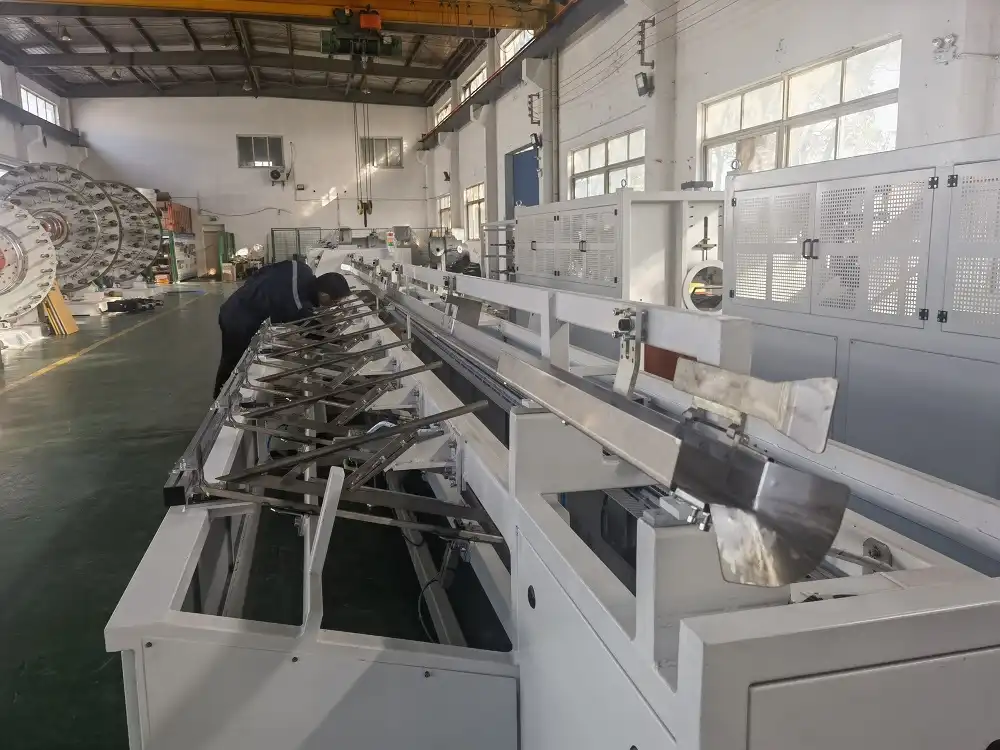
Proactive Maintenance for a Safer Workplace
To promote a safer warehouse environment, let’s break down proactive maintenance to achieve this goal effectively.
1. Scheduled Inspections
- Daily Pre-Shift Checks: Operators should conduct daily pre-shift inspections to identify any obvious signs of damage or wear, such as loose guards, frayed cables, or leaking fluids.
- Weekly Inspections: Maintenance personnel should perform weekly inspections, focusing on critical components such as rollers, belts, and hydraulic systems.
- Monthly Inspections: A more thorough monthly inspection should include a detailed examination of all machine components, lubrication of moving parts, and calibration of sensors and safety devices.
2. Preventative Maintenance Tasks
- Lubrication: Regular lubrication of moving parts is essential to reduce friction and prevent wear. Use the manufacturer’s recommended lubricants and follow the recommended lubrication schedule.
- Parts Replacement: Replace worn or damaged parts promptly to prevent malfunctions and ensure safe operation. Keep a stock of critical spare parts on hand to minimize downtime.
- System Calibration: Calibrate sensors and safety devices regularly to ensure they are functioning correctly. This includes emergency stop buttons, light curtains, and safety interlocks.
3. Documenting Maintenance Activities
- Maintenance Log: Maintain a detailed maintenance log to record all inspections, repairs, and maintenance activities. This log should include the date, time, and description of the work performed, as well as the name of the person who performed the work.
- Tracking Trends: Analyze the maintenance log to identify recurring problems or trends that may indicate underlying issues. Use this information to adjust the maintenance schedule or implement corrective actions.
| Maintenance Activity | Frequency | Responsibility | Documentation |
|---|---|---|---|
| Pre-Shift Inspection | Daily | Operator | Inspection Checklist |
| Lubrication | Weekly | Maintenance Personnel | Maintenance Log |
| Parts Replacement | As Needed | Maintenance Personnel | Maintenance Log, Parts Order Records |
| System Calibration | Monthly | Maintenance Personnel | Calibration Report |
By adhering to a regular maintenance schedule, warehouses can proactively identify and address potential safety hazards, minimizing the risk of accidents and injuries associated with pipe packaging machines. This proactive approach not only ensures the safety of workers but also extends the lifespan of the equipment and reduces costly repairs.
3. Robust Safety Protocols and Clear Communication
Establishing clear safety protocols and ensuring effective communication across all shifts are vital for preventing accidents. A well-defined system can save lives.
Robust safety protocols and clear communication are critical in multi-shift warehouse operations to prevent accidents involving pipe bundling machines. This includes well-defined procedures, hazard communication, lockout/tagout procedures, and readily accessible emergency contact information, ensuring all personnel are informed and prepared to respond to potential safety issues.
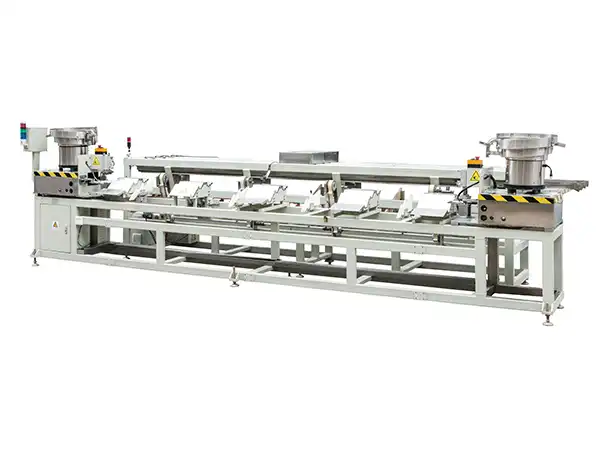
Fostering a Culture of Safety Through Protocols and Communication
Let’s consider steps to promote safety protocols and better communications among staff.
1. Well-Defined Procedures
- Standard Operating Procedures (SOPs): Develop detailed SOPs for all tasks associated with the pipe bundling machine, including startup, operation, shutdown, and maintenance.
- Emergency Procedures: Establish clear emergency procedures for responding to accidents, machine malfunctions, and other unexpected events.
- Lockout/Tagout Procedures: Implement strict lockout/tagout procedures to prevent accidental startup of the machine during maintenance or repair.
2. Hazard Communication
- Signage: Post clear and visible signage around the machine to warn of potential hazards, such as pinch points, moving parts, and electrical hazards.
- Safety Data Sheets (SDS): Provide access to SDS for any chemicals or materials used in the operation or maintenance of the machine.
- Regular Safety Meetings: Conduct regular safety meetings to discuss potential hazards, review safety procedures, and address any concerns raised by operators.
3. Communication Strategies
- Shift Handovers: Implement a standardized shift handover process to ensure that all relevant information, including any safety concerns or maintenance issues, is communicated to the incoming shift.
- Communication Channels: Establish clear communication channels, such as two-way radios or a central communication system, to allow operators to quickly report problems or request assistance.
- Emergency Contact Information: Ensure that emergency contact information is readily accessible to all personnel, including phone numbers for supervisors, maintenance personnel, and emergency services.
| Protocol/Communication Element | Description | Implementation |
|---|---|---|
| Standard Operating Procedures | Detailed written instructions for all machine-related tasks | Post SOPs near the machine, provide training on SOPs, and regularly review and update SOPs |
| Emergency Procedures | Step-by-step instructions for responding to accidents and other emergencies | Conduct drills, post emergency contact information, and provide training on emergency response |
| Lockout/Tagout Procedures | Procedures for de-energizing and locking out the machine during maintenance | Provide lockout/tagout training, enforce strict adherence to procedures, and conduct audits |
| Shift Handovers | Standardized process for transferring information between shifts | Use a checklist, conduct face-to-face briefings, and document any outstanding issues |
By implementing robust safety protocols and clear communication strategies, warehouses can create a safety-conscious culture and significantly reduce the risk of accidents involving pipe bundling machines. This proactive approach not only protects workers but also improves overall productivity and reduces costly downtime.
4. Ergonomic Considerations and Workplace Design
Optimizing the workspace and considering ergonomic factors can significantly reduce strain and fatigue, contributing to a safer environment.
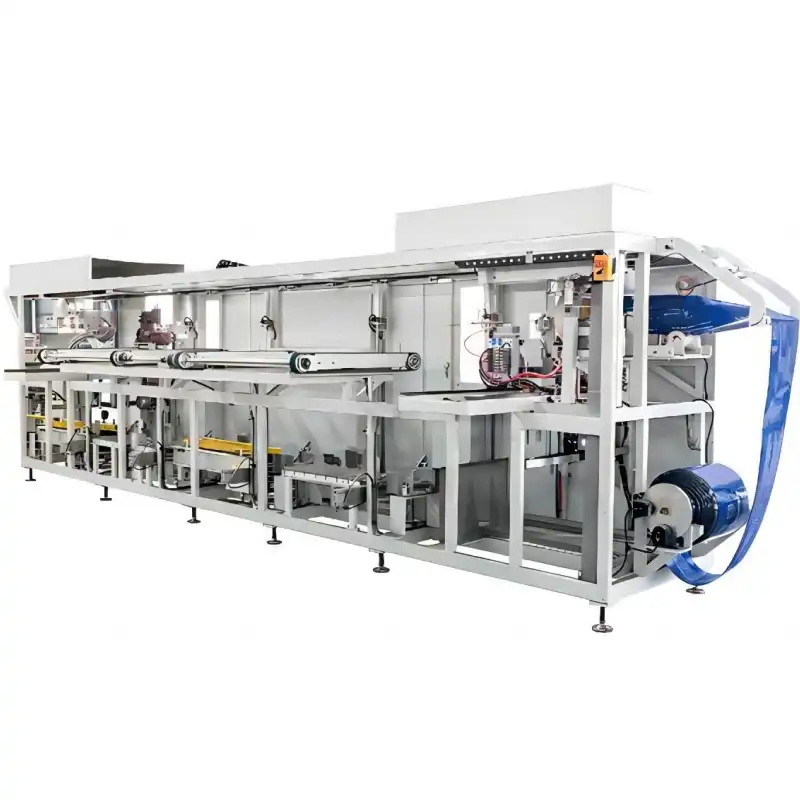
Ergonomic considerations and thoughtful workplace design are essential for promoting safety and preventing injuries in multi-shift warehouse operations involving pipe bundling machines. Addressing factors like workstation layout, material handling, and repetitive motions can minimize physical strain, reduce fatigue, and improve overall worker well-being.
Optimizing Work Environment and Practice
Let’s consider ways to optimize your work environment:
- Optimized Workstation Layout: Arrange workstations to minimize reaching, bending, and twisting. Position controls and materials within easy reach.
- Proper Lighting: Adequate lighting reduces eye strain and improves visibility, especially during night shifts.
- Anti-Fatigue Matting: Provide anti-fatigue matting in areas where operators stand for extended periods to reduce strain on their feet and legs.
Addressing ergonomic factors and optimizing the workplace design can significantly reduce the risk of musculoskeletal disorders and other injuries associated with pipe bundling machine operations.
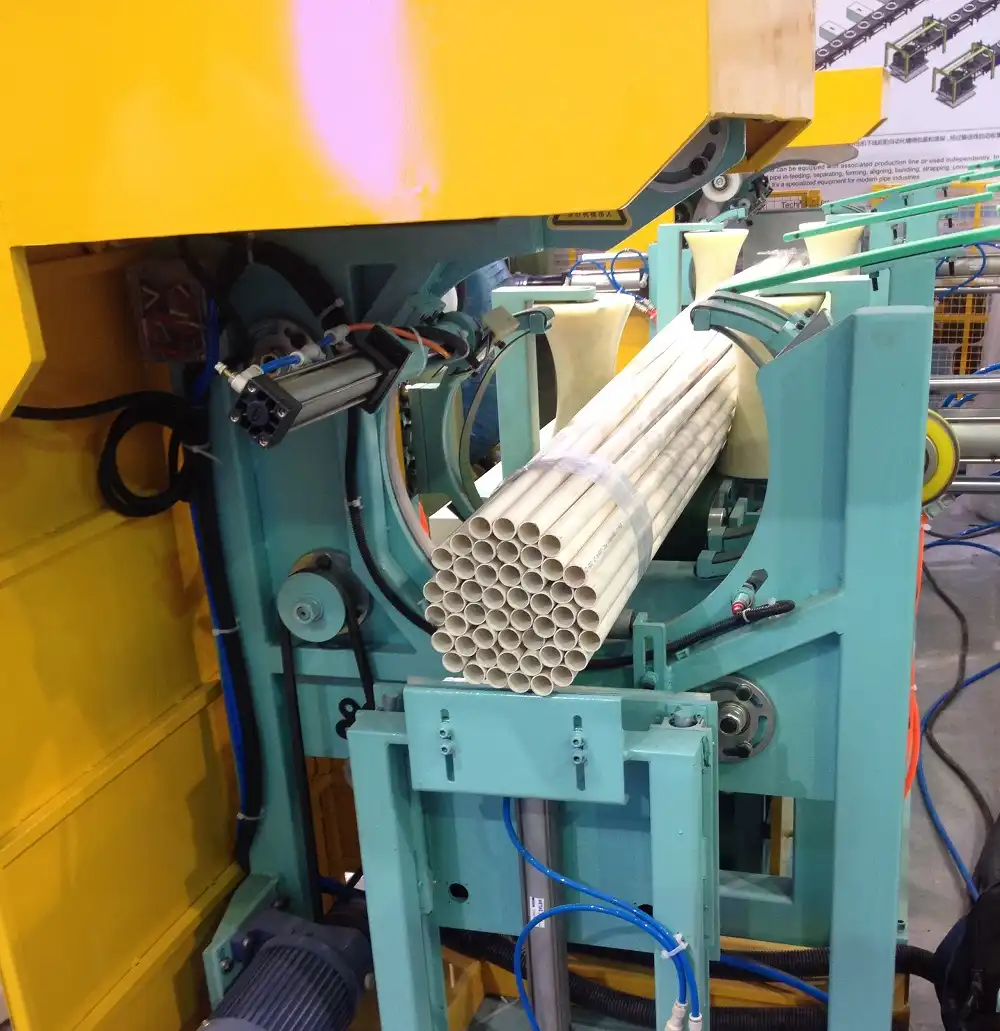
In multi-shift warehouse operations, promoting safety when using pipe bundling machines requires a multi-faceted approach. This includes detailed training, consistent maintenance, strong safety measures, and ergonomic design. Every measure contributes to a safer, more efficient, and productive work atmosphere.
By prioritizing these safety measures, warehouses can create a safer, more efficient, and more productive work environment for all personnel. This proactive approach not only protects workers but also enhances overall operational performance and reduces costly downtime.








