
How to Reduce Noise Levels in PVC Pipe Bagging Operations?
PVC pipe bagging operations are integral to manufacturing, yet they often generate substantial noise. High noise levels can lead to regulatory non-compliance and health issues for workers, necessitating effective mitigation.
Reducing noise in PVC pipe bagging involves implementing soundproofing, using quieter machinery components, and providing personal protective equipment. Regular maintenance and strategic operational guidelines ensure a safer, less noisy working environment, improving overall productivity and worker well-being.
Transitioning to quieter operations requires a strategic approach that combines engineering controls, administrative practices, and personal protection. Let’s explore these strategies in detail to create a more harmonious workplace.
Evaluating Noise Sources in PVC Pipe Bagging
Identifying the primary noise contributors is the foundation for effective noise reduction strategies. Understanding where the loudest sounds originate helps in targeting the interventions and maximizing their impact.
Pinpointing noise sources in PVC pipe bagging operations allows for targeted noise control measures. Key contributors include motors, conveyor systems, pneumatic components, and the impact of pipes during handling. Addressing these specific sources significantly reduces overall noise exposure.
Precise identification of noise sources is crucial. It enables the application of tailored solutions, ensuring resources are effectively allocated and that the most problematic areas are addressed first.
Noise Contributors in PVC Pipe Bagging Operations
The complex machinery involved in PVC pipe bagging generates noise from multiple sources. Here’s a detailed breakdown:
-
Electric Motors: Motors powering conveyors and other machine components can generate significant noise, especially if they are old, poorly maintained, or lack proper sound insulation.
-
Conveyor Systems: The movement of pipes along conveyors, including rollers and belts, can produce considerable noise due to friction and vibration.
-
Pneumatic Components: Air compressors and pneumatic actuators used for lifting, clamping, and sealing contribute to noise levels, particularly if they operate at high pressure or lack mufflers.
-
Impact Noise: The impact of pipes as they are loaded, transferred, and dropped into bags creates sharp, intermittent noise spikes.
-
Vibrations: The vibration of machine frames and components amplifies noise, particularly if the machinery is not properly anchored or balanced.
Comparative Analysis of Noise Levels (dB)
Quantifying noise levels from each source provides a clear picture of where to focus noise reduction efforts:
Noise Source Typical Noise Level (dB) Mitigation Strategies Electric Motors 75-85 dB Soundproofing enclosures, vibration dampening, maintenance to reduce wear, replacing with quieter models. Conveyor Systems 70-80 dB Lubrication, vibration isolation mounts, replacing worn rollers, using noise-dampening materials. Pneumatic Components 80-90 dB Mufflers, pressure reduction, quieter actuators, vibration dampening. Impact Noise 85-100 dB Cushioning materials, controlled descent mechanisms, automated handling systems. Machine Frame Vibration 65-75 dB Vibration isolation mounts, structural reinforcements. Implementing strategic noise reduction techniques at these specific sources will lead to a significant decrease in overall noise exposure. This targeted approach is more efficient than generalized noise control measures.
Noise Reduction Techniques for Bagging Machines
Once the primary noise sources are identified, implementing targeted noise reduction techniques becomes crucial. These techniques encompass engineering controls, administrative measures, and personal protective equipment (PPE) strategies.
Controlling noise at its source is the most effective long-term solution. This includes upgrading machinery components, implementing soundproofing measures, and ensuring regular maintenance to prevent noise escalation. These efforts create a safer and quieter work environment.
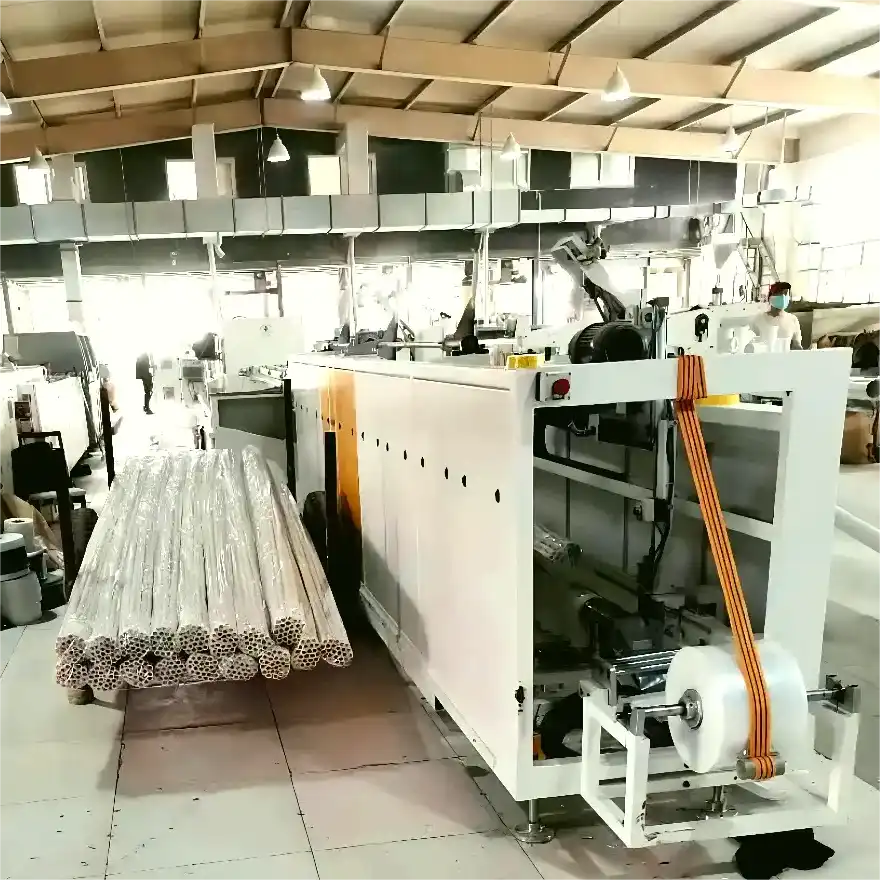
PVC pipe bagging noise reduction, operational guidelines, plastic packaging machines Engineering Controls: Reducing Noise at the Source
Engineering controls involve modifying equipment or processes to reduce noise levels directly. Here’s a breakdown of key strategies:
-
Soundproofing Enclosures: Enclosing noisy components like motors and compressors in sound-dampening materials significantly reduces noise propagation.
-
Vibration Isolation Mounts: Using vibration isolation mounts for machinery minimizes the transfer of vibrations to the surrounding structure, reducing amplified noise.
-
Mufflers for Pneumatic Systems: Installing mufflers on pneumatic exhaust ports reduces the high-frequency noise generated by air discharge.
-
Dampening Materials: Applying sound-dampening materials to conveyor belts, rollers, and machine frames reduces noise from friction and vibrations.
-
Equipment Upgrades: Replacing older, noisier equipment with newer, quieter models designed with noise reduction in mind can greatly reduce overall noise levels.
Administrative Controls: Operational Guidelines and Practices
Administrative controls involve changes in work practices to minimize noise exposure:
-
Limited Exposure Time: Reduce the amount of time workers spend in high-noise areas by rotating job assignments or implementing shorter shifts.
-
Designated Quiet Zones: Create designated quiet zones where workers can take breaks and reduce their cumulative noise exposure.
-
Regular Maintenance Schedules: Implement regular maintenance schedules to keep machinery in optimal condition. This prevents increased noise due to wear and tear.
Personal Protective Equipment (PPE): The Last Line of Defense
While not the primary solution, PPE such as earplugs and earmuffs plays a crucial role in protecting workers’ hearing. Ensure proper fit and usage through training programs. Regular monitoring of noise levels and worker hearing helps identify potential issues early.
Operational and Maintenance Best Practices
Implementing effective operational and maintenance practices is crucial for sustaining noise reduction efforts and preventing the resurgence of high noise levels. Regular maintenance and optimized procedures preserve machinery performance, preventing increased noise generation.
Effective operational guidelines and consistent maintenance practices are vital for maintaining low noise levels in the long run. These measures ensure that machinery continues to operate quietly and efficiently, minimizing ongoing noise pollution.
PVC pipe bagging noise reduction, operational guidelines, plastic packaging machines Regular Maintenance: Preventing Noise Escalation
Consistent maintenance is key to preventing machinery from becoming louder over time. This includes:
-
Lubrication: Regularly lubricating moving parts such as conveyor rollers and bearings reduces friction and associated noise.
-
Tightening Loose Components: Vibration can cause bolts, screws, and other fasteners to loosen, leading to increased noise. Regular tightening prevents this.
-
Replacing Worn Parts: Worn bearings, belts, and other components can generate excessive noise. Replacing them promptly maintains quieter operation.
-
Balancing Rotating Equipment: Ensure that rotating equipment such as motors and fans are properly balanced to minimize vibration and noise.
Strategic Operational Guidelines: Optimizing Processes
Implementing strategic operational guidelines can also contribute to lower noise levels:
-
Controlled Pipe Handling: Implementing automated handling systems and cushioned surfaces minimizes impact noise during loading and unloading.
-
Reduced Conveyor Speeds: Lowering conveyor speeds reduces friction and vibration, leading to quieter operation.
-
Scheduled Noise Audits: Regularly conducting noise audits helps identify new or escalating noise sources, allowing for timely intervention.
-
Employee Training: Educate employees on the importance of noise reduction and proper machine operation to minimize noise-generating activities.
Monitoring and Feedback: Sustaining Noise Reduction Efforts
To ensure continuous improvement, establish systems for monitoring noise levels and gathering feedback from workers:
-
Regular Noise Level Monitoring: Use sound level meters to regularly measure noise levels in different areas of the bagging operation.
-
Employee Feedback Mechanisms: Encourage workers to report noise concerns and provide suggestions for improvement.
-
Data Analysis and Action: Analyze collected data to identify trends and prioritize noise reduction efforts.
-
Regular Review and Adjustment: Periodically review the effectiveness of noise reduction strategies and make adjustments as needed to optimize performance.
Maintenance Activity Frequency Rationale Lubrication of Moving Parts Weekly Reduces friction and noise, prolongs component life. Tightening Fasteners Monthly Prevents loosening due to vibration, minimizing rattling and amplified noise. Component Inspection Quarterly Identifies worn parts before they cause significant noise increase. Noise Level Monitoring Monthly Tracks noise levels, identifies new sources, and evaluates effectiveness of interventions. Employee Feedback Sessions Quarterly Gathers input on noise levels and potential improvements. Implementing Noise Control Step-by-Step
Implementing a comprehensive noise reduction program is an investment in both worker safety and operational efficiency. Begin with a noise assessment, followed by phased implementation and continuous monitoring. -What are the benefits of using a centralized control system for PVC pipe bagging machines?
A systematic, phased approach is essential for achieving sustainable noise reduction in PVC pipe bagging operations. With careful evaluation and sustained application of best practices, a quieter, healthier, and more efficient work environment can be established.
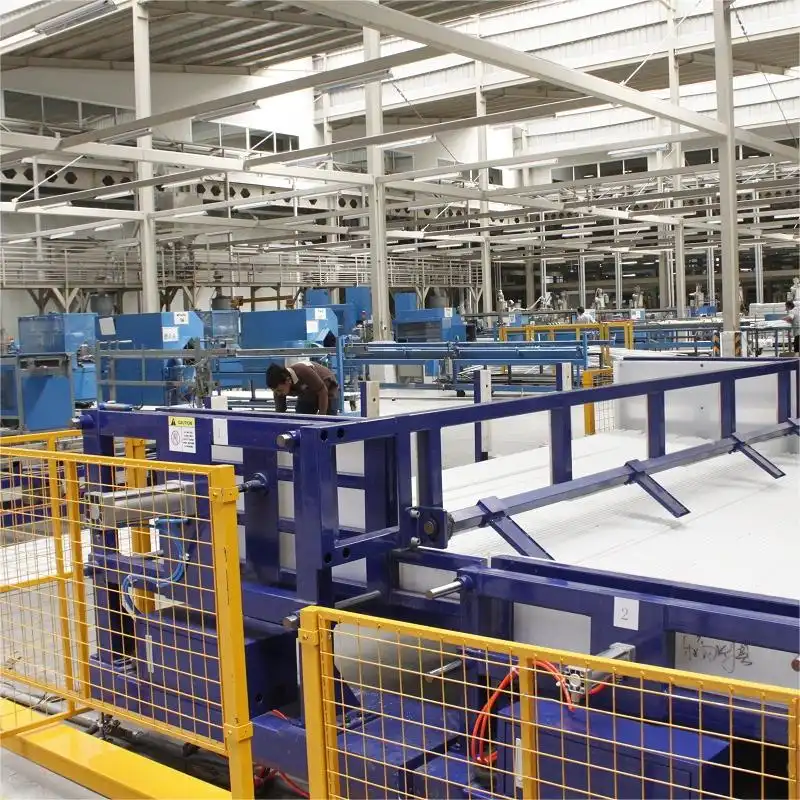
A. Conduct a Baseline Noise Assessment: Begin by conducting a comprehensive noise assessment to measure existing sound levels in various areas of the bagging operation. This assessment should identify peak noise sources, areas where noise levels exceed regulatory limits, and workers exposed to high noise levels.
B. Prioritize Interventions Based on Impact: Analyze assessment data and prioritize noise reduction efforts based on the severity of the noise problem and the number of workers affected. Focus on addressing the loudest sources first, implementing engineering controls to the fullest extent feasible.
C. Create a Detailed Action Plan: Develop a written action plan outlining specific noise reduction measures, timelines for implementation, responsible parties, and budget allocations. The plan should include both short-term and long-term goals, as well as metrics to measure progress.
D. Implementation Phase:
- Implement engineering controls, such as soundproofing enclosures and vibration dampening, in prioritized areas.
- Establish administrative controls, such as rotating job assignments and designating quiet zones.
- Provide workers with properly fitted PPE and conduct training on its use and maintenance.
- Implement regular maintenance schedules and waste reduction programs. E. Monitor and Evaluate: Regularly monitor noise levels using sound level meters and collect feedback from workers on the effectiveness of noise reduction measures. Use this data to evaluate the action plan and make adjustments as needed.
F. Continuous Improvement: Foster a culture of continuous improvement by regularly reviewing noise reduction strategies, exploring new technologies, and involving workers in the process. Conduct periodic training to reinforce the importance of noise reduction and proper machine operation.
Conclusion
Reducing noise levels in PVC pipe bagging operations is more than a regulatory necessity; it’s an investment in the health, safety, and productivity of the workforce. Implementing comprehensive strategies creates a workplace that is both efficient and conducive to long-term well-being. Noise reduction efforts can dramatically improve the work environment, contributing to a happier, more engaged workforce.








