
What Are the Key Considerations for PPR Pipe Transportation Planning?
Planning the transportation of PPR pipes involves careful consideration to ensure these delicate yet essential components reach their destination safely and efficiently. From understanding material properties to navigating logistical challenges, success hinges on meticulous planning and execution.
Effective PPR pipe transportation planning requires careful attention to several key factors, including the pipes’ fragility, length, and environmental sensitivity. Logistics considerations such as route optimization, vehicle selection, and regulatory compliance are crucial for ensuring timely and damage-free delivery while minimizing transportation costs and maximizing efficiency.
Efficient transportation is not merely about moving goods from point A to point B; it’s about strategic orchestration. Let’s delve into the critical considerations that underpin successful PPR pipe transportation planning.
1. Understanding the Unique Challenges of PPR Pipe Transportation
Transporting PPR (Polypropylene Random Copolymer) pipes presents distinct challenges compared to other materials. Their inherent properties and typical applications necessitate a tailored approach to logistics and handling throughout the transportation process.
PPR pipes, while robust in application, are relatively fragile during transportation, susceptible to scratches, dents, and deformation from improper handling or inadequate support. Their common lengths, often extending several meters, complicate loading, unloading, and securing processes. Furthermore, temperature sensitivity demands controlled environments to prevent material degradation, making specialized logistics planning essential for maintaining pipe integrity from origin to destination.
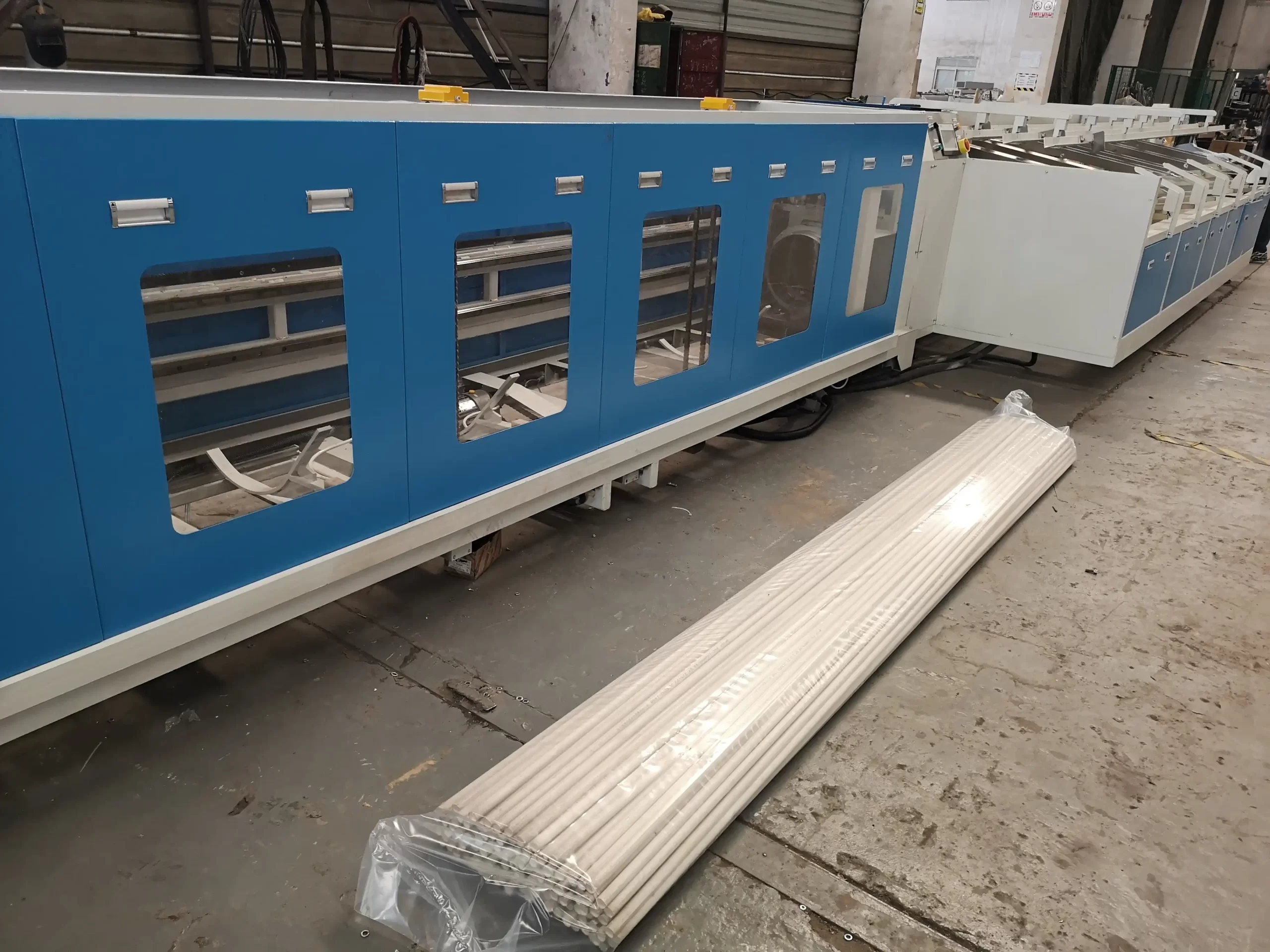
Delving Deeper into Fragility and Material Integrity
The primary challenge in PPR pipe transportation stems from the material’s susceptibility to physical damage. Unlike steel or ductile iron pipes, PPR is a thermoplastic, meaning it can deform under stress, especially impact or concentrated pressure. Scratches, although seemingly minor, can weaken the pipe wall and create stress points, potentially leading to failures under pressure in application. Dents and deformations can alter the pipe’s cross-sectional area, affecting flow rates and structural integrity.
Temperature sensitivity adds another layer of complexity. PPR’s mechanical properties can change significantly with temperature fluctuations. Excessive heat during transport can cause softening and deformation, while extreme cold can make the material brittle and more prone to cracking. This necessitates considering ambient temperature conditions during transportation and implementing protective measures, such as enclosed transport or temperature-controlled environments for long distances or extreme climates.
To better understand the comparative fragility, consider the following table highlighting key material properties relevant to transportation:
| Material | Density (kg/m³) | Tensile Strength (MPa) | Impact Strength (kJ/m²) | Thermal Expansion (mm/m·K) | Fragility in Transport |
|---|---|---|---|---|---|
| PPR | 900 | 30 | 5 | 0.14 | High |
| PVC | 1400 | 50 | 2-20 | 0.07 | Moderate |
| Steel | 7850 | 400 | 20-50 | 0.012 | Low |
| Copper | 8960 | 220 | 300 | 0.017 | Low |
This comparison illustrates that PPR, while advantageous in many applications, requires more careful handling and transportation planning due to its relatively lower impact strength and higher thermal expansion compared to traditional piping materials. Therefore, specialized packaging, securement methods, and potentially temperature-controlled transport are not just best practices, but often necessities for ensuring PPR pipes arrive in optimal condition.
2. Logistics Planning for PPR Pipe Transportation
Effective logistics planning is the backbone of successful PPR pipe transportation. It encompasses a range of activities from initial route selection and vehicle assignment to real-time tracking and delivery confirmation, all tailored to the specific needs of PPR pipes.
Logistics planning for PPR pipe transport starts with meticulous route selection, considering road conditions, traffic, and distance to minimize transit time and potential damage. Choosing appropriate vehicles equipped with proper securing mechanisms and potentially environmental controls is crucial. Efficient loading and unloading procedures, coupled with precise delivery scheduling that aligns with project timelines, are essential components of a comprehensive PPR pipe transportation plan.
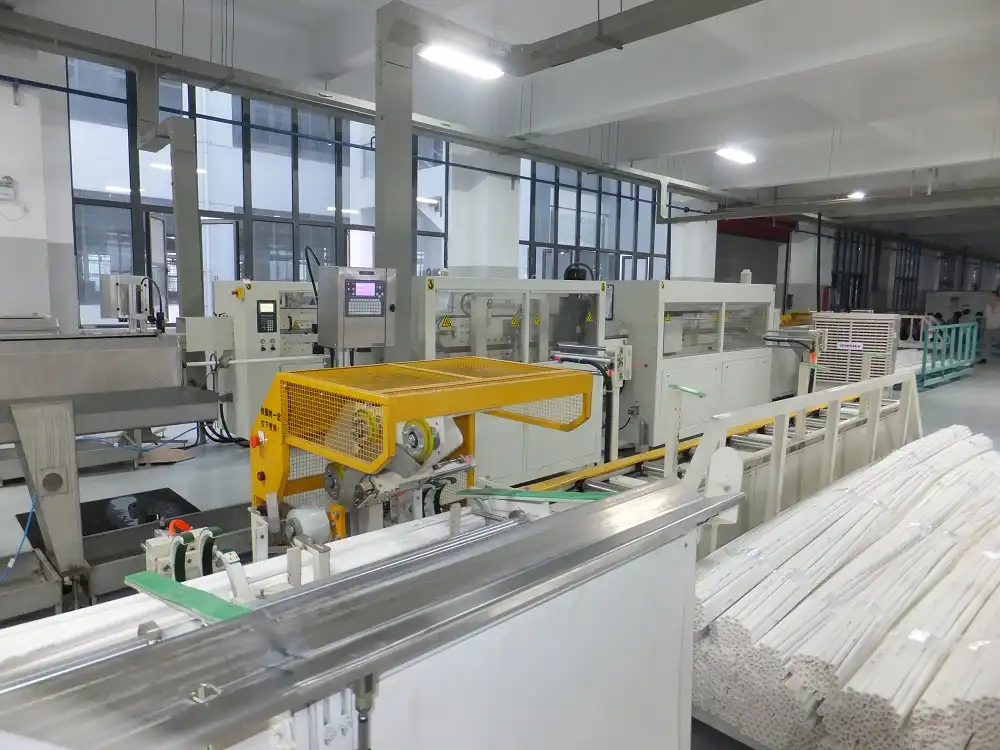
Route Optimization and Vehicle Selection: A Technical Dive
Route optimization in PPR pipe transportation goes beyond simply finding the shortest path. It involves a multi-faceted approach that considers several critical parameters unique to this cargo type. The length of PPR pipes, often standardized at 4 meters, 6 meters, or even longer, dictates vehicle selection. Standard flatbed trucks may suffice for shorter pipes, but longer lengths often require specialized trailers, such as extendable flatbeds or lowboy trailers, to handle overhang and ensure stability during transit.
Weight distribution is also paramount. PPR pipes, while lighter than metal alternatives, can still accumulate significant weight in bundles. Overloading vehicles not only violates regulations but also increases stress on the pipes and the risk of damage. Logistics planners must accurately calculate the weight of pipe bundles and match them to vehicle capacities.
Furthermore, route optimization software, leveraging real-time traffic data and road condition reports, plays a vital role. Avoiding routes with excessive bumps, sharp turns, or poorly maintained roads minimizes vibration and potential impact damage to the pipes. Software can also factor in delivery time windows, fuel efficiency, and driver availability to create the most cost-effective and timely transportation plan.
Vehicle selection is intricately linked to route optimization. Beyond trailer type and capacity, considerations include suspension systems. Air-ride suspension, for example, offers a smoother ride compared to leaf spring suspension, reducing vibration transmitted to the pipes. For temperature-sensitive transport, refrigerated trucks or trailers with insulated covers might be necessary, especially for long hauls or transport through regions with extreme temperature variations.
Loading and unloading techniques are also critical components of logistics planning. Using cranes or forklifts with specialized pipe handling attachments minimizes manual handling and the risk of dropping or mishandling pipes. Proper securing methods, such as straps and dunnage, are essential to prevent pipes from shifting or rolling during transit, which can lead to damage or even accidents. The choice of securing materials should also be considered – using abrasive materials directly against the PPR surface should be avoided. [Collection] offers solutions that can aid in secure and efficient bundling and handling of PPR pipes, further streamlining the logistics process.
3. Regulatory and Compliance Considerations
Transporting PPR pipes, like any cargo, is subject to various regulations and compliance standards. Adhering to these rules is not just a legal obligation but also crucial for ensuring safety, preventing delays, and avoiding penalties.
Navigating regulatory frameworks is a key consideration in PPR pipe transportation. This includes adhering to weight limits, obtaining necessary permits for oversized loads if transporting long pipes, and complying with traffic laws and safety regulations. Environmental regulations related to emissions and waste disposal during transportation may also apply. Thorough compliance ensures smooth transit and avoids legal complications.
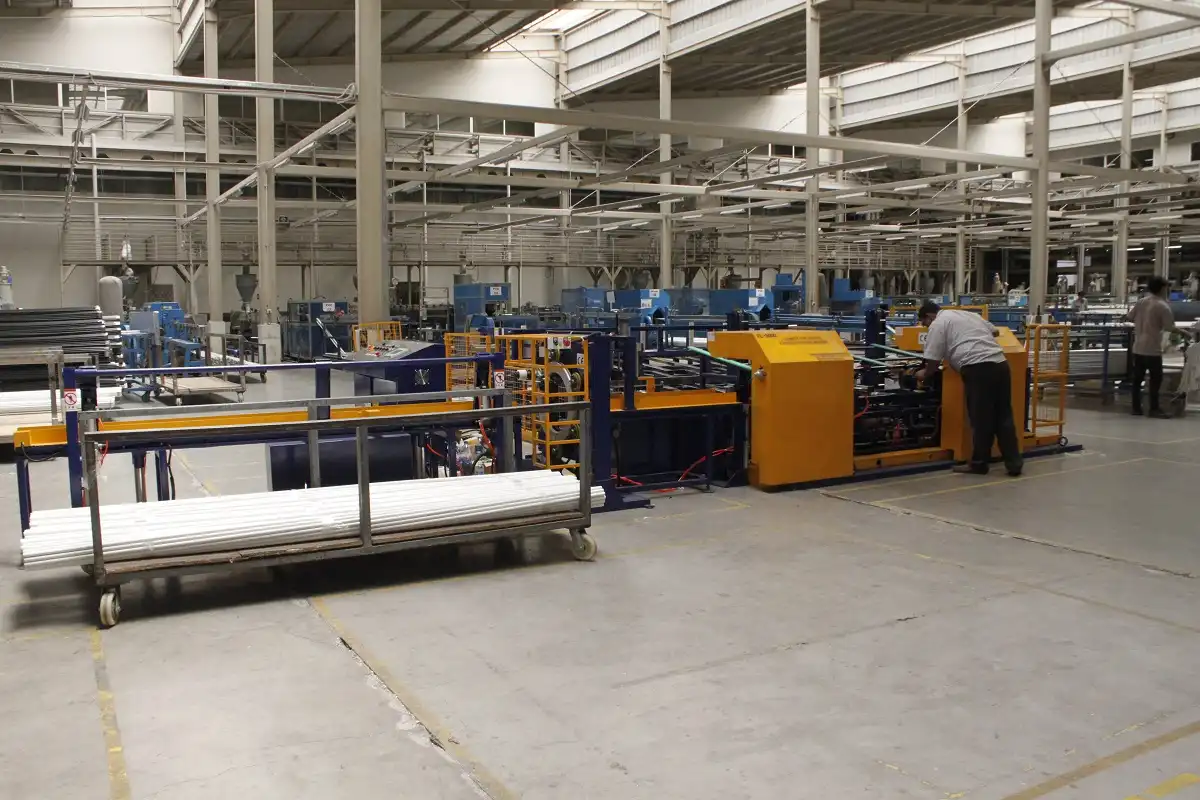
Navigating Regulations and Ensuring Safety
Regulatory compliance in PPR pipe transportation is a multi-layered aspect, encompassing national, regional, and sometimes even local regulations. Weight limits are a primary concern. Overloaded vehicles are illegal and unsafe, increasing braking distances and reducing vehicle stability. Regulations specify maximum gross vehicle weight and axle weight limits, which must be strictly adhered to when loading PPR pipes.
Transporting long PPR pipes may classify the load as oversized, triggering the need for special permits. Oversized load permits often dictate specific travel routes, times of day for travel (typically avoiding peak hours), and may require escort vehicles to ensure public safety. Permit requirements vary significantly by jurisdiction, necessitating thorough research and application well in advance of transportation.
Safety regulations are paramount. This includes ensuring vehicles are properly maintained and inspected, drivers are adequately trained and licensed, and loads are securely fastened to prevent shifting or falling. Regulations may specify the type and strength of securing straps, the use of dunnage, and procedures for loading and unloading.
Environmental regulations are increasingly relevant. Emissions standards for transport vehicles are becoming stricter, requiring companies to consider using newer, cleaner vehicles or optimizing routes to minimize fuel consumption and emissions. Regulations regarding waste disposal may also apply to packaging materials used for PPR pipes.
To ensure comprehensive compliance, logistics planners should consult the following resources and adhere to standards set by these bodies:
| Regulatory Area | Governing Body/Standard | Key Focus |
|---|---|---|
| Weight Limits & Permits | Department of Transportation (DOT) (USA), Regional Transport Authorities (EU), etc. | Vehicle weight limits, oversized load permits, route restrictions |
| Vehicle Safety | Federal Motor Carrier Safety Administration (FMCSA) (USA), Vehicle Standards Agency (EU), ISO 39001 | Vehicle maintenance, driver qualifications, load securement, safe driving practices |
| Environmental Regulations | Environmental Protection Agency (EPA) (USA), European Environment Agency (EEA), ISO 14001 | Vehicle emissions standards, waste disposal, noise pollution |
| Industry Standards | ASTM International, ISO Standards for Plastics Piping Systems | Material specifications, handling guidelines, packaging recommendations |
By proactively addressing regulatory and compliance requirements, transportation planners can mitigate risks, ensure legal and safe operations, and contribute to a more sustainable logistics chain for PPR pipes.
4. Technology and Tools for Efficient PPR Pipe Transportation
Technology is revolutionizing logistics, and PPR pipe transportation is no exception. Leveraging advanced tools can significantly enhance efficiency, reduce costs, and improve the overall transportation process.
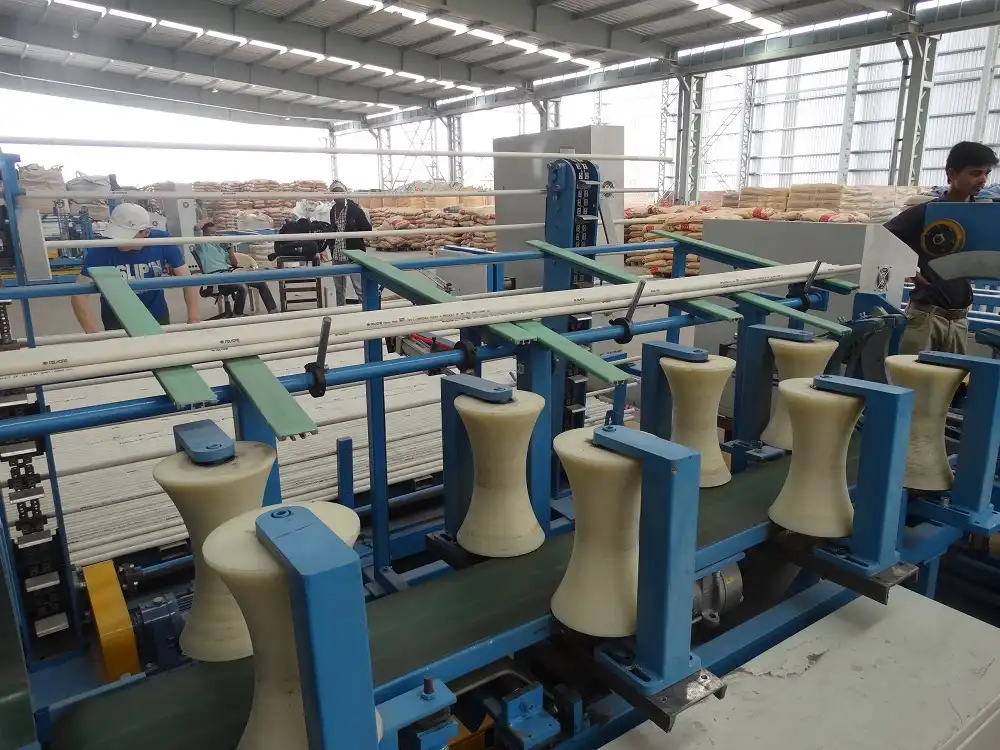
Modern technology offers a suite of solutions to optimize PPR pipe transportation, from planning to execution and monitoring. Transportation Management Systems (TMS) provide centralized platforms for managing all aspects of logistics, including route planning, load optimization, and carrier management. GPS tracking and telematics enable real-time vehicle monitoring, enhancing visibility and security. Route optimization software utilizes algorithms to determine the most efficient routes, considering traffic, road conditions, and delivery windows. Mobile apps for drivers streamline communication, provide turn-by-turn navigation, and facilitate electronic proof of delivery (ePOD). Predictive analytics and data analysis tools further enhance decision-making by identifying trends, optimizing resource allocation, and proactively addressing potential disruptions, leading to a more streamlined and cost-effective PPR pipe transportation process. These technologies, when integrated effectively, create a connected and intelligent logistics ecosystem, specifically tailored to the demands of transporting delicate and dimensionally challenging cargo like PPR pipes.
Advanced technological tools are indispensable for achieving optimal efficiency in PPR pipe transportation:
-
Transportation Management Systems (TMS): TMS software acts as the central hub for managing all transportation activities. It facilitates route planning, load building, carrier selection, shipment tracking, and reporting. For PPR pipes, a TMS can be configured to consider pipe lengths, weight restrictions, and temperature sensitivity when planning routes and assigning vehicles. Advanced TMS solutions offer features like automated route optimization, real-time visibility, and integration with GPS tracking and telematics systems.
-
GPS Tracking and Telematics: GPS tracking systems, coupled with telematics data, provide real-time insights into vehicle location, speed, and condition. This allows dispatchers to monitor shipments in transit, ensure adherence to planned routes, and proactively address any deviations or delays. Telematics data can also provide valuable information on driver behavior, fuel consumption, and vehicle maintenance needs, contributing to overall operational efficiency and cost reduction. For sensitive cargo like PPR pipes, real-time monitoring enhances security and allows for immediate intervention in case of emergencies or unexpected incidents.
-
Route Optimization Software: Specialized route optimization software employs sophisticated algorithms to calculate the most efficient routes based on various factors, including distance, traffic patterns, road conditions, delivery time windows, and vehicle capacities. For PPR pipe transport, route optimization can be tailored to avoid routes with rough roads or sharp turns, minimizing the risk of damage. The software can also factor in permit requirements for oversized loads and optimize routes to comply with regulatory restrictions.
-
Mobile Driver Apps: Mobile applications designed for drivers streamline communication and workflow. These apps provide drivers with optimized routes, turn-by-turn navigation, and real-time updates on delivery schedules. They also facilitate electronic proof of delivery (ePOD), eliminating paperwork and speeding up billing cycles. Driver apps can also enable drivers to report any issues encountered during transit, such as road closures or vehicle problems, allowing for prompt adjustments to the transportation plan.
-
Predictive Analytics and Data Analysis: Leveraging historical data and predictive analytics tools can provide valuable insights for optimizing PPR pipe transportation. By analyzing past shipment data, transportation planners can identify trends, optimize delivery schedules, predict potential delays, and proactively allocate resources. Data analysis can also reveal areas for improvement in route efficiency, vehicle utilization, and fuel consumption. This data-driven approach enables continuous improvement and optimization of the entire PPR pipe transportation process.
Conclusion
Effective PPR pipe transportation planning demands a holistic approach, meticulously addressing material vulnerabilities, logistical intricacies, regulatory mandates, and technological opportunities. By prioritizing these key considerations, businesses can ensure the safe, timely, and cost-efficient delivery of PPR pipes, maintaining product integrity and customer satisfaction. Optimizing logistics considerations through strategic planning and technology adoption is not just about moving pipes; it’s about building robust and reliable infrastructure for a better future.








