
Top 10 Features to Look for in a High-Quality Mold Upender
Are you tired of wrestling with heavy molds, risking injury and slowing down production? Imagine effortlessly and safely rotating molds, enhancing workflow and ensuring employee well-being. Mold upenders are the solution, but not all are created equal. Knowing the essential features will make all the difference in your investment.
When selecting a mold upender, prioritize load capacity, turning mechanism precision, robust safety features like emergency stops and load locks, adjustability for various mold sizes, and overall compatibility with your operational needs. These features ensure efficient, safe, and reliable mold handling, streamlining your manufacturing process and protecting your investment.
Choosing the right mold upender can feel overwhelming, but focusing on key features simplifies the process and guarantees you select equipment that truly enhances your operations. Let’s dive into the top 10 features that define a high-quality mold upender and why they are crucial for your success.
1. Compatibility Features: Adapting to Your Diverse Mold Needs
Are you struggling with a mold upender that can’t handle the variety of mold sizes in your facility? It’s a common pain point – investing in equipment only to find it’s too restrictive for your diverse production needs. Imagine a mold upender that effortlessly adapts to each mold, regardless of size or weight, streamlining your workflow and maximizing efficiency.
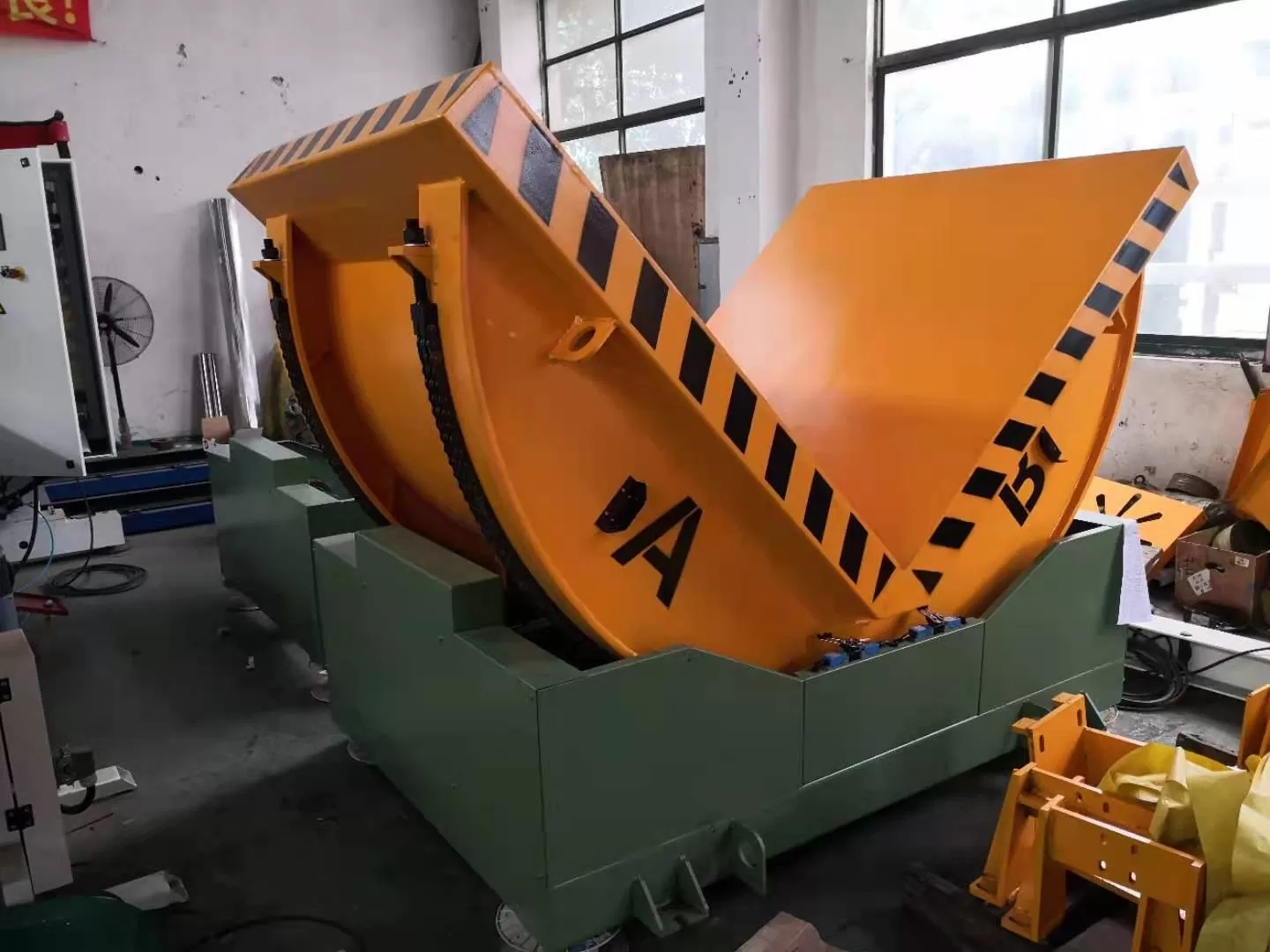
A high-quality mold upender must offer excellent compatibility, primarily through adjustable clamps, flexible turning radius, and variable load capacity. Adjustable clamps securely accommodate different mold shapes and sizes. Turning radius flexibility ensures smooth rotation for various dimensions, while variable load capacity allows handling of diverse mold weights, providing versatility and preventing equipment overload.
Diving Deeper: Understanding Compatibility in Mold Handling
Compatibility isn’t just about fitting different molds; it’s about optimizing your entire mold handling process. A truly compatible mold upender becomes a versatile asset, eliminating bottlenecks and enhancing overall productivity. But what specific aspects of compatibility should you scrutinize? Let’s break it down:
Adjustable Clamps: The Foundation of Secure Handling
Imagine trying to secure various oddly shaped items with a one-size-fits-all clamp. Frustration and insecurity are guaranteed. Similarly, mold clamps need to be highly adjustable.
- Customizable Grip: Look for upenders with clamps that can be adjusted both horizontally and vertically. This ensures a snug and secure grip on molds of varying widths, heights, and even irregular shapes.
- Material Considerations: The clamp material itself matters. Padded or coated clamp surfaces prevent scratching or damaging delicate mold surfaces. Consider the material’s durability against repeated use and different mold materials.
- Quick Adjustment Mechanisms: Time is money. Clamps with quick-release mechanisms or easy-to-adjust screws minimize setup time when switching between different mold sizes. Pneumatic or hydraulic clamping systems offer even faster and more consistent clamping force.
Turning Radius Flexibility: Navigating Size Variations
Molds come in all shapes and sizes, and a rigid turning radius can become a major limitation.
- Variable Radius Design: A top-tier mold upender should offer a variable turning radius or adjustable pivot points. This allows the machine to efficiently rotate both compact and elongated molds without unnecessary movements or spatial constraints.
- 360-Degree Rotation Capability: While 90-degree turning is standard, some advanced upenders offer 360-degree rotation. This added flexibility can be invaluable for complex mold manipulation and maintenance tasks.
- Smooth and Controlled Motion: Flexibility shouldn’t compromise control. The turning mechanism must ensure smooth, jerk-free rotation, regardless of the mold’s size, preventing sudden shifts that could damage the mold or pose safety risks.
Load Capacity Variability: Handling the Weight Spectrum
Overloading an upender is a recipe for disaster. Conversely, using an oversized, expensive machine for light molds is inefficient.
- Wide Load Range: Seek an upender with a broad load capacity range to accommodate your current molds and future needs. Modular designs or models with different capacity configurations offer scalability.
- Accurate Load Sensing: Advanced upenders incorporate load sensors that provide real-time weight readings. This prevents accidental overloading and enhances safety by alerting operators if the load exceeds the machine’s limit.
- Gradual Load Adjustment: For upenders with variable capacity settings, ensure the adjustment process is straightforward and clearly indicated. This prevents accidental setting errors that could lead to unsafe operation.
By considering these detailed aspects of compatibility, you move beyond simply checking if a mold “fits” and start evaluating how well a mold upender truly integrates into—and optimizes—your specific manufacturing environment. This deeper understanding translates to a smarter investment and a more efficient, safer, and more productive mold handling process.
| Feature | Importance | Benefit |
|---|---|---|
| Adjustable Clamps | Secures various mold sizes and shapes. | Minimizes risks, ensures secure turning. |
| Turning Radius Flexibility | Adapts to different mold dimensions. | Reduces setup time, accommodates diverse mold geometries. |
| Load Capacity Variability | Handles a wide range of mold weights safely. | Prevents overloading, ensures safety and operational efficiency. |
| Material Compatibility | Clamps and contact points suitable for mold materials. | Prevents damage to molds, extends mold lifespan. |
| Control System Integration | Compatible with existing control systems. | Seamless integration, simplified operation, data logging capabilities. |
2. Durability: Ensuring Long-Term Performance and Reliability
Are you tired of equipment breakdowns disrupting your production schedule? Imagine a mold upender that operates reliably day in and day out, minimizing downtime and maintenance costs. Durability isn’t just a desirable trait; it’s the backbone of a productive and cost-effective manufacturing operation.
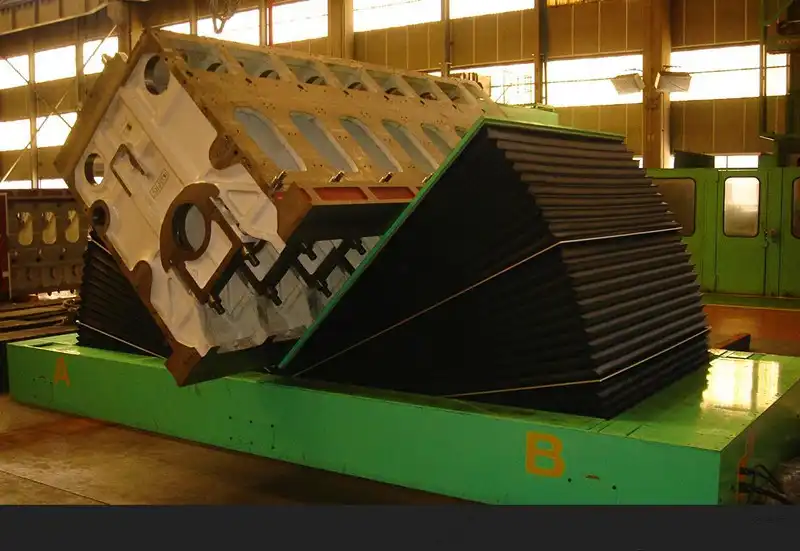
Durability in a mold upender is paramount, directly impacting its performance and lifespan. Key factors include high-grade material quality, robust design that evenly distributes operational stress, and operational integrity that withstands rigorous use. Durable construction minimizes maintenance, reduces downtime, and ensures consistent, reliable performance over years of operation.
Understanding Durability: Investing in Longevity
Durability isn’t just about a machine lasting a long time; it’s about consistent performance, reduced life cycle costs, and uninterrupted productivity. Let’s explore the core components of durability in mold upenders:
Material Quality: The Foundation of Strength
The materials used in construction are the first line of defense against wear and tear.
- High-Grade Steel: The frame and structural components should be constructed from high-tensile steel. This material offers superior strength and resistance to bending, cracking, and fatigue under heavy loads and repeated stress. Look for certifications or material specifications from reputable steel manufacturers.
- Wear-Resistant Components: Parts subject to friction and frequent movement, like pivot points, bearings, and gears, should be made from hardened steel or other wear-resistant alloys. Consider components with specialized coatings or treatments to further enhance their lifespan.
- Corrosion Protection: If your operating environment involves humidity, chemicals, or temperature fluctuations, corrosion-resistant materials or protective coatings are essential. Powder coating, galvanization, or stainless steel components can significantly extend the upender’s life in harsh conditions.
Design Robustness: Engineering for Endurance
Even with the best materials, poor design can lead to premature failure.
- Finite Element Analysis (FEA) Optimized Design: Reputable manufacturers use FEA software during the design phase to simulate stress distribution under various load conditions. This allows them to identify and reinforce weak points, ensuring a structurally sound design.
- Reinforced Stress Points: Pay attention to areas where stress is concentrated, such as welding joints, pivot points, and load-bearing connections. Look for reinforced gussets, thicker gauge steel in critical areas, and robust welding techniques.
- Modular Design for Easier Maintenance: A modular design, where components are easily accessible and replaceable, contributes to long-term durability. It simplifies maintenance and repairs, reducing downtime and extending the overall lifespan of the machine.
Operational Integrity: Withstanding Real-World Demands
Durability isn’t just about the machine itself; it’s about how it performs under real-world operating conditions.
- Rigorous Testing Protocols: Inquire about the manufacturer’s testing procedures. High-quality upenders undergo rigorous testing, including overload tests, cycle tests, and endurance tests, to simulate years of operation under demanding conditions.
- Component Lifespan Ratings: Ask for information on the expected lifespan of critical components, such as hydraulic cylinders, motors, and bearings. Manufacturers of durable equipment will often provide data on component lifespan and maintenance schedules.
- Proven Track Record: Research the manufacturer’s reputation and customer reviews. A proven track record of producing durable equipment and providing reliable after-sales support is a strong indicator of long-term operational integrity.
Investing in a durable mold upender might involve a higher upfront cost, but the long-term benefits—reduced downtime, lower maintenance expenses, and consistent performance—far outweigh the initial investment. Durability is not just a feature; it’s a smart business strategy.
| Aspect | Description | Impact |
|---|---|---|
| Material Quality | High-grade materials resist wear, tear, and corrosion. | Reduces replacement frequency and long-term costs. |
| Design Robustness | Well-engineered design distributes stress, minimizes breakdowns. | Maintains reliability and consistency in production. |
| Operational Integrity | Withstands extreme conditions and frequent use without functional compromise. | Ensures continuous workflow and minimizes production halts. |
| Maintenance Access | Easy access to components for servicing and replacement. | Simplifies maintenance, reduces downtime during servicing. |
| Protective Coatings | Coatings that resist rust, chemicals, and harsh environments. | Extends lifespan in challenging operating conditions, reduces corrosion. |
3. Safety Features: Prioritizing Operator and Equipment Protection
Is safety your top priority in your manufacturing facility? It should be. Mold upenders handle incredibly heavy and unwieldy loads, making safety features non-negotiable. Imagine a workplace where operators feel confident and secure, knowing their equipment is designed with their well-being in mind.
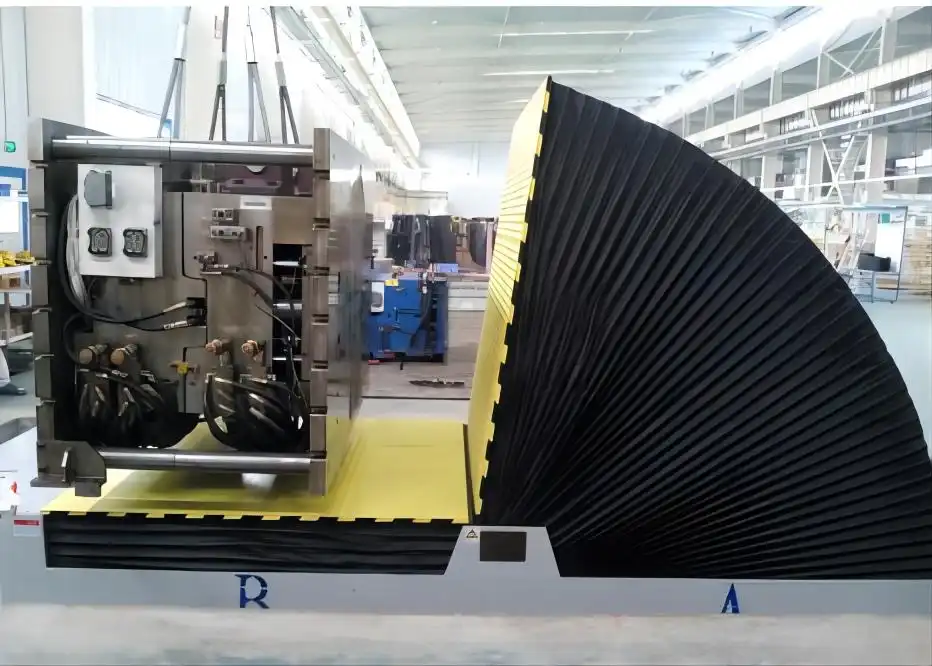
Essential safety features in a mold tilter include emergency stop buttons for immediate halts, load locking mechanisms to prevent load instability during tilting, operator safety shields to protect against debris, and audible/visual alarms to signal malfunctions. These features are critical for preventing accidents, protecting personnel and equipment, and ensuring a safe operating environment that complies with industry safety standards.
Essential Safety Elements: A Comprehensive Approach
Safety isn’t just about ticking boxes; it’s about creating a culture of prevention. A truly safe mold upender incorporates multiple layers of protection. Let’s examine the key safety elements:
Emergency Stop Buttons: Immediate Halt Capability
In critical situations, every second counts.
- Strategically Placed Buttons: Emergency stop buttons should be easily accessible from all operating positions around the upender. Multiple buttons, including foot-operated options, ensure quick access in emergencies.
- Clearly Labeled and Robust: Buttons must be highly visible (often bright red) and clearly labeled. They should be ruggedly constructed to withstand accidental bumps or impacts and designed for reliable activation in urgent situations.
- Interlocked with Control System: The emergency stop system should be directly interlocked with the upender’s control system, immediately cutting power to all moving parts and bringing the machine to a complete and rapid stop.
Load Locking Mechanisms: Preventing Unintended Movement
A sudden load shift during tilting can be catastrophic.
- Mechanical or Hydraulic Locks: Load locking mechanisms can be mechanical (e.g., pawls, brakes) or hydraulic (e.g., check valves). Both types should automatically engage to secure the load in position whenever the upender is not actively tilting.
- Fail-Safe Design: Crucially, the locking mechanism must be fail-safe. This means that in the event of power loss or hydraulic pressure failure, the load remains securely locked, preventing uncontrolled descent or rotation.
- Regular Inspection and Maintenance: Load locking mechanisms require regular inspection and maintenance to ensure they function correctly. Manufacturers should provide clear guidelines on inspection procedures and maintenance intervals.
Operator Safety Shields: Physical Barriers for Protection
Physical barriers are essential to protect operators from hazards.
- Robust Shield Construction: Safety shields should be constructed from sturdy, impact-resistant materials like polycarbonate or wire mesh. They must be designed to withstand potential flying debris, accidental contact with moving parts, and other workplace hazards.
- Full Enclosure or Strategic Placement: Depending on the upender design and application, shields can fully enclose the rotating area or be strategically placed to protect operators in key zones. Consider the line of sight and operator access when designing shield placement.
- Interlocks for Shield Removal: For upenders with enclosed shields, interlocks should be incorporated to prevent operation if shields are removed or opened. This ensures that operators cannot bypass safety measures.
Audible and Visual Alarms: Alerting to Potential Hazards
Warnings are crucial for proactive safety management.
- Distinct Alarm Signals: Use distinct audible and visual alarms to signal different conditions, such as machine start-up, overload warnings, malfunction alerts, or emergency stops. Varying tones and flashing patterns help operators quickly identify the type of alert.
- High Visibility and Audibility: Alarms must be highly visible (e.g., flashing lights, strobe lights) and audible (e.g., sirens, horns) even in noisy factory environments. Consider adjustable volume levels to suit different noise conditions.
- Integration with Control System: Alarms should be automatically triggered by the control system based on sensor inputs and machine status. This ensures timely warnings in case of malfunctions, overloads, or other potentially hazardous situations.
By implementing these comprehensive safety features, manufacturers demonstrate a commitment to operator well-being and create a safer, more productive work environment. Safety is not an add-on; it’s an integral part of a high-quality mold upender.
| Safety Feature | Function | Benefit |
|---|---|---|
| Emergency Stop Button | Immediate cessation of operation in emergencies. | Prevents accidents and damage by quickly halting processes. |
| Load Locking Mechanism | Ensures load stability during tilting. | Enhances stability, reduces risks of spills or misalignment. |
| Operator Safety Shield | Protects operators from debris and contact with moving parts. | Shields personnel, prevents accidental injuries. |
| Audible/Visual Alarms | Alerts workers to malfunctions or hazards. | Provides quick awareness, allows for timely corrective actions. |
| Safety Interlocks | Prevents operation if safety devices are not engaged or are bypassed. | Enforces safe operating procedures, prevents bypassing safety measures. |
4. Manufacturing Process: The Blueprint for Quality
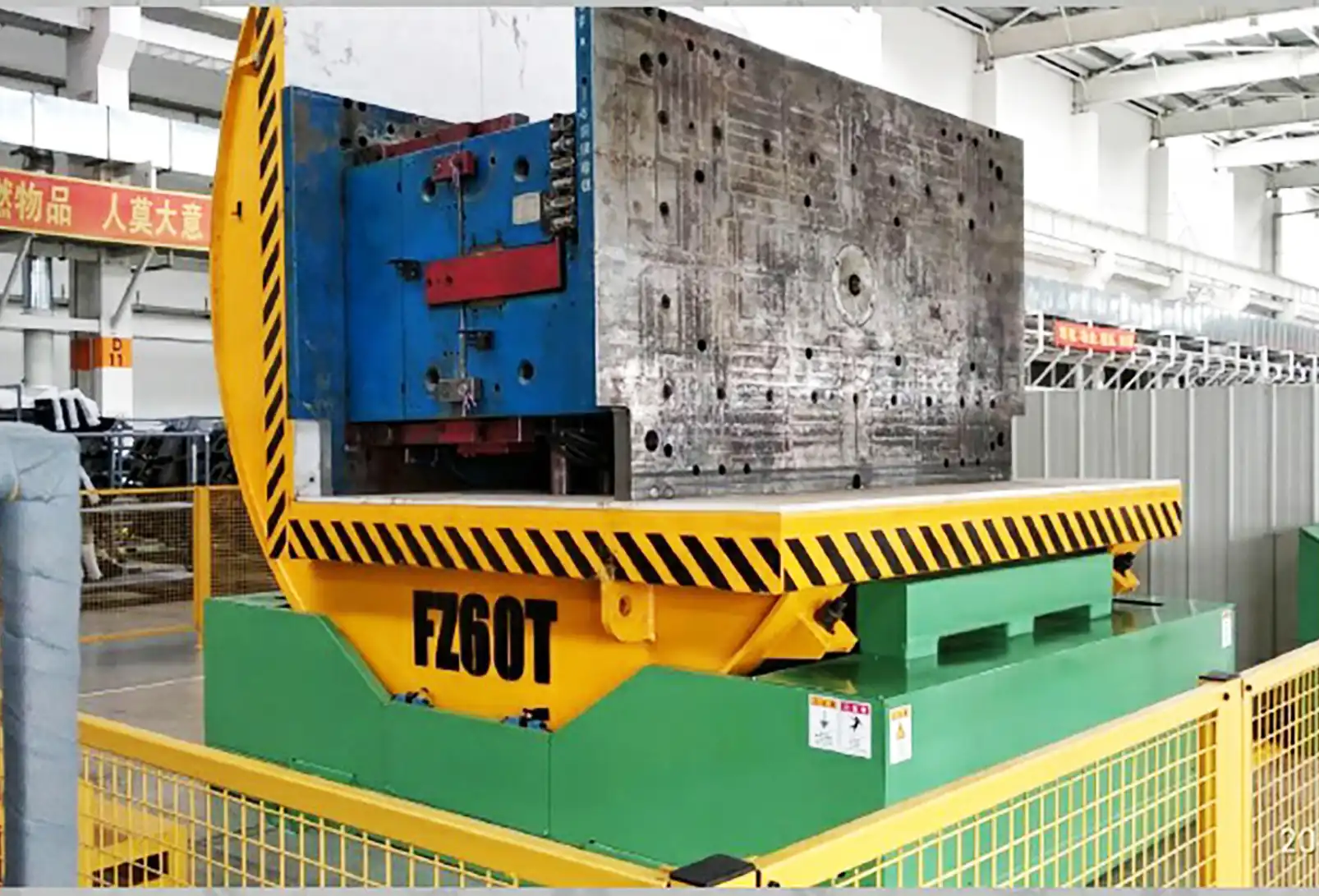
The manufacturing of a high-quality mold upender is a meticulous process involving design, material selection, component fabrication, assembly, rigorous testing, and finishing. Engineers use CAD and FEA software for precise design and safety. High-grade steel and durable components are chosen for longevity. CNC machining ensures accurate part fabrication, followed by careful assembly, hydraulic and electrical system integration, and thorough load and safety testing before final finishing and quality control.
The journey of a mold upender from concept to completion is a testament to engineering precision and manufacturing excellence. Each stage is critical to the final product’s quality and reliability. Let’s explore the key steps:
Design and Engineering: The foundation of any quality machine lies in its design. Advanced CAD software allows engineers to create detailed 3D models, simulating every aspect of the upender’s functionality. FEA is crucial for analyzing stress points and ensuring structural integrity under maximum load conditions. Safety features are designed directly into this stage, not added as an afterthought.
Material Selection: The choice of materials dictates the upender’s lifespan and performance. High-tensile steel is the backbone for structural components, providing the necessary strength and rigidity. For moving parts and areas prone to wear, specialized alloys and hardened steels are selected to minimize friction and maximize durability. The environment in which the upender will operate (temperature, humidity, potential for corrosive substances) also influences material choices.
Component Fabrication: Precision is paramount in component fabrication. CNC machining centers are employed to create parts with tight tolerances and consistent quality. From the base frame to the rotating platform and clamping mechanisms, each component is manufactured to exacting specifications. This ensures smooth assembly and reliable operation.
Assembly: Assembly is a carefully orchestrated process, often conducted in controlled factory environments. Skilled technicians meticulously assemble the fabricated components, integrating hydraulic or electrical systems. Wiring is carefully routed and secured, and safety checks are performed at each stage to ensure all electronic components function correctly and safely.
Testing: Before any mold upender leaves the factory, it undergoes rigorous testing. Load testing verifies the machine’s capacity and stability under various load conditions, often exceeding the stated maximum capacity to ensure a safety margin. Operational tests assess the smoothness and precision of the turning mechanism, and thorough safety system checks confirm the functionality of emergency stops, alarms, and locking mechanisms.
Finishing and Quality Control: The final stages involve protective coatings to prevent rust and corrosion, especially for machines destined for harsh industrial environments. User interfaces and control panels are installed, often customized to meet specific client requirements. A final, comprehensive quality control inspection is performed before the upender is approved for shipment, ensuring it meets all performance and safety standards.
Customization: Many mold upender manufacturers offer customization options. This can range from adapting platform sizes and load capacities to integrating automated control systems or specialized clamping mechanisms. Close collaboration with clients during the design and manufacturing process ensures the final product is perfectly tailored to their specific needs.
The manufacturing process of a high-quality mold upender is a blend of precision engineering, robust material selection, and rigorous quality control. It’s this commitment to excellence in every step that results in equipment that is not only efficient and reliable but also safe and durable for years of demanding industrial use.
Conclusion
Selecting the right mold upender is a critical decision that impacts efficiency, safety, and productivity in mold handling operations. By focusing on these top 10 features – compatibility, durability, safety, manufacturing quality, load capacity, turning precision, adjustability, ease of maintenance, control systems, and customization options – manufacturers can make informed choices. Investing in a high-quality mold upender with these features ensures a smoother, safer, and more reliable production process, ultimately contributing to long-term success in the injection molding and die casting industries and beyond.








