
In the bustling environment of a factory floor, ensuring the safety of every worker is paramount. A common concern is the handling of heavy molds. Accidents resulting from manual handling can lead to serious injuries. Employing a mold upender can reduce risks significantly, turning the tide in factory safety.
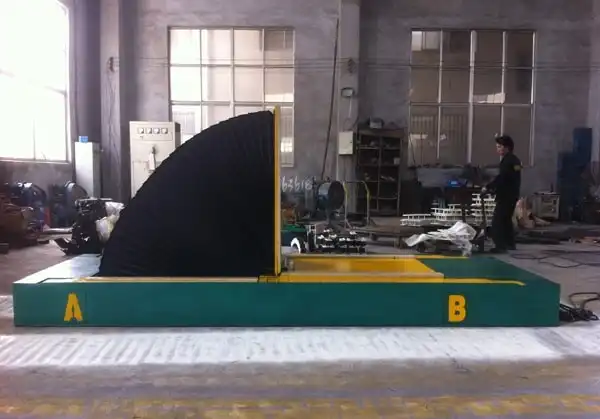
A mold upender reduces workplace injuries and improves safety by shifting heavy mold handling from manual labor to automated systems. This equipment turns the molds 90 degrees securely, minimizing risks of accidents during the process. Factories benefit from decreased injury rates and increased efficiency, creating a safer work environment for all employees.
Experience has shown that integrating innovative machinery like a mold tilter can transform the way manufacturing plants operate. The investment in automation is not just about efficiency but also making the workspace safer. This is particularly crucial in environments where the handling of large and cumbersome molds is routine. Safety means fewer downtimes and better productivity.
1. How does a mold upender enhance workplace safety?
Safety is a critical aspect of any manufacturing operation. Traditional methods of mold handling can be fraught with risks. By leveraging the power of machinery like mold tilters, these dangers are greatly diminished. Reducing these accident rates increases confidence among workers and contributes to a more harmonious workplace.
Mold upenders enhance workplace safety by mechanizing the risky task of manually moving heavy molds. These devices ensure that molds are turned and positioned accurately without exposing workers to potential harm. The use of such equipment aligns with modern safety standards, ensuring compliance and further reducing the likelihood of workplace accidents.
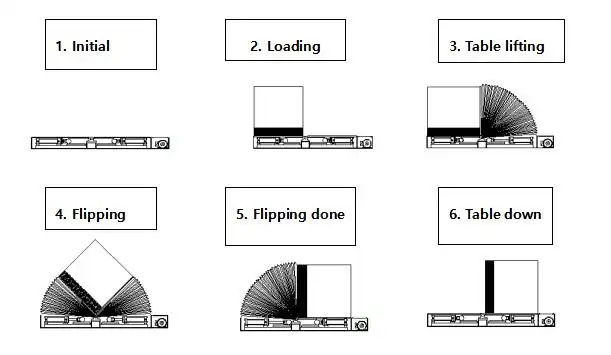
The Mechanics of Mold Upending
The beauty of a mold upender lies in its simplicity and efficiency. Unlike traditional handling, which relies on manual effort, these machines offer a mechanical solution that uses hydraulic or electric systems to turn molds safely and efficiently.
| Feature | Manual Handling | Mold Upender |
|---|---|---|
| Risk of Injury | High | Low |
| Efficiency | Low | High |
| Worker Fatigue | High | Low |
| Productivity | Affected | Enhanced |
| Compliance | Poor | Meets modern standards |
The shift from manual to automated systems reflects our commitment to innovation and safety. As a seasoned professional, I’ve seen firsthand how technology can reshape a workplace. For manufacturing sectors, particularly those dealing with heavy molds, using a mold 90 degree turning device is a game-changer. It secures the molds firmly during the turn, limiting the risk factors associated with manual maneuvers.
Automation in injection molding isn’t just a trend; it’s a necessity. Mold upenders bring about safer procedures, saving businesses both time and resources while protecting the most valuable asset—its workforce. By investing in safety and efficiency, companies can create a culture of care and precision.
The decision to adopt a mold upender is not just about following industry trends but recognizing the intrinsic value it offers in molding operations. With such machinery, workplace injuries decrease, job satisfaction improves, and factories remain compliant with stringent safety regulations. Such a holistic approach to safety boosts morale and ensures sustainability in operations.
2. What are the features of a mold 90 degree turning system that contribute to safety?
Reducing workplace injuries while ensuring the highest injection molding safety is crucial for any facility. One of the effective ways to achieve this is by using a mold 90 degree turning system. These systems not only enhance safety but also streamline operations, making manufacturing processes more efficient.
The mold 90 degree turning system enhances safety by reducing manual interference. It safely repositions heavy molds, minimizing physical strain and injury risks for workers. Automated features ensure precise control and improved workplace safety. This system integrates seamlessly into existing workflows, providing a reliable solution to enhance operational efficiency and worker protection.
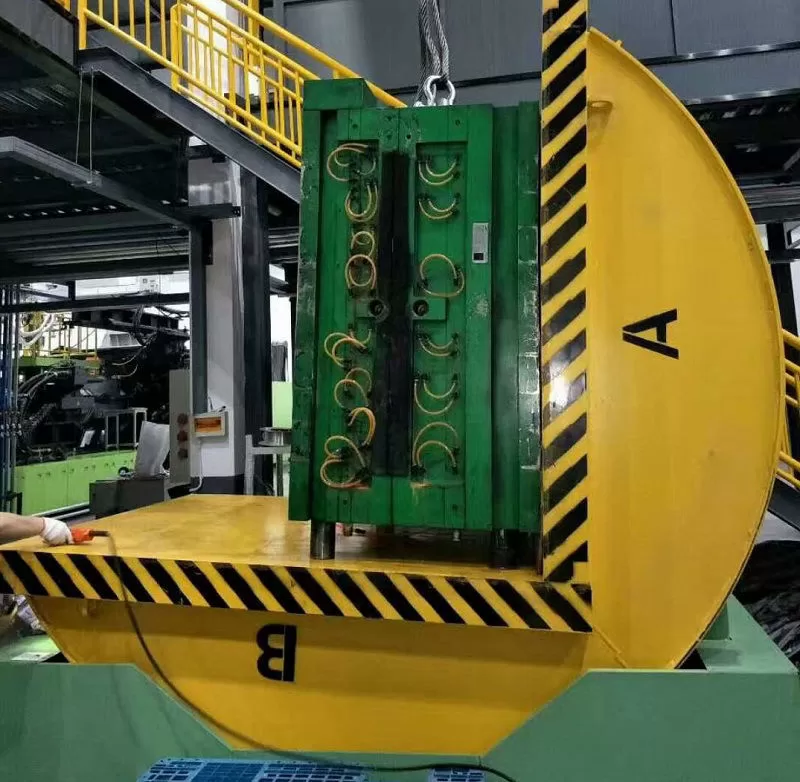
Enhancing Workplace Safety with Mold 90 Degree Turning Systems
Understanding the critical features of mold 90 degree turning systems is fundamental for enhancing safety in a manufacturing setting. First and foremost, these systems significantly reduce the need for human involvement when turning heavy molds. This reduction in manual handling notably decreases the likelihood of workplace injuries, which is a key aspect of improving factory safety. This feature alone can transform a facility’s safety record dramatically, making it more compliant with stringent safety regulations and fostering a culture of safety.
Another primary feature is the automation aspect. Many modern mold turning systems come with automated controls that provide precise movements and positions. This helps in maintaining the proper handling of molds at all times. The automation reduces variability in operations, ensuring each mold turning task is executed with accuracy and repeatability. This consistency means fewer errors, less downtime, and better safeguarding of both the worker and the equipment.
The systems also utilize advanced sensor technology to detect any potential mishaps before they occur. These sensors provide real-time feedback that can alert operators to potential issues, allowing for immediate corrective action. This proactive approach ensures safety is always a priority.
Additionally, mold 90 degree turning systems are often designed to be easily integrated into existing facilities. This seamless integration means the installation does not disrupt current workflows, allowing facilities to maintain high levels of productivity while implementing these vital safety improvements.
| Key Features | Benefits |
|---|---|
| Reduced manual handling | Lower risk of injuries and physical strain on workers. |
| Automation | Consistent, precise operations improving efficiency and safety. |
| Advanced sensors | Real-time feedback and alerts preventing potential accidents. |
| Seamless integration | Minimal disruption to current workflows, maintaining productivity. |
3. In what ways does a mold tilter improve operational safety in molding processes?
Eliminating risks in injection molding is vital for operational safety. A robust solution is employing a mold tilter, which can drastically reduce workplace hazards. Understanding its impact on improving factory safety can lead to safer and more productive workplaces.
Mold tilter systems enhance safety by automating the tilting process of heavy molds. This reduces manual labor, mitigating injury risks for workers. By ensuring safe and controlled tilting, these systems enhance operational safety during molding processes. Their integration can help facilities maintain efficiency while adhering to safety standards, crucial for any manufacturing setup.
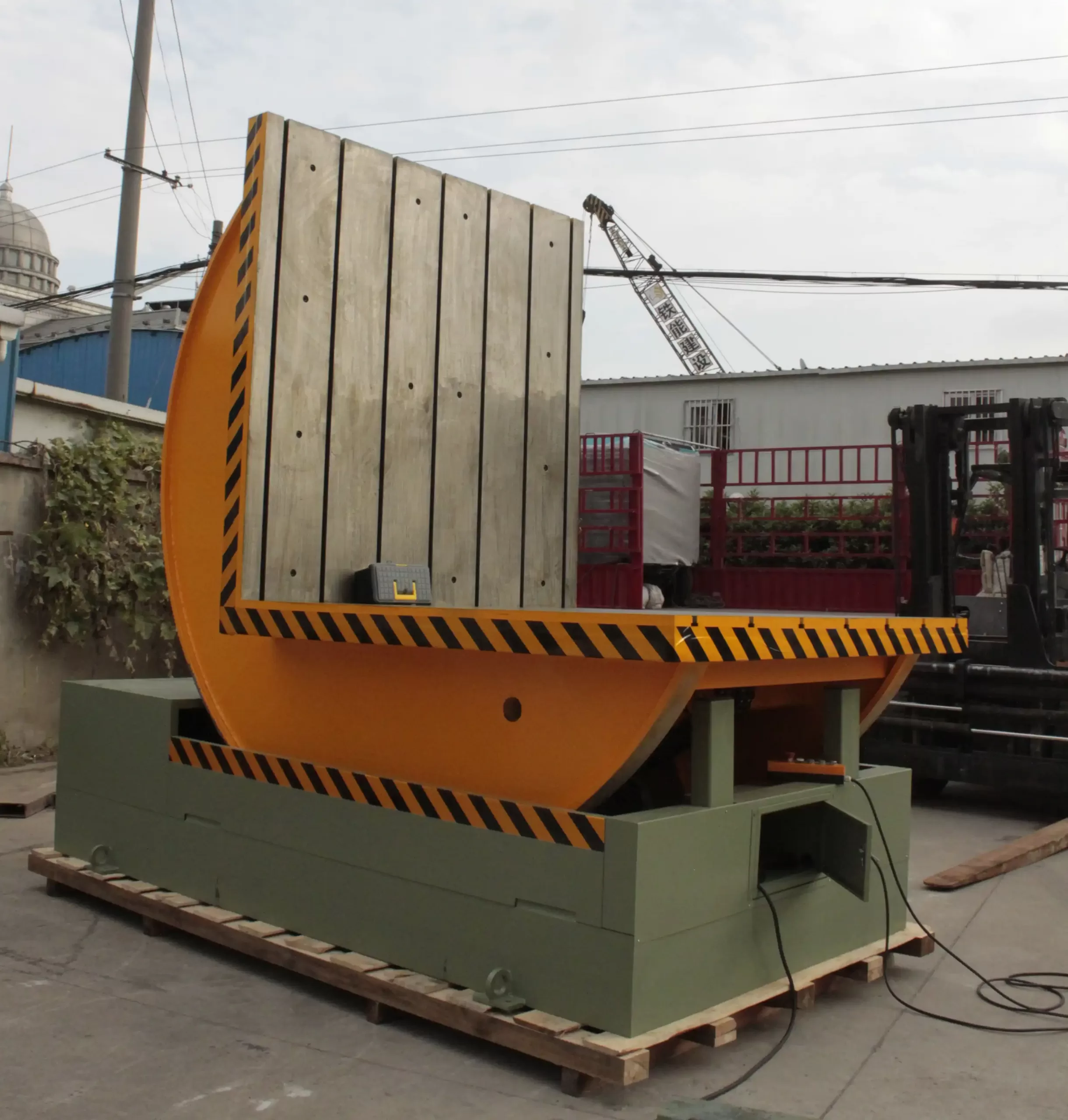
Mold Tilters’ Impact on Safety and Efficiency
Integrating mold tilters into molding processes equates to an upgrade in safety standards. For many facilities, the traditional method of tilting heavy molds involves manual labor, which can lead to injuries. Mold tilters automate this process, ensuring that workers are not exposed to dangerous lifting or tilting activities. This significant reduction in manual intervention contributes to fewer workplace injuries and improved overall safety.
Mold tilters also bring about unparalleled efficiency. By using a mold tilter, facilities can achieve uniformity in mold tilting operations. The precision that comes with automation results in less material wastage and more meticulous handling processes. These advantages extend to a more disciplined manufacturing environment where operators can focus on monitoring rather than manual manipulation.
Moreover, mold tilters employ advanced technological features such as hydraulic tilting mechanisms and digital control panels. These features ensure processes are carried out with accuracy and repeatability, minimizing the need for rework. By consistently performing tilting operations seamlessly, mold tilters enhance productivity levels without compromising on safety.
The implementation of mold tilters is both practical and economical. Facilities can see long-term cost savings through reduced worker compensation claims and increased operational efficiency. Additionally, compliance with safety regulations becomes more straightforward when advanced equipment is utilized.
| Feature | Advantages |
|---|---|
| Automatic tilting | Reduces manual labor, lowering injury risks. |
| Precision controls | Ensures consistent tilting, boosting efficiency and reducing waste. |
| Hydraulic mechanisms | Offers smooth, accurate, and repeatable operations. |
| Economical integration | Lower long-term costs, improved compliance with safety standards. |
Conclusion
Integrating mold upenders, including specialized systems like mold 90 degree turners and tilter mechanisms, significantly enhances workplace safety by reducing manual handling and minimizing injury risks. By adopting these technologies, manufacturing facilities can create a safer, more efficient environment, ultimately leading to improved productivity and employee well-being.








